
A James Oro product name is a lens-and-hardware recipe before it is a model name: "Black Tint Silver Opus" is a black-tinted lens with silver hardware on the Opus; "Clear Authentic II" is the same chassis with no tint at all. This guide explains what the colorway words mean, when the $30 polarized upgrade is worth paying, what the clear and blue-light frames are for, and how prescription lenses work with the brand.
Reading the colorway names
The first word or two of a product name describe the lens, and sometimes the hardware finish:
- Black Tint, Brown Tint, Blue Tint, Red Tint, Pink Tint, Green Tint: a solid or gradient tinted lens in that color. "Tint" names appear mostly on the rimless models, where the lens is the whole frame.
- Clear: an untinted lens. These are everyday glasses or a base for prescription lenses, not sunglasses. Blue Light is a clear lens with a blue-light filter.
- Amber, Champagne, Emerald, Absinthe, Bordeaux, Jade, Amethyst, Citrine: named after the lens color on the acetate models, usually with a matching or black frame.
- Old Money (brown lens, gold hardware, often tortoise or black acetate), Reserve (dark lens, understated frame) and Vapor Gold, Rose Smoke, Dark Blue Flash, Smoke & Mirrors (mirror and flash coatings): the brand's named schemes that recur across families.
- Silver / Gold in the middle of a name describe the hardware finish on rimless and mixed frames, as in "Blue Tint Silver Bankroller".
- Iced means stones set along the temples; Gem Cut means faceted lens edges. Neither changes the tint.
Standard tint vs polarized: is $30 worth it?
Most James Oro frames ship with a standard tinted lens that the listings describe as nylon or triacetate with "100% UV 400 protection" on the rimless models. On 9 listings a polarized lens is offered as a $30 upgrade; the rest have no polarized option at all. Polarization is a filter that cuts reflected glare from flat surfaces: water, wet roads, car bonnets, snow. It does nothing extra for UV protection, which the standard lens already claims.
| Standard tint | Polarized (+$30) | |
|---|---|---|
| UV protection | Listed as UV 400 on most frames | Same |
| Glare on water and roads | Reduced by the tint only | Largely removed |
| Phone and car screens | Normal | Can look dark or striped at some angles |
| Mirror and flash coatings | Available (Vapor Gold, Dark Blue Flash) | Not offered polarized |
| Availability | All frames | 9 listings |
Pay for polarized if you drive a lot, fish, boat or spend summers by water. Skip it if the frames are for the city, for events or for photographs; the standard tint is what the brand's own imagery shows, and polarized is not available on the mirror colorways anyway. Note that the store's specification text on several acetate listings mentions "polarized lenses" while the lens option defaults to "standard": trust the option selector, not the materials list.
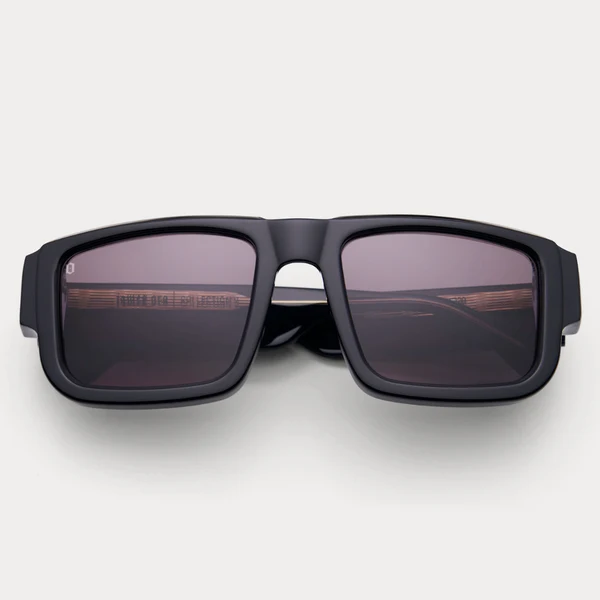
James Oro Black Caliber
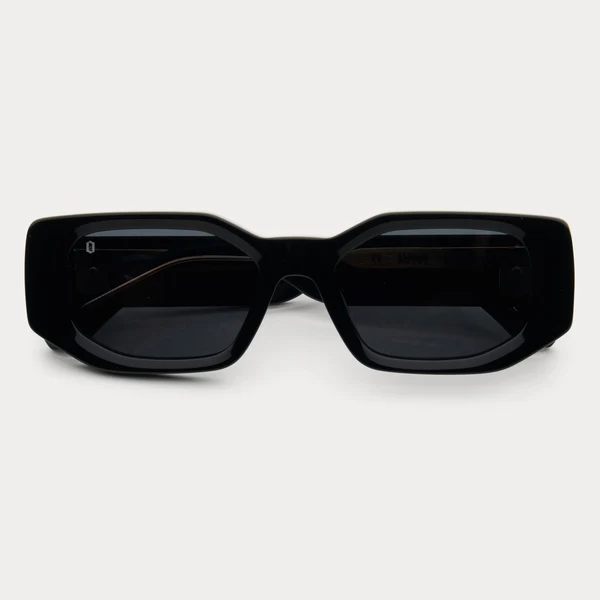
James Oro Black Amour
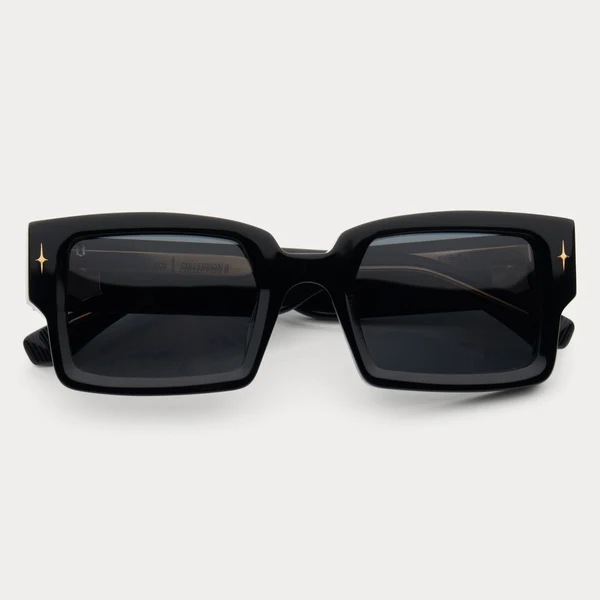
James Oro Black Icon
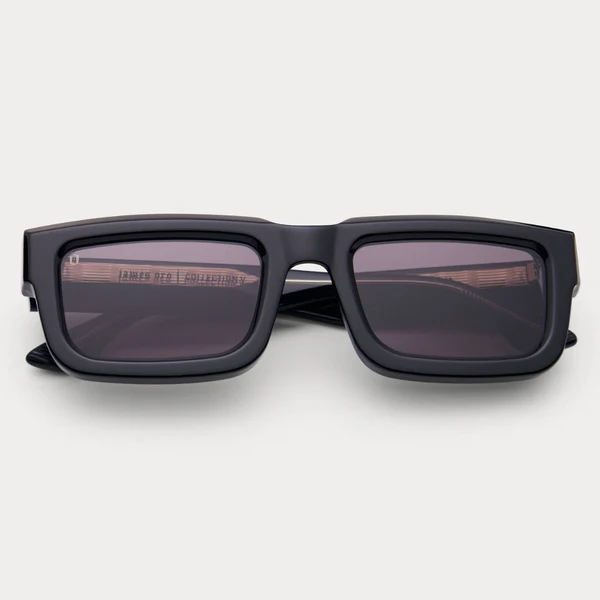
James Oro Black Hustler
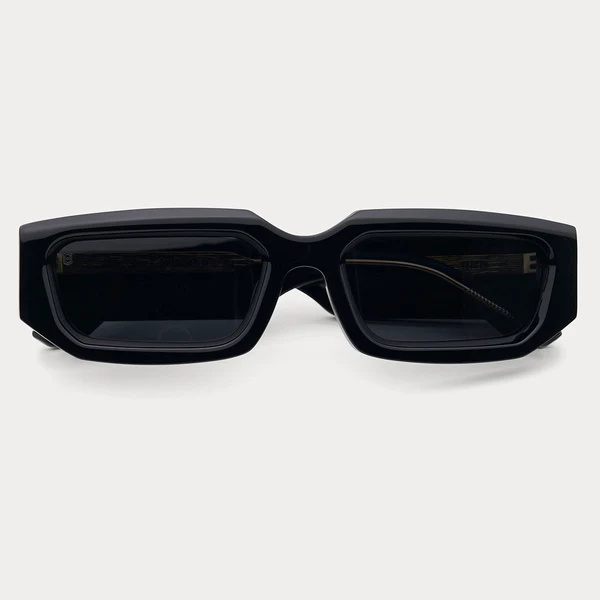
James Oro Black Dune
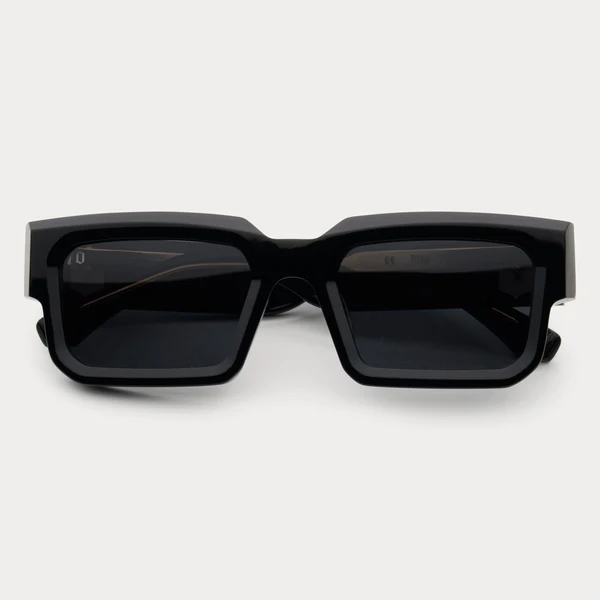
James Oro Black Titan
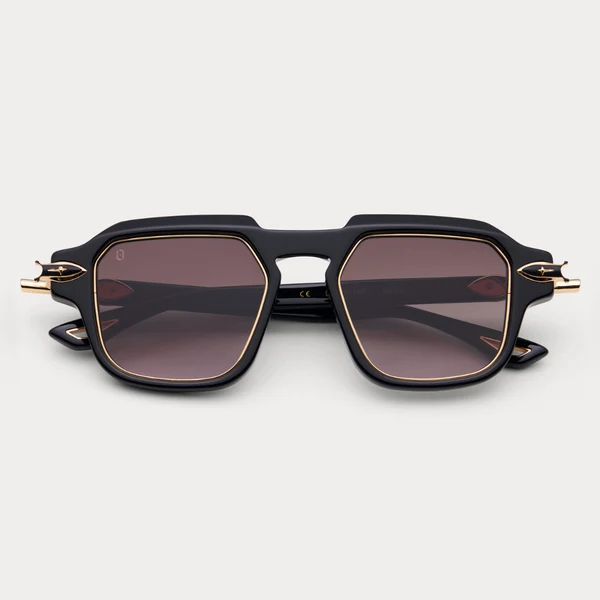
James Oro Black Godfather
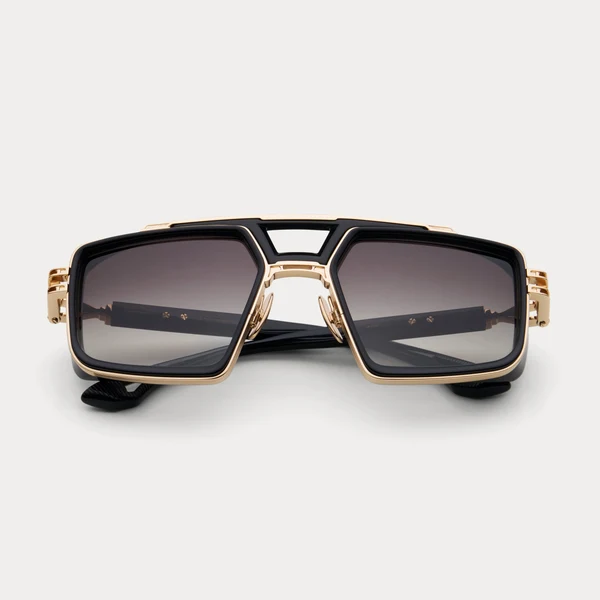
James Oro Black Skymaster
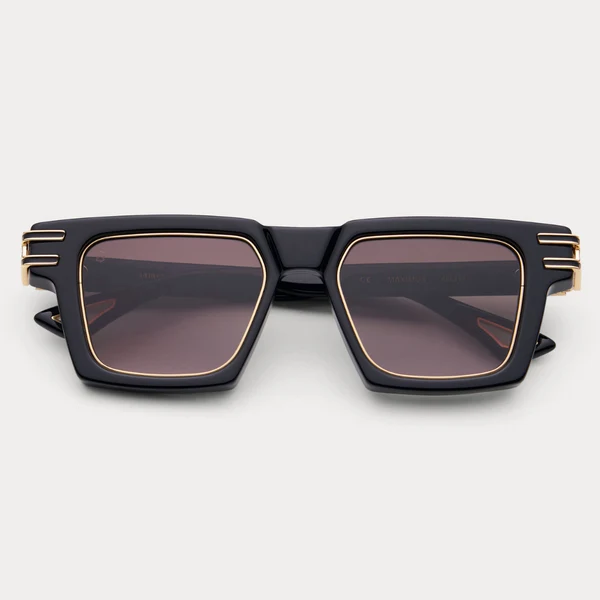
James Oro Black Maximus
Clear and blue-light frames
46 frames are sold with a clear or blue-light lens. These are the same chassis as the tinted versions, which makes them the cheapest way to wear a James Oro shape indoors: the Clear Authentic II, Clear Grail and Clear Opus are all $145. Two things to know. First, the store does not list a UV rating for the clear lenses, so do not rely on them as sun protection. Second, most buyers use these as a base for prescription lenses, which brings us to the next section.
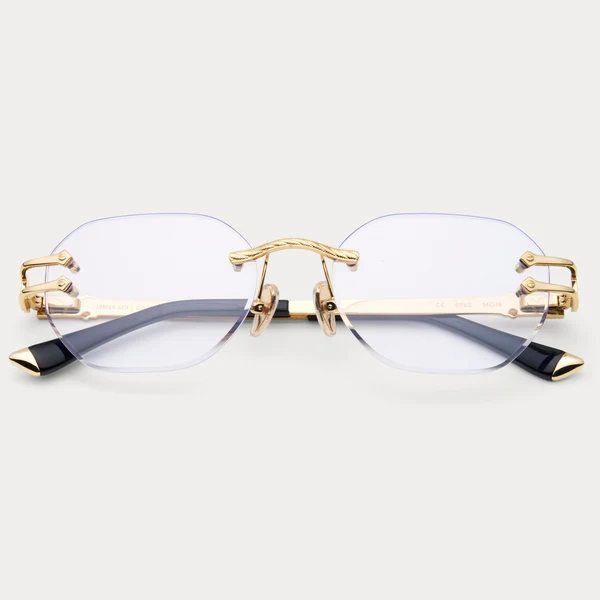
James Oro Clear Opus
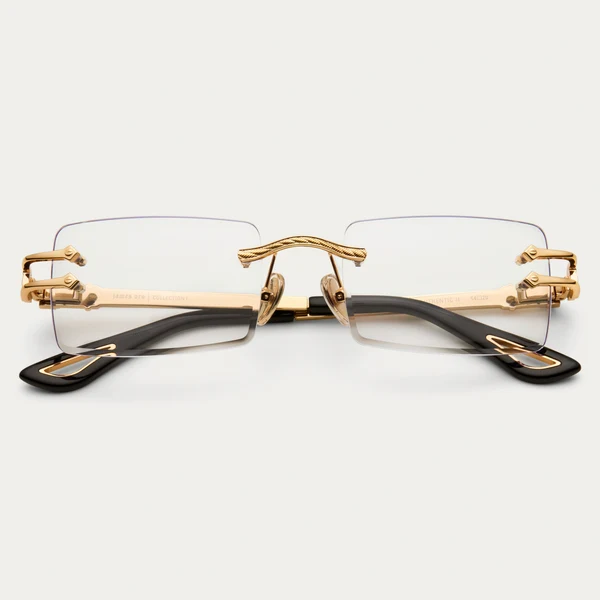
James Oro Clear Authentic II
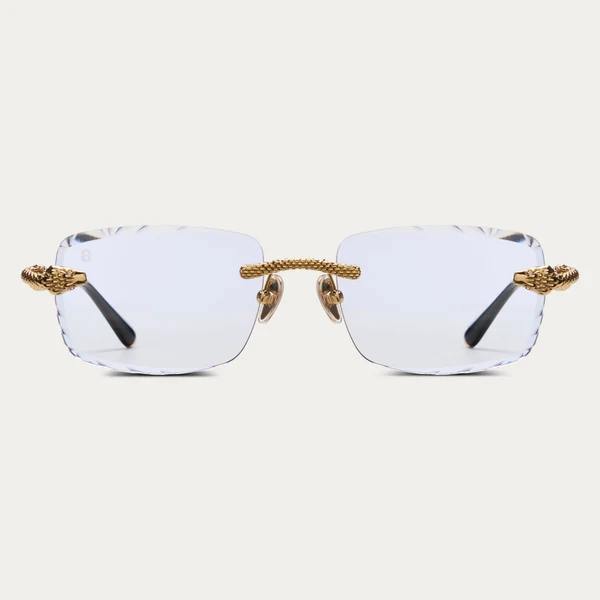
James Oro Clear Serpent Gem Cut
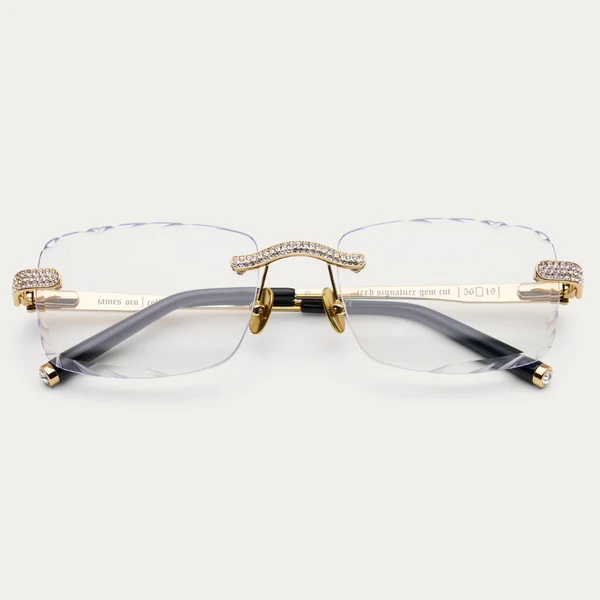
James Oro Iced Clear Signature Gem Cut
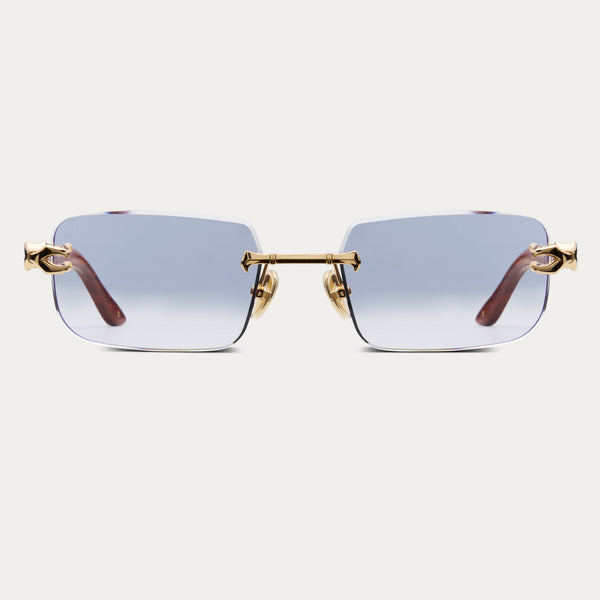
James Oro Clear Hydra
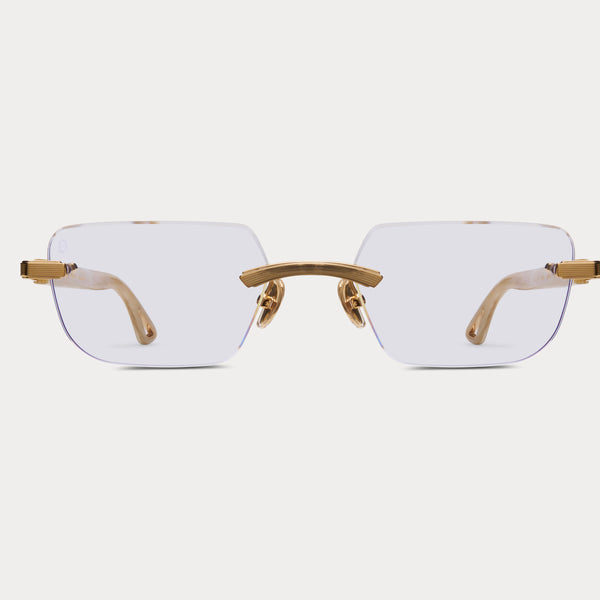
James Oro Clear Rare Blanc Duke
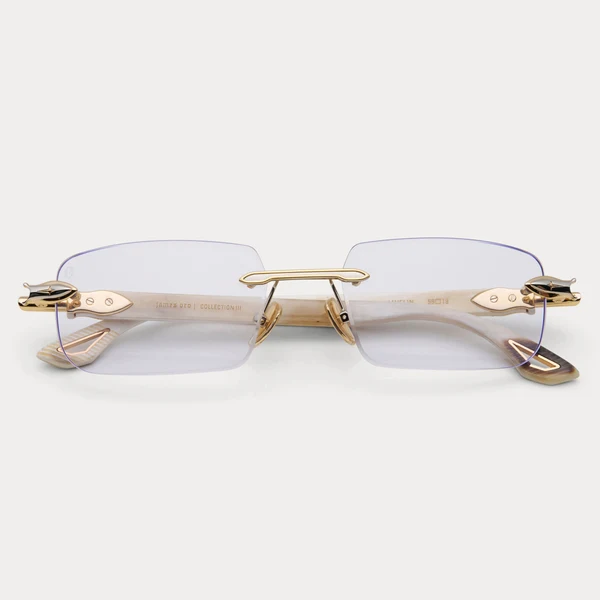
James Oro Clear Rare Blanc Javelin
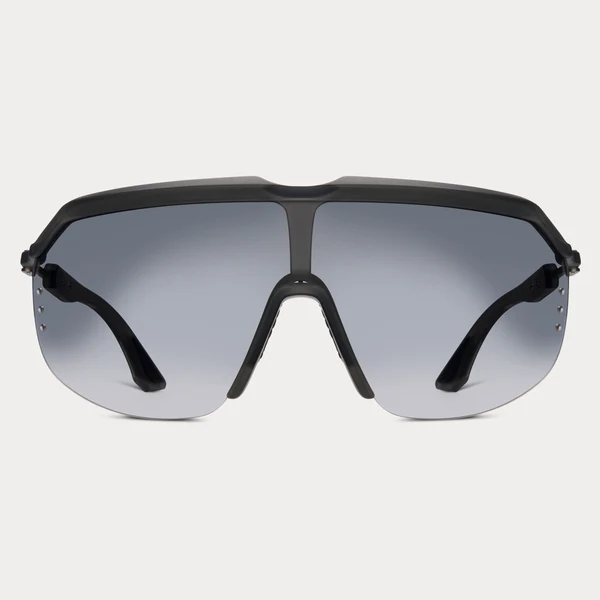
James Oro Matte Clear Grey Windshield
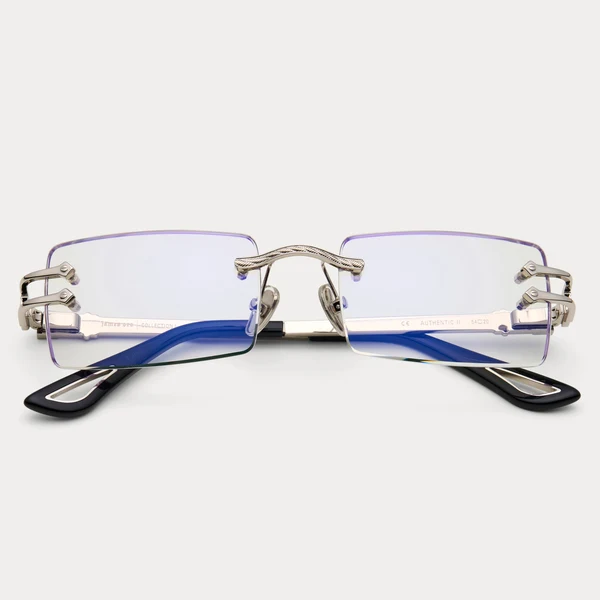
James Oro Blue Light Silver Authentic II
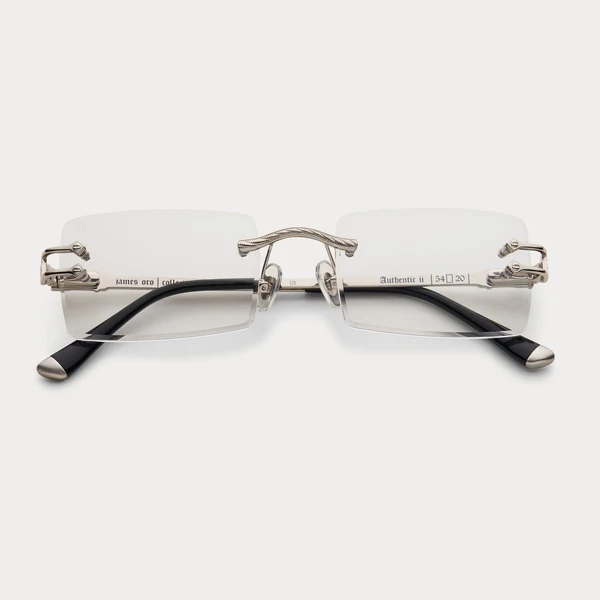
James Oro Clear Silver Authentic II
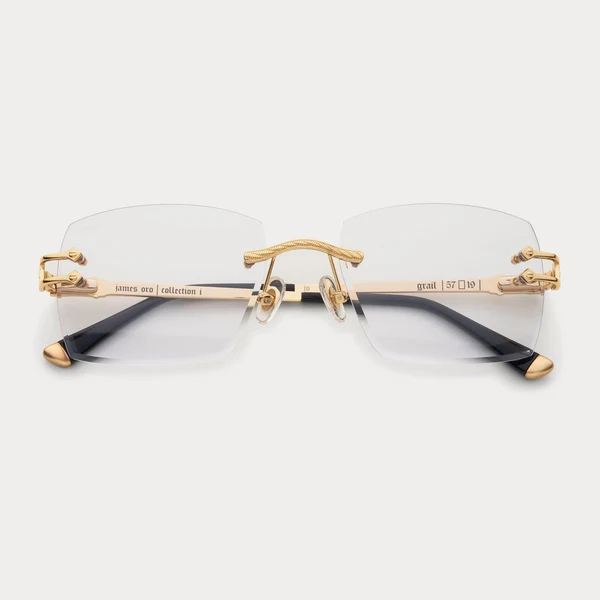
James Oro Clear Grail
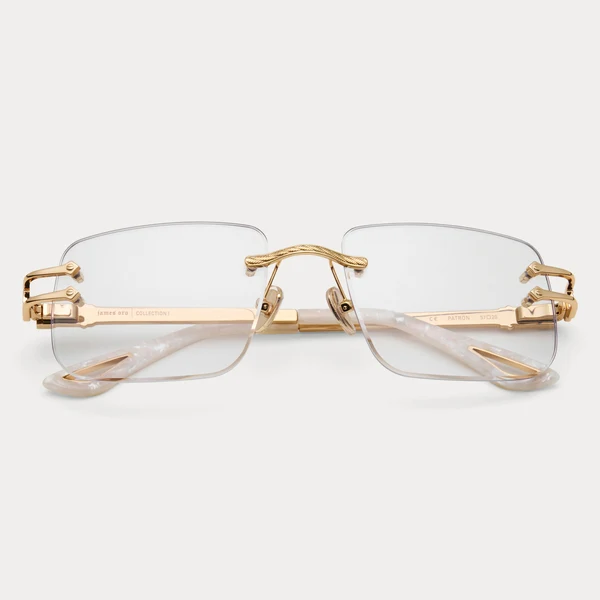
James Oro Clear Pearl Patron
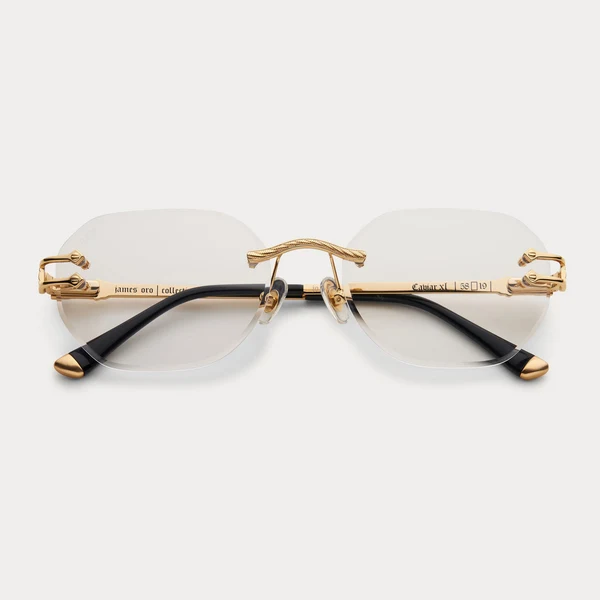
James Oro Clear Opus XL
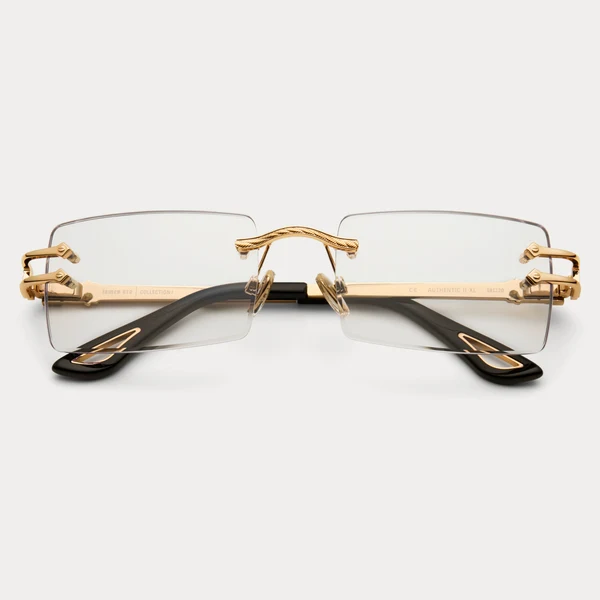
James Oro Clear Authentic II XL
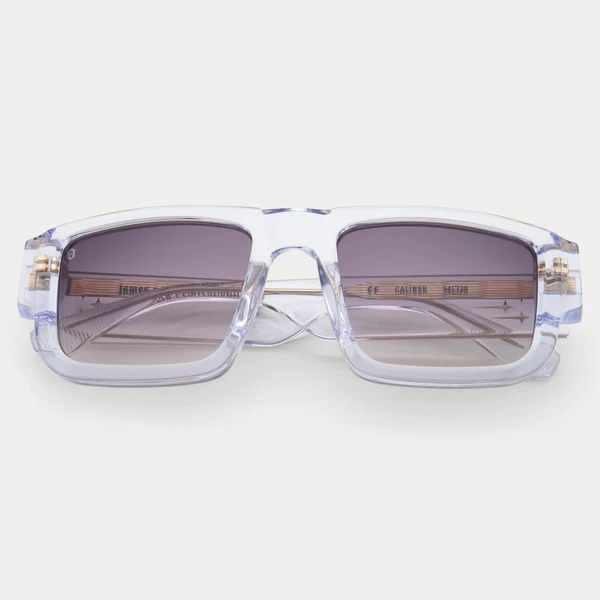
James Oro Clear Caliber
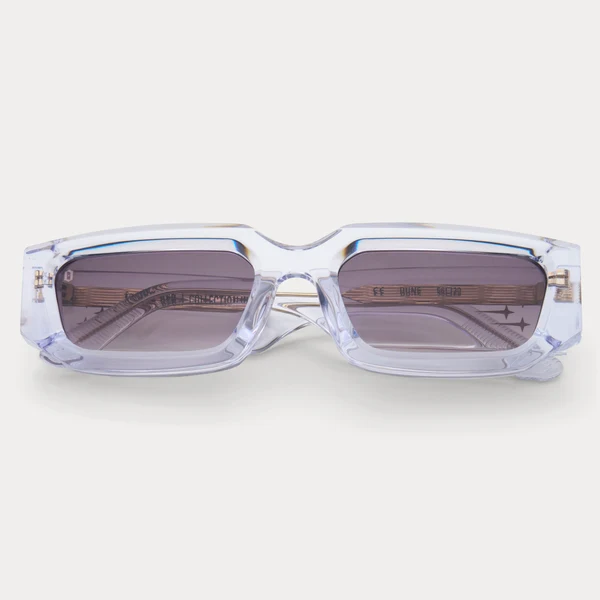
James Oro Clear Dune
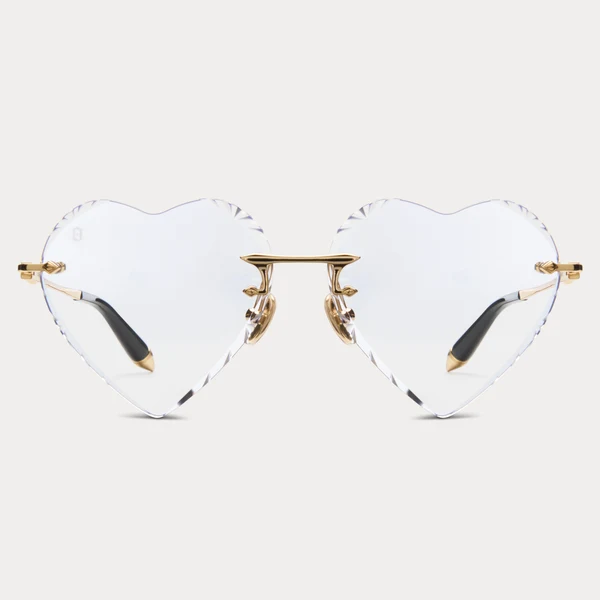
James Oro Clear Siren Lust
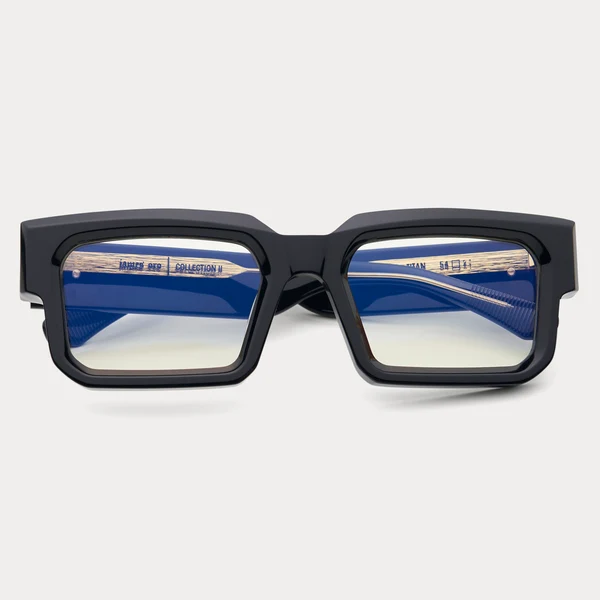
James Oro Blue Light Titan
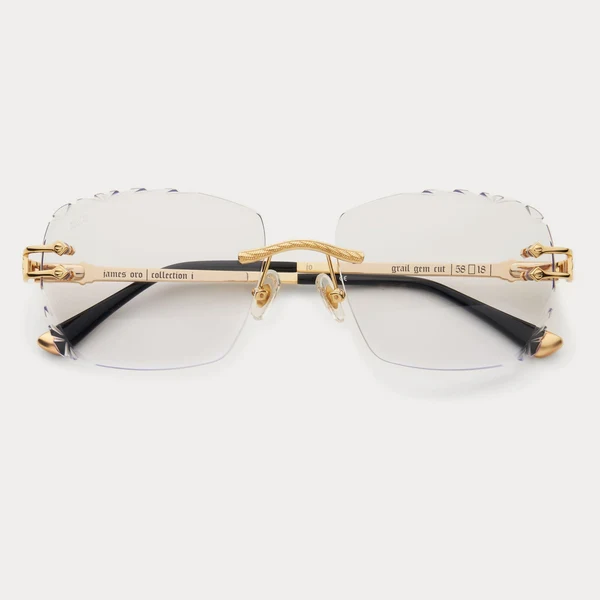
James Oro Clear Grail Gem Cut
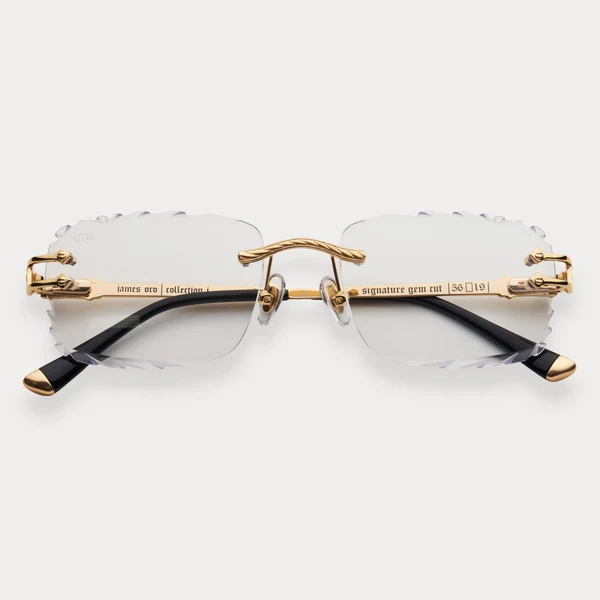
James Oro Clear Signature Gem Cut
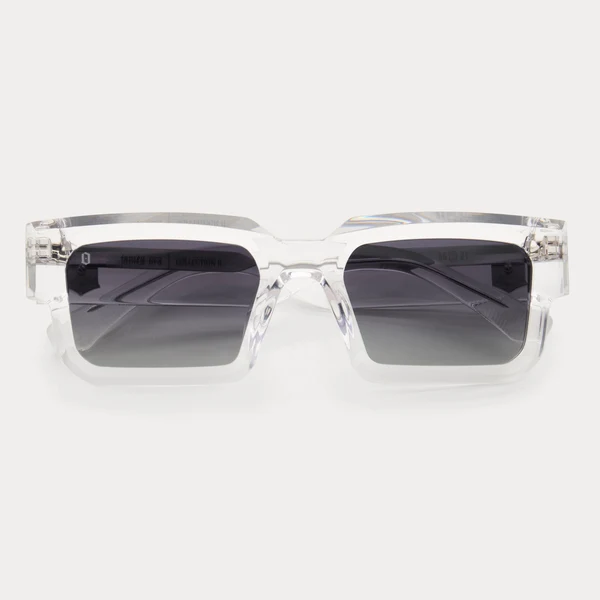
James Oro Clear Titan
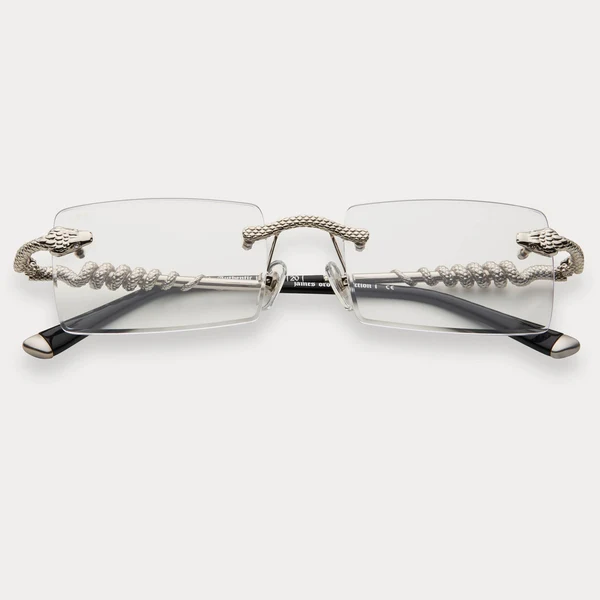
James Oro Clear Silver Serpent Authentic
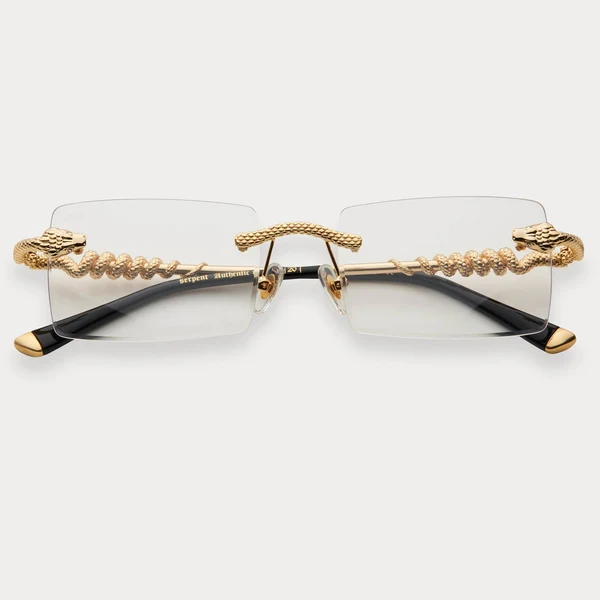
James Oro Clear Serpent Authentic
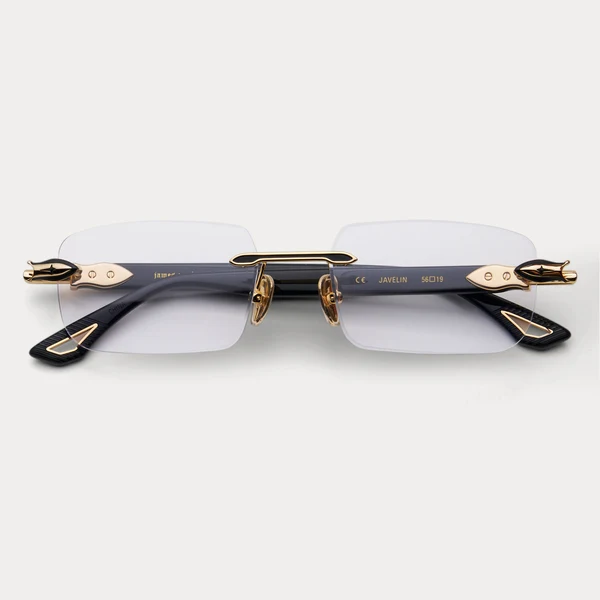
James Oro Clear Javelin
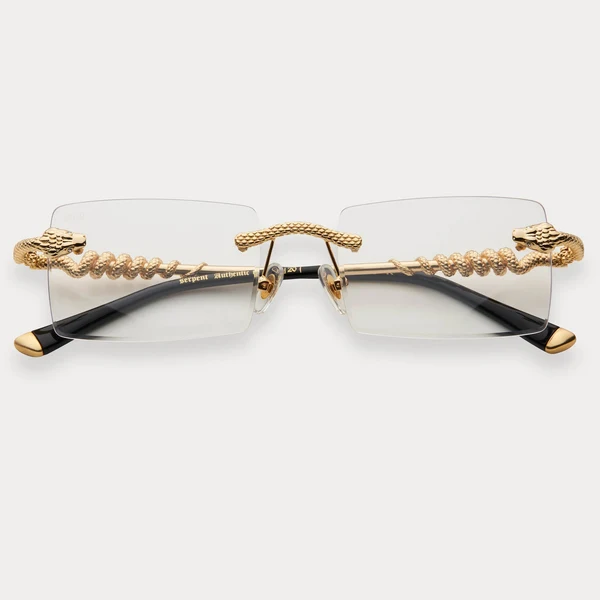
James Oro Clear Serpent Authentic XL
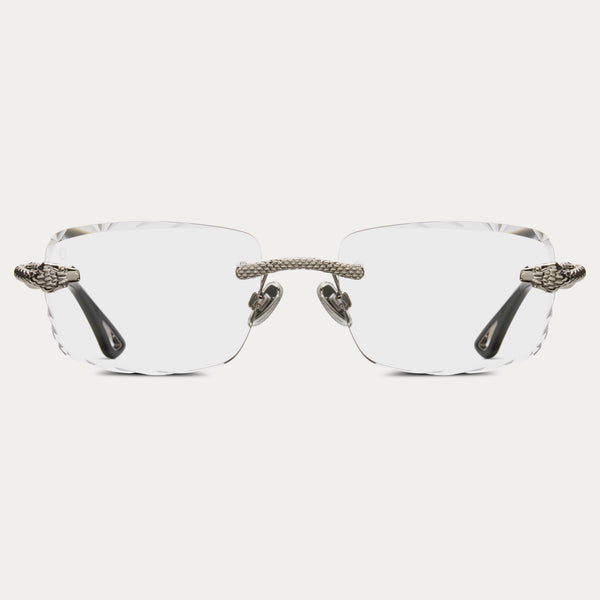
James Oro Clear Silver Serpent Gem Cut
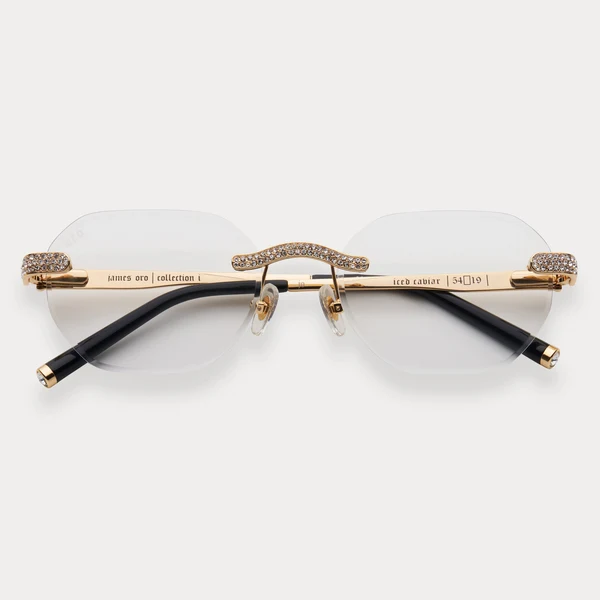
James Oro Iced Clear Opus
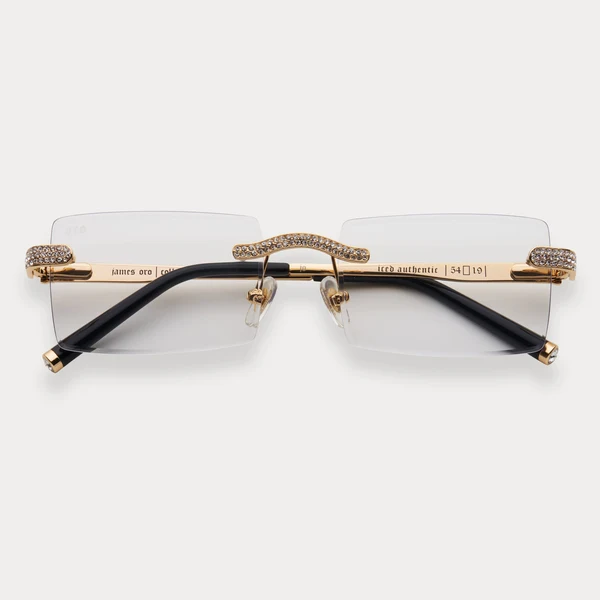
James Oro Iced Clear Authentic
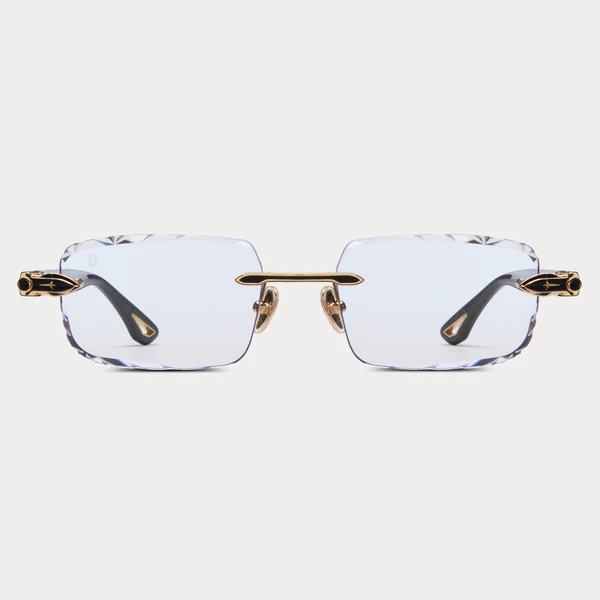
James Oro Clear Black Javelin Gem Cut
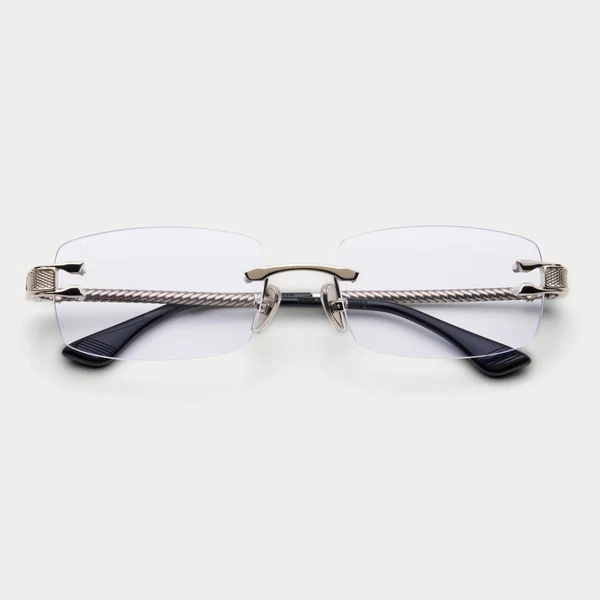
James Oro Clear Silver Magnus
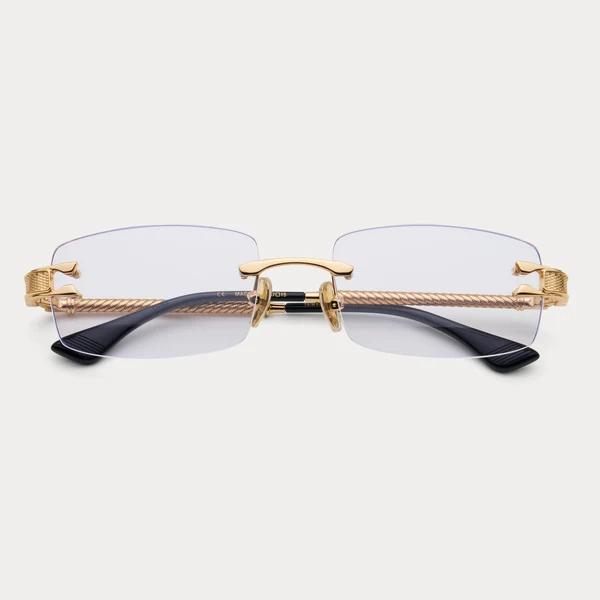
James Oro Clear Magnus
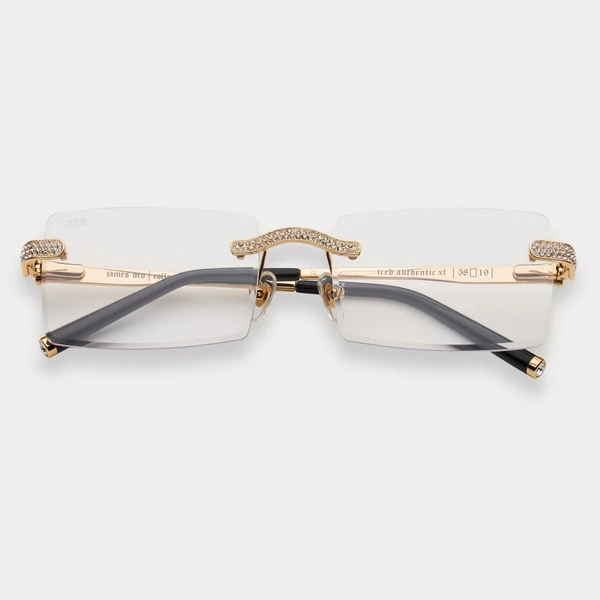
James Oro Iced Clear Authentic XL
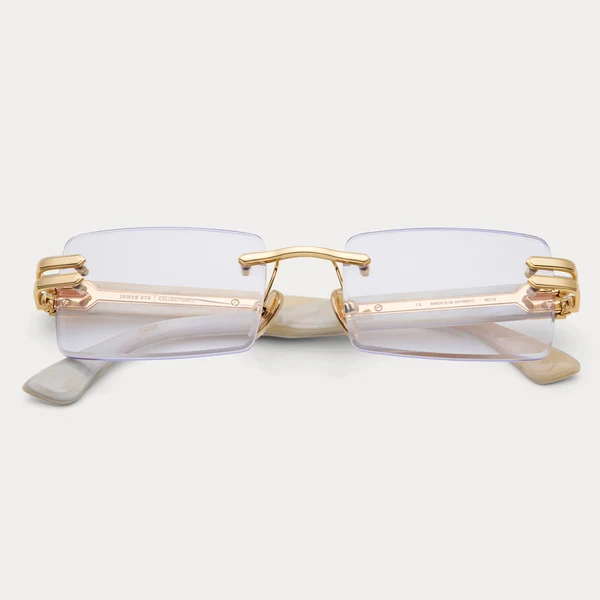
James Oro Clear Rare Blanc Baron
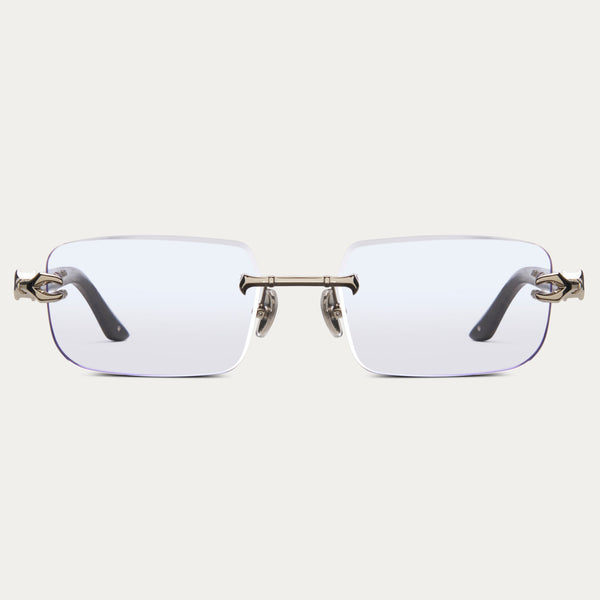
James Oro Clear Silver Hydra
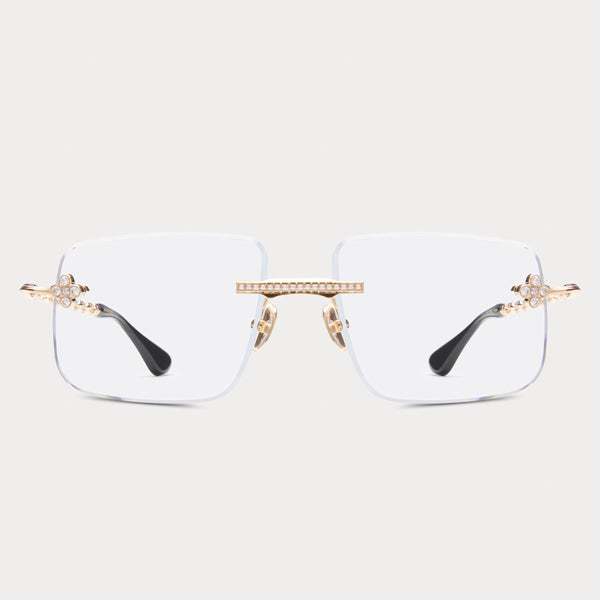
James Oro Clear Fortune
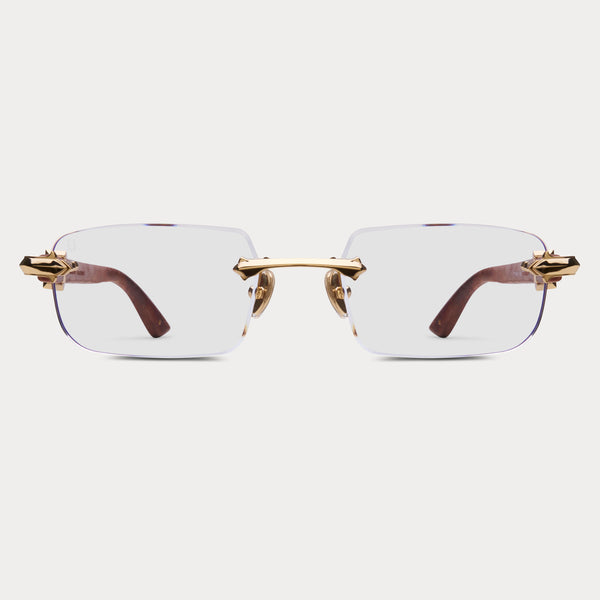
James Oro Clear Confidante
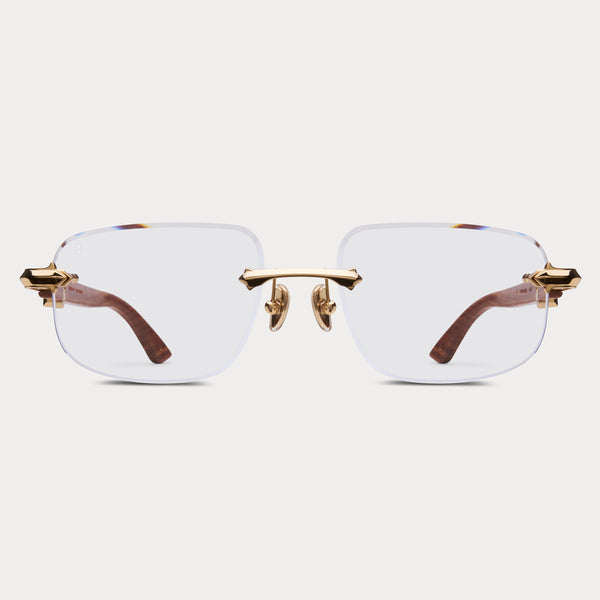
James Oro Clear Consigliere
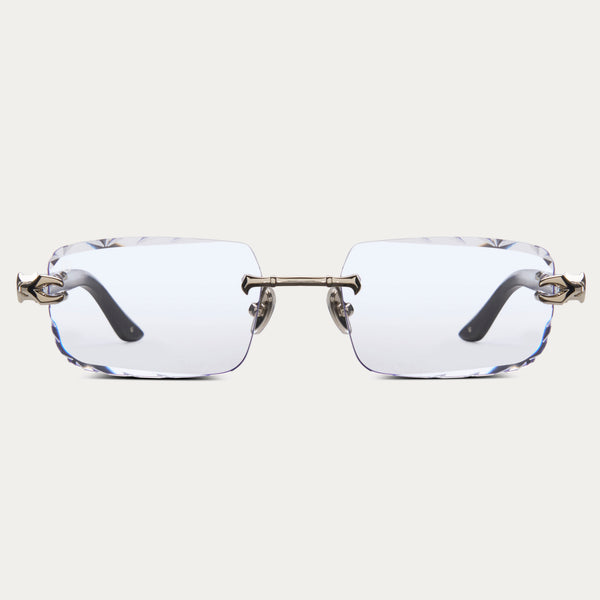
James Oro Clear Silver Hydra Gem Cut
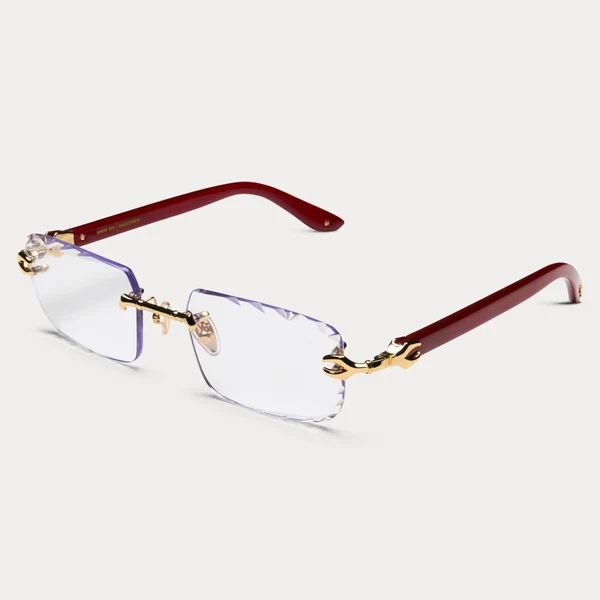
James Oro Clear Red Lacquer Hydra Gem Cut
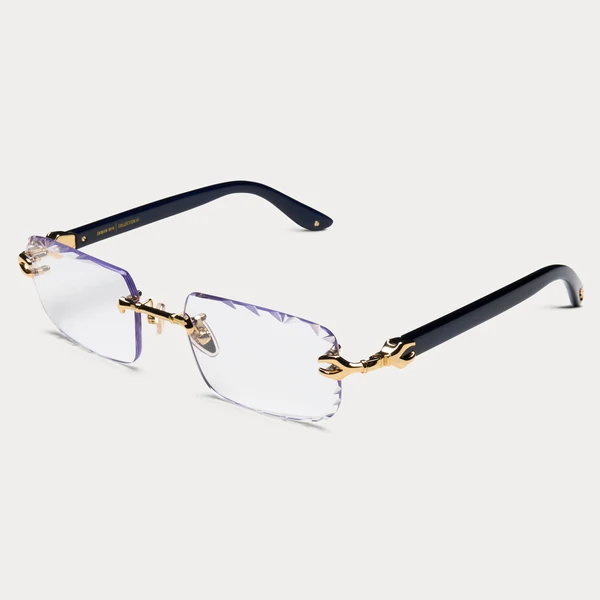
James Oro Clear Blue Lacquer Hydra Gem Cut
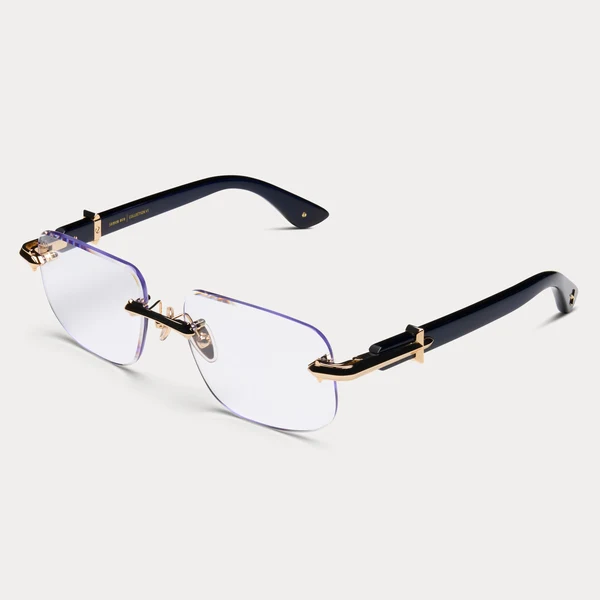
James Oro Clear Blue Lacquer Consigliere
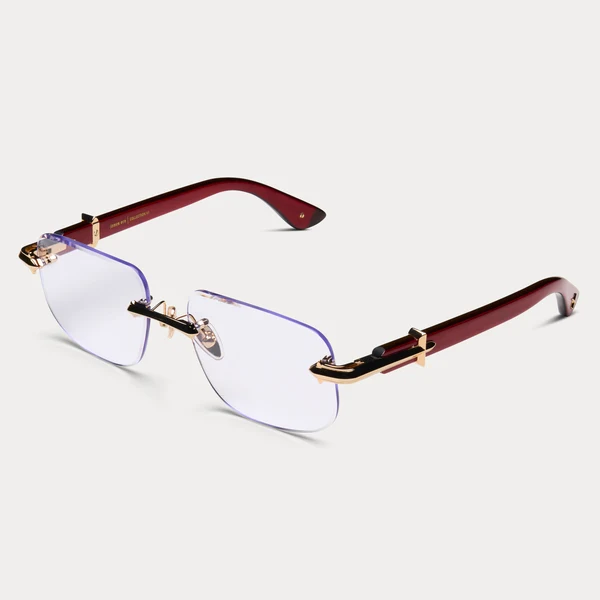
James Oro Clear Red Lacquer Consigliere
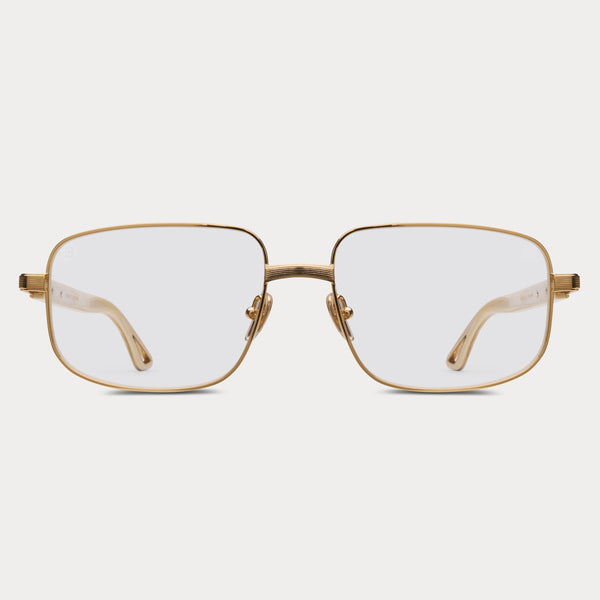
James Oro Clear Rare Blanc Cavalier
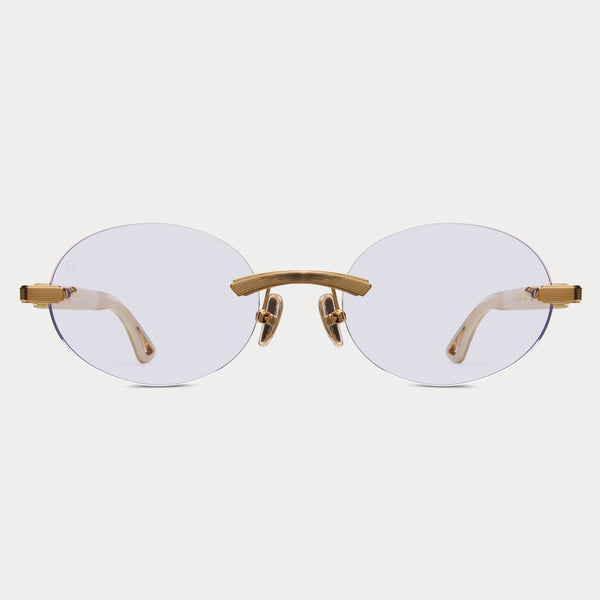
James Oro Clear Rare Blanc Royce
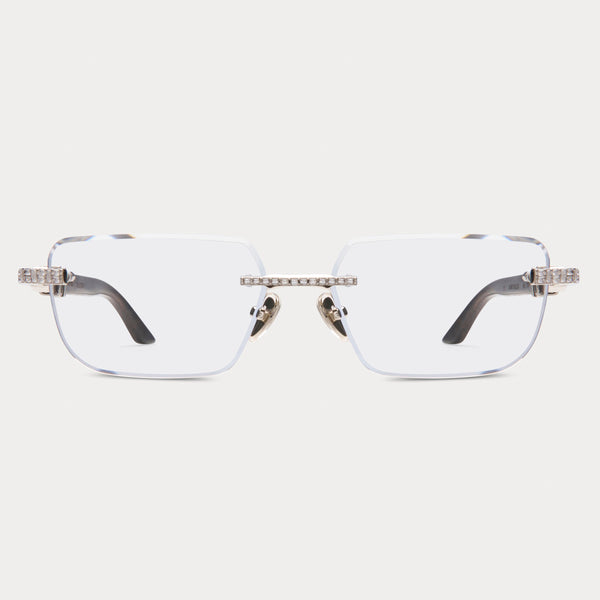
James Oro Clear Silver Bankroller
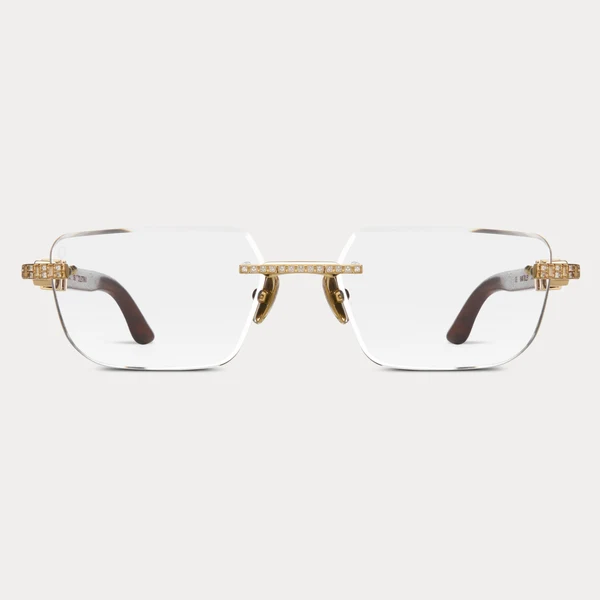
James Oro Clear Bankroller
Prescription lenses
James Oro does not glaze prescription lenses itself. Its homepage links to a partner site that offers prescription lenses for its frames, and the warranty explicitly excludes "any issue connected to the prescription lenses". The practical route most owners take is to buy the frame (a clear-lens version if you want to wear it meanwhile) and have a local optician fit lenses. That is straightforward on the full-rim acetate and metal frames. On rimless and gem-cut frames it is a specialist job: the lenses are drilled, the gem-cut facets cannot be reproduced on a replacement lens, and some opticians will decline the work. If you need a prescription, choose a full-rim model.
Tint colors and what they do
- Grey and black tints keep colors true and are the most versatile for driving.
- Brown and amber (Old Money, Amber, Champagne) increase contrast and are the usual choice for overcast light and for the gold-hardware colorways.
- Green (Emerald, Absinthe, Jade) sits between the two, with good contrast and little color shift.
- Blue, red, pink and mirror tints are fashion lenses: fine for sun protection if rated UV 400, but they shift colors and are poor for driving at dusk.
Bottom line
Read the first words of the name to know what lens you are getting, add $30 for polarized only if glare is a real problem in your life, treat the clear versions as glasses rather than sunglasses, and pick a full-rim model if you plan to have prescription lenses fitted. The materials guide covers the frame side of the decision.