
James Oro builds its frames three ways: thick acetate fronts, metal or mixed-material fronts, and rimless chassis where only the bridge and temples hold the lens. The same colorway often exists in more than one construction, and the price band barely moves between them, so the choice is about how the frame wears rather than what it costs. This guide compares the three, then lists every current model in each.
The short answer
What the three constructions are
Acetate. James Oro lists its acetate fronts as 8 mm triacetate cellulose (7 mm on the Hunnids), with five-barrel stainless-steel hinges, a brushed stainless wire core running through the temples and an enamel-filled metal emblem. Eight millimetres is thick: most mainstream acetate frames are 4–6 mm. That thickness is what gives the Titan, Dune and Caliber their sculpted bevels, and it is also why they weigh more than a wire frame.
Metal and mixed material. Metal models use stainless-steel fronts finished in gold or silver (the store says 18K gold plating on several), often with titanium nose pads. Mixed-material models such as the Javelin, Nighthawk, Navigator and Skymaster combine a metal front or bridge with acetate temples or brows. They sit lighter on the face, and a metal bridge with nose pads can be adjusted by an optician, which a one-piece acetate bridge cannot.
Rimless and gem cut. The Authentic II, Serpent, Grail, Signature and Opus have no rim at all: a stainless-steel bridge and two temples are drilled into nylon lenses rated UV 400. "Gem cut" means the lens edge is bevelled into facets that catch light; "iced" adds set stones to the temples. Up the range the same chassis gets wood temples (Hydra, Consigliere, Confidante), buffalo horn (Cavalier, Royce, Duke) or set stones in the mounts (Bankroller, Fortune, Mercenary).
Side by side
| Acetate | Metal / mixed | Rimless / gem cut | |
|---|---|---|---|
| Look | Bold, sculpted, heavy bevels | Gold or silver hardware, thinner lines | Lens-forward, jewelry-like |
| Weight on the face | Highest | Medium | Lowest |
| Fit adjustment | Limited (heat-adjust temples only) | Nose pads and bridge adjustable | Nose pads adjustable; lens mounts are fixed |
| Durability | Very robust; can crack if sat on | Robust; plating can wear at contact points | Most delicate; drill mounts are the weak point |
| Prescription re-lensing | Easy for any optician | Easy | Specialist job; gem-cut edges cannot be reproduced |
| Models at James Oro | 162 | 90 | 127 |
| Price from | $55 | $85 | $99 |
| Typical price | $165 | $195 | $175 |
Where acetate wins
- Presence. The 8 mm front is the whole point of the Titan and Dune; nothing in the metal or rimless range looks as substantial.
- Toughness. Thick acetate with a wire core shrugs off daily knocks better than drilled lenses or thin wire.
- Re-lensing. A full-rim acetate frame is the easiest to send to an optician for prescription lenses.
- Choice. It is the largest group in the catalog, and the Titan and Dune alone have more than 25 colorways between them.
Where metal and mixed win
- Weight. If you wear sunglasses all day, a wire or mixed front is noticeably easier on the nose.
- Fit. Adjustable nose pads and a bendable bridge mean an optician can tune the fit; acetate is take-it-or-leave-it.
- The aviator shapes. The Nighthawk, Skymaster, Cruise, Intake and Cavalier are all metal or mixed; there is no acetate-only aviator in the range.
Where rimless and gem cut win
- The signature look. The Authentic II is the frame James Oro is known for, and the gem-cut lens edge is something mainstream brands do not offer.
- Lightness. Nothing lighter exists in the range.
- Detail. Serpent mounts, rope-chain temples, wood and horn, set stones: the exotic materials are almost all on rimless chassis.
The things people get wrong
"Rimless means fragile." Rimless frames survive normal wear fine; what they do not survive is being sat on, and a cracked drill hole is not repairable. Keep them in the case.
"Acetate will fit everyone." The acetate models are the widest in the range, with several at 150 mm and up. Check the front width against your face first; our size guide has the numbers.
"Metal is cheaper." Not here: full-price metal and mixed models sit at the same $165–$195 as acetate, and the wood, horn and stone-set versions are the most expensive frames in the catalog.
James Oro acetate frames
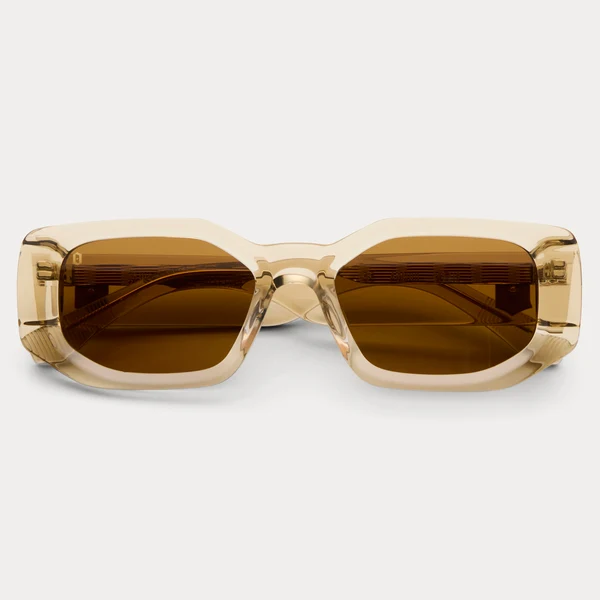
James Oro Champagne Amour
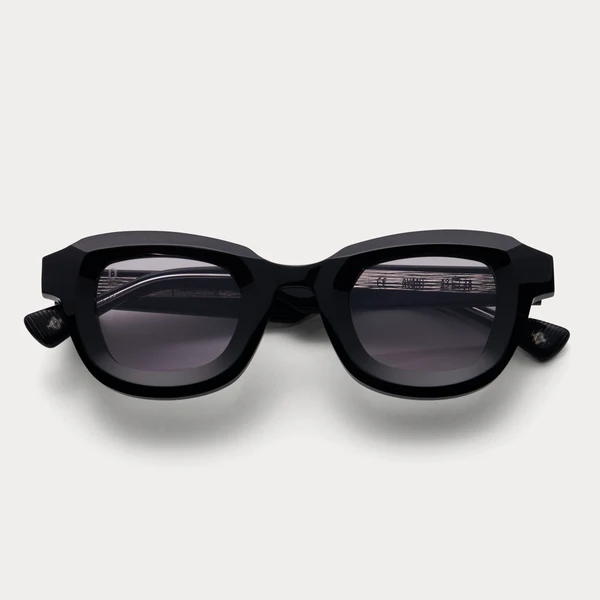
James Oro Shadow Noir | Avant
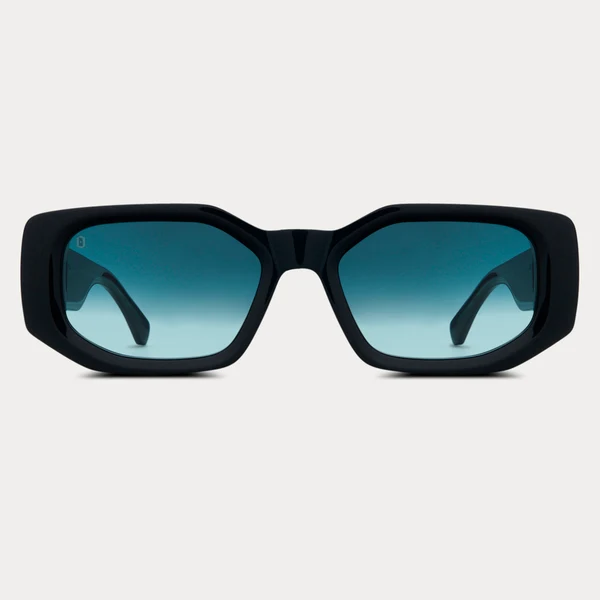
James Oro Emerald Amour
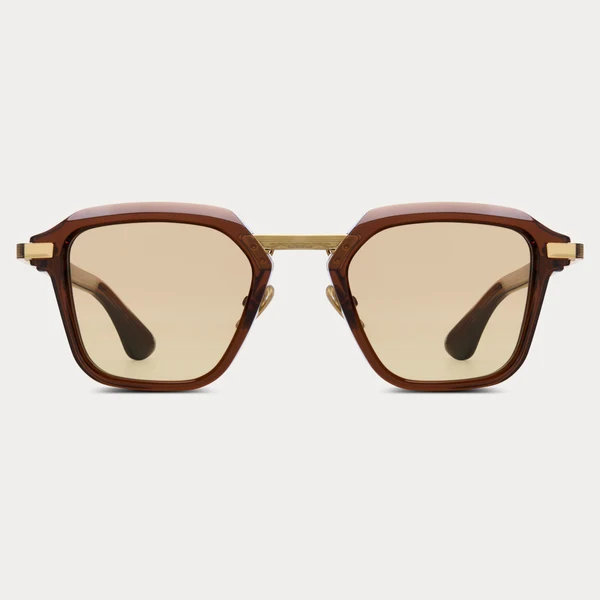
James Oro Reserve Savant
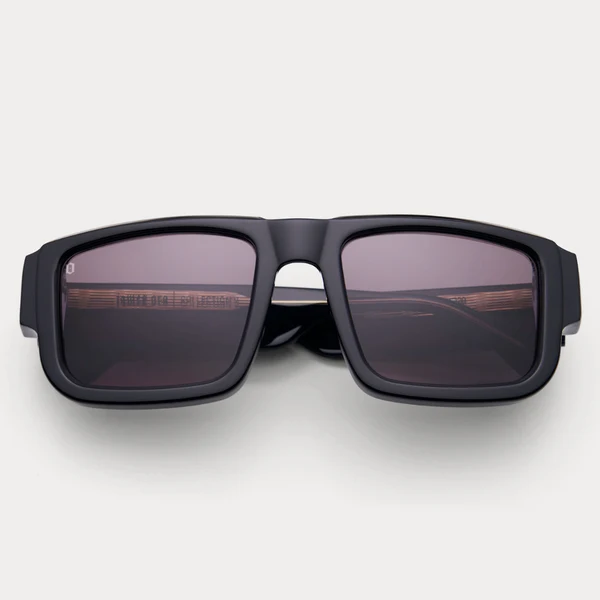
James Oro Black Caliber
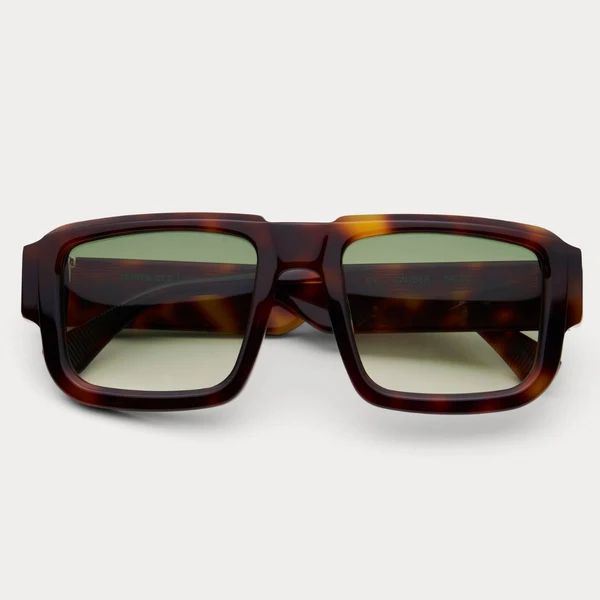
James Oro Old Money Caliber
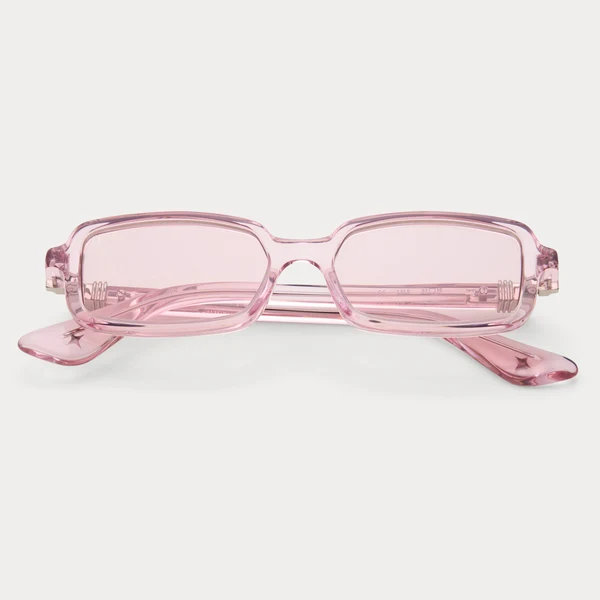
James Oro Candy Pink Lala
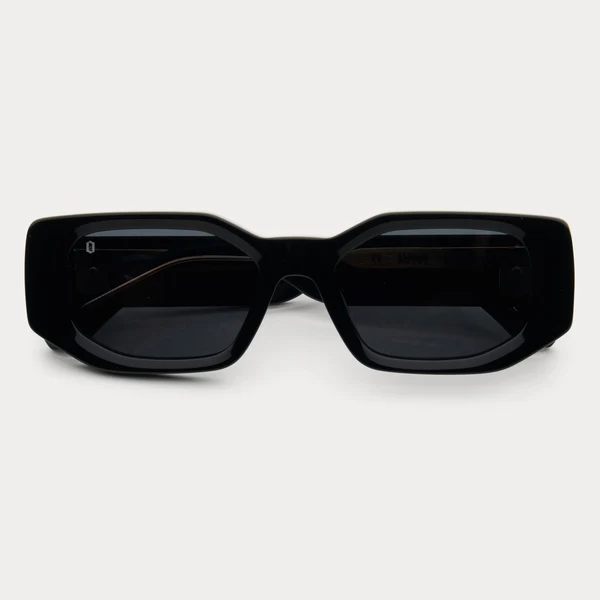
James Oro Black Amour
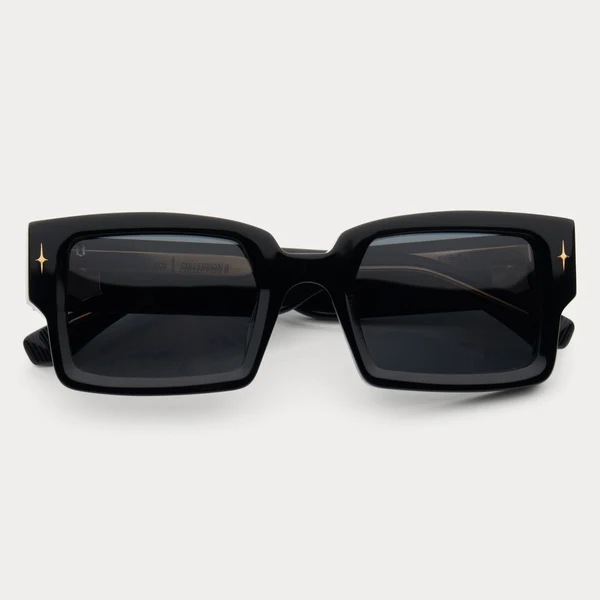
James Oro Black Icon
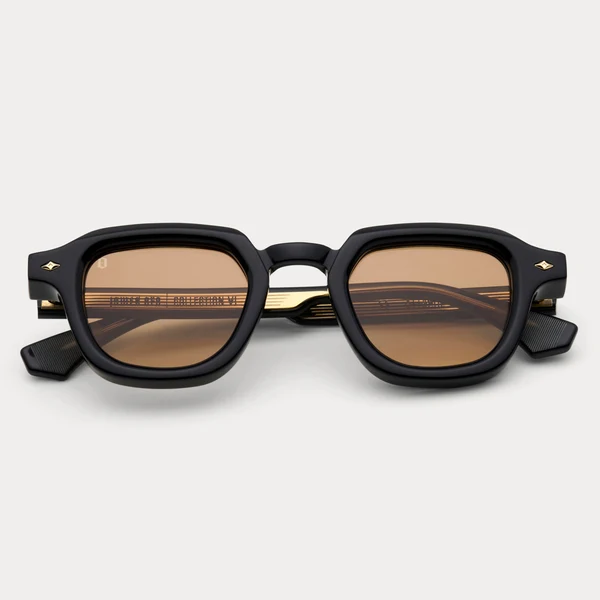
James Oro Amber Attaché
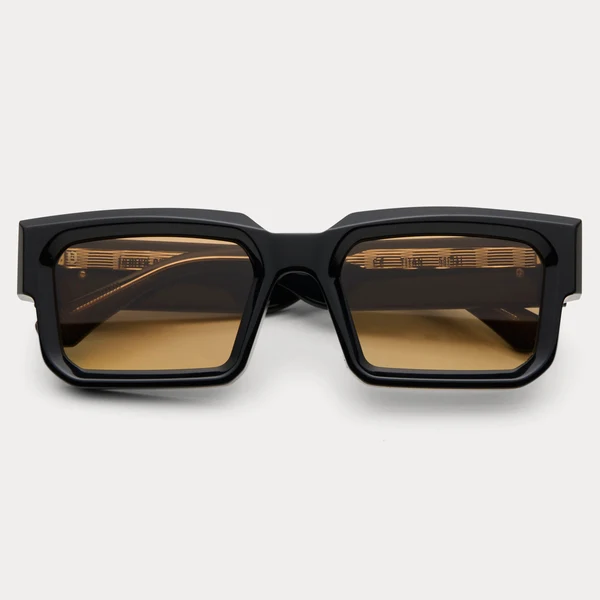
James Oro Amber Titan
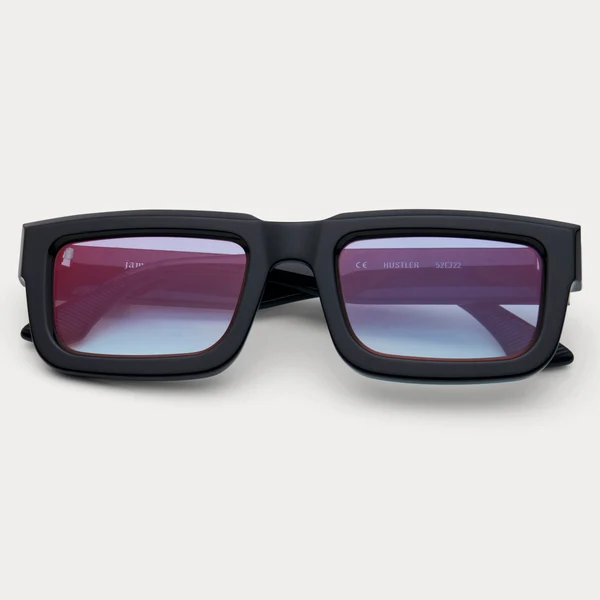
James Oro Dark Blue Flash Hustler
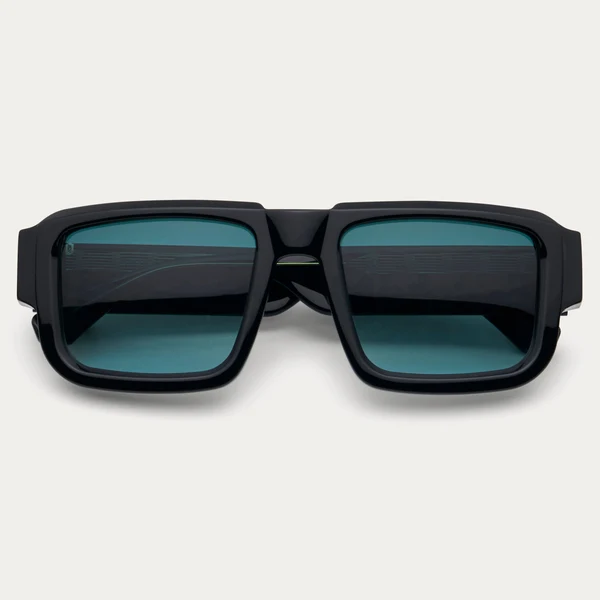
James Oro Emerald Caliber
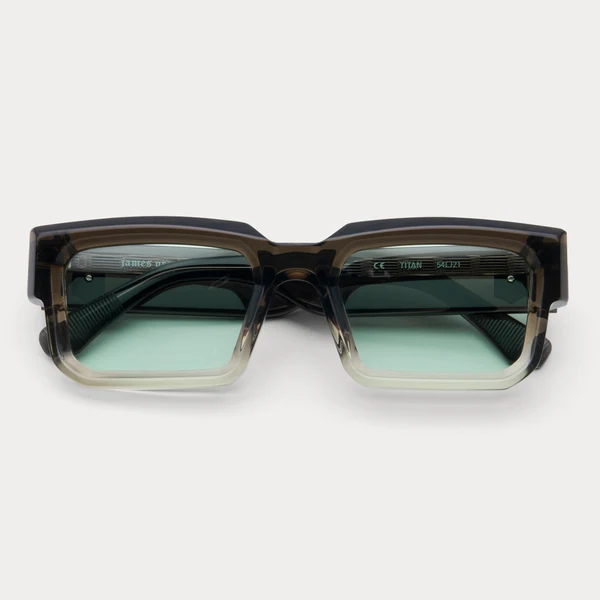
James Oro Alpine | Titan
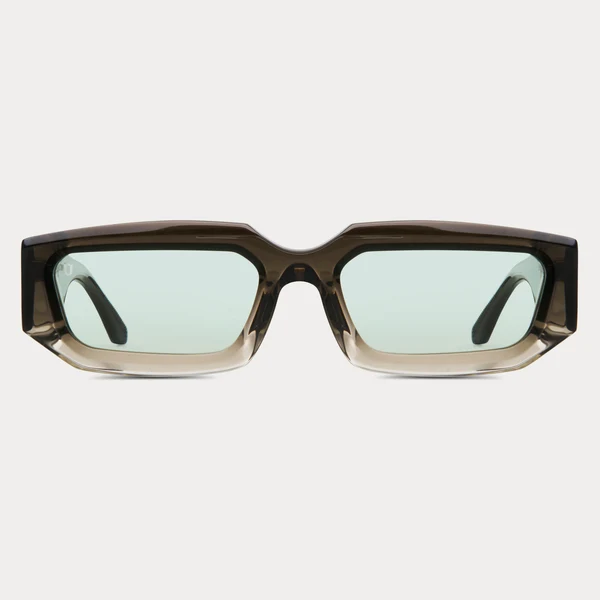
James Oro Alpine | Dune
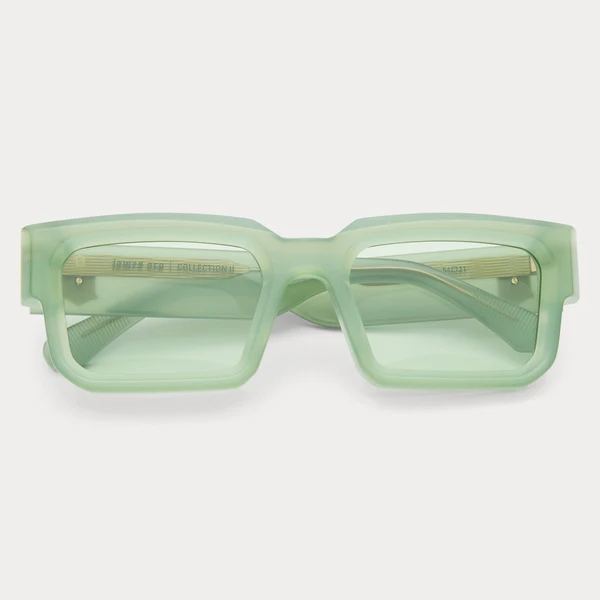
James Oro Jade Titan
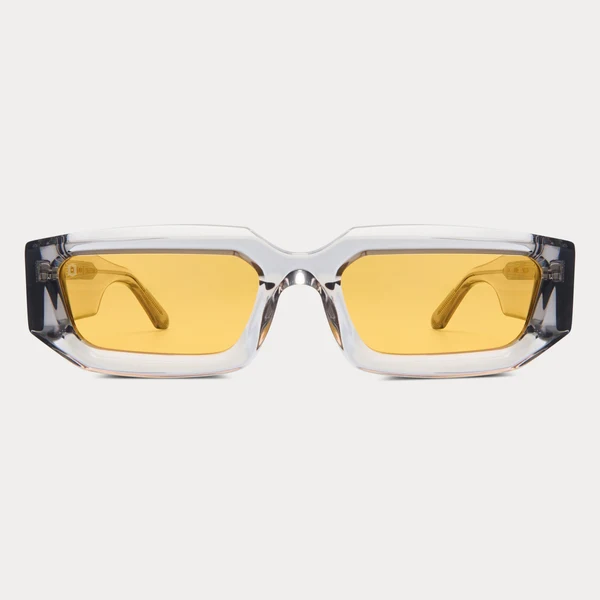
James Oro Citrine Dune
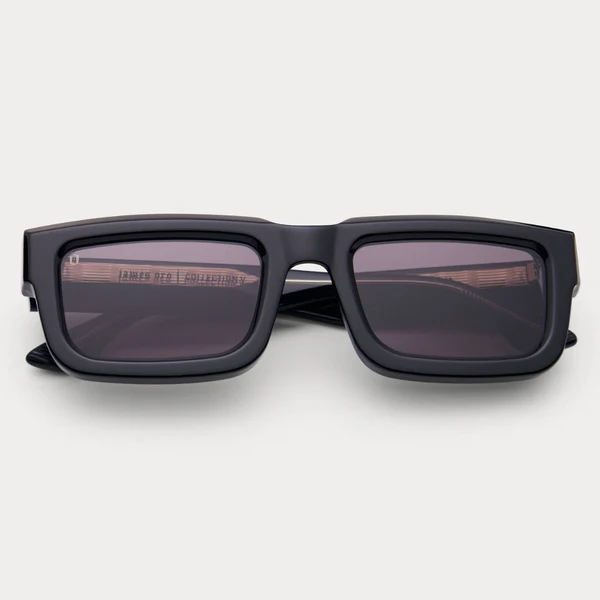
James Oro Black Hustler
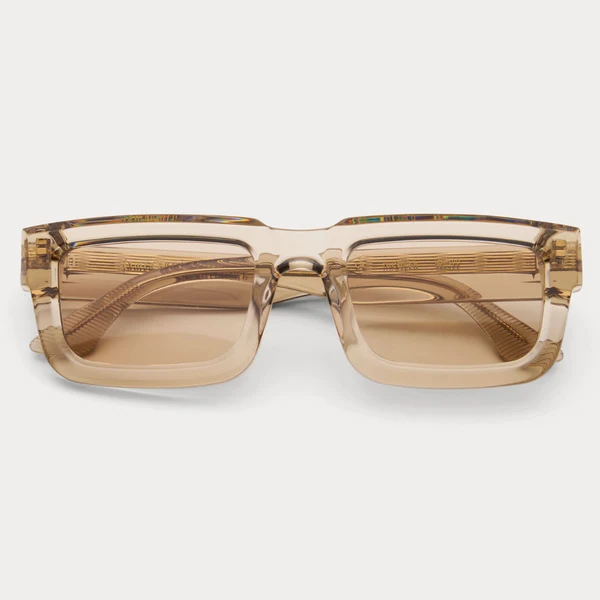
James Oro Champagne Hustler
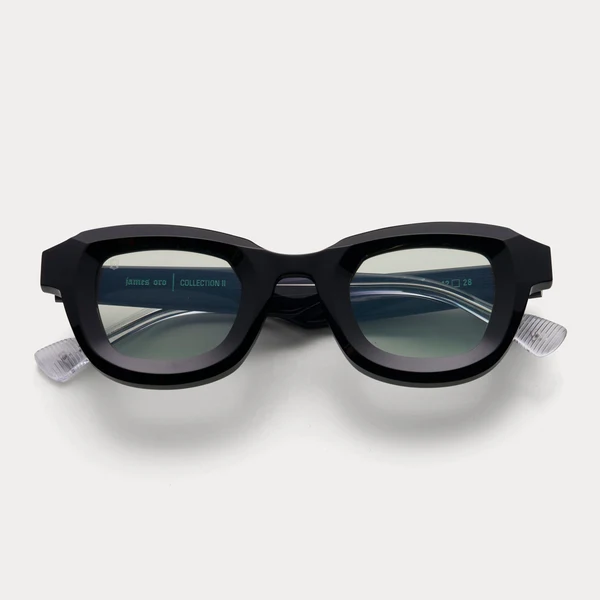
James Oro Alpine | Avant
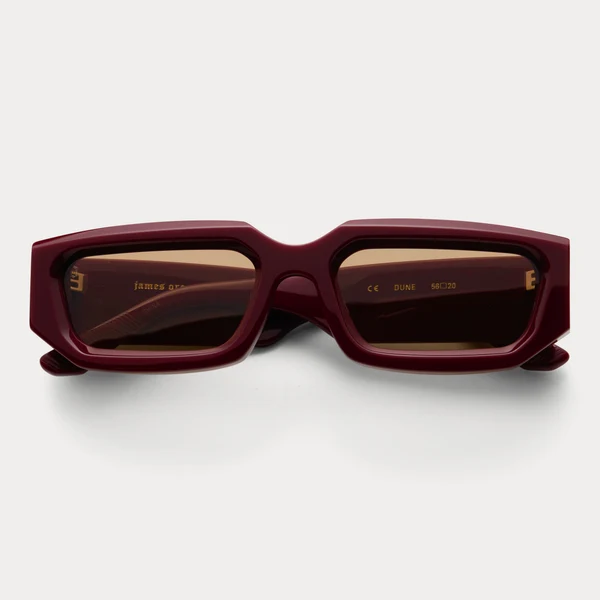
James Oro Bordeaux Dune
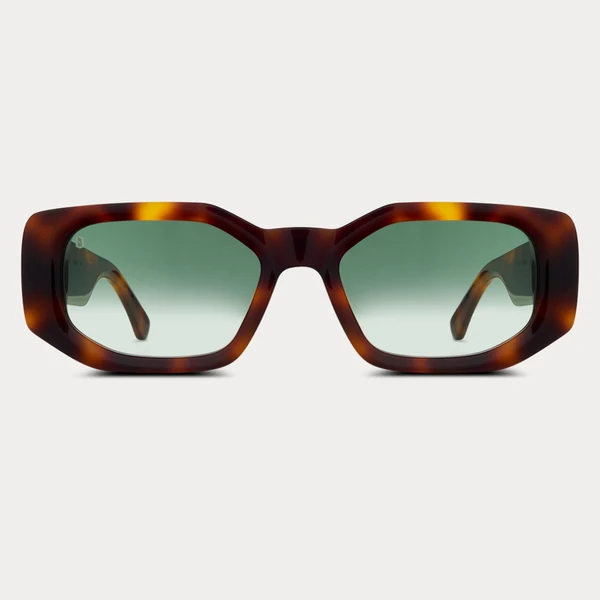
James Oro Old Money Amour
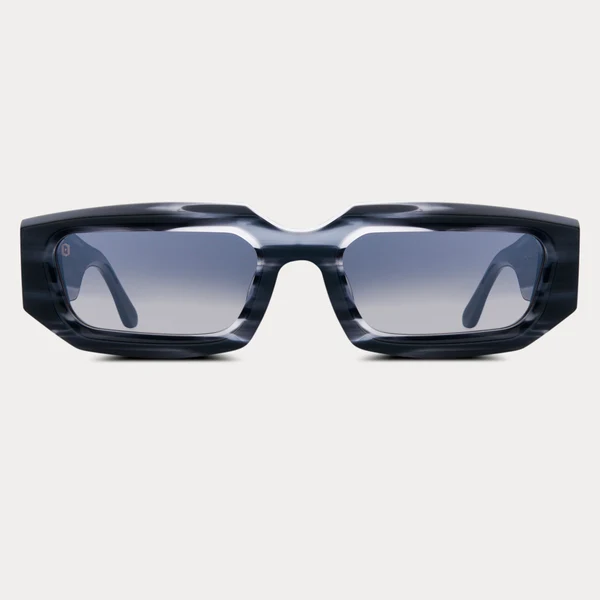
James Oro Smoke & Mirrors Dune
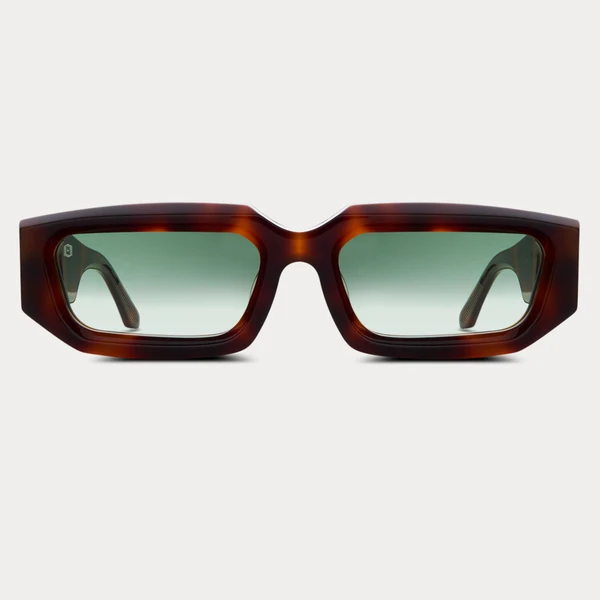
James Oro Old Money Dune
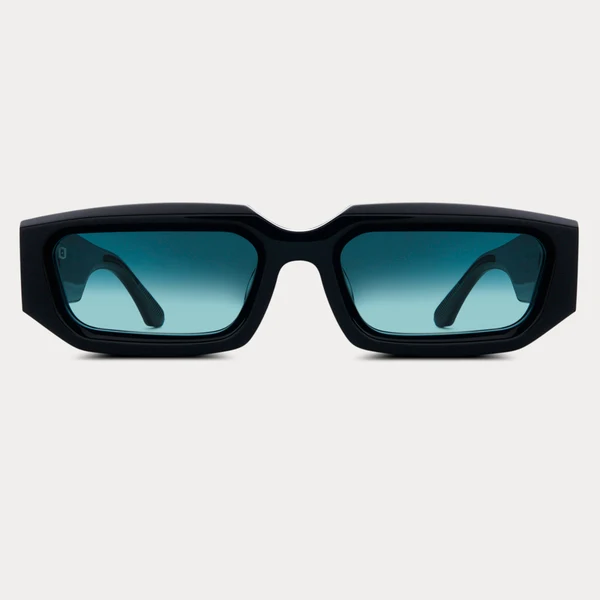
James Oro Emerald Dune
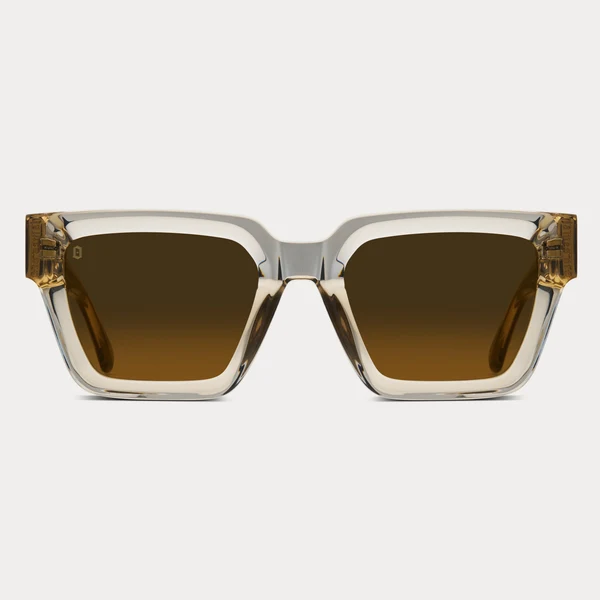
James Oro Champagne Hunnids
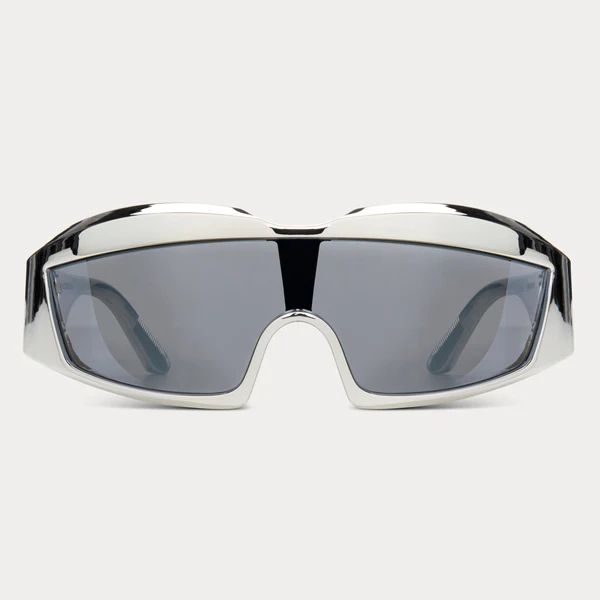
James Oro Chrome Brinx
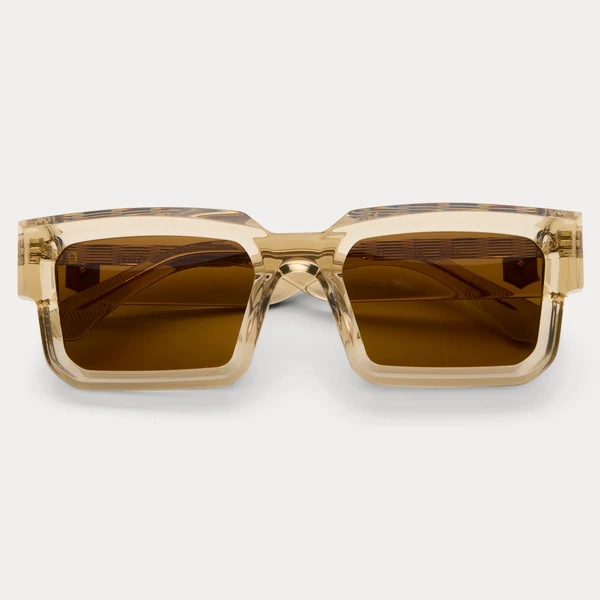
James Oro Champagne Titan
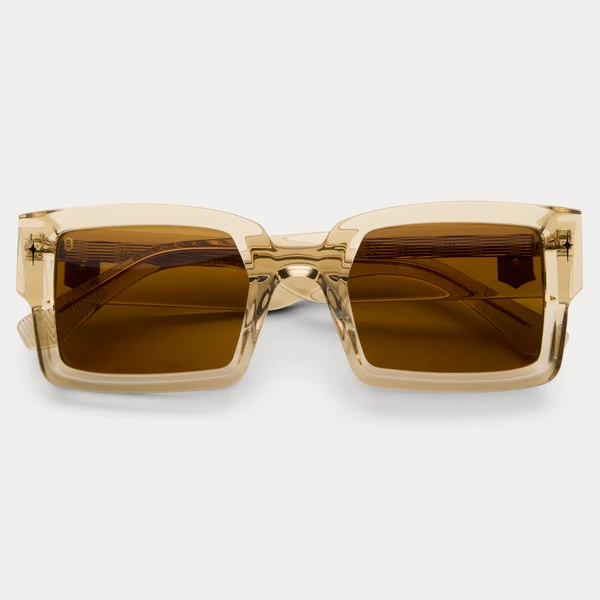
James Oro Champagne Icon
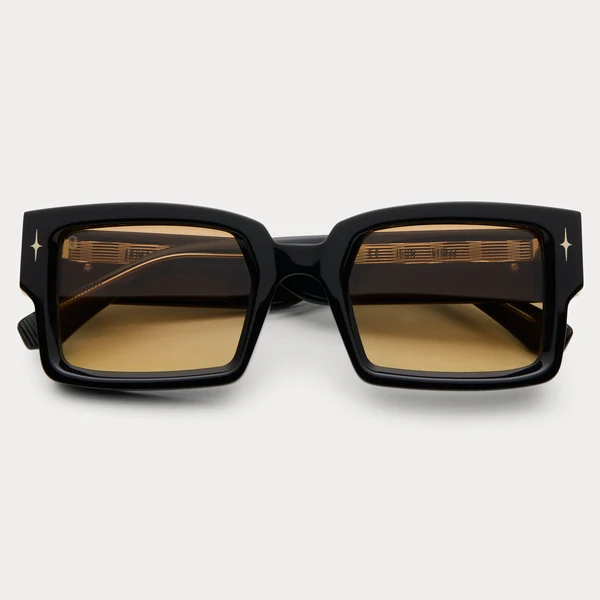
James Oro Amber Icon
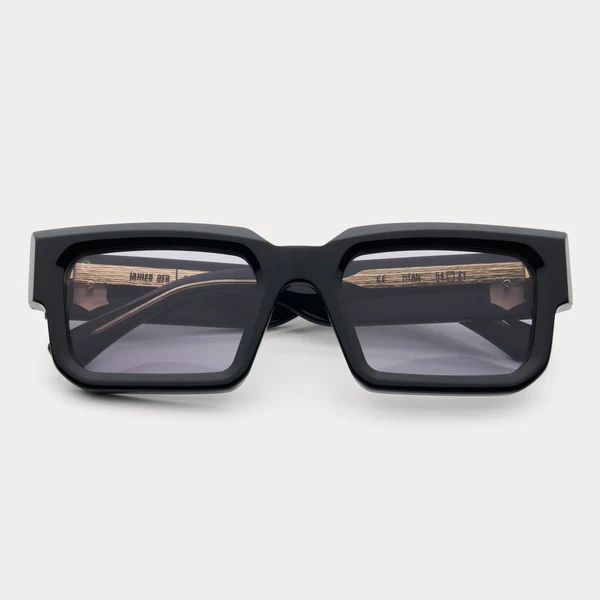
James Oro Shadow Noir | Titan
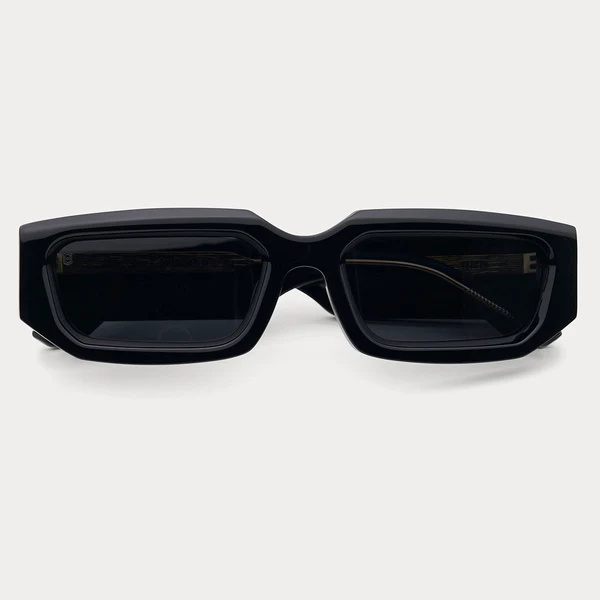
James Oro Black Dune
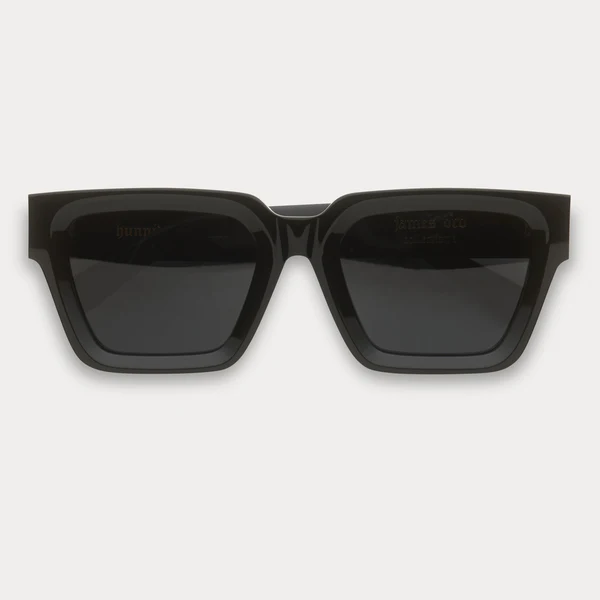
James Oro Black Hunnids
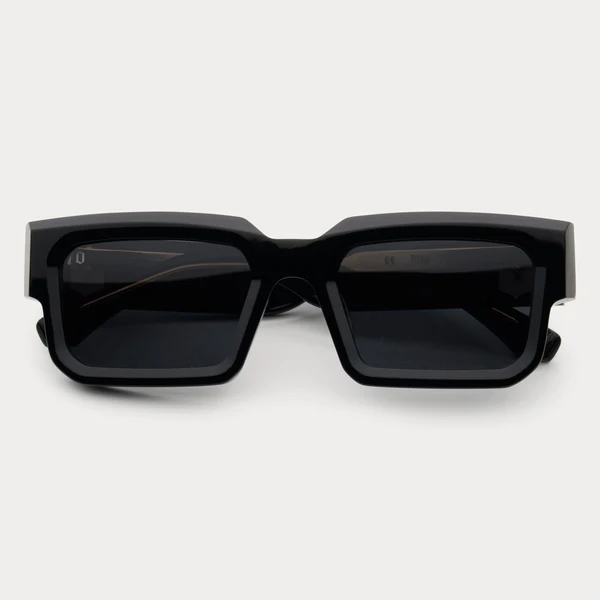
James Oro Black Titan
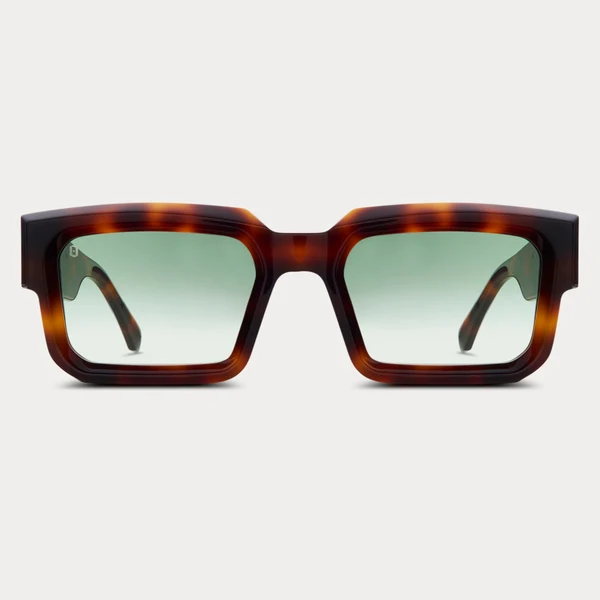
James Oro Old Money Titan
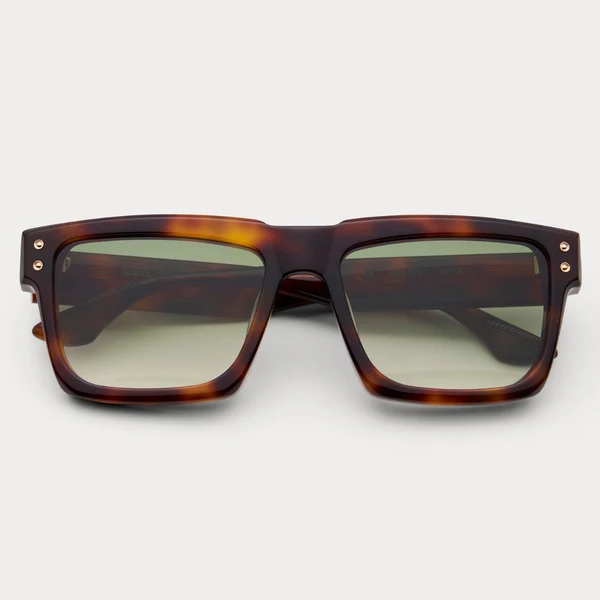
James Oro Old Money Atlas
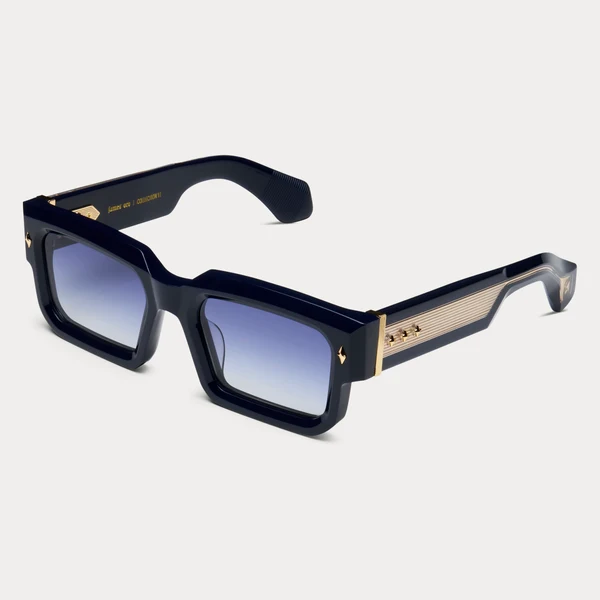
James Oro Deep Marine Legacy Titan
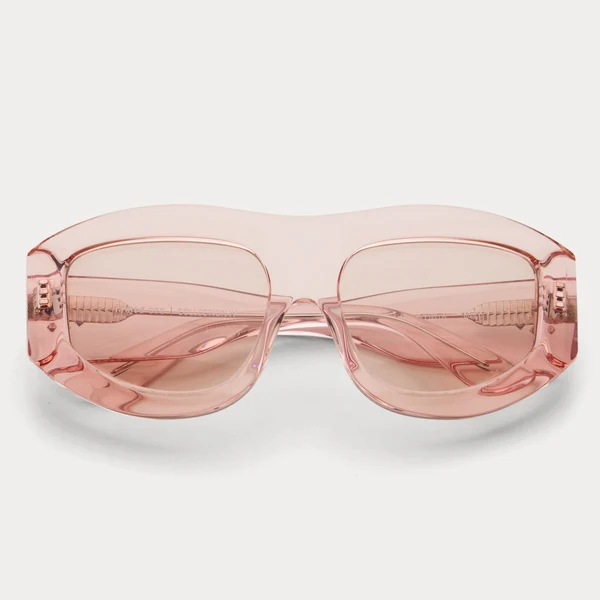
James Oro Candy Pink Zenith
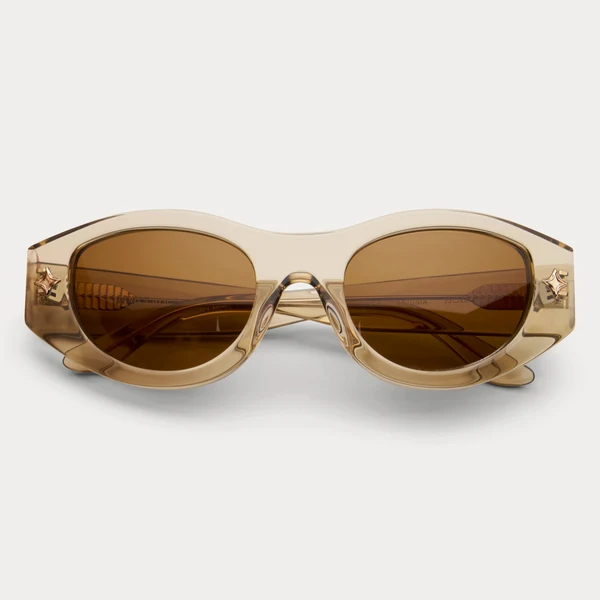
James Oro Champagne Enigma
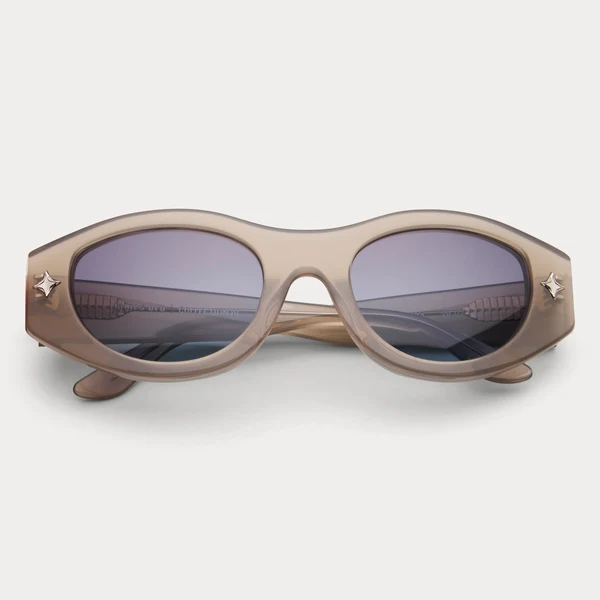
James Oro Thundercloud Enigma
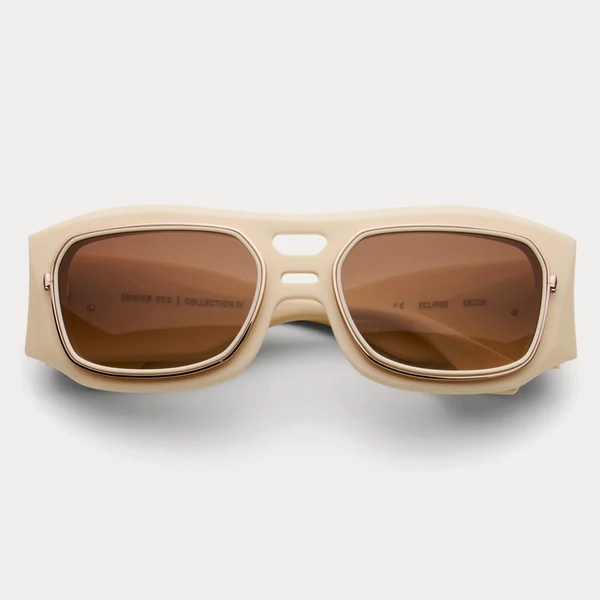
James Oro Bone Eclipse
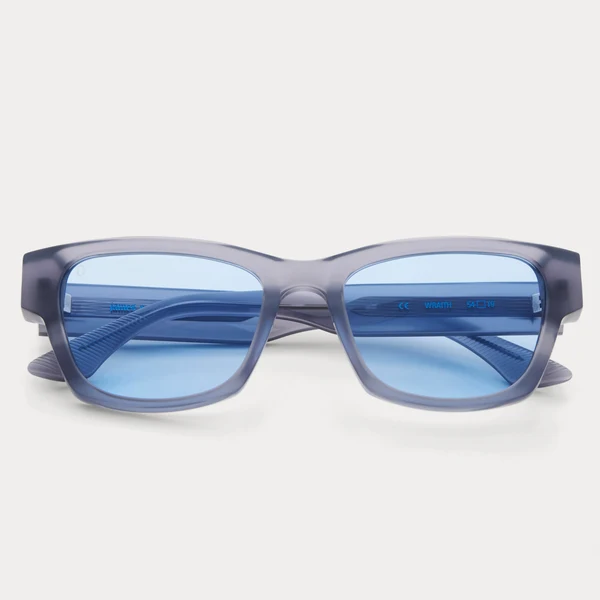
James Oro Skyline Wraith
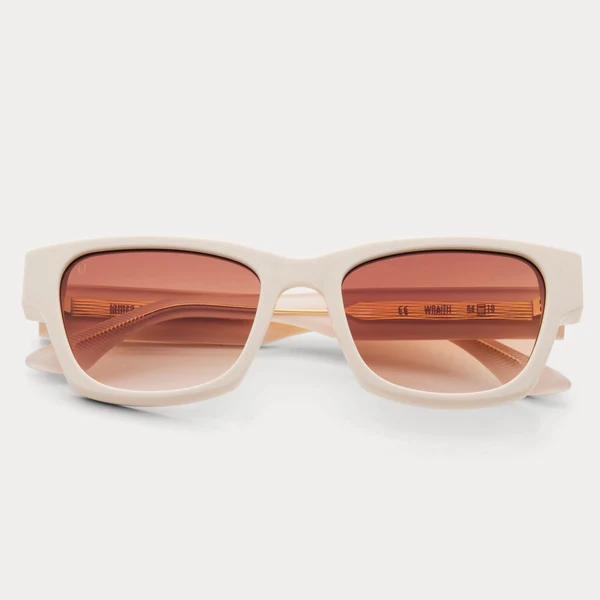
James Oro Bone Wraith
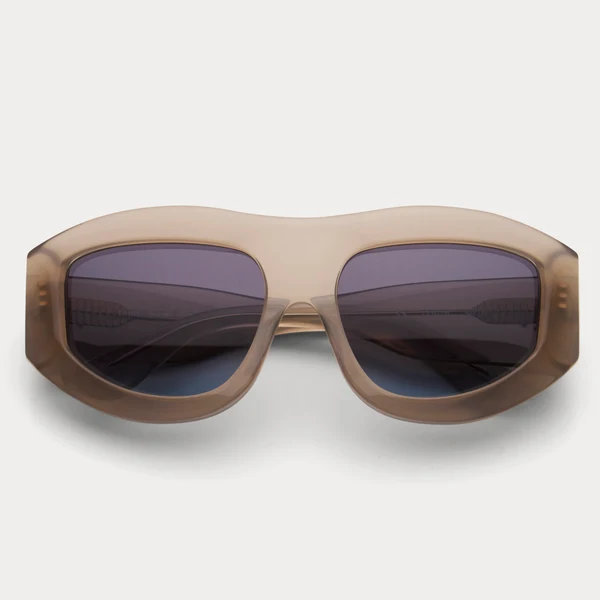
James Oro Thundercloud Zenith
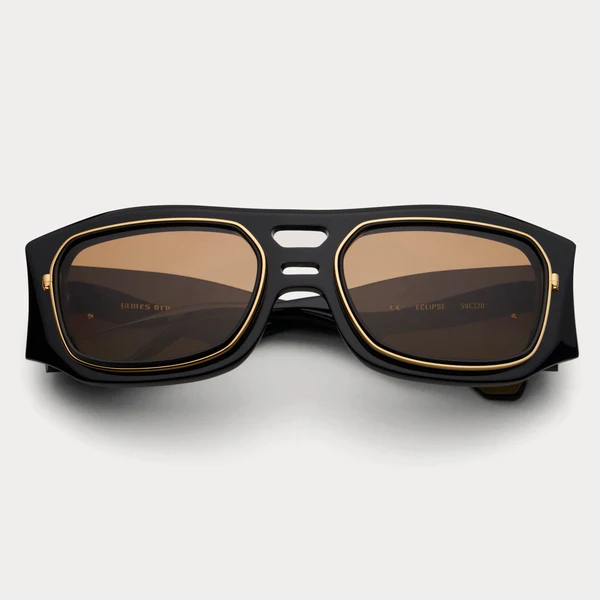
James Oro Amber Eclipse
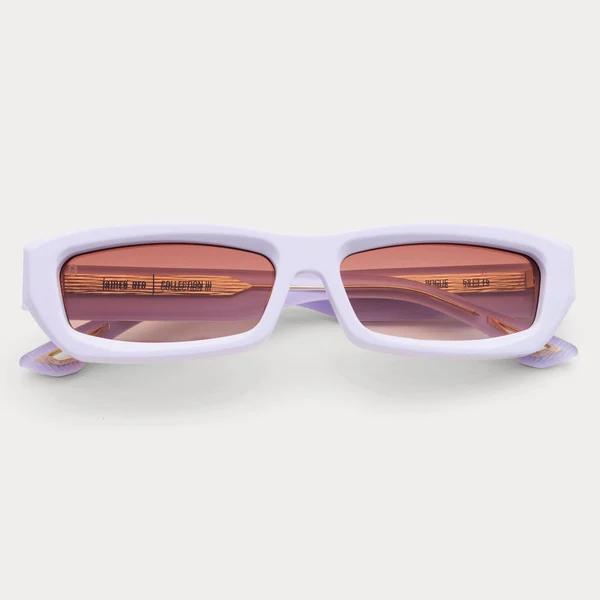
James Oro Brown Tint White Rogue
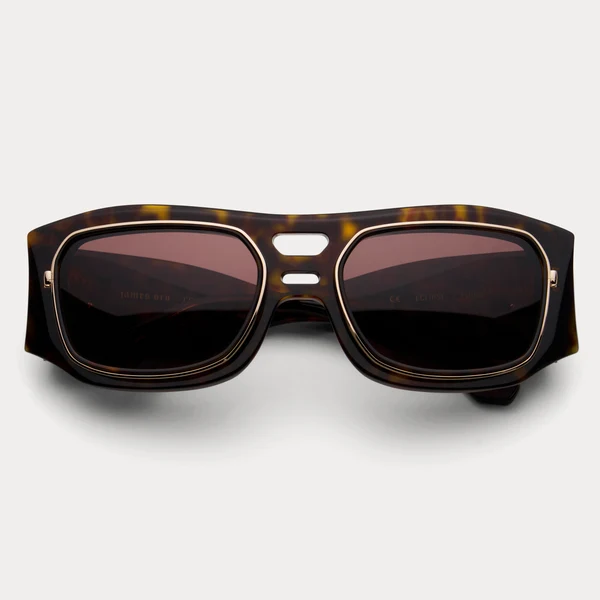
James Oro Tortoise Eclipse
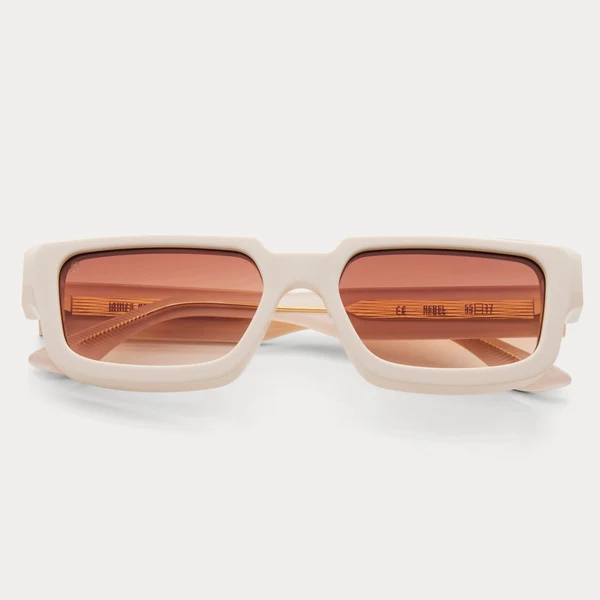
James Oro Bone Rebel
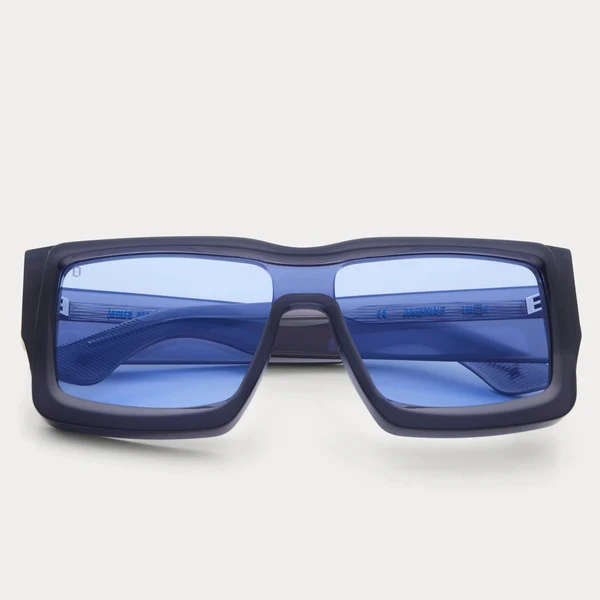
James Oro Skyline Juggernaut
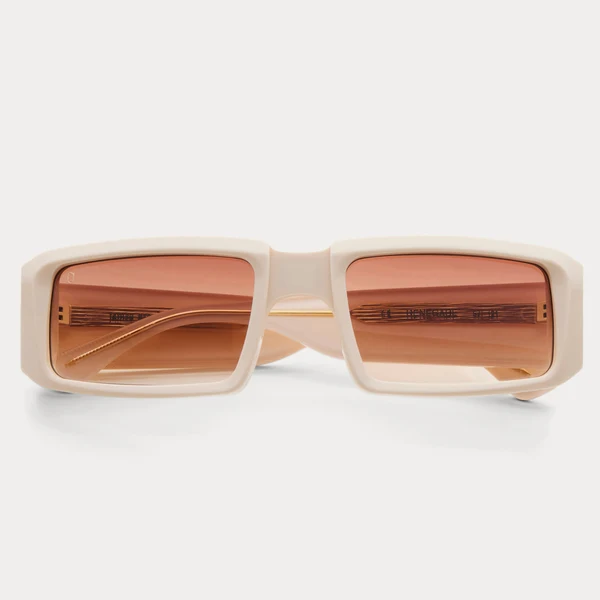
James Oro Bone Renegade
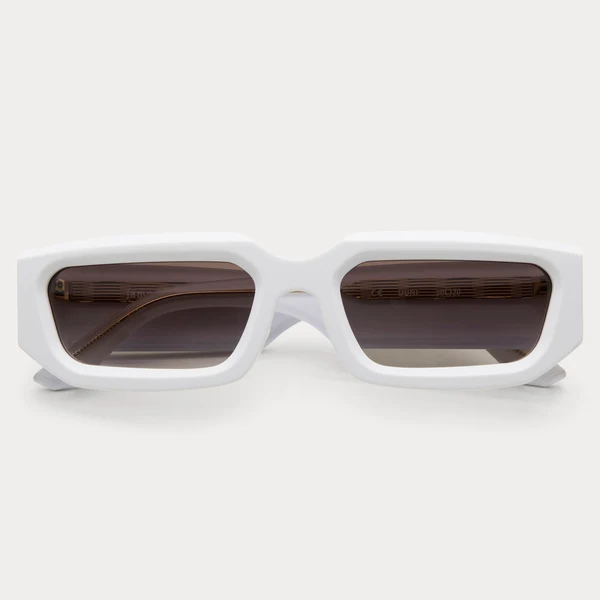
James Oro White Dune
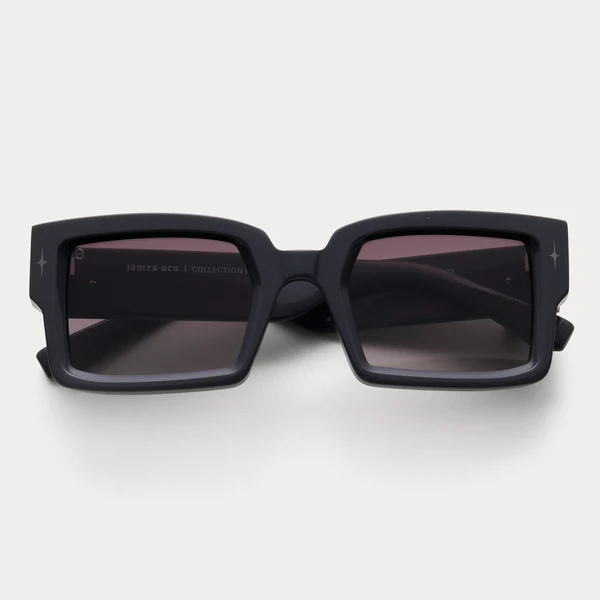
James Oro Storm Grey Icon
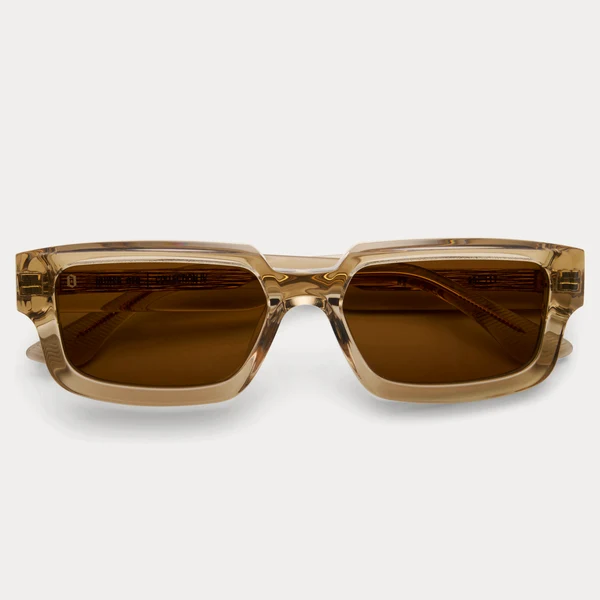
James Oro Champagne Rebel
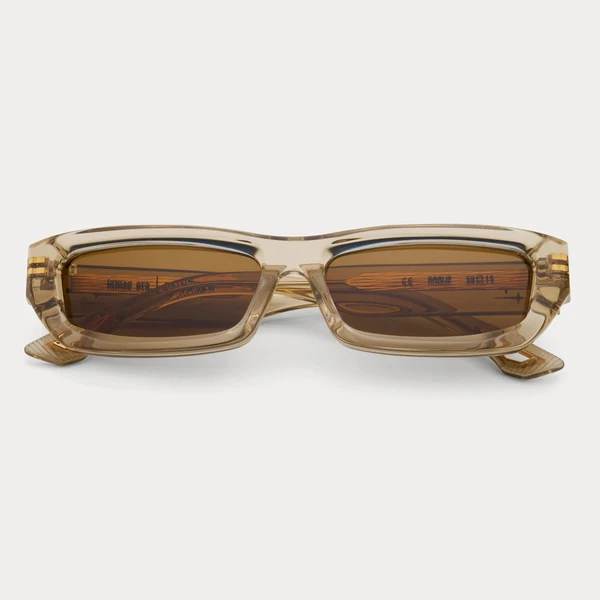
James Oro Champagne Rogue
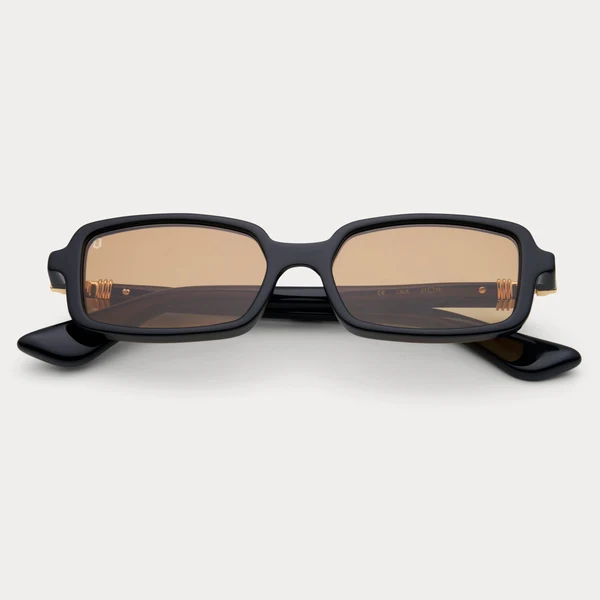
James Oro Amber Lala
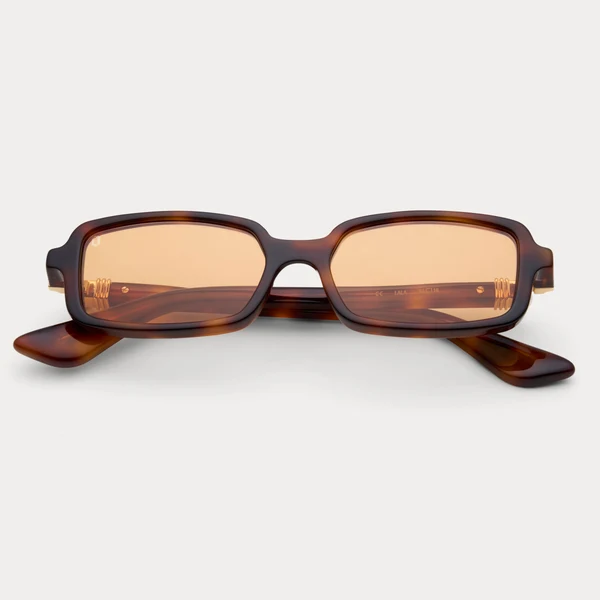
James Oro Persimmon Lala
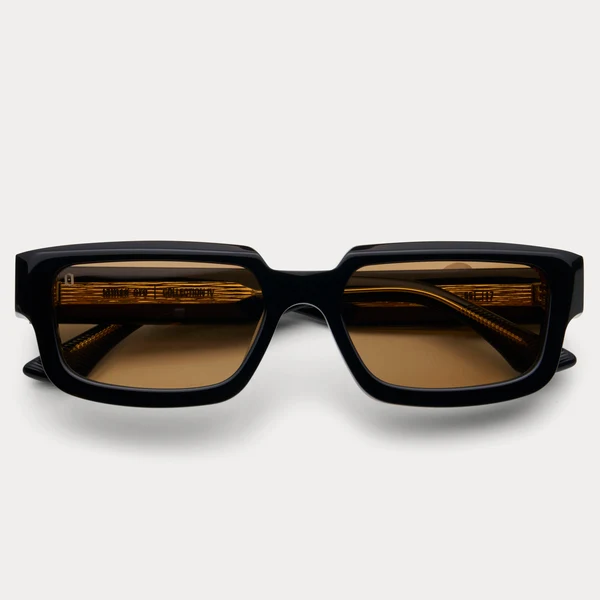
James Oro Amber Rebel
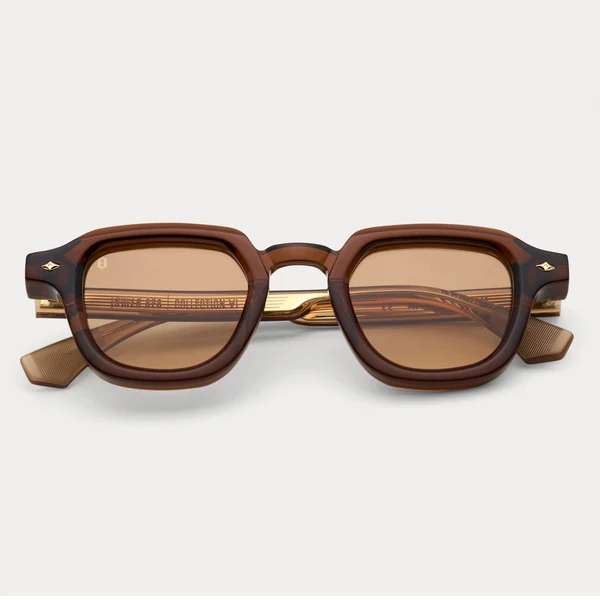
James Oro Reserve Attaché
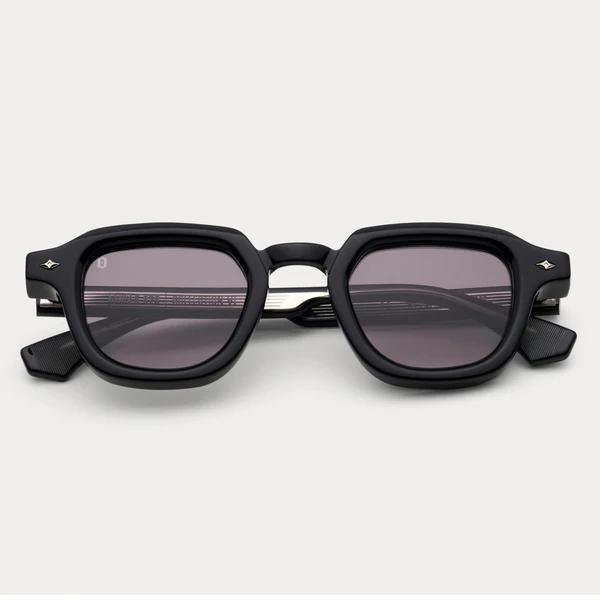
James Oro Black Tint Attaché
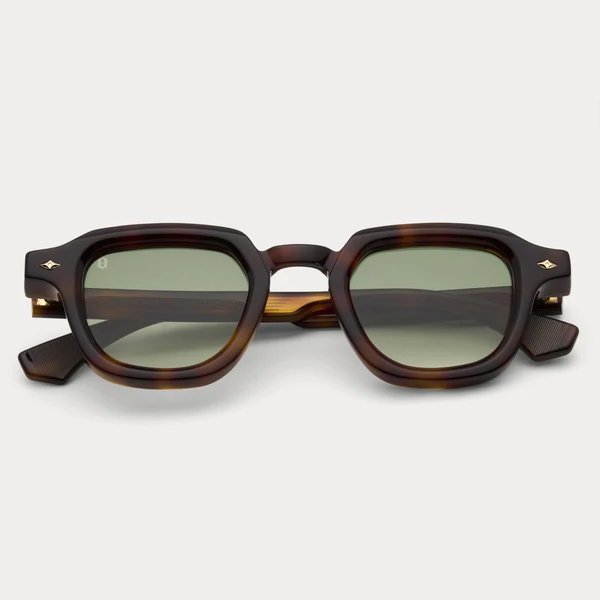
James Oro Old Money Attaché
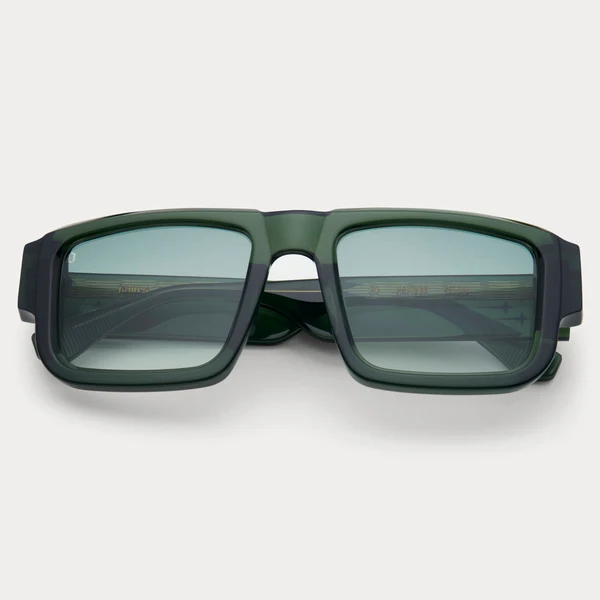
James Oro Absinthe Caliber
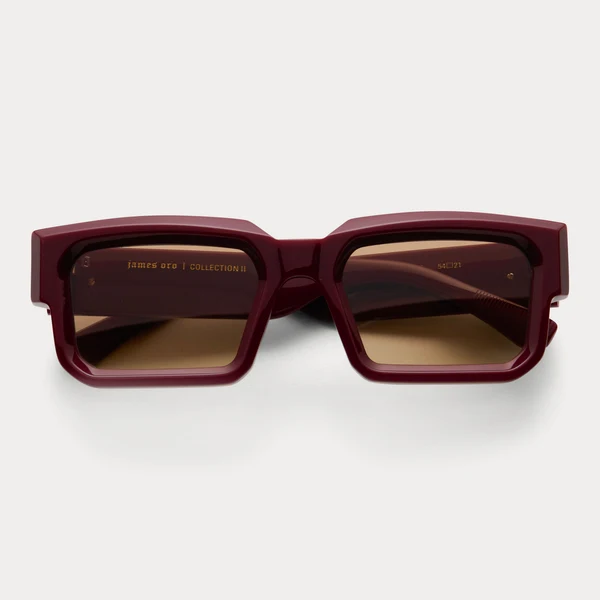
James Oro Bordeaux Titan
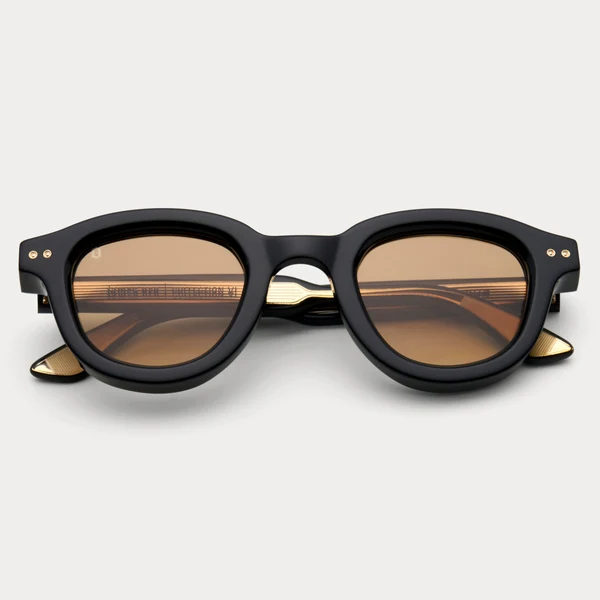
James Oro Amber Vektor
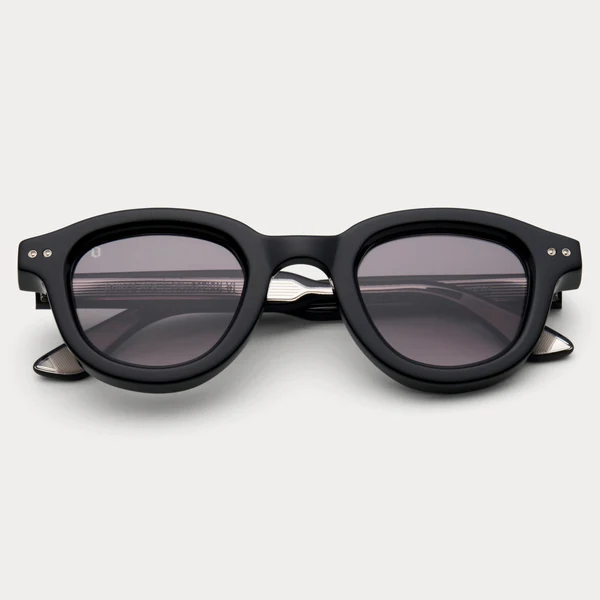
James Oro Black Tint Vektor
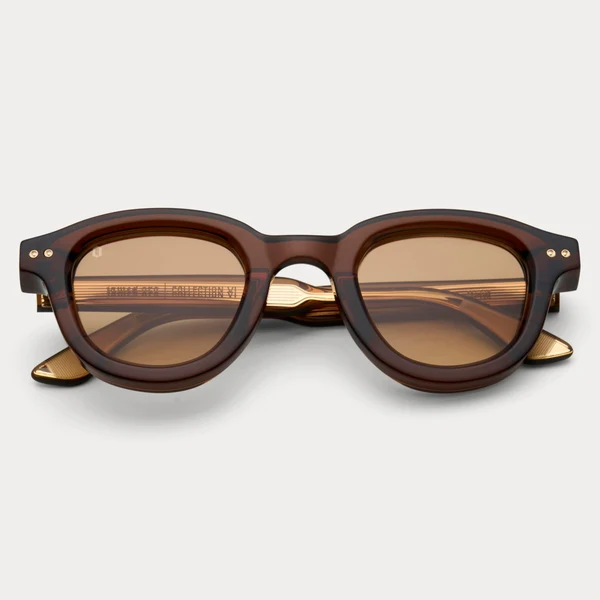
James Oro Reserve Vektor
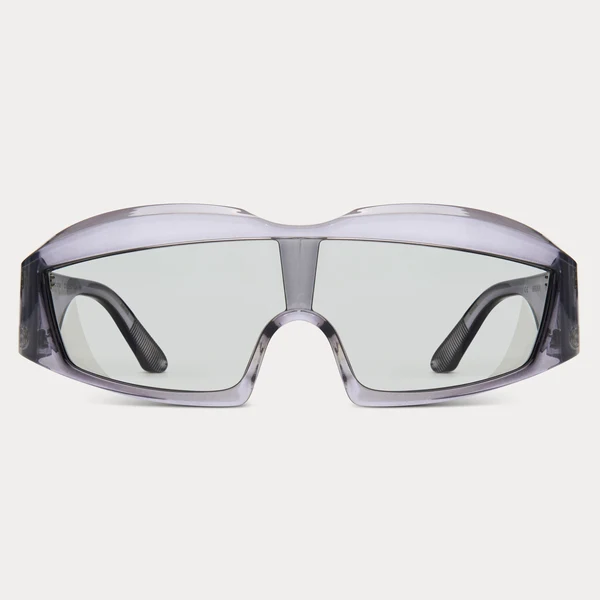
James Oro Gunship Grey Brinx
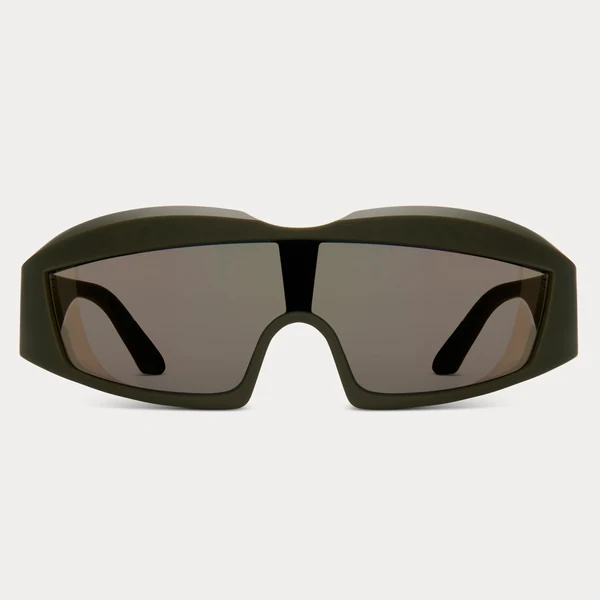
James Oro Tungsten Brinx
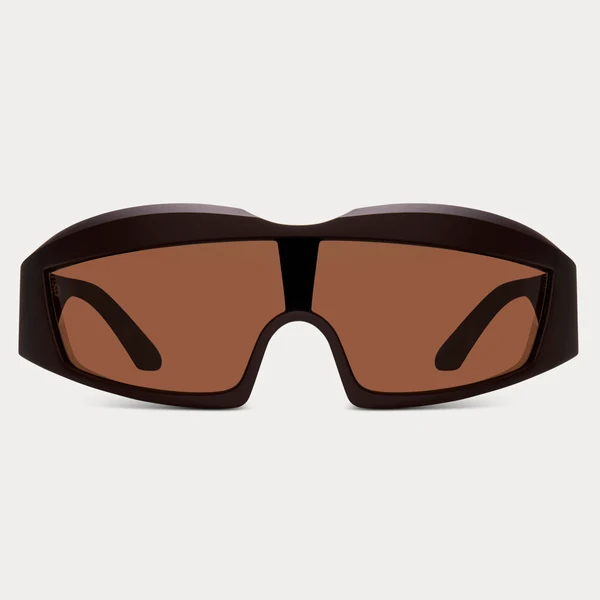
James Oro Midnight Brown Brinx
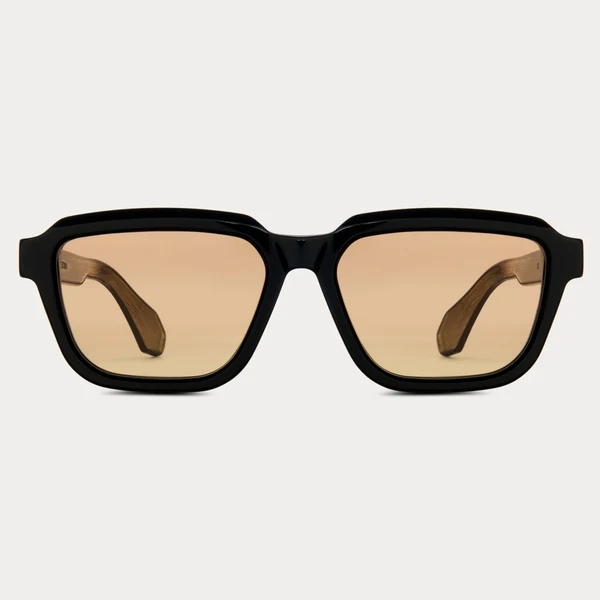
James Oro Amber Marshall
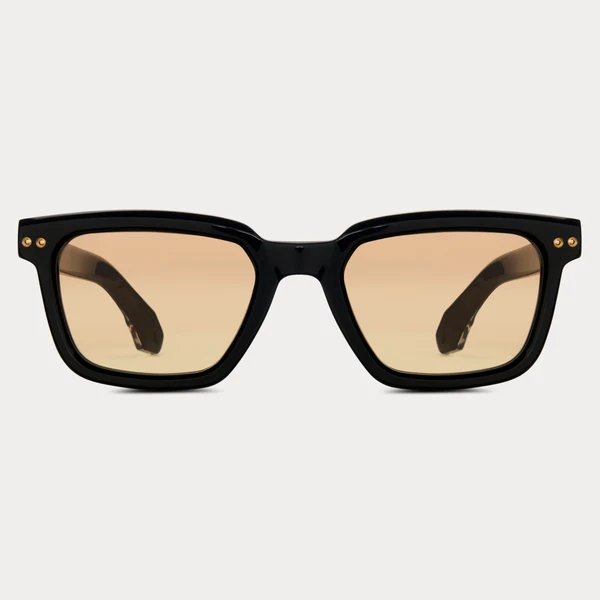
James Oro Amber Agent
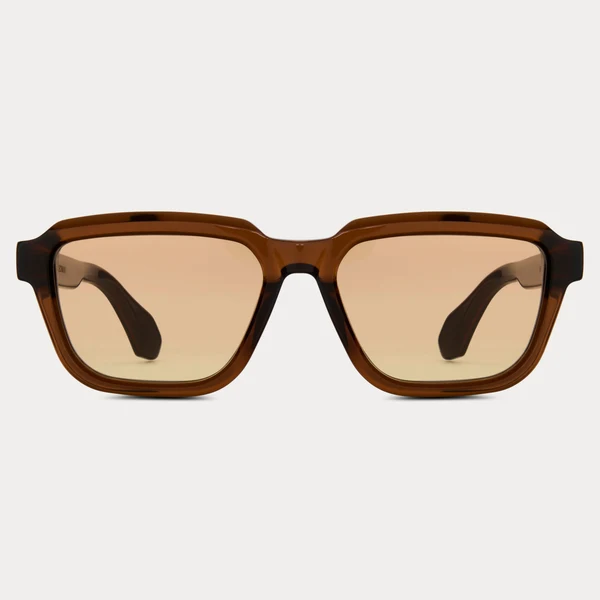
James Oro Reserve Marshall
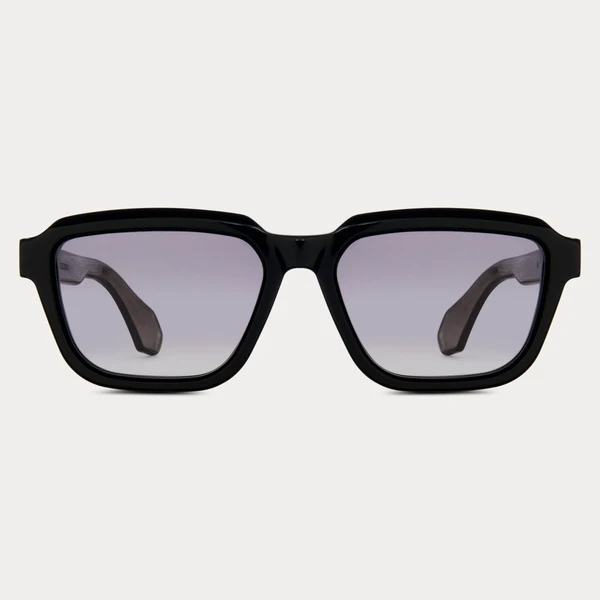
James Oro Black Tint Marshall
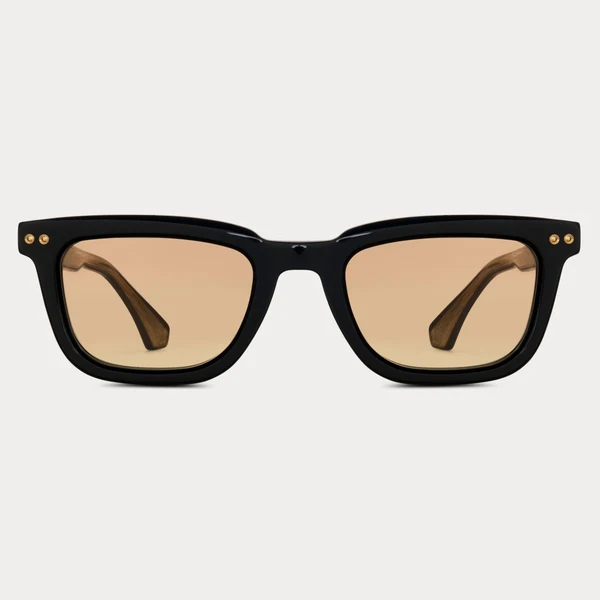
James Oro Amber Spectre
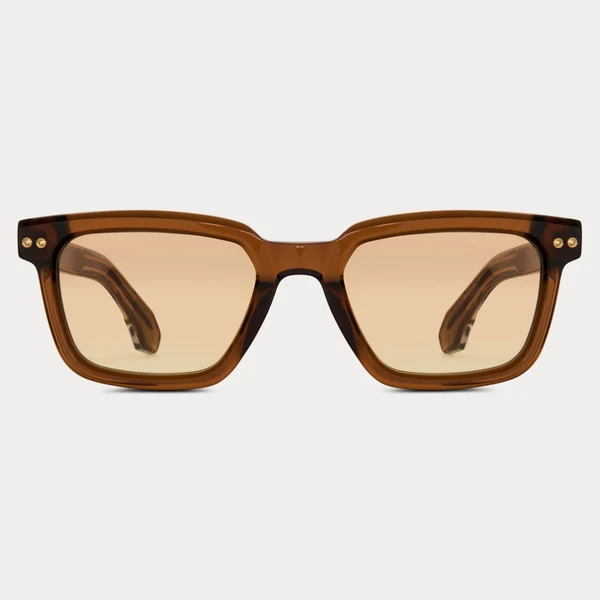
James Oro Reserve Agent
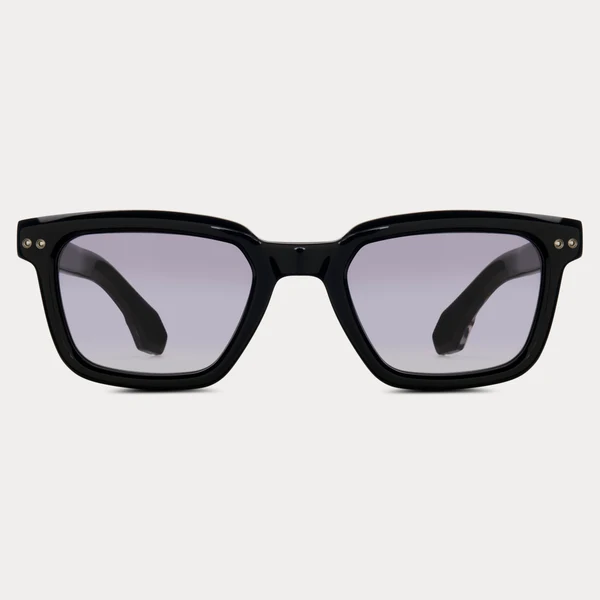
James Oro Black Tint Agent
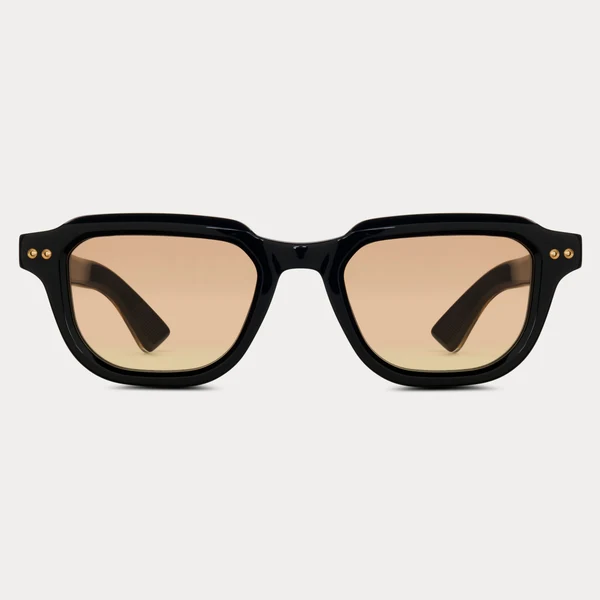
James Oro Amber Cipher
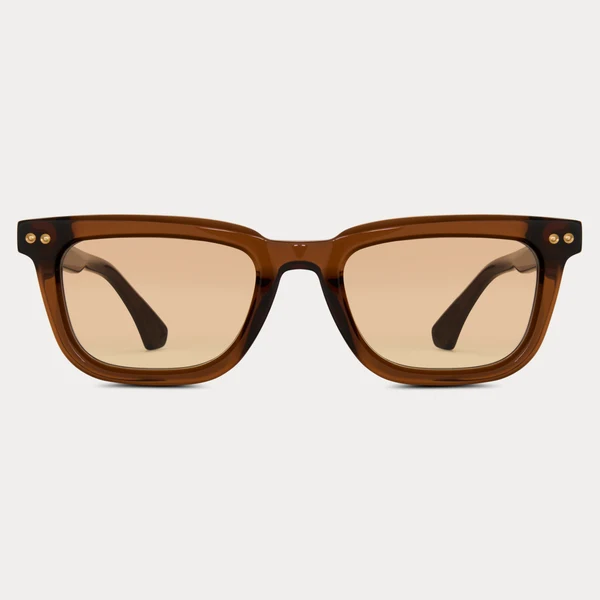
James Oro Reserve Spectre
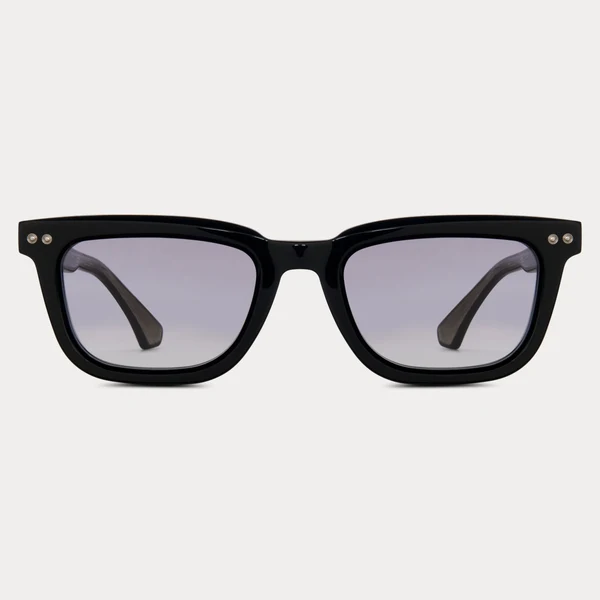
James Oro Black Tint Spectre
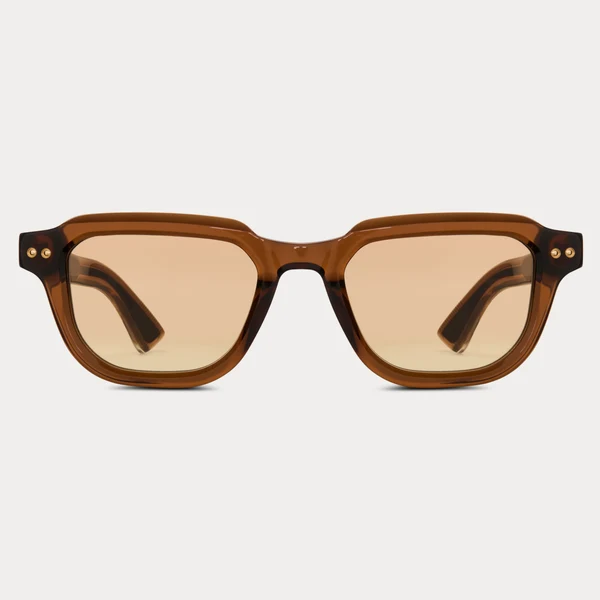
James Oro Reserve Cipher
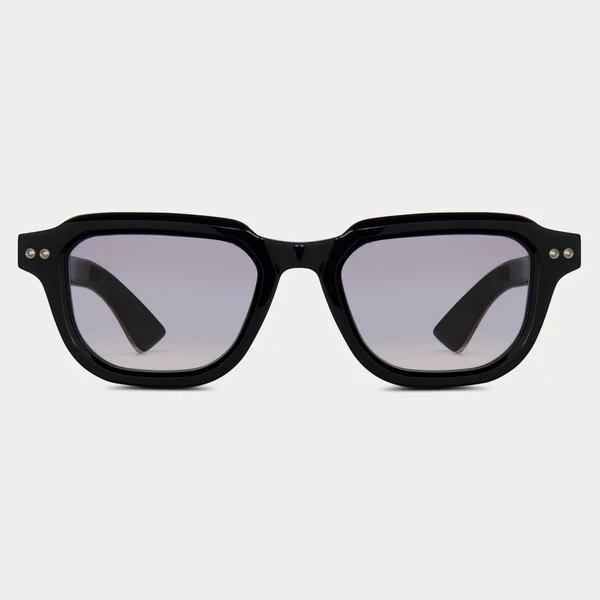
James Oro Black Tint Cipher
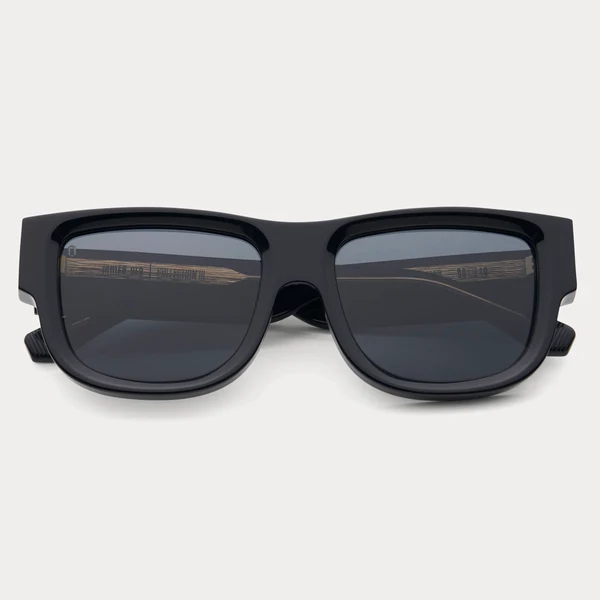
James Oro Black Baller
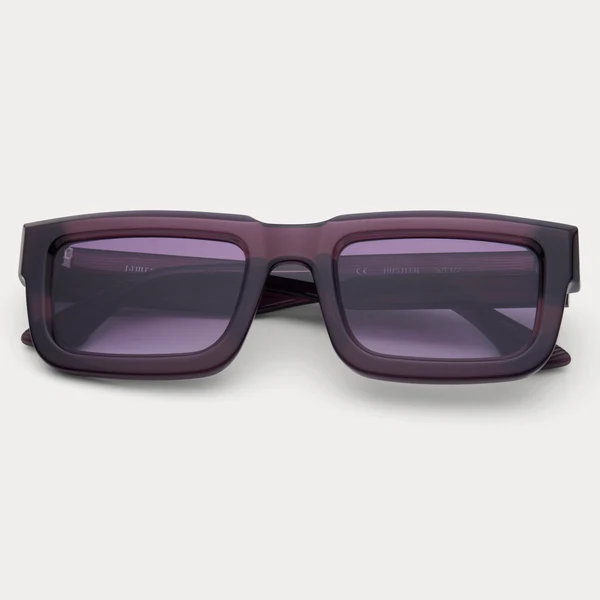
James Oro Amethyst Hustler
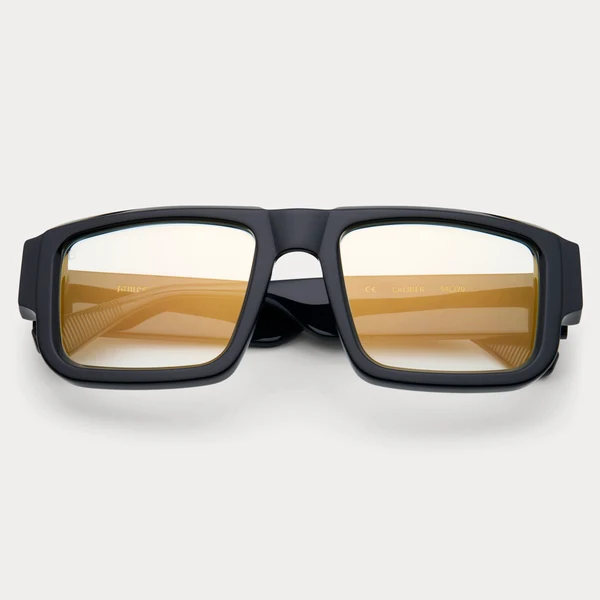
James Oro Vapor Gold Caliber
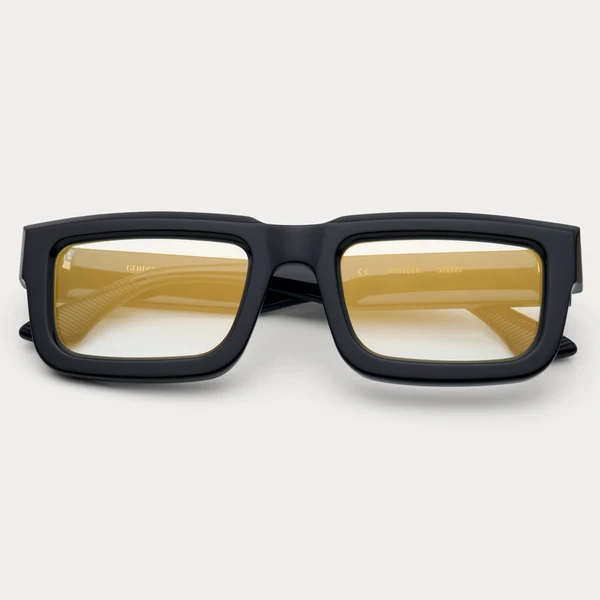
James Oro Vapor Gold Hustler
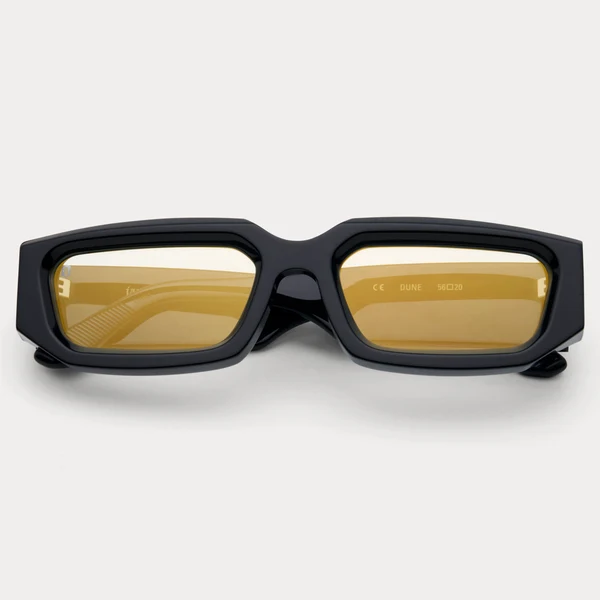
James Oro Vapor Gold Dune
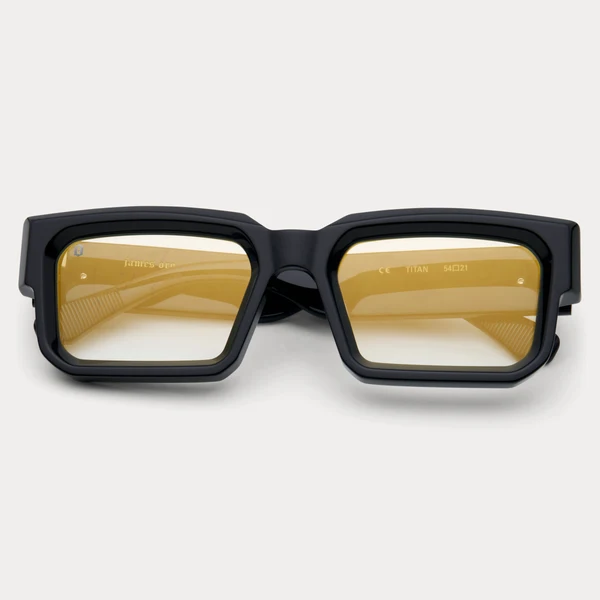
James Oro Vapor Gold Titan
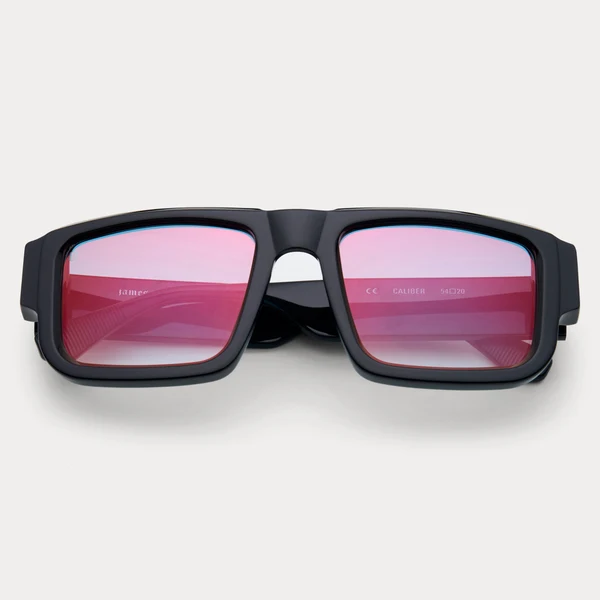
James Oro Dark Blue Flash Caliber
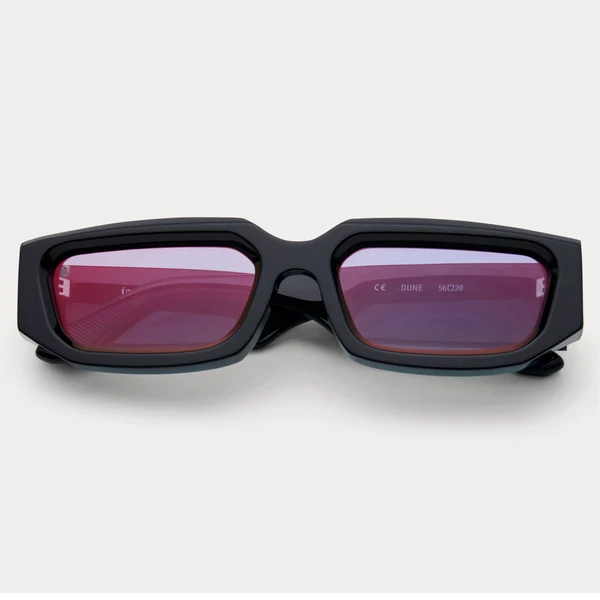
James Oro Dark Blue Flash Dune
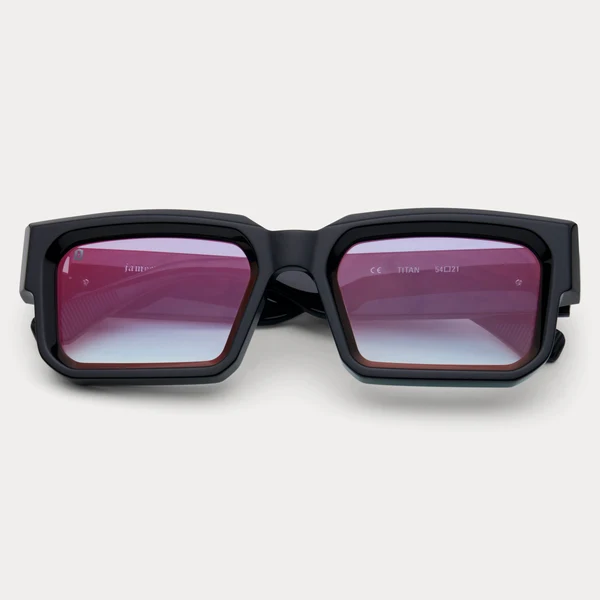
James Oro Dark Blue Flash Titan
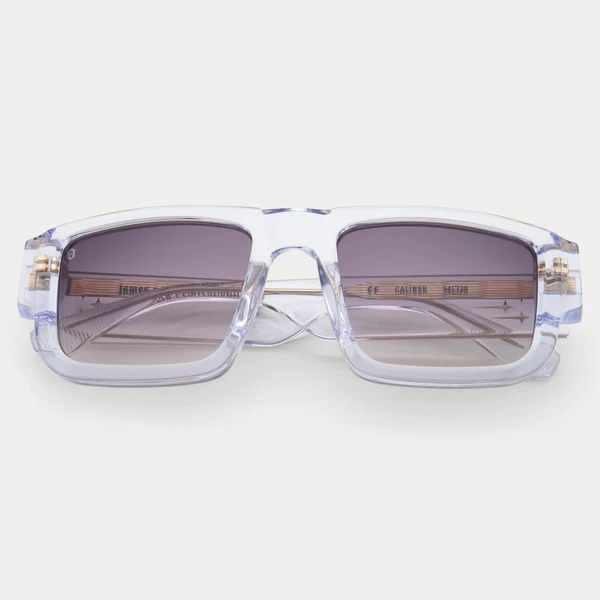
James Oro Clear Caliber
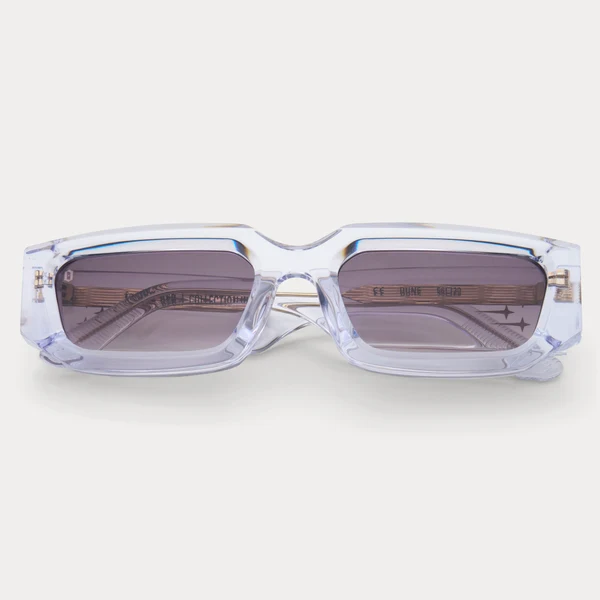
James Oro Clear Dune
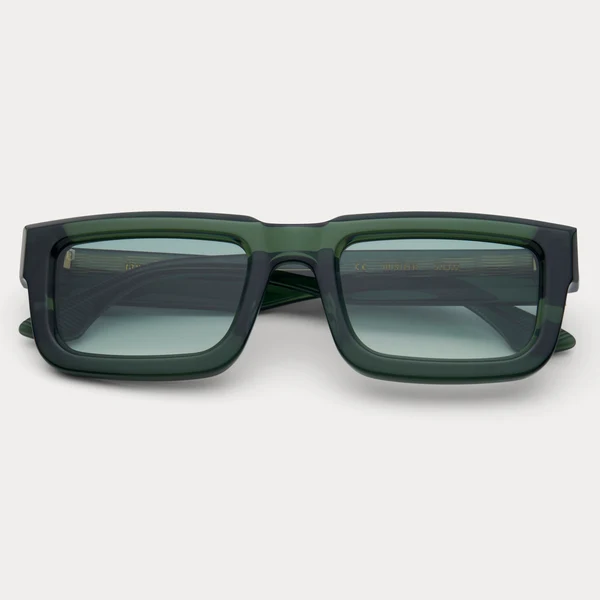
James Oro Absinthe Hustler
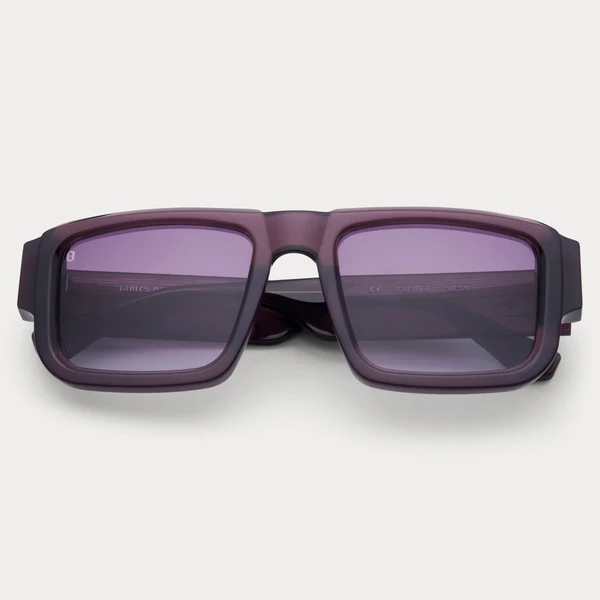
James Oro Amethyst Caliber
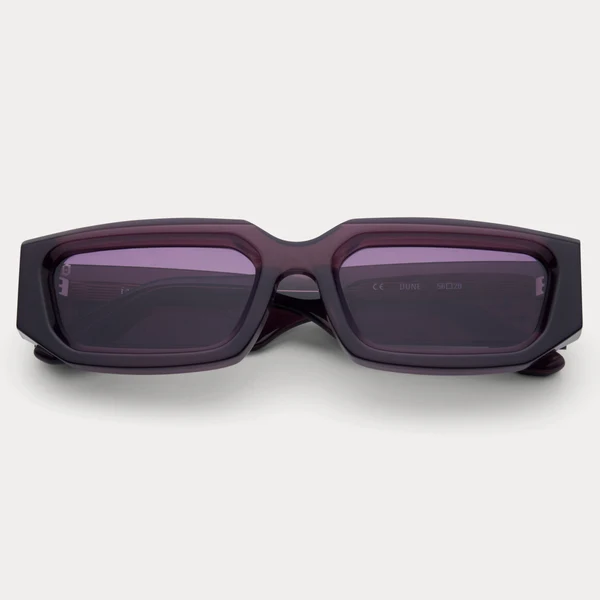
James Oro Amethyst Dune
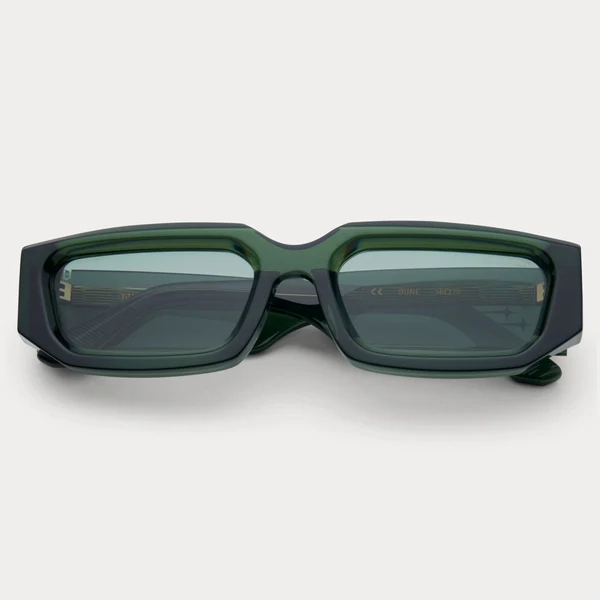
James Oro Absinthe Dune
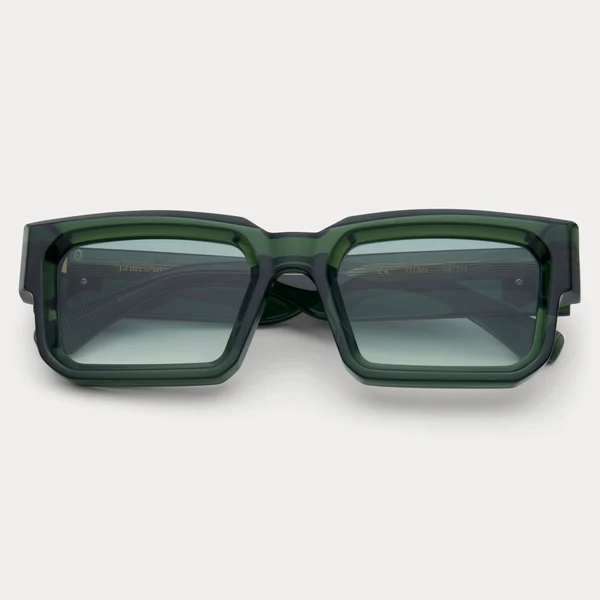
James Oro Absinthe Titan
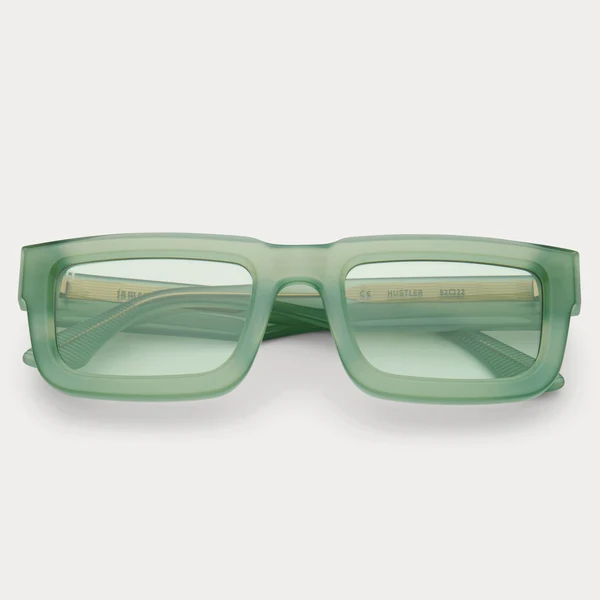
James Oro Jade Hustler
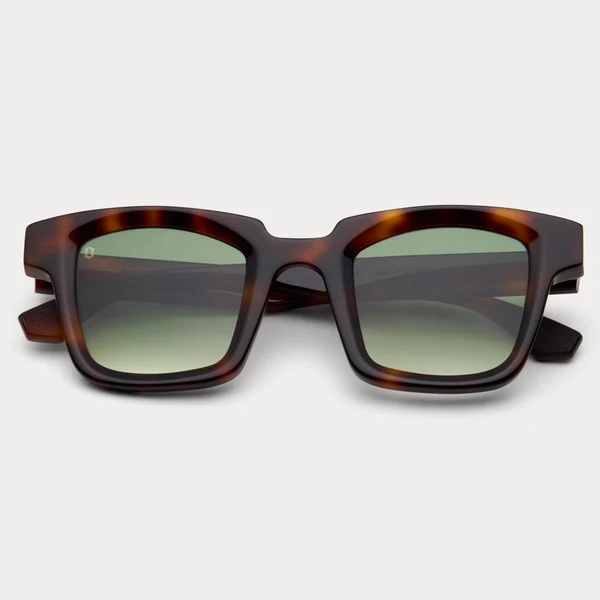
James Oro Old Money Archetype II

James Oro Emerald Archetype II

James Oro Black Archetype II
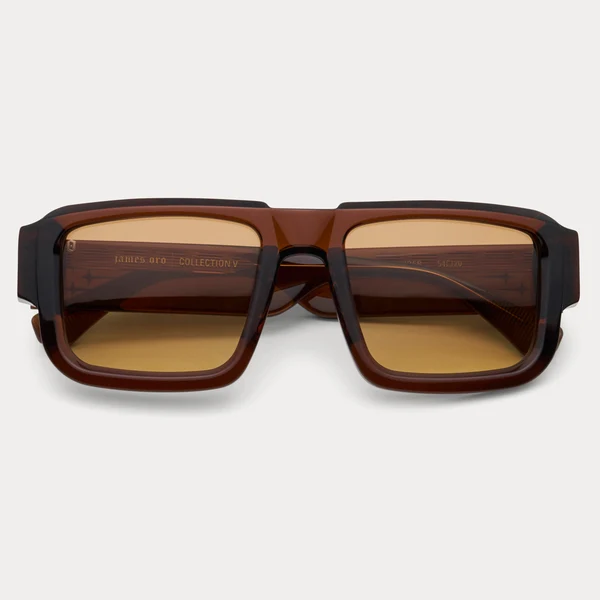
James Oro Reserve Caliber
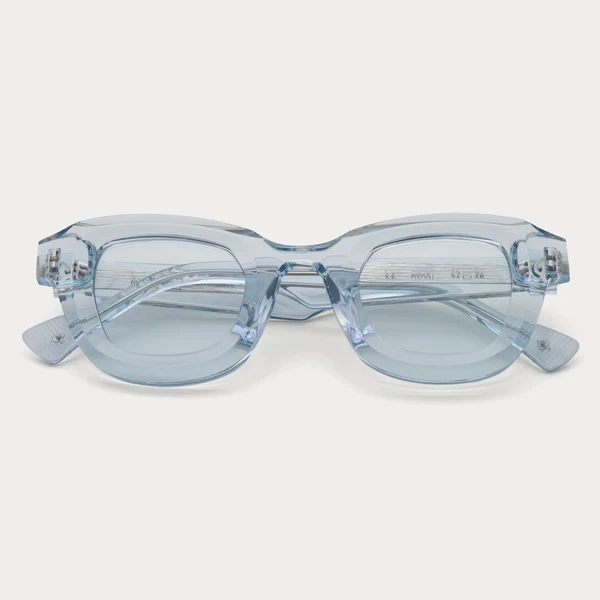
James Oro VVS | Avant
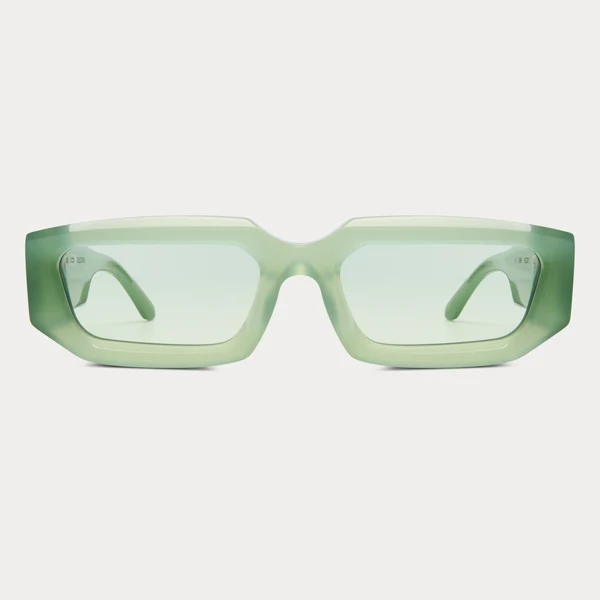
James Oro Jade Dune
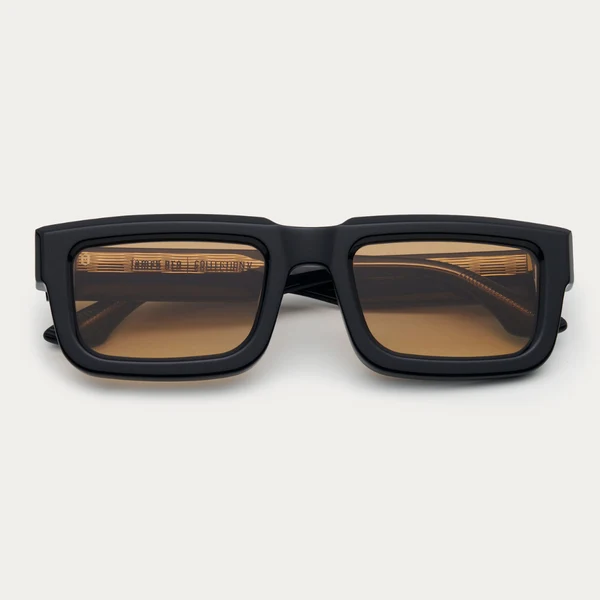
James Oro Amber Hustler
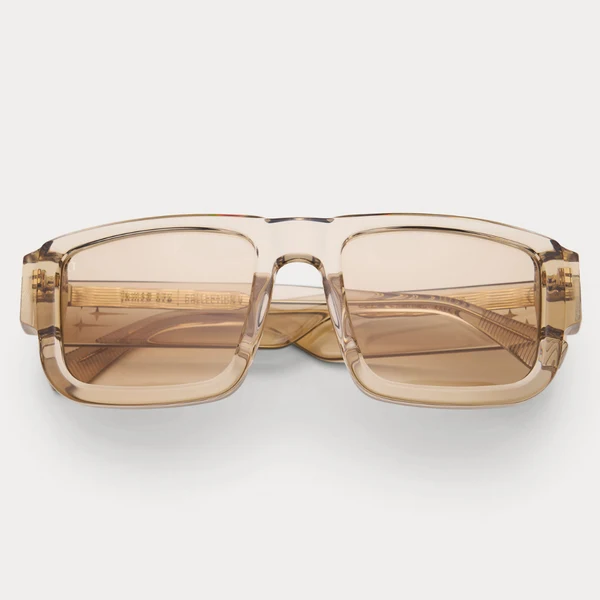
James Oro Champagne Caliber
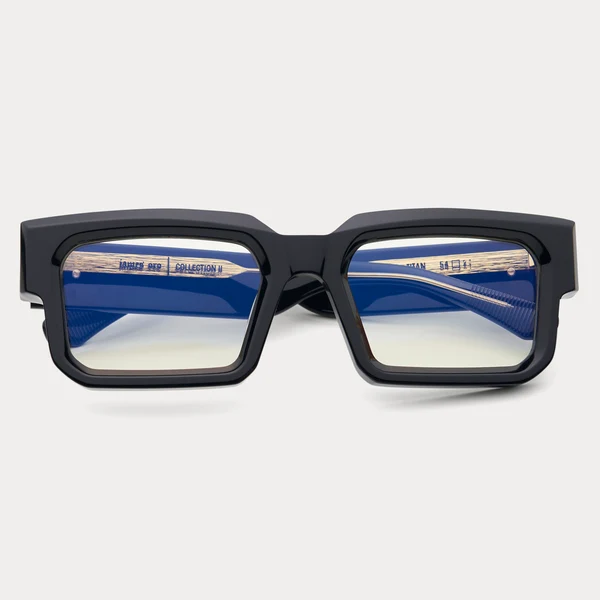
James Oro Blue Light Titan
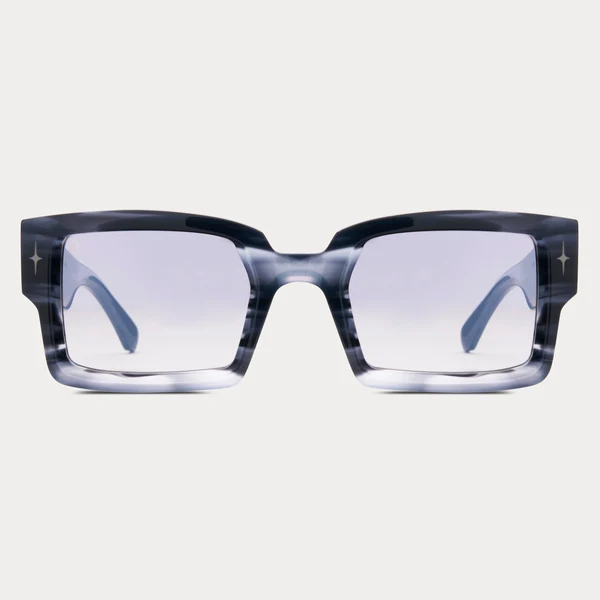
James Oro Smoke & Mirrors Icon
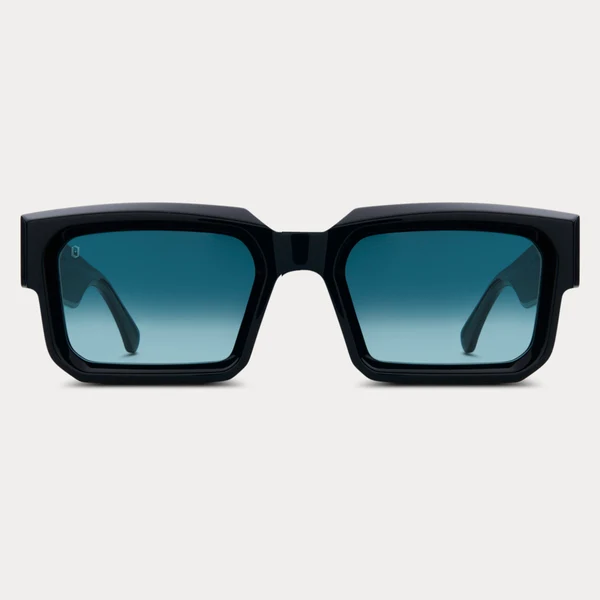
James Oro Emerald Titan
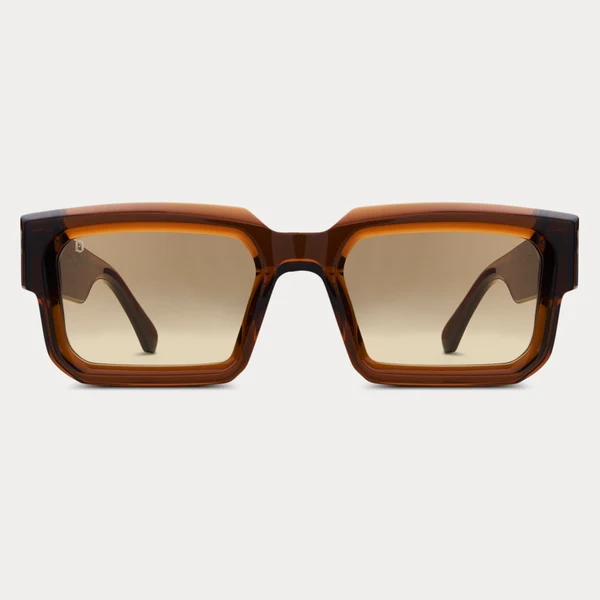
James Oro Reserve Titan
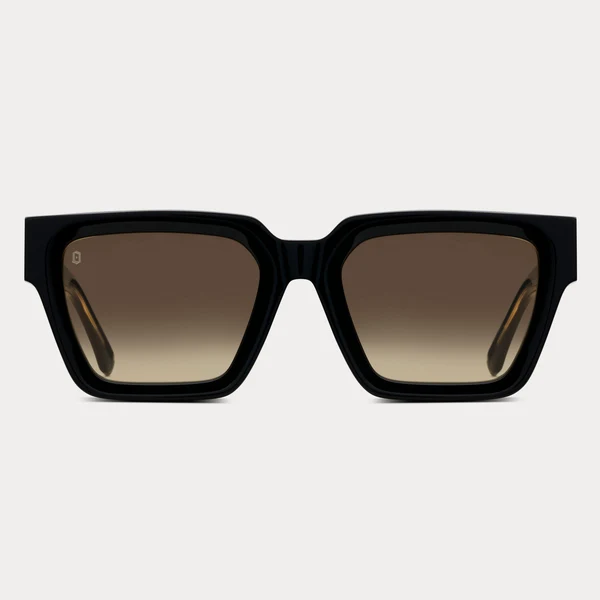
James Oro Amber Hunnids
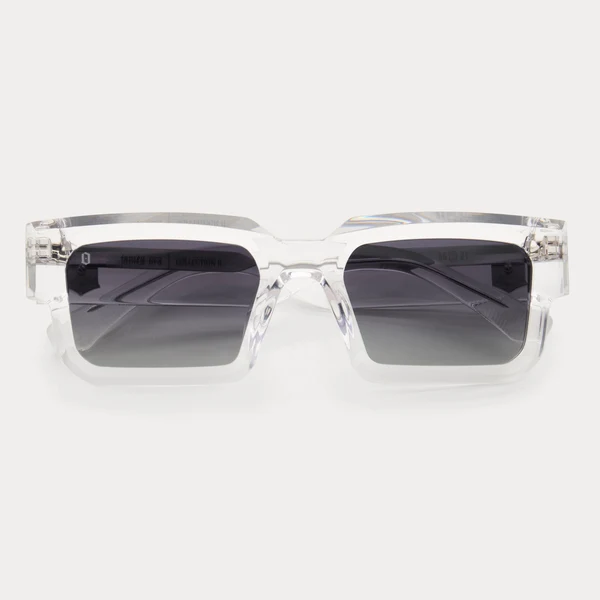
James Oro Clear Titan
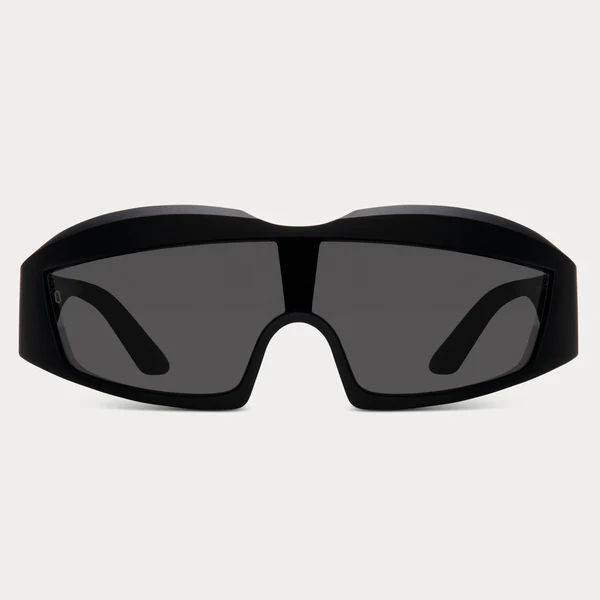
James Oro Black Brinx
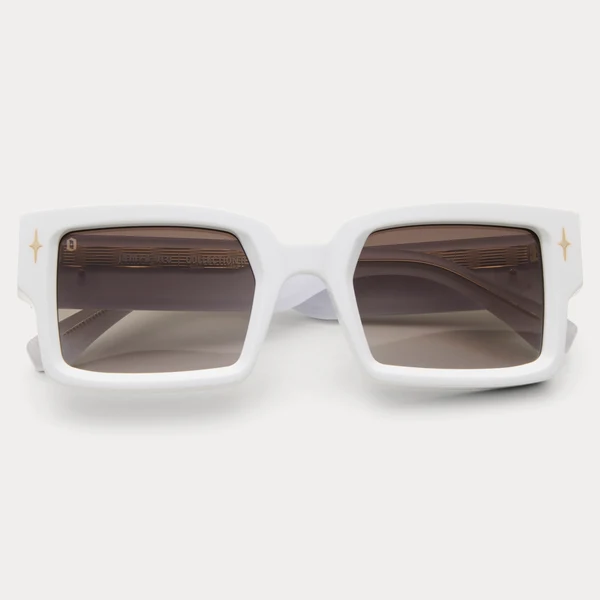
James Oro White Icon
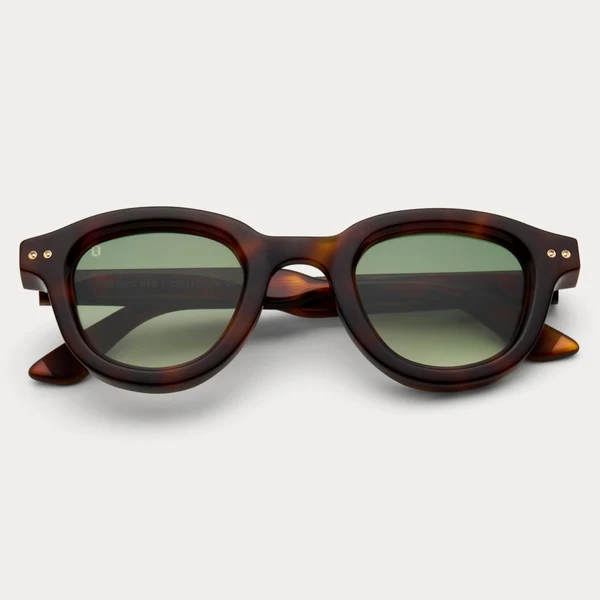
James Oro Old Money Vektor
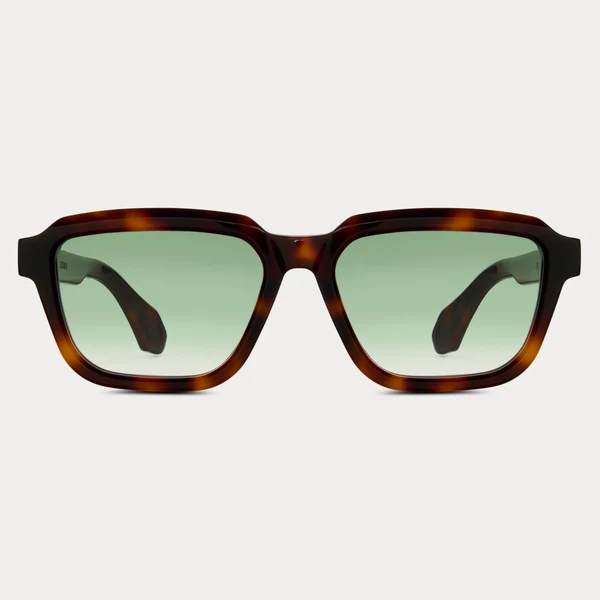
James Oro Old Money Marshall
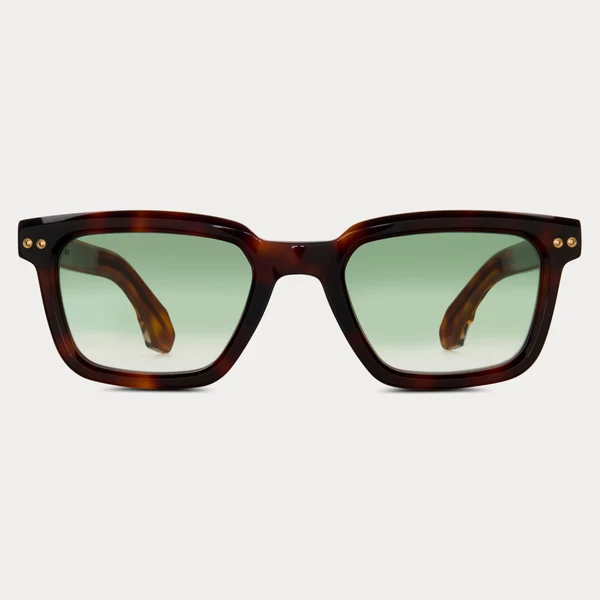
James Oro Old Money Agent
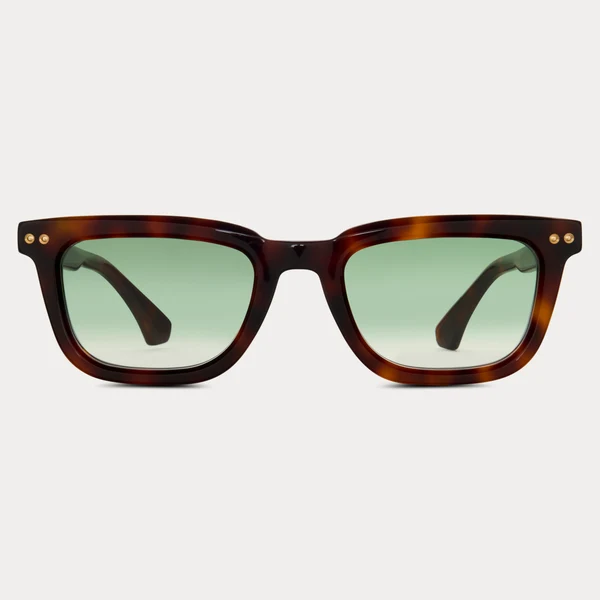
James Oro Old Money Spectre
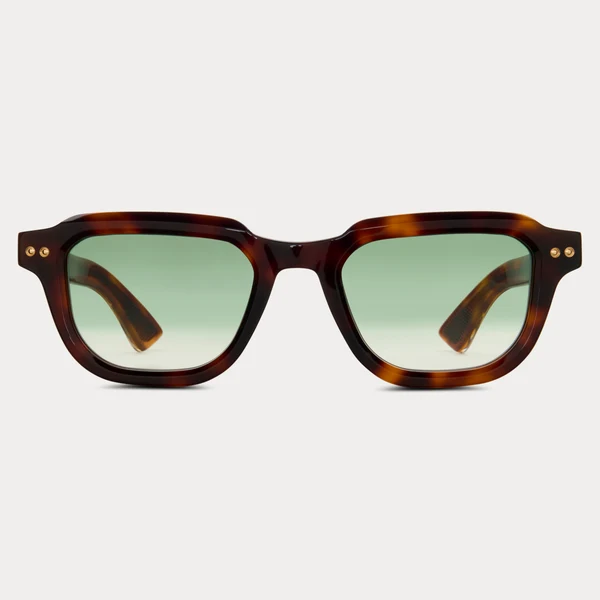
James Oro Old Money Cipher
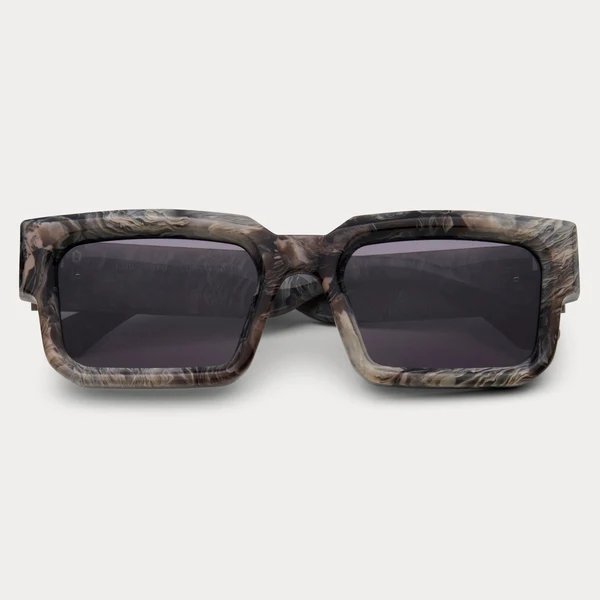
James Oro Granite Titan
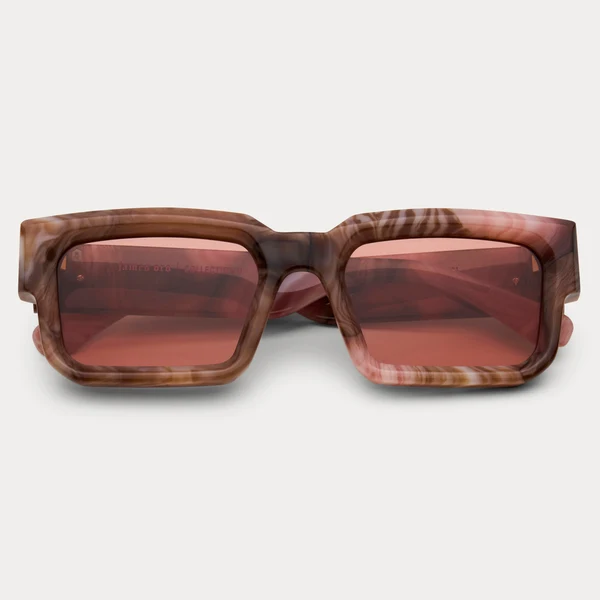
James Oro Rose Quartz Titan
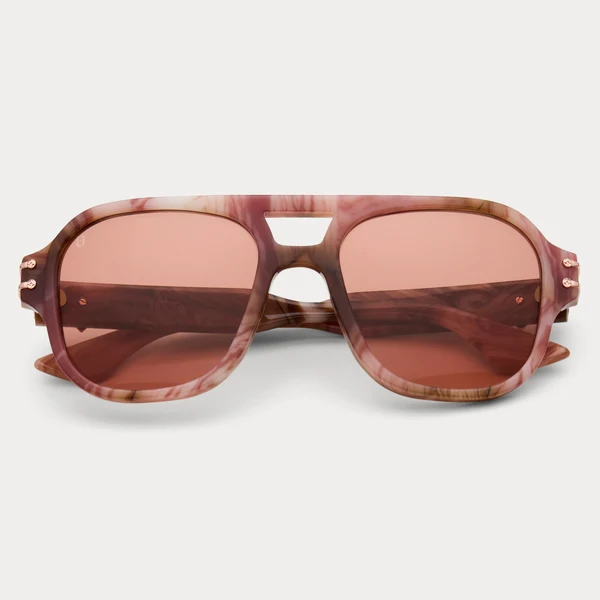
James Oro Rose Quartz Horizon
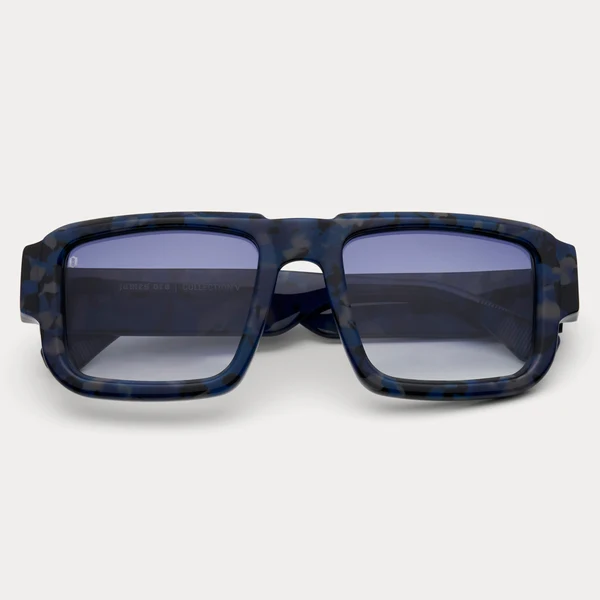
James Oro Mariner Caliber
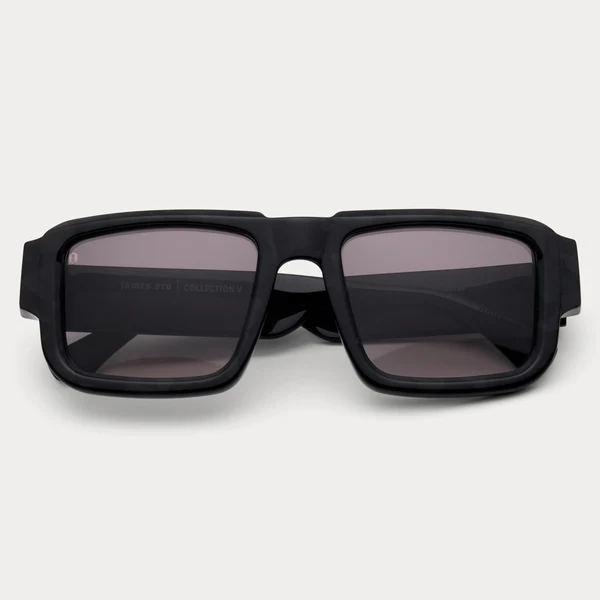
James Oro Recon Caliber
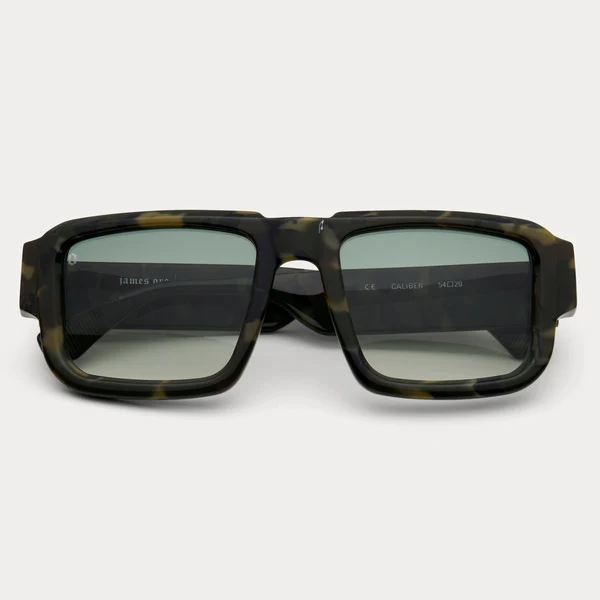
James Oro Ranger Caliber
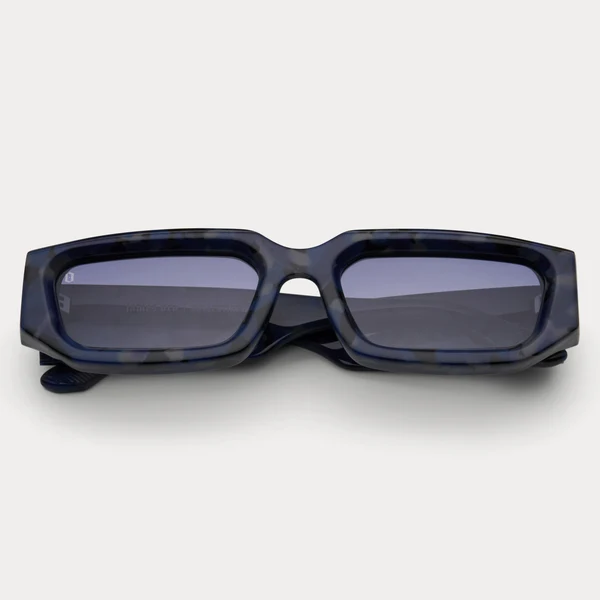
James Oro Mariner Dune
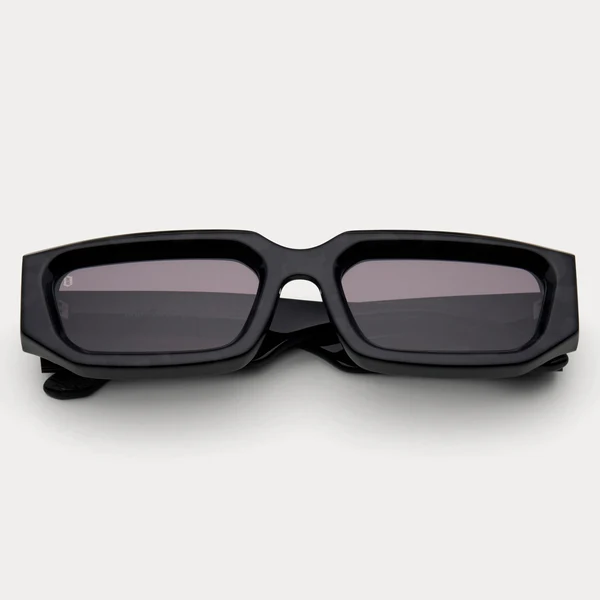
James Oro Recon Dune
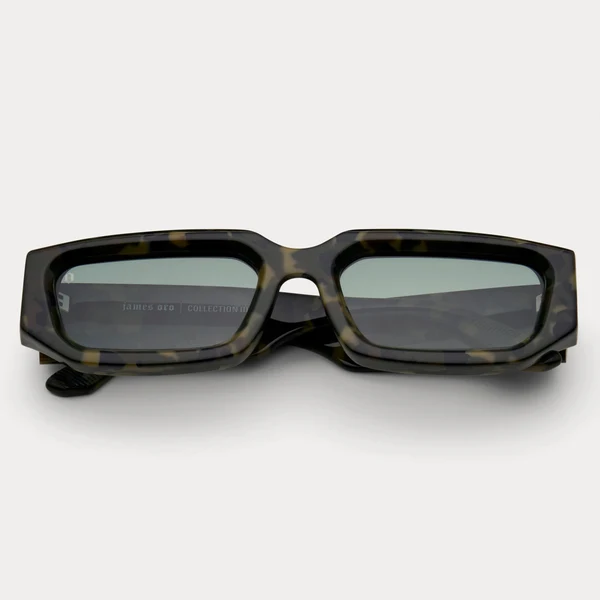
James Oro Ranger Dune
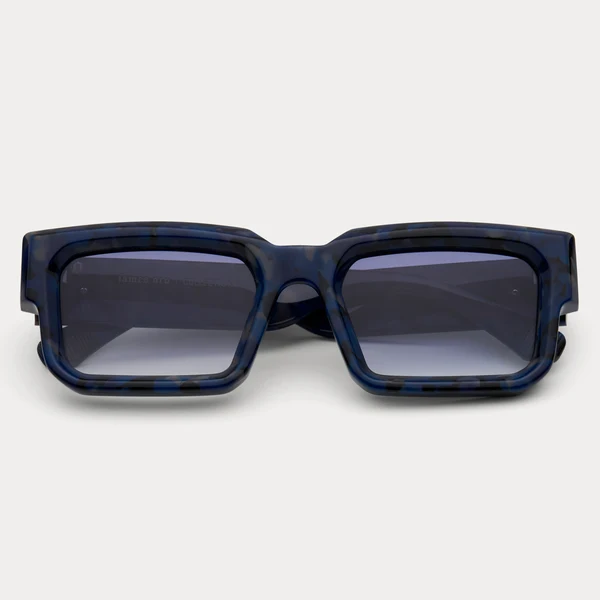
James Oro Mariner Titan
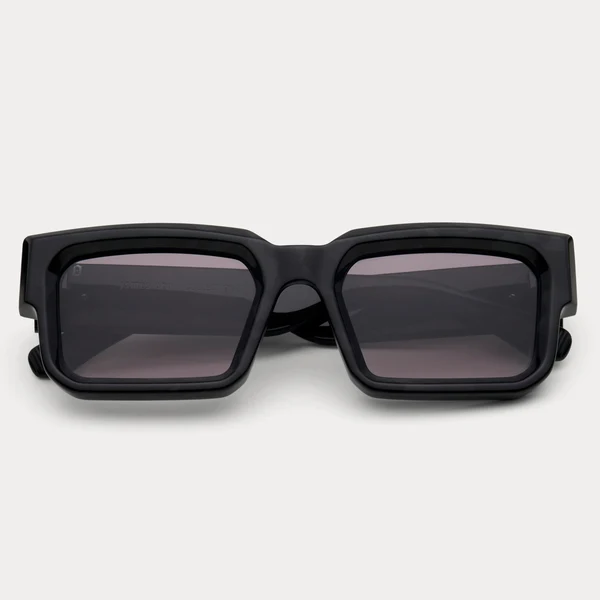
James Oro Recon Titan
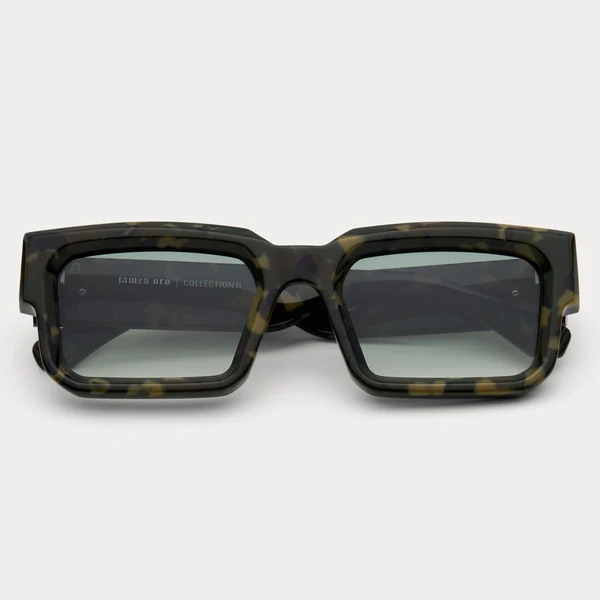
James Oro Ranger Titan
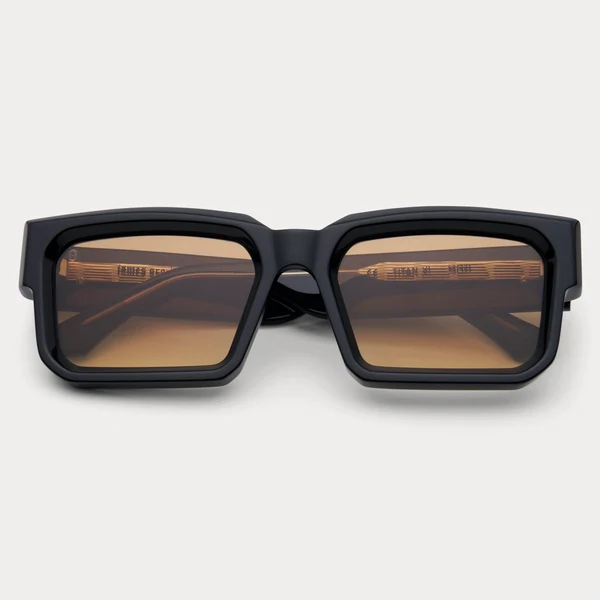
James Oro Amber Titan XL
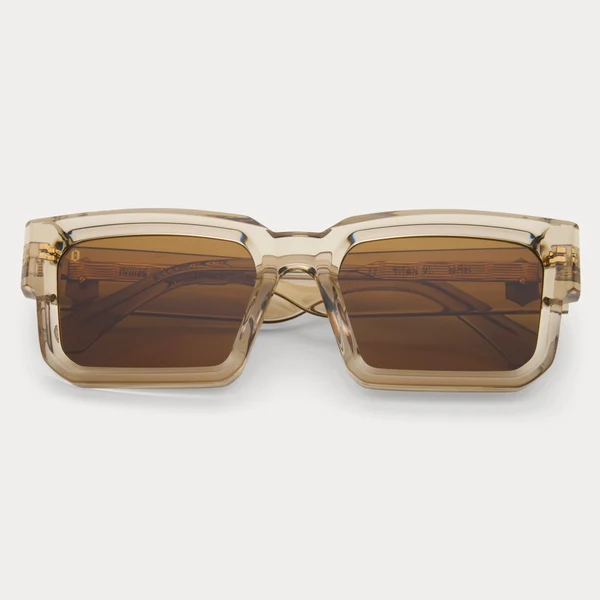
James Oro Champagne Titan XL
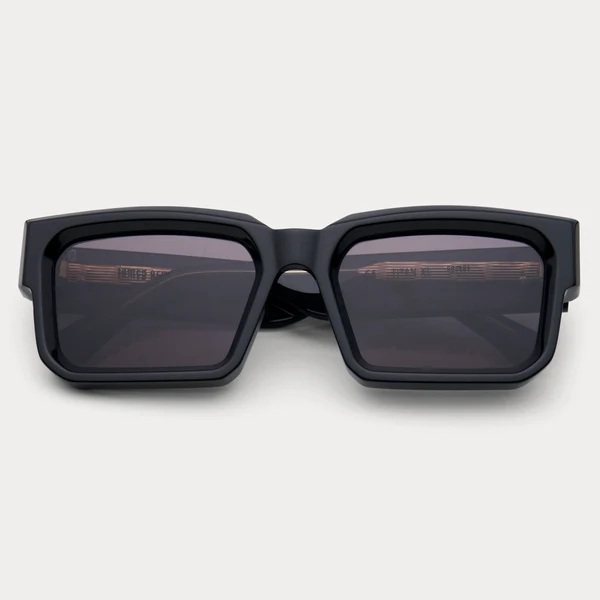
James Oro Black Titan XL
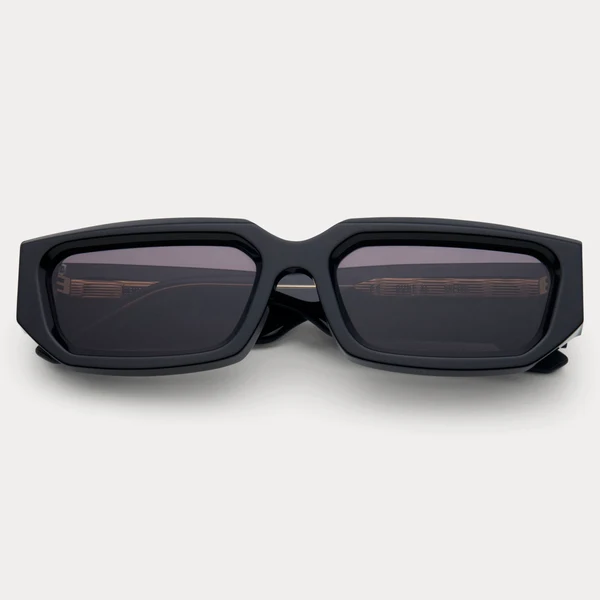
James Oro Black Dune XL
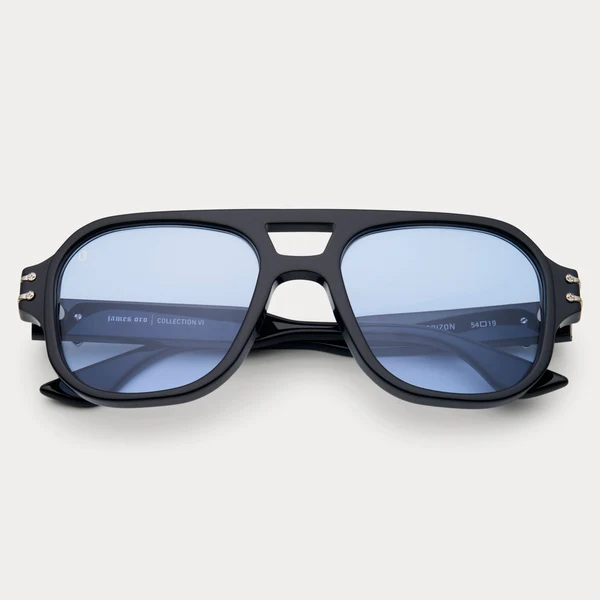
James Oro Blue Tint Black Horizon
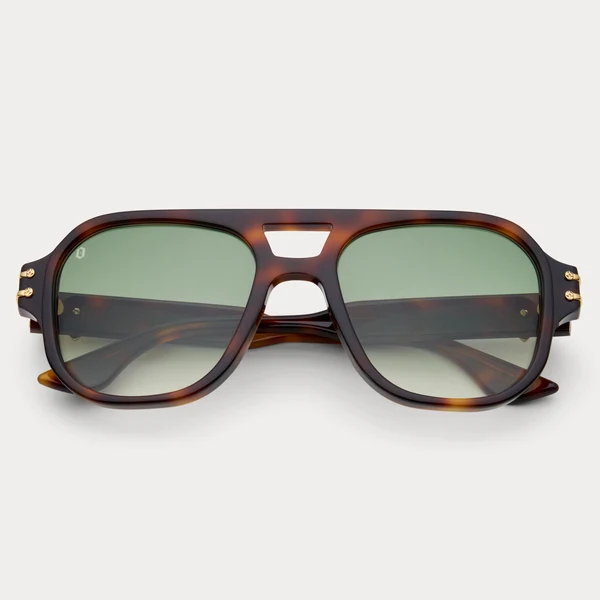
James Oro Old Money Horizon
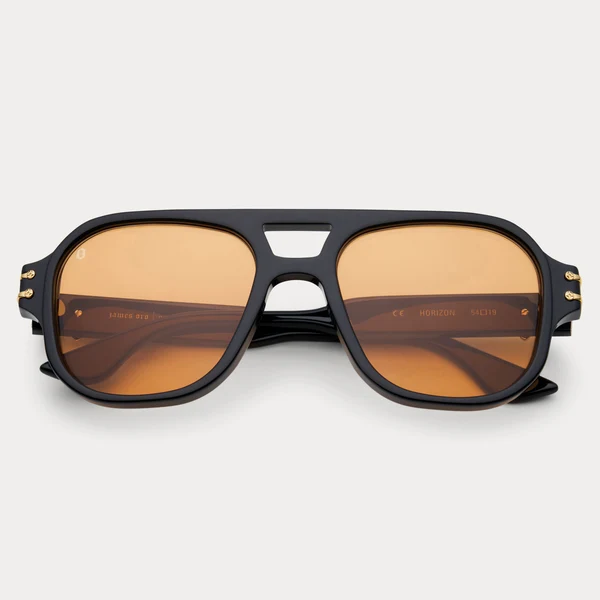
James Oro Sienna Horizon
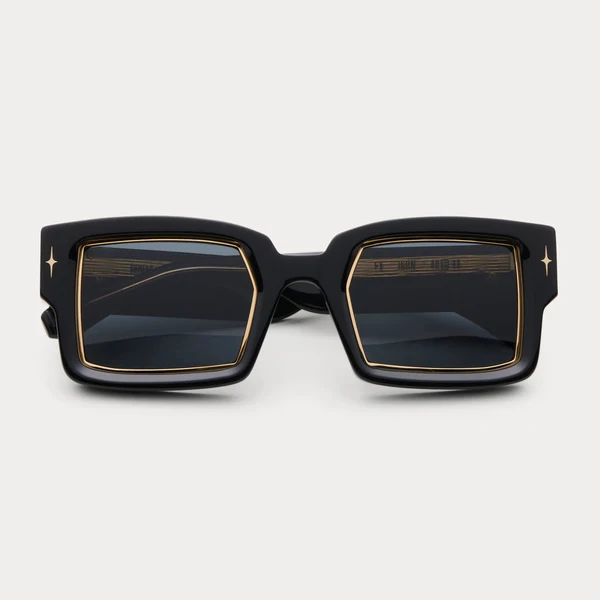
James Oro Black Midas Icon
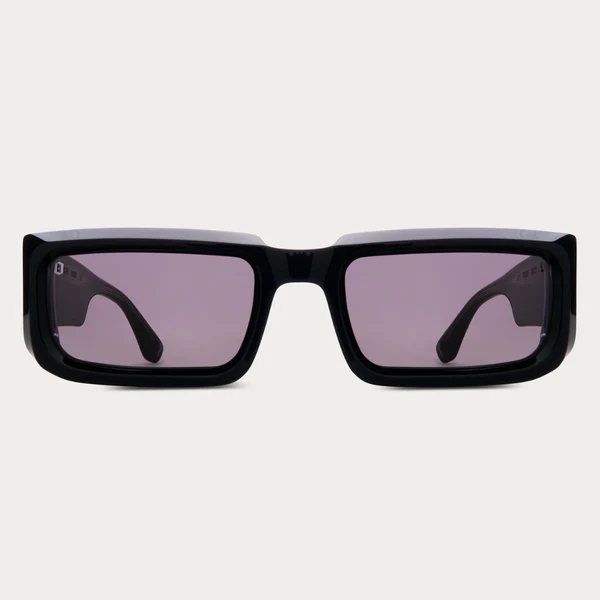
James Oro Black Torque
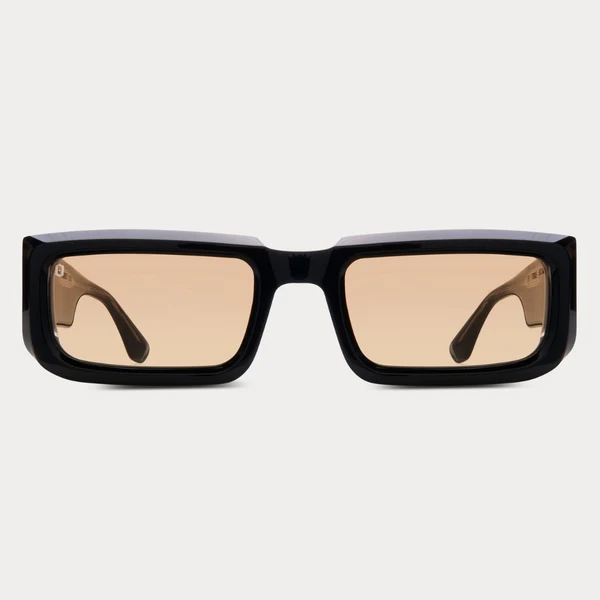
James Oro Amber Torque
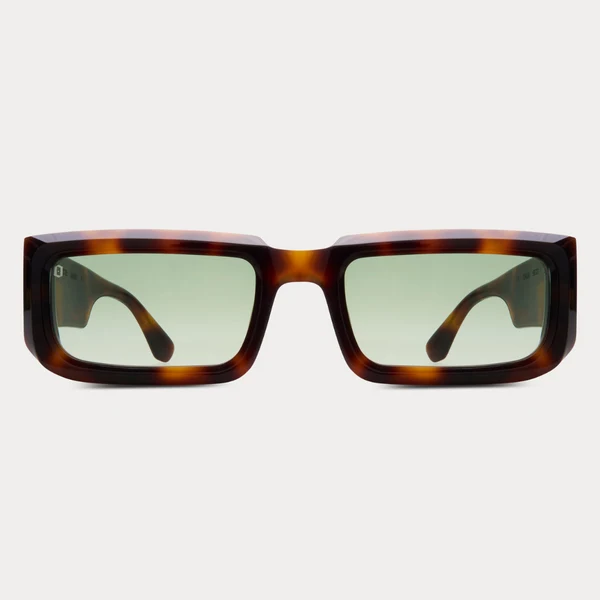
James Oro Old Money Torque
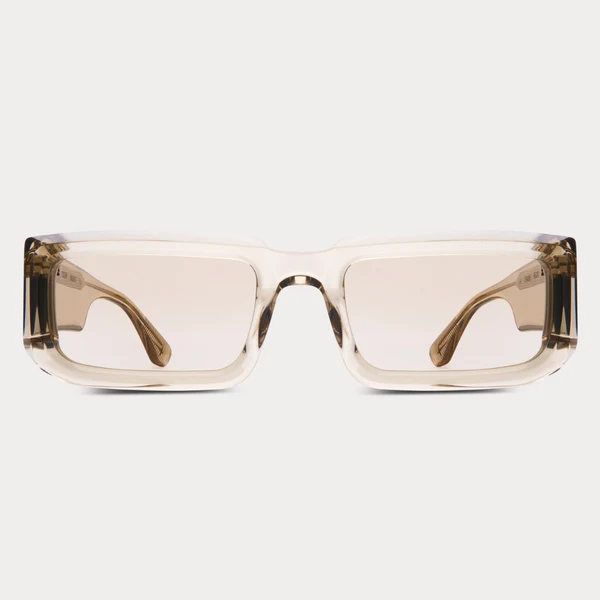
James Oro Champagne Torque
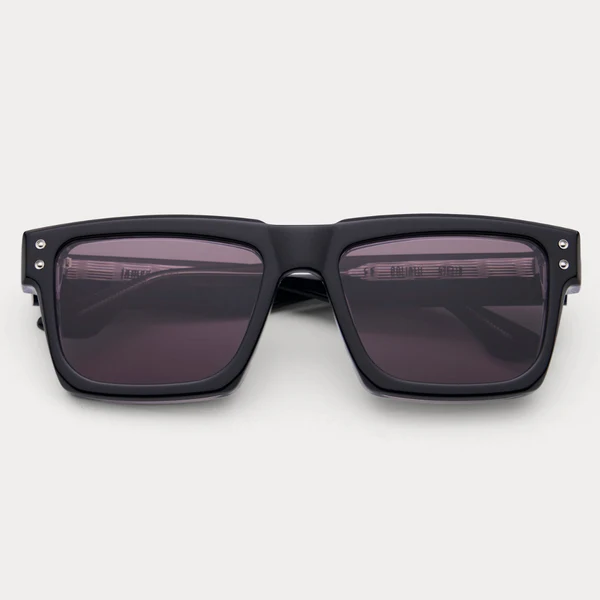
James Oro Black Atlas
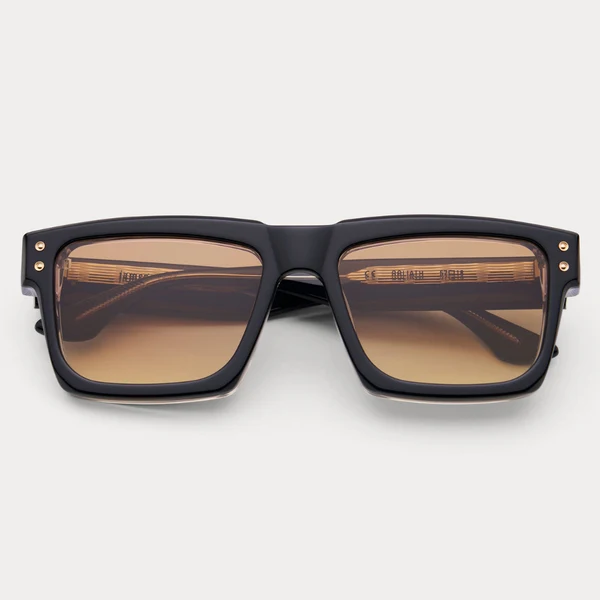
James Oro Amber Atlas
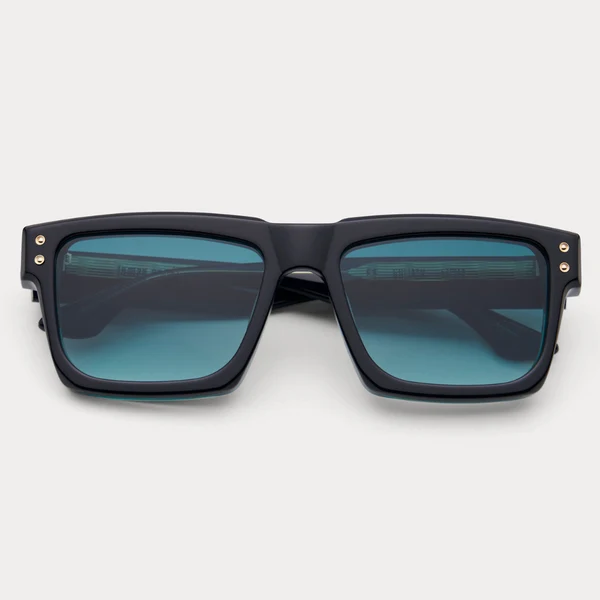
James Oro Emerald Atlas
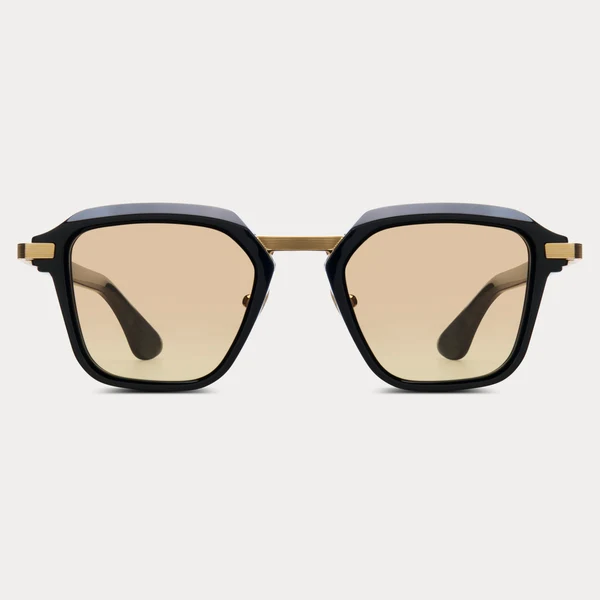
James Oro Amber Savant
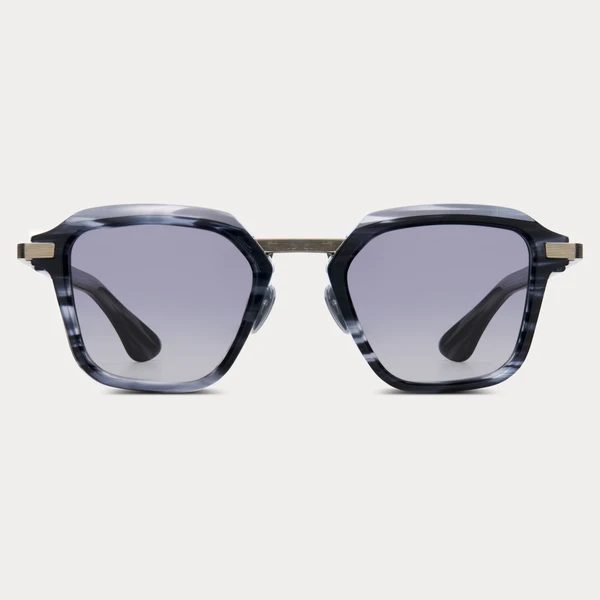
James Oro Haze Savant
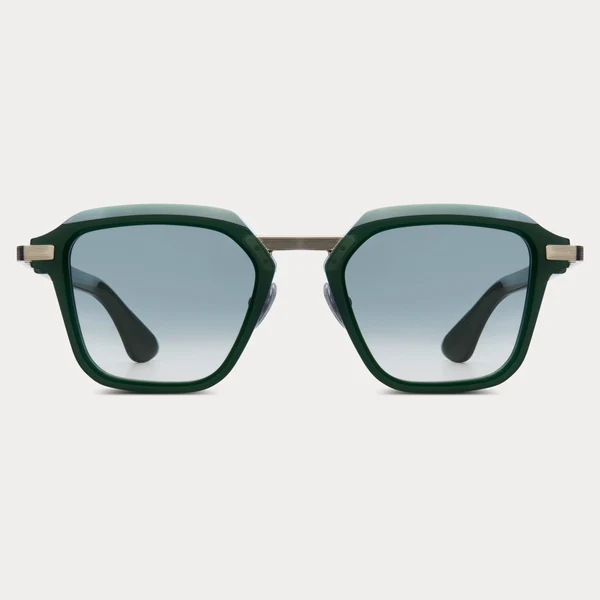
James Oro Forrest Savant
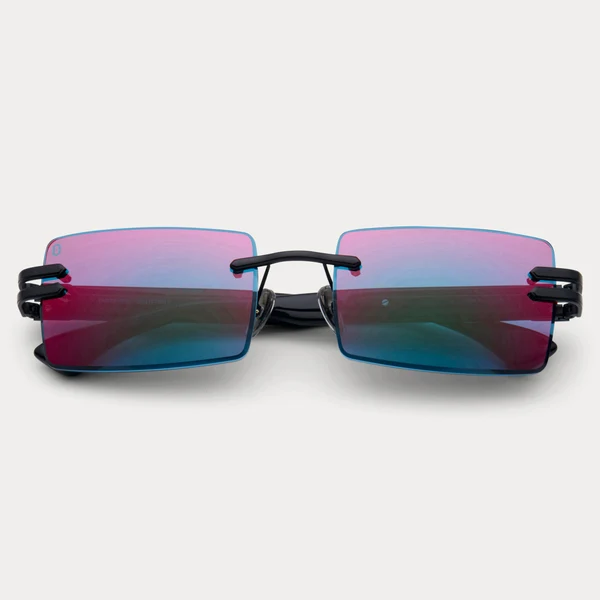
James Oro Reaper Baron Authentic XL
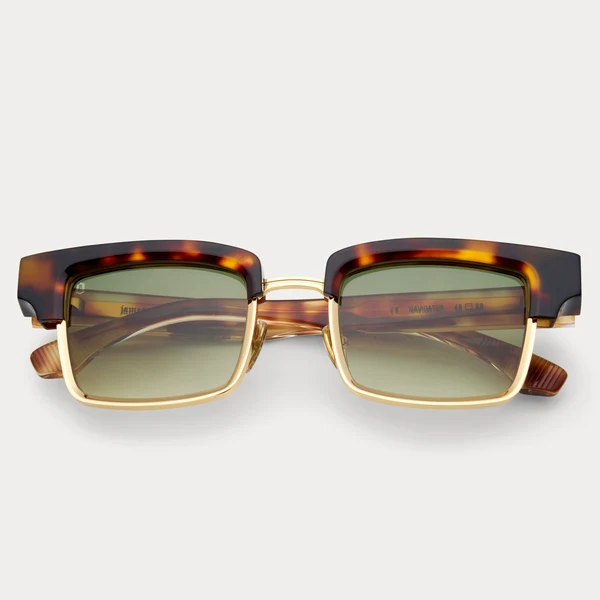
James Oro Old Money Navigator
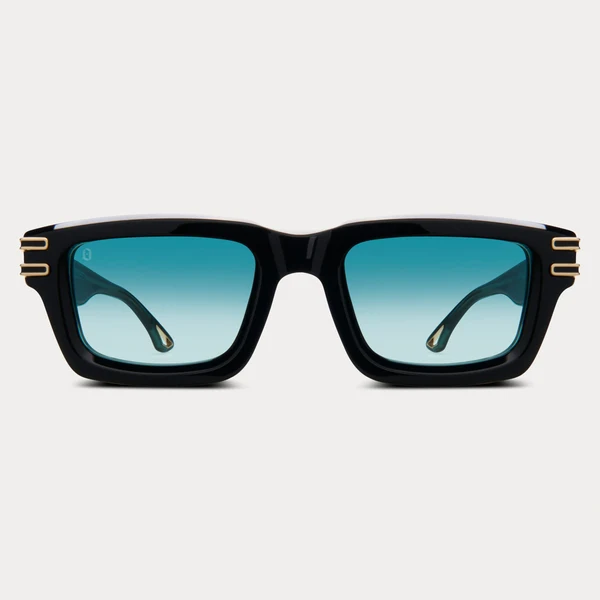
James Oro Emerald Defender
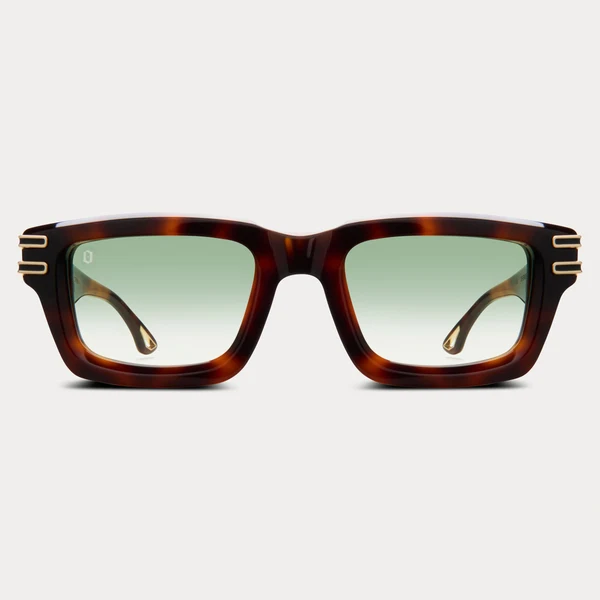
James Oro Old Money Defender
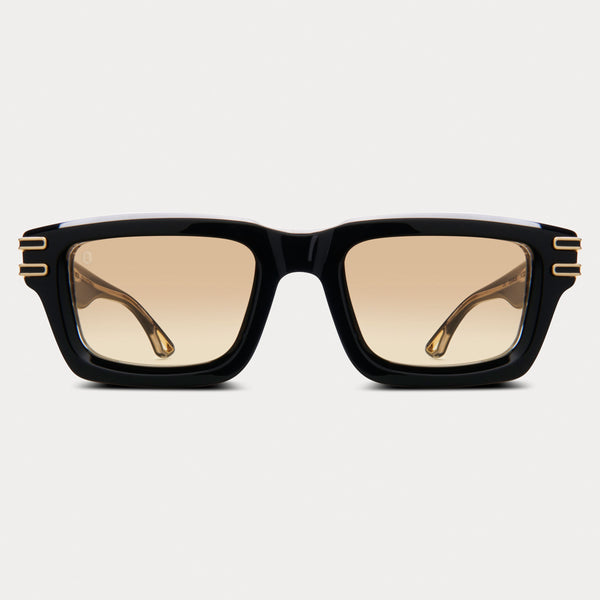
James Oro Amber Defender
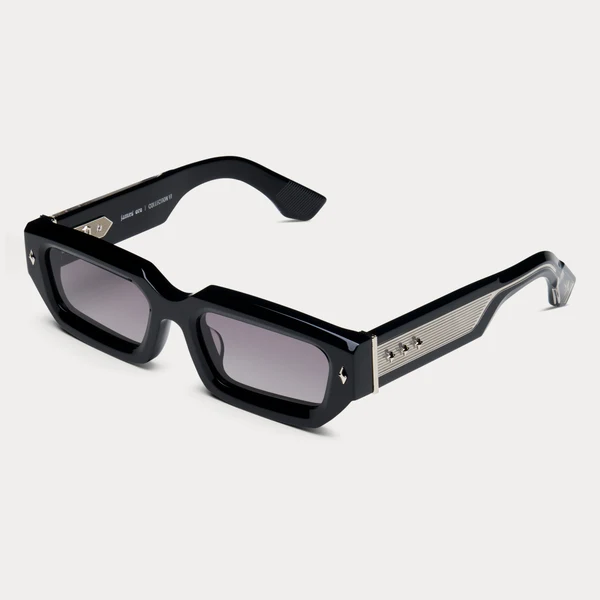
James Oro Silver Standard Legacy Dune
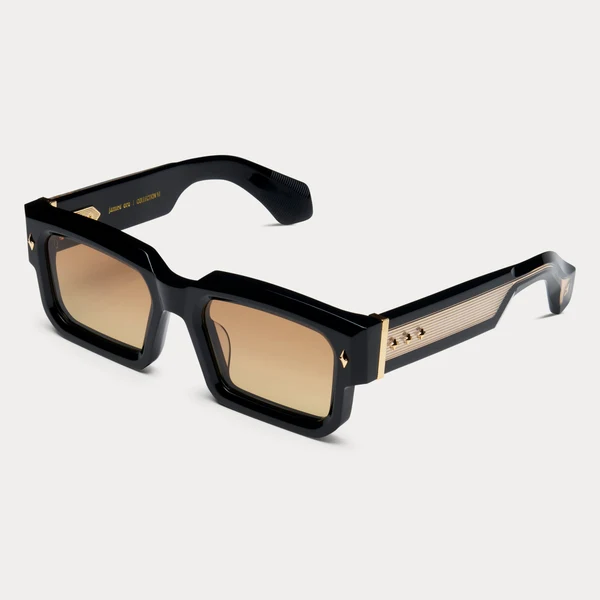
James Oro Amber Legacy Titan
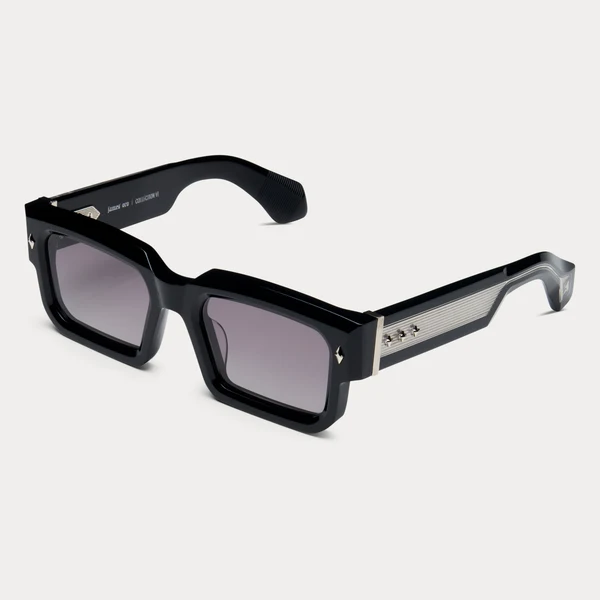
James Oro Silver Standard Legacy Titan
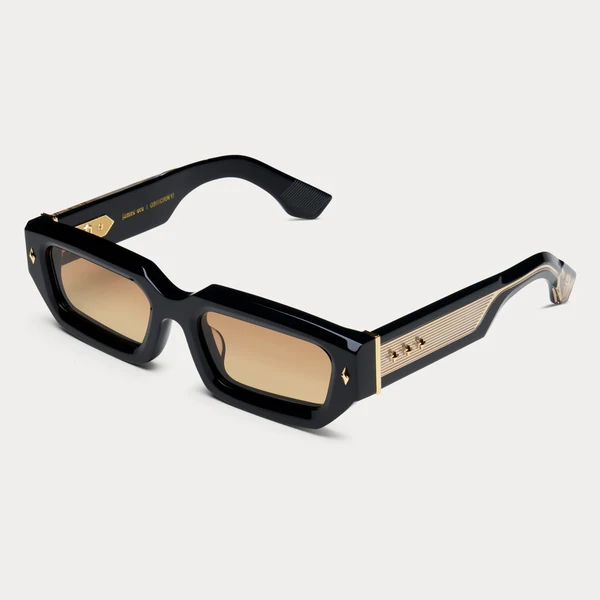
James Oro Amber Legacy Dune
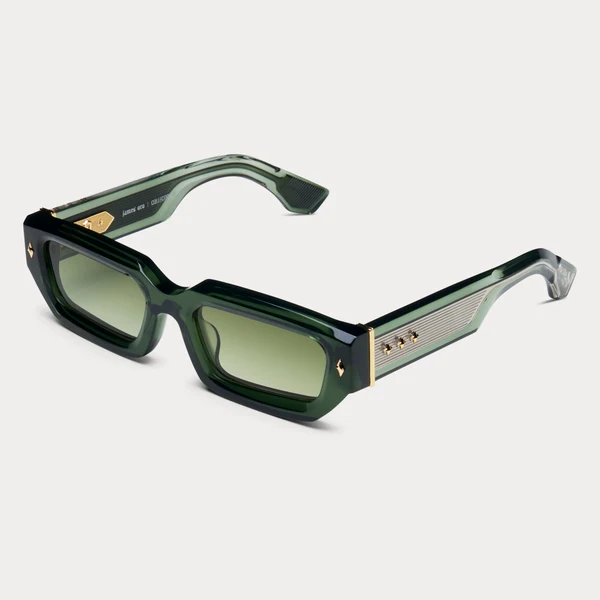
James Oro Absinthe Legacy Dune
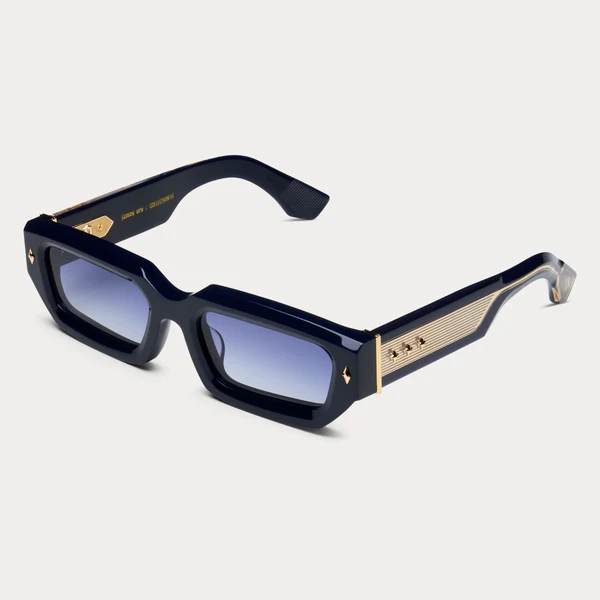
James Oro Deep Marine Legacy Dune
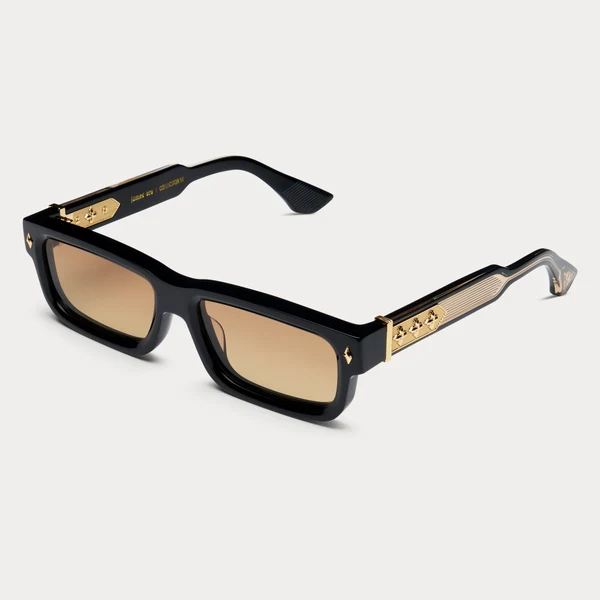
James Oro Amber Cruzer
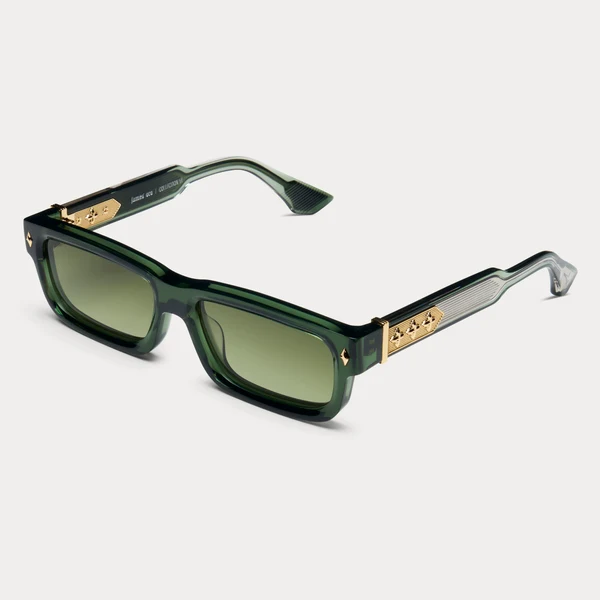
James Oro Absinthe Cruzer
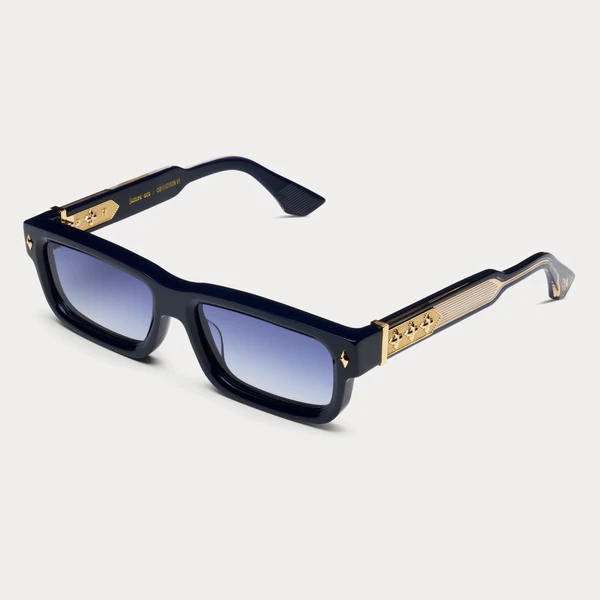
James Oro Deep Marine Cruzer
James Oro metal and mixed-material frames
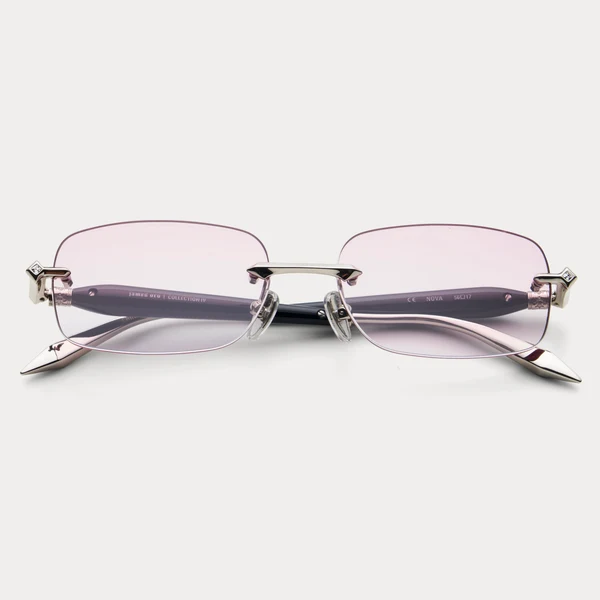
James Oro Pink Tint Silver Nova
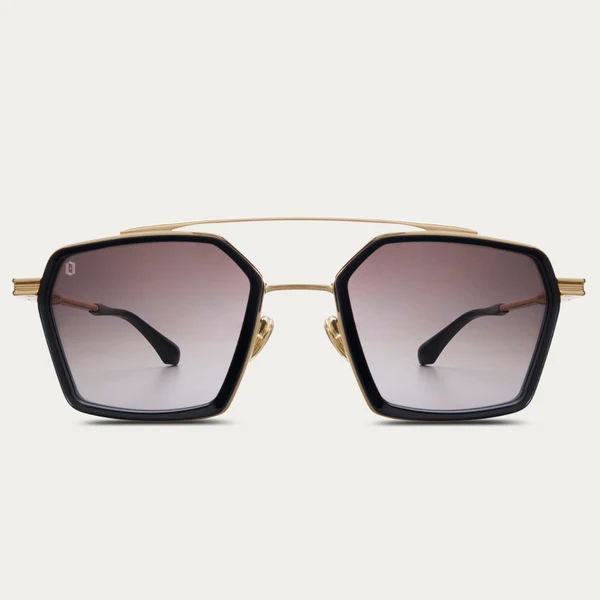
James Oro Black Cruise
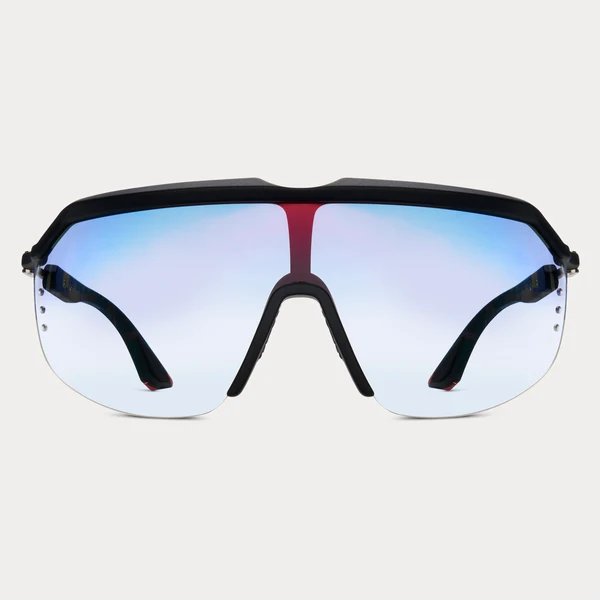
James Oro Dark Blue Flash Windshield
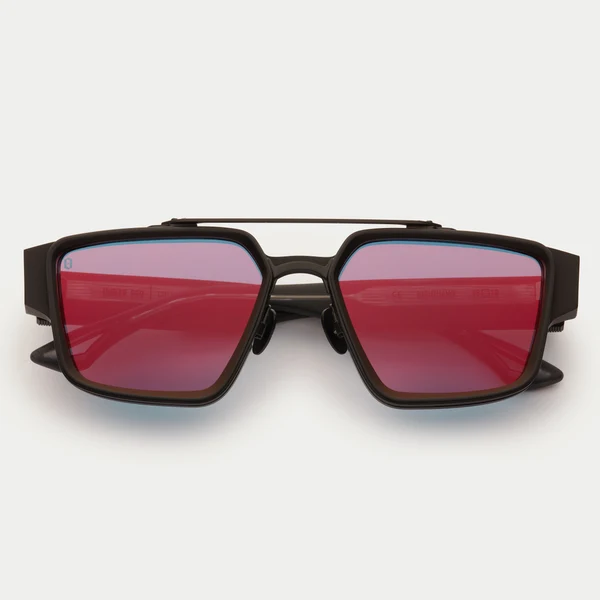
James Oro Reaper Nighthawk
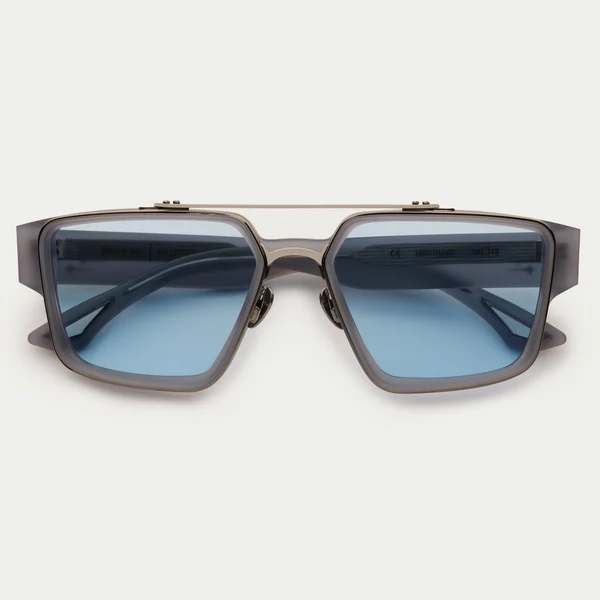
James Oro Skyline Nighthawk
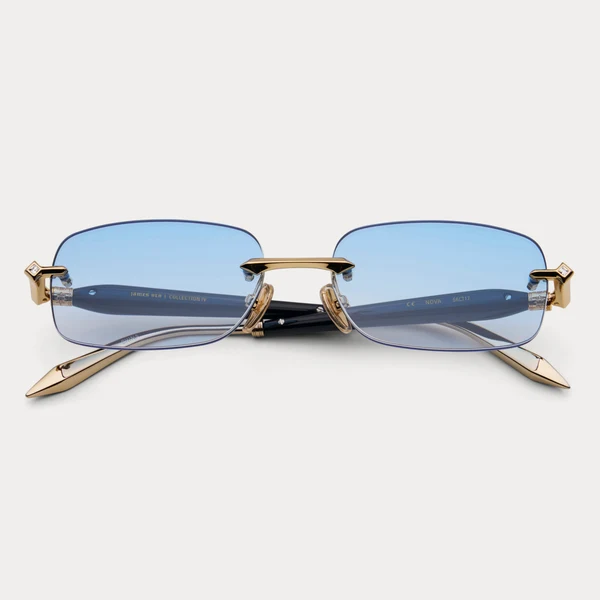
James Oro Blue Tint Nova
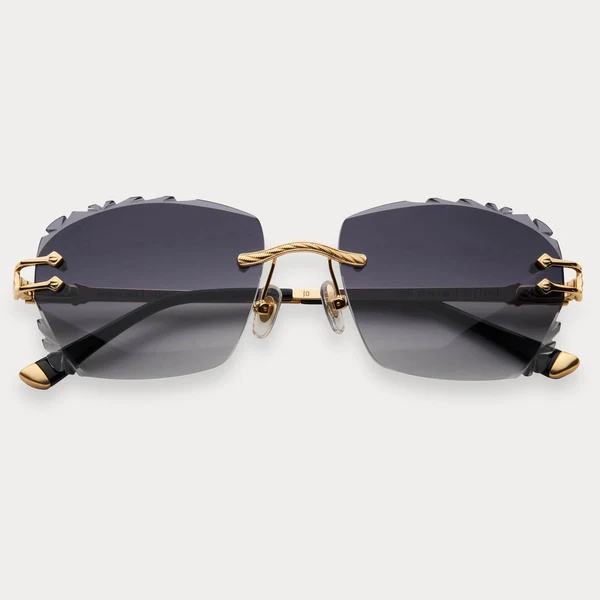
James Oro Black Tint Grail Gem Cut
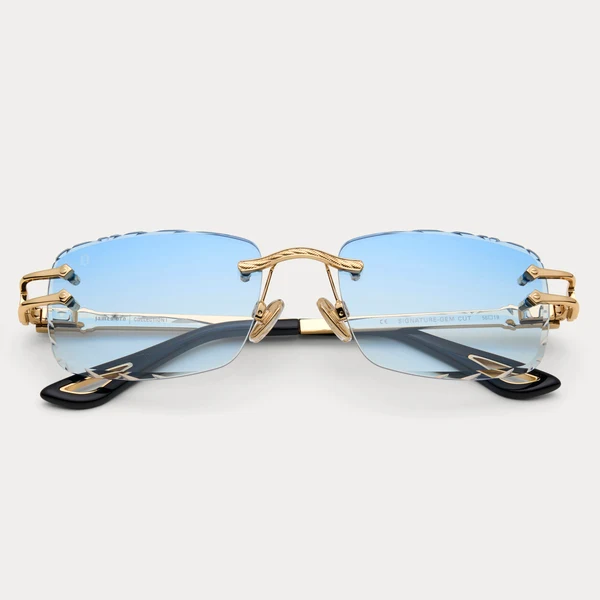
James Oro Blue Tint Signature Gem Cut
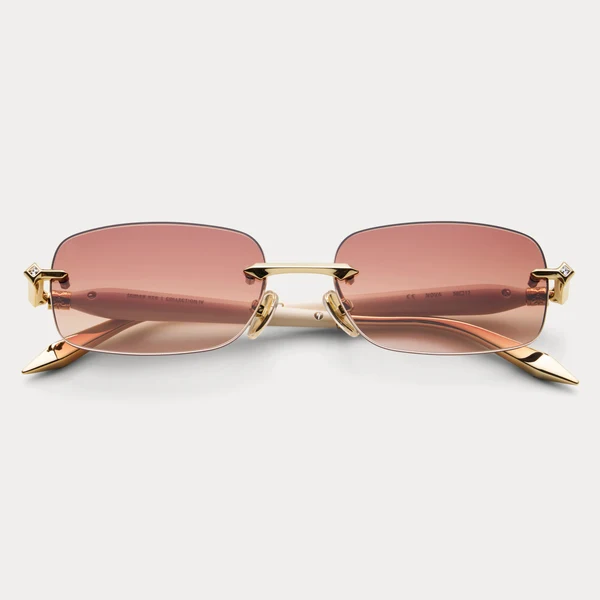
James Oro Brown Tint Nova
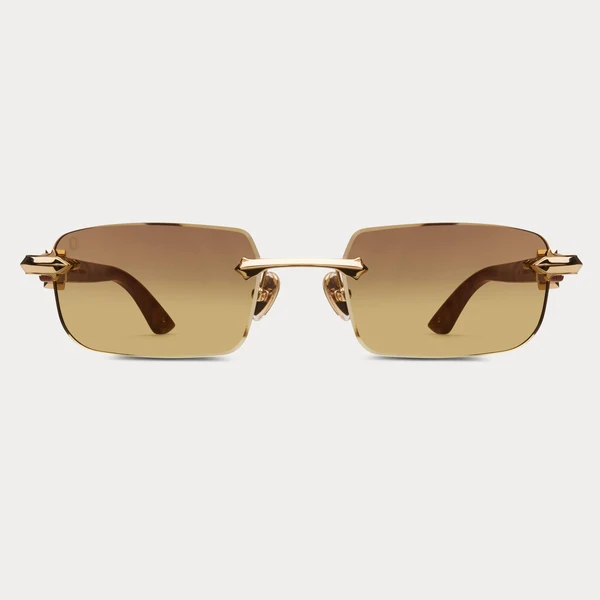
James Oro Brown Tint Confidante
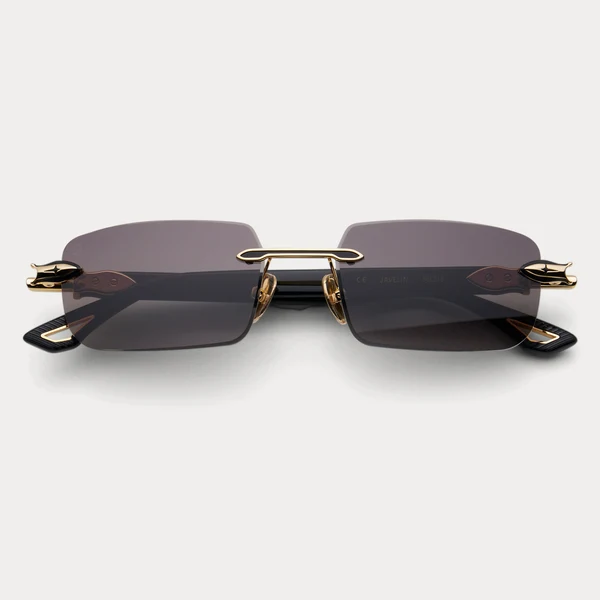
James Oro Black Tint Javelin
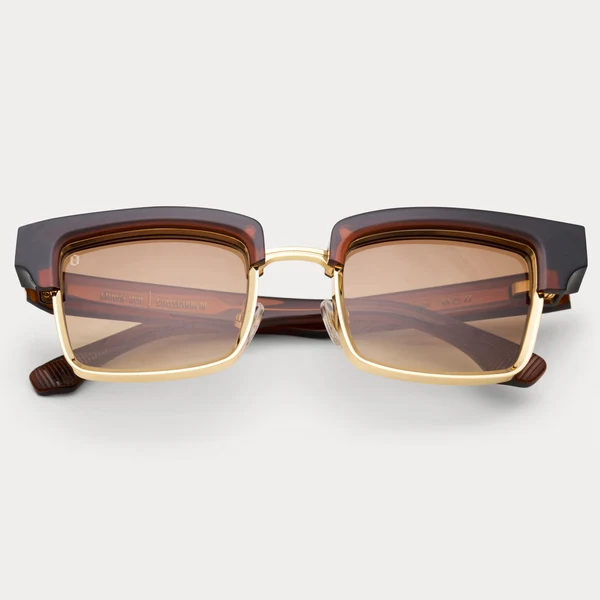
James Oro Reserve Navigator
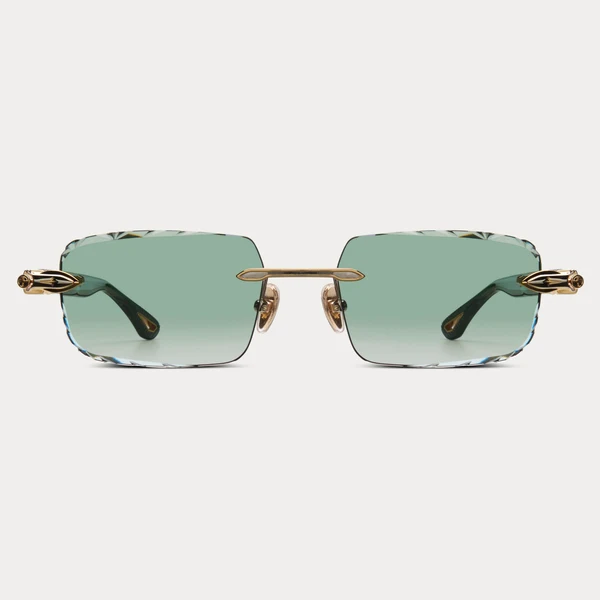
James Oro Absinthe Javelin Gem Cut
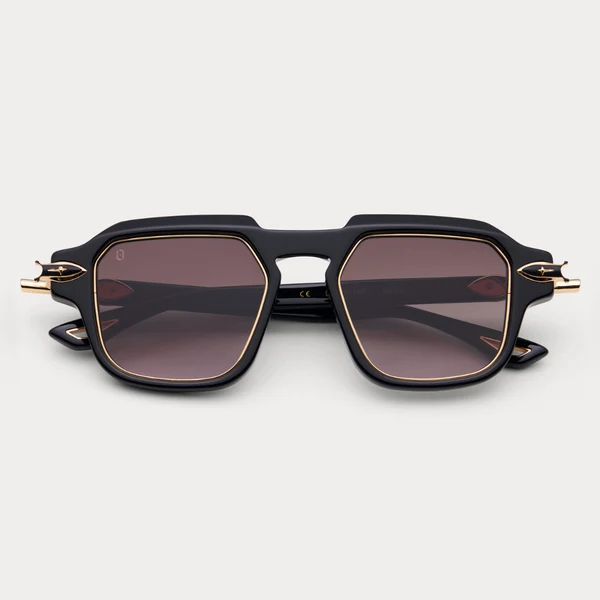
James Oro Black Godfather
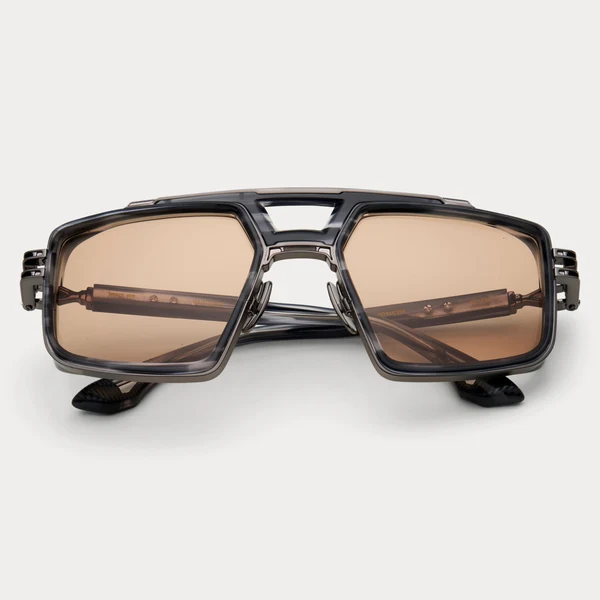
James Oro Sandstorm Skymaster
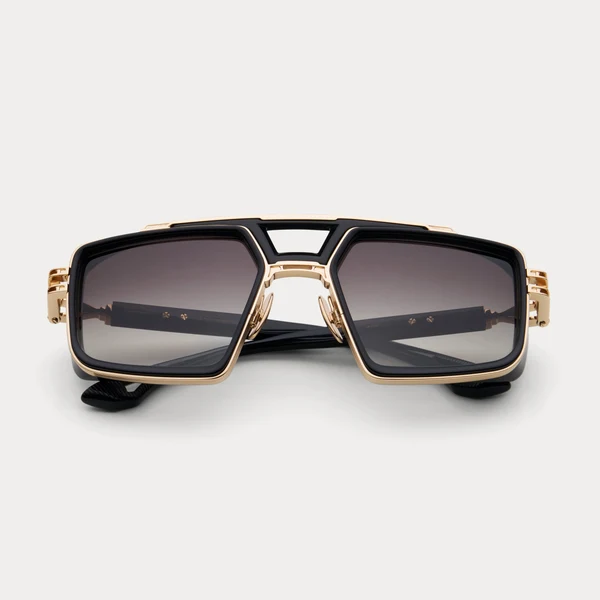
James Oro Black Skymaster
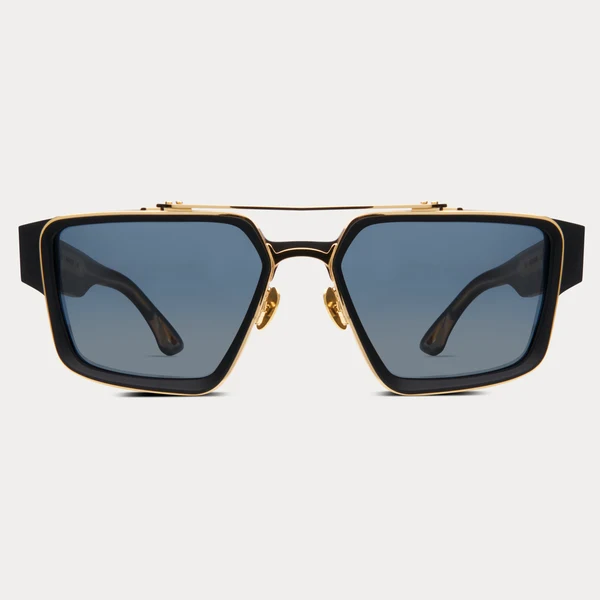
James Oro Matte Black Nighthawk
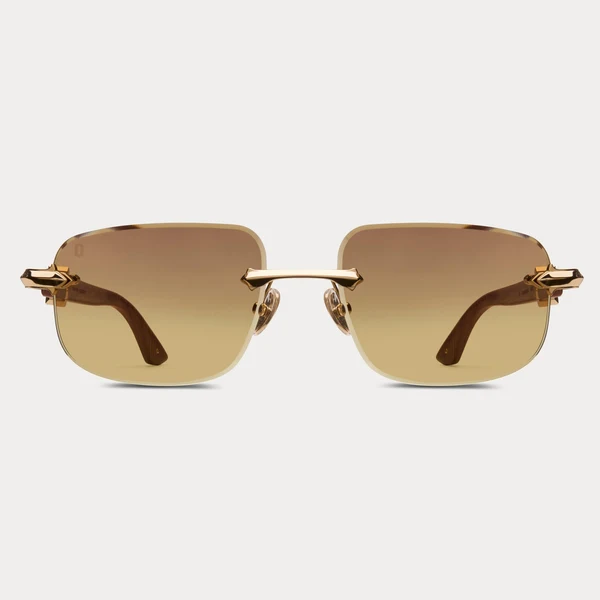
James Oro Brown Tint Consigliere
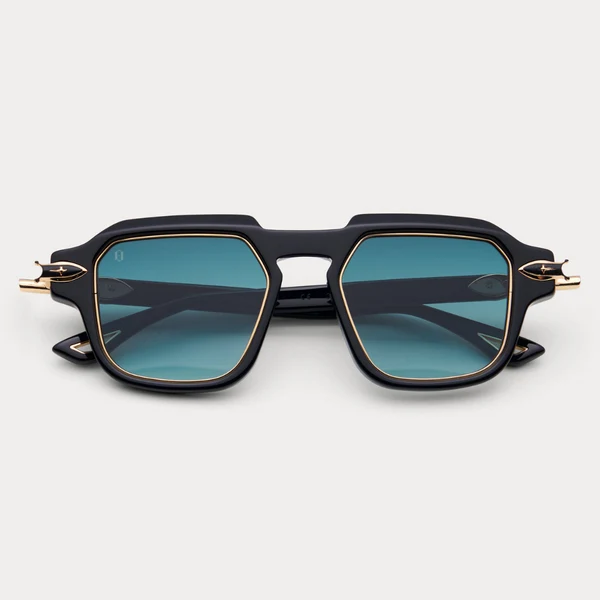
James Oro Emerald Godfather
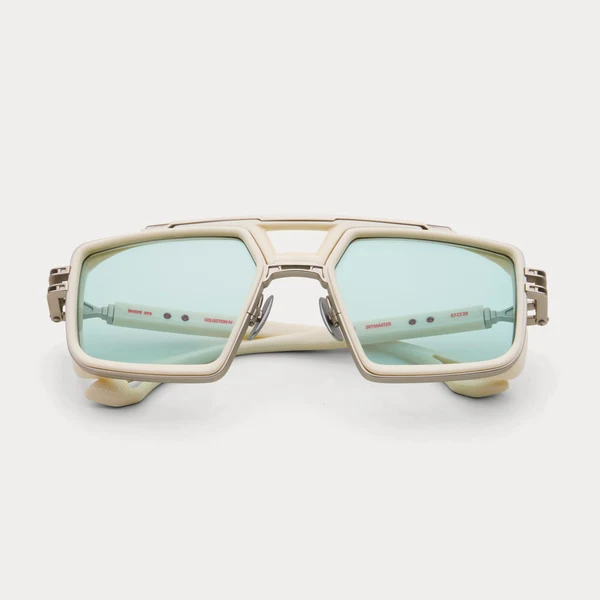
James Oro Crystal Ivory Skymaster
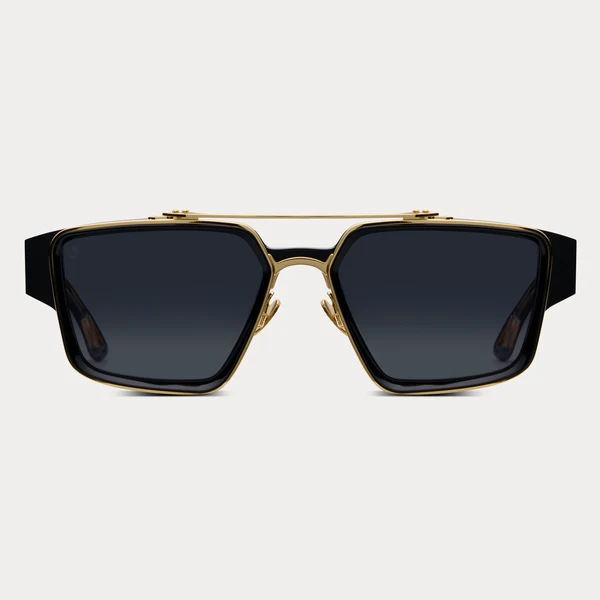
James Oro Black Nighthawk
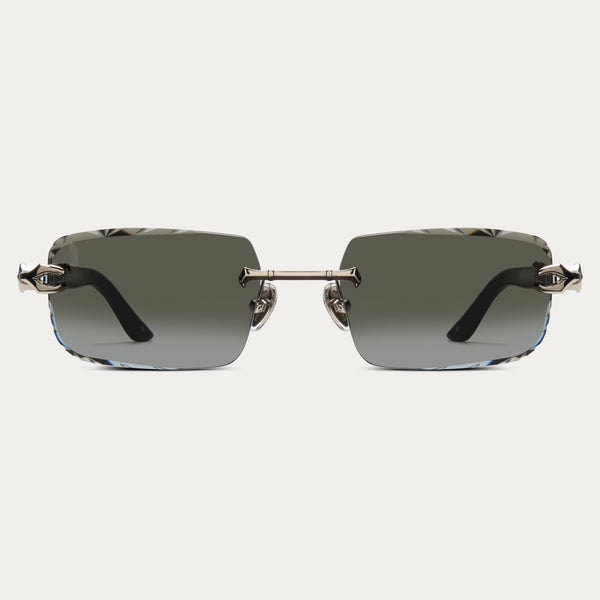
James Oro Black Silver Hydra Gem Cut
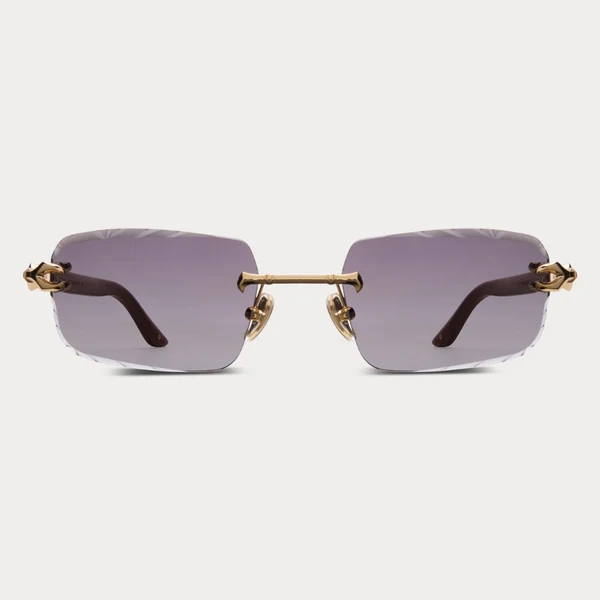
James Oro Black Tint Hydra Gem Cut
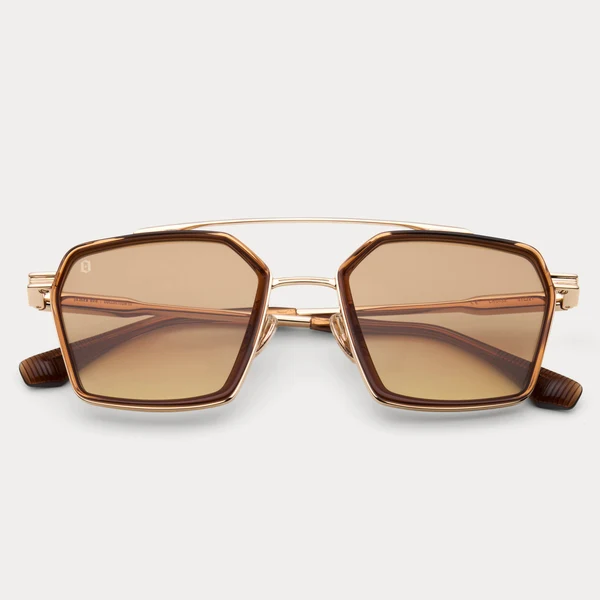
James Oro Reserve Cruise
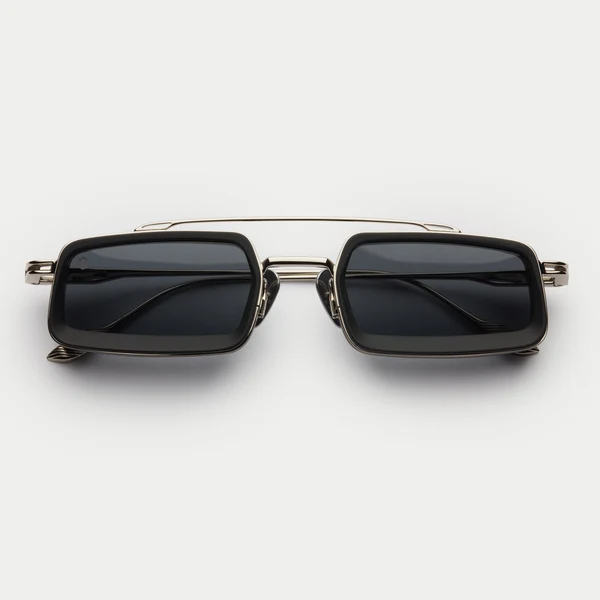
James Oro Silver Intake
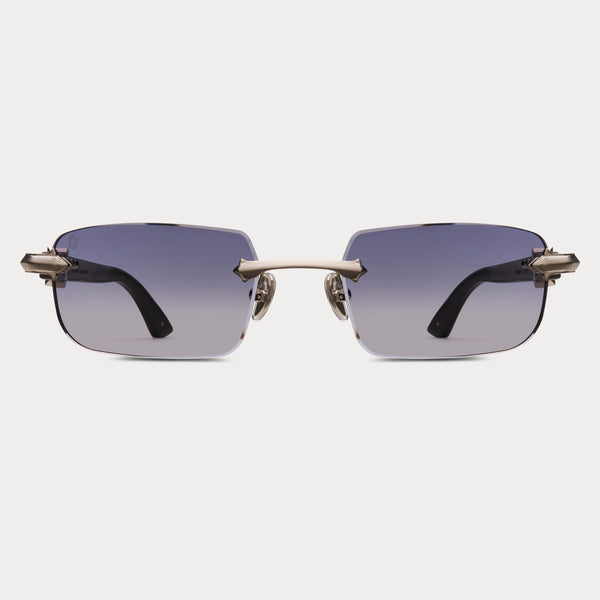
James Oro Black Tint Silver Confidante
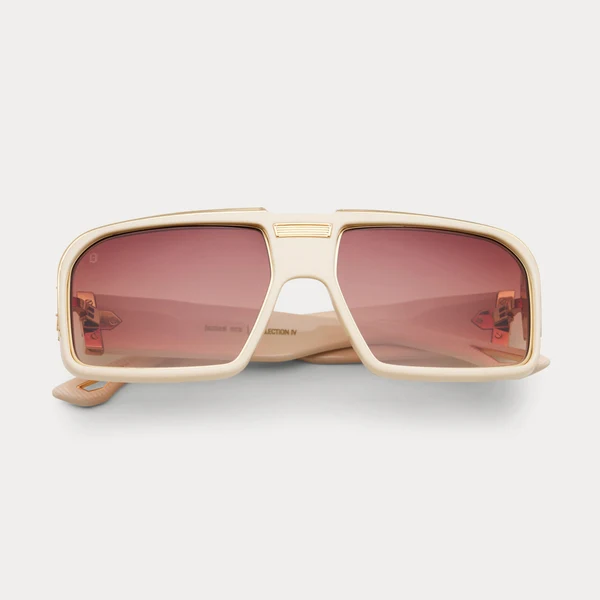
James Oro Bone Tycoon
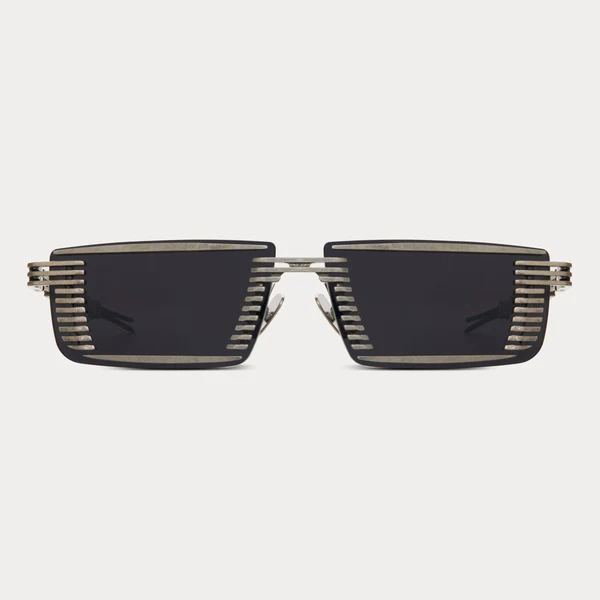
James Oro Antique Silver Vertebrae
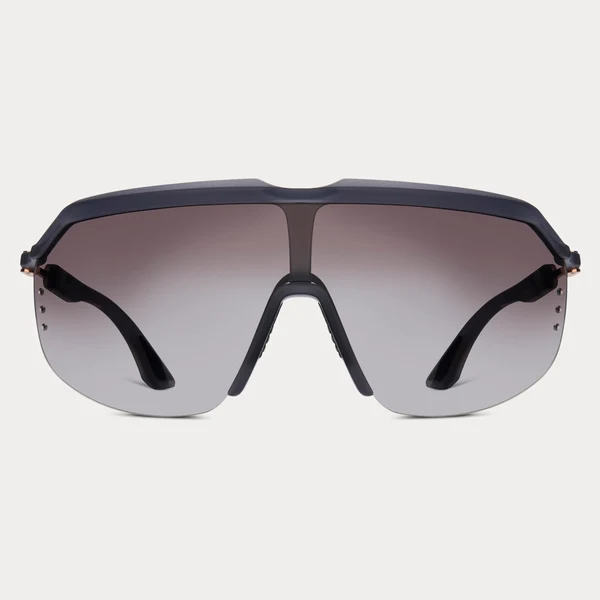
James Oro Rose Smoke Windshield
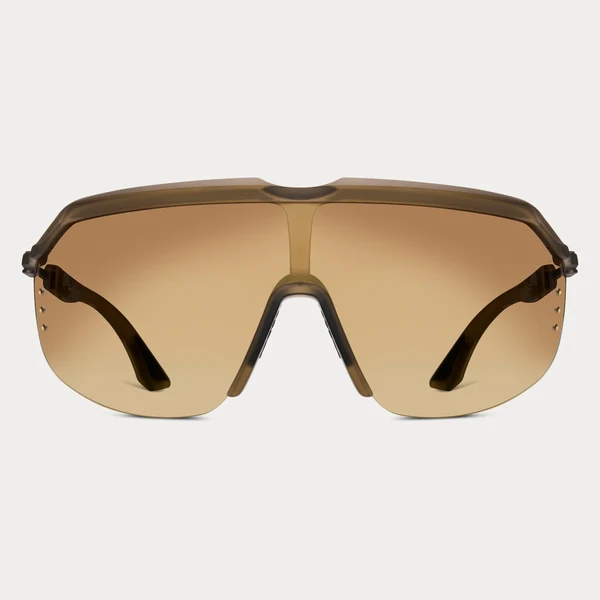
James Oro Dust Amber Windshield
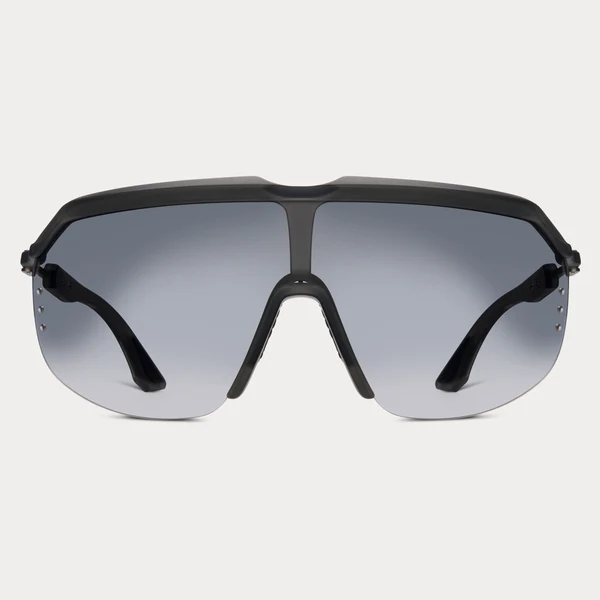
James Oro Matte Clear Grey Windshield
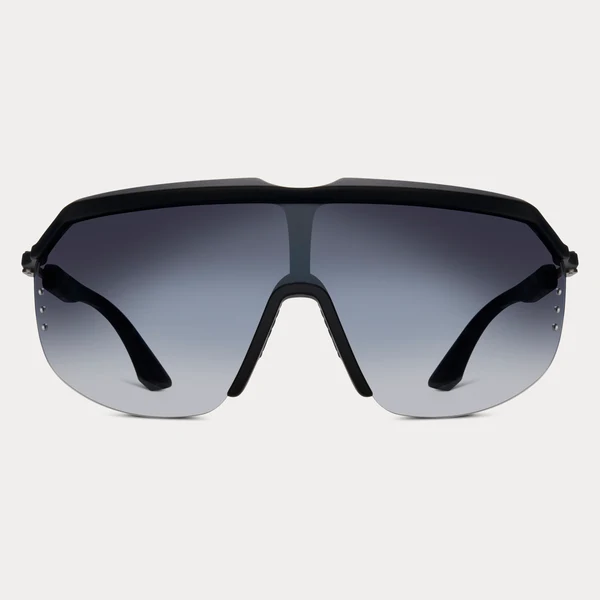
James Oro Black Silver Flash Windshield
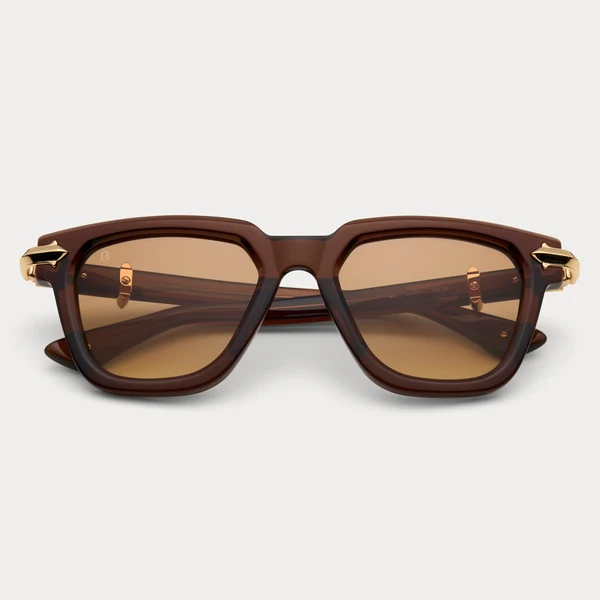
James Oro Reserve Capo
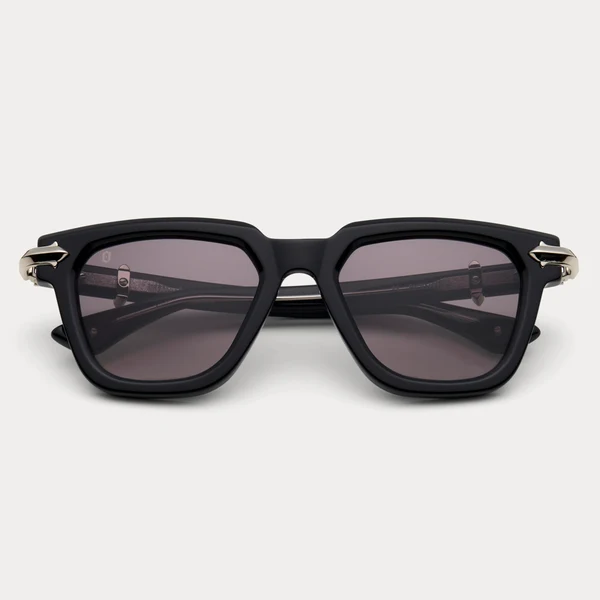
James Oro Black Tint Capo
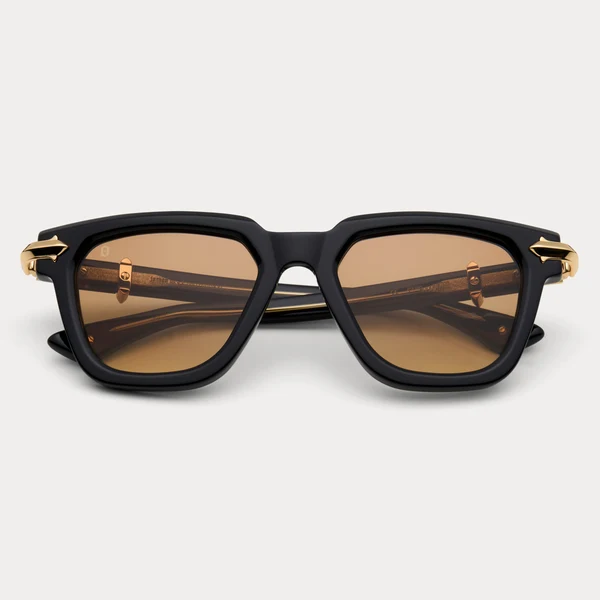
James Oro Amber Capo
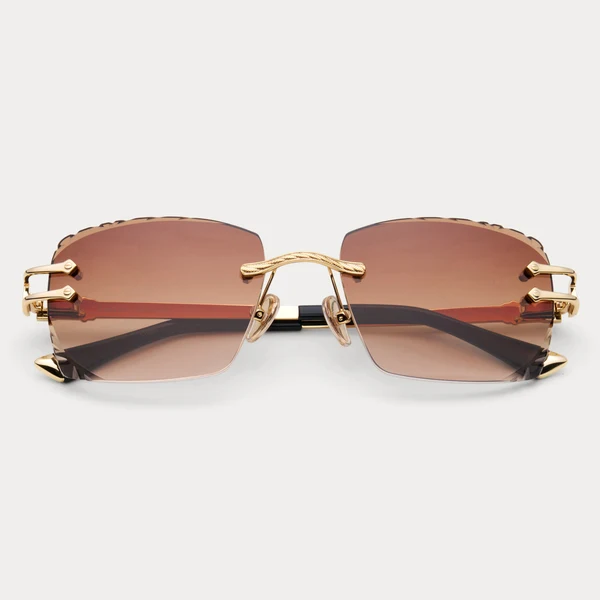
James Oro Brown Tint Grail Gem Cut
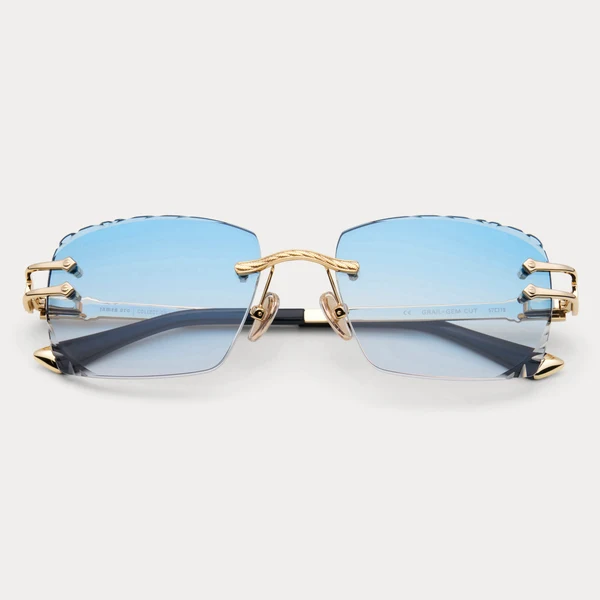
James Oro Blue Tint Grail Gem Cut
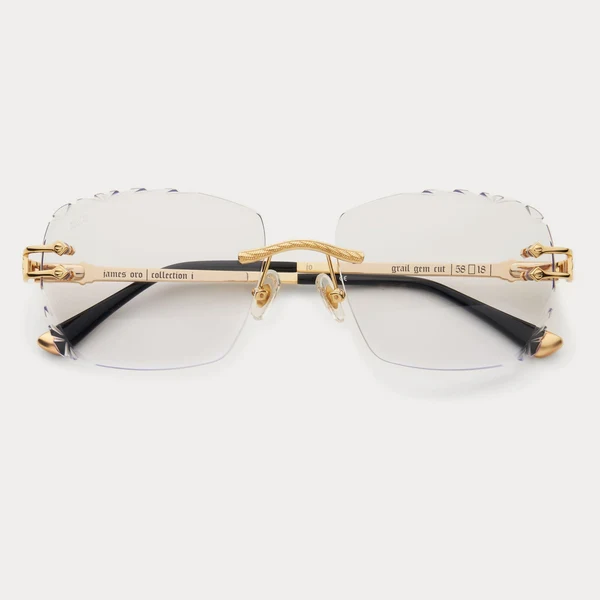
James Oro Clear Grail Gem Cut
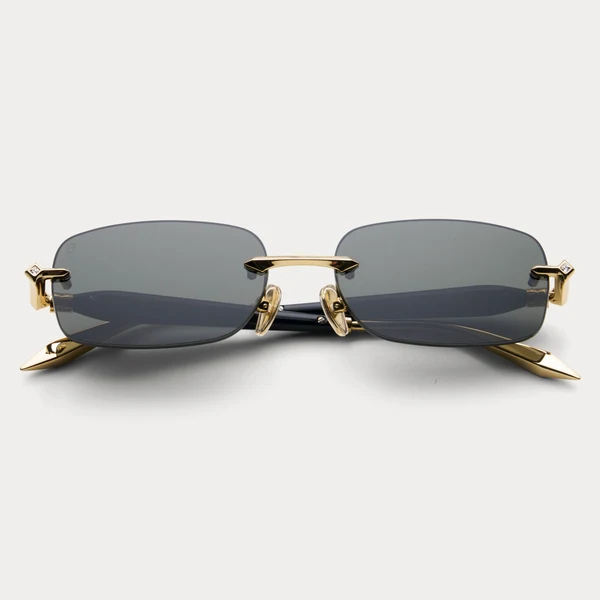
James Oro Black Tint Nova
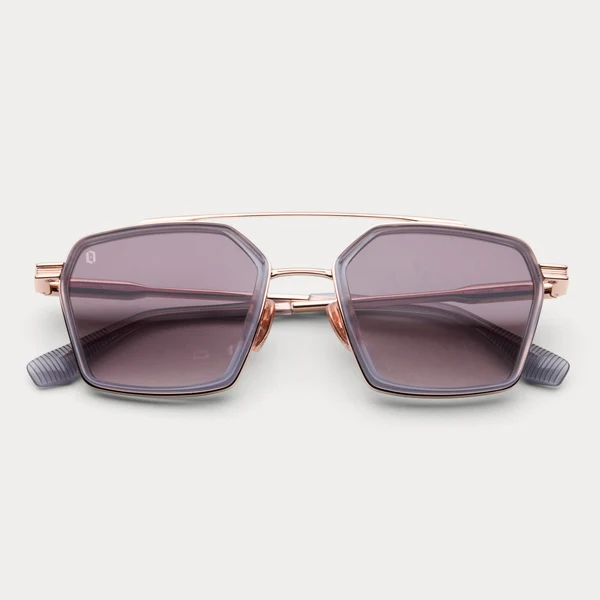
James Oro Rose Gold Cruise
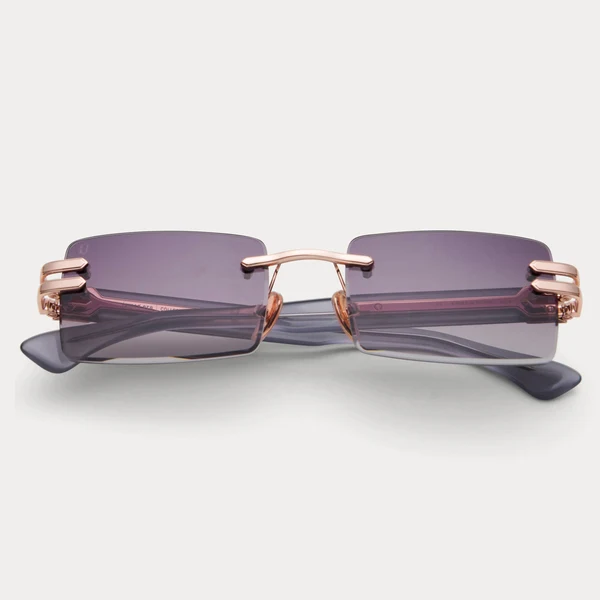
James Oro Rose Smoke Baron
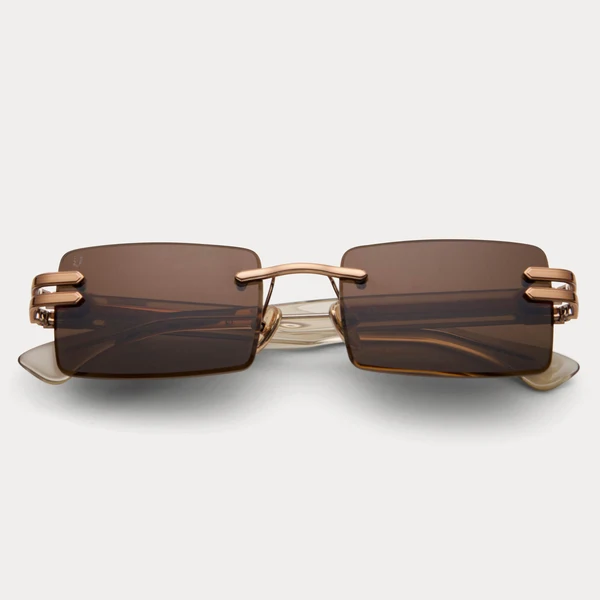
James Oro Espresso Baron
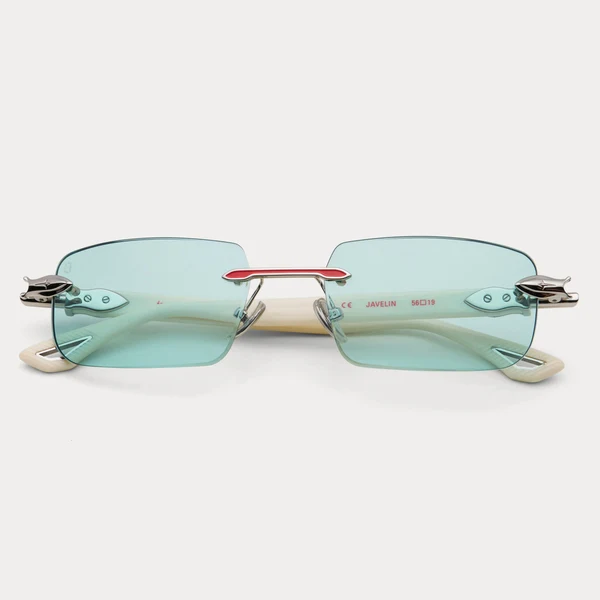
James Oro Crystal Ivory Javelin
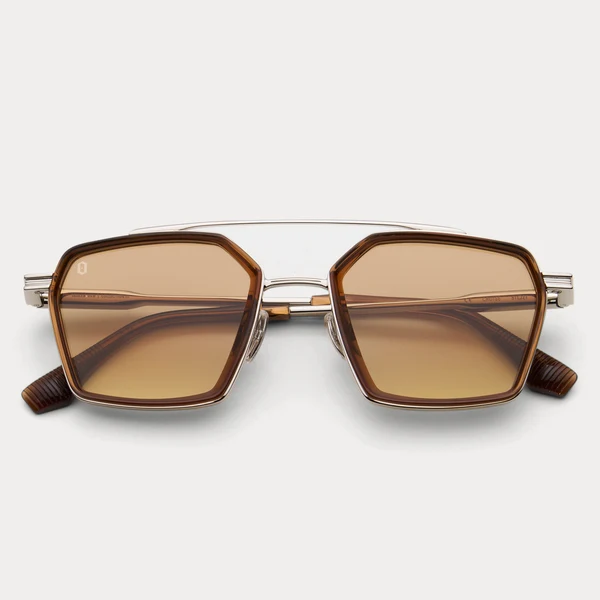
James Oro Cognac Fade Cruise
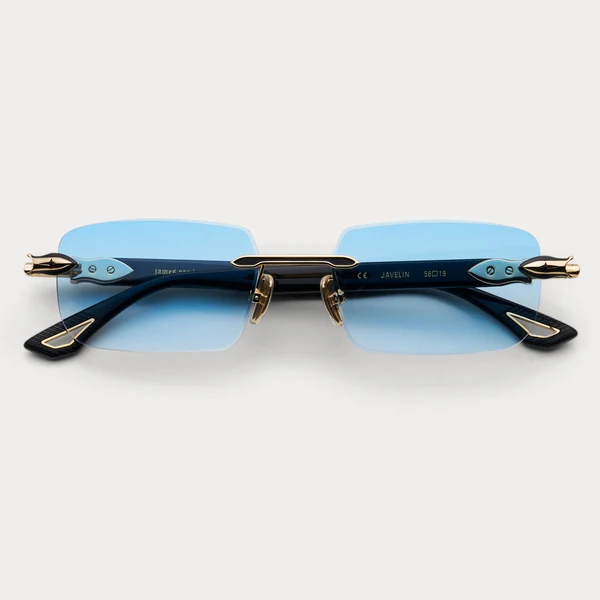
James Oro Blue Tint Javelin
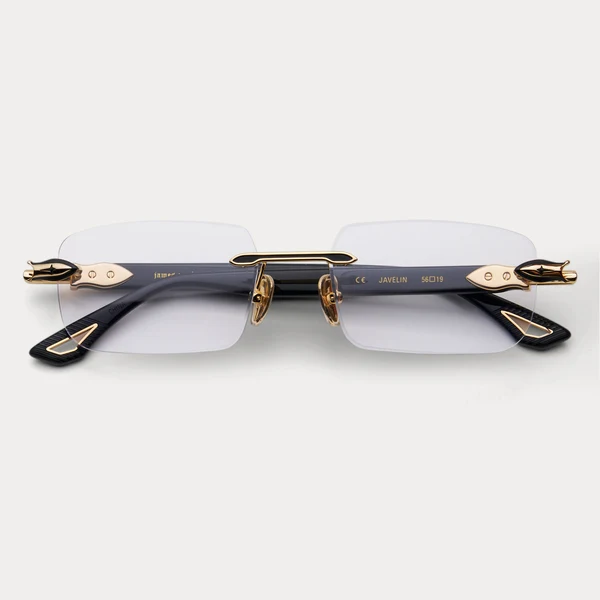
James Oro Clear Javelin
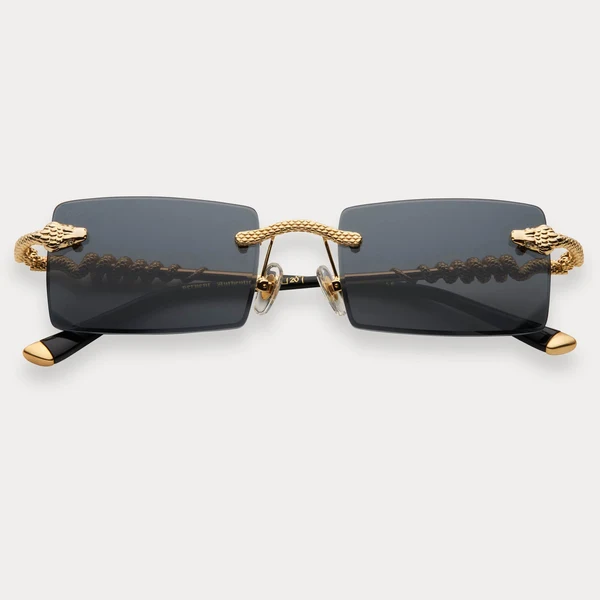
James Oro Black Tint Serpent Authentic XL
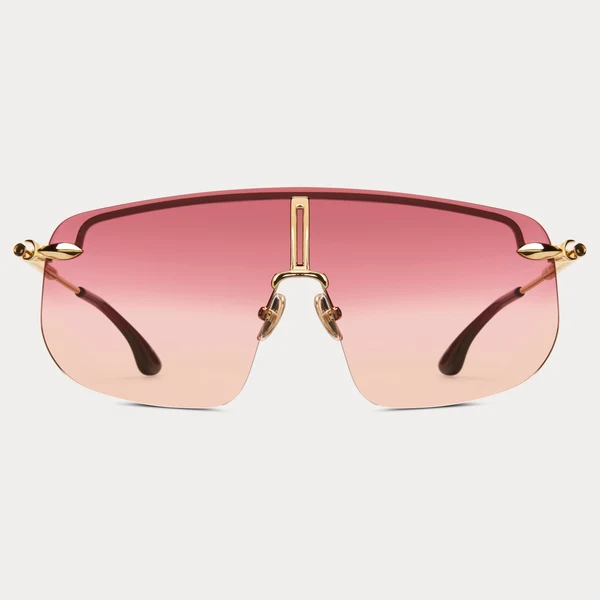
James Oro Reserve Bordeaux Vantage

James Oro Lavender Silver Vantage
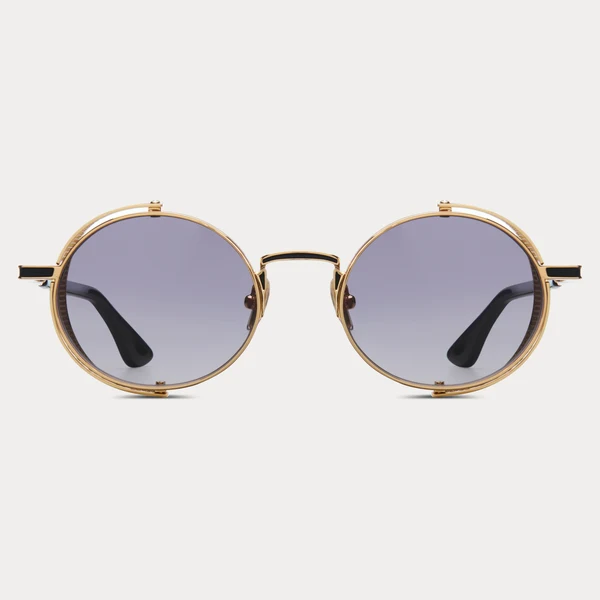
James Oro Black Tint Nomad
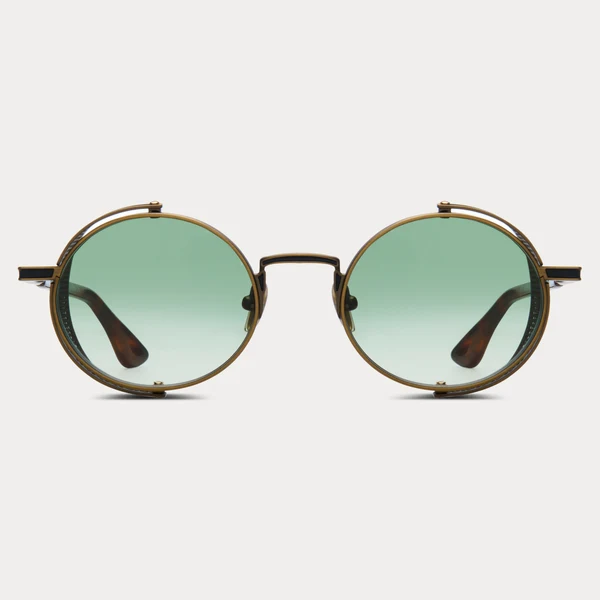
James Oro Old Money Nomad
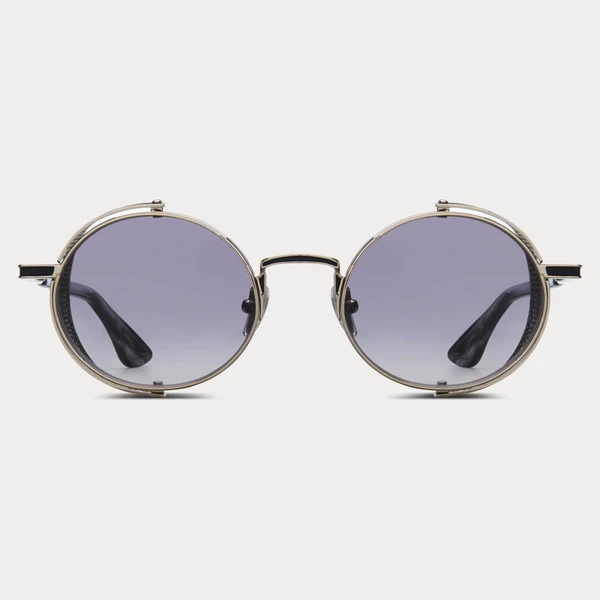
James Oro Haze Nomad
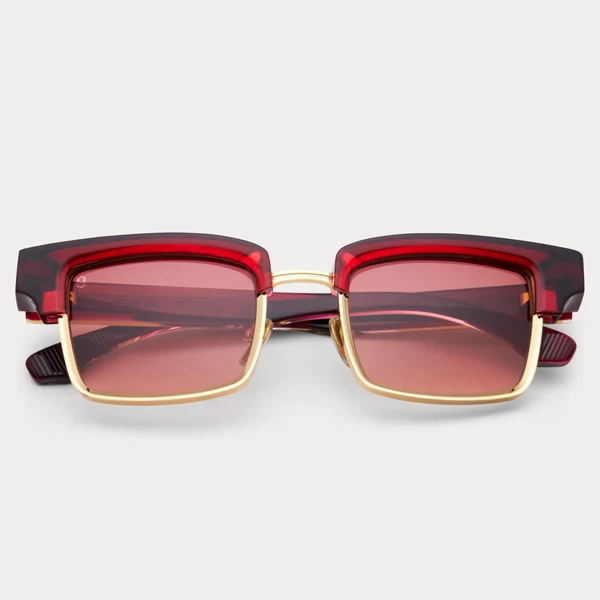
James Oro Reserve Bordeaux Navigator

James Oro Midnight Tint Gold Vantage

James Oro Dusk Tint Silver Vantage
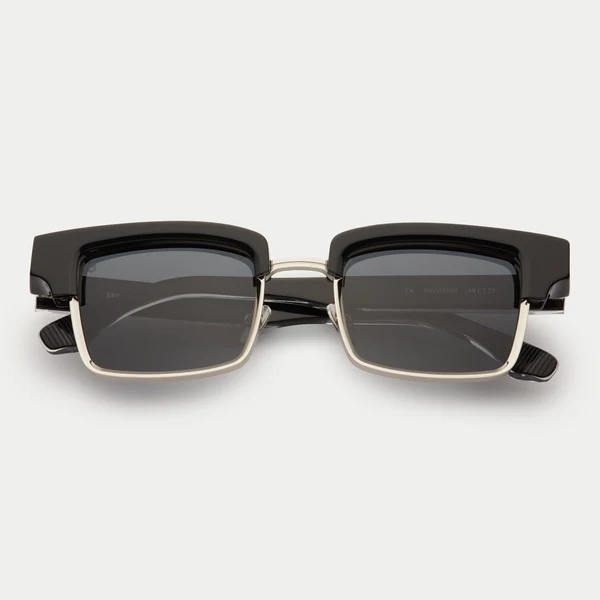
James Oro Black Silver Navigator
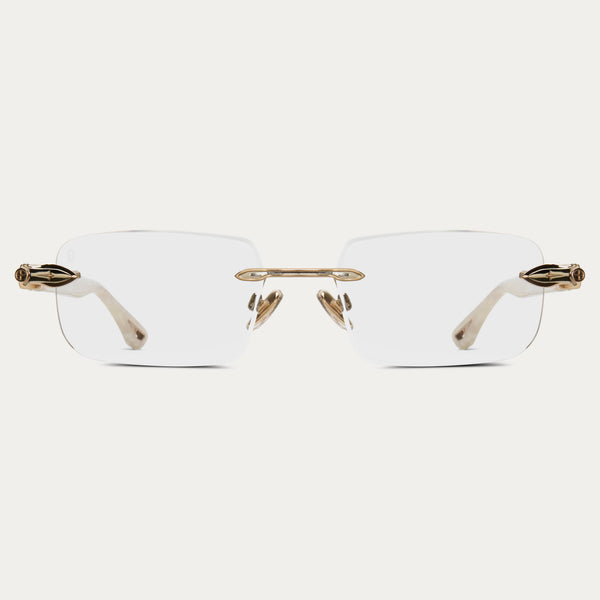
James Oro Opaline Javelin
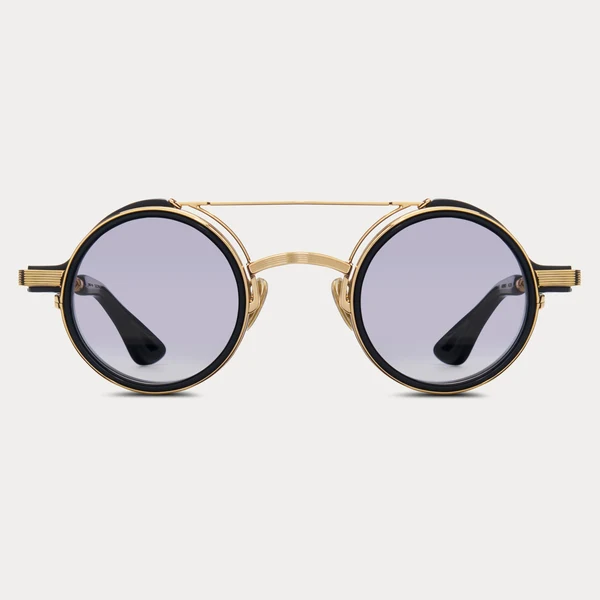
James Oro Black Tint Architect
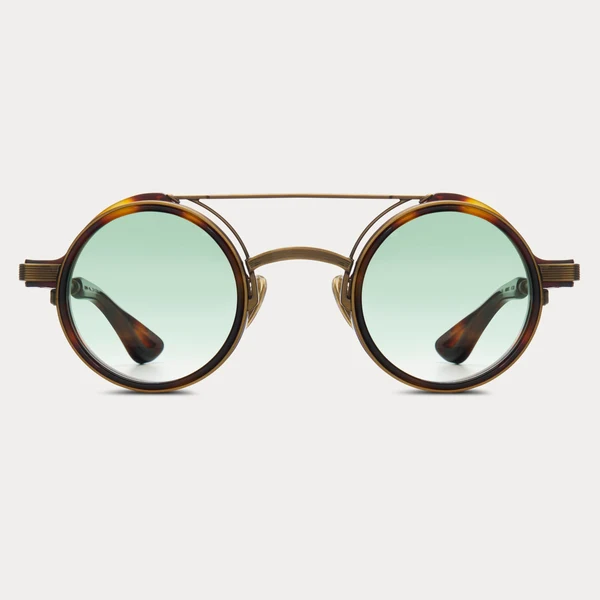
James Oro Old Money Architect
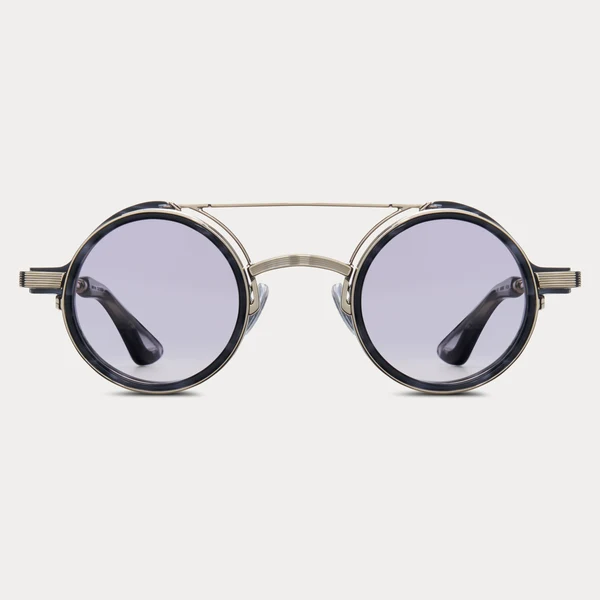
James Oro Haze Architect
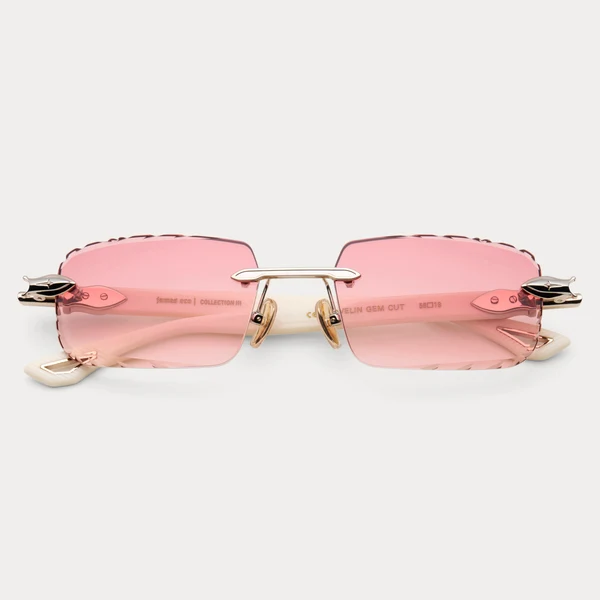
James Oro Blush Javelin Gem Cut
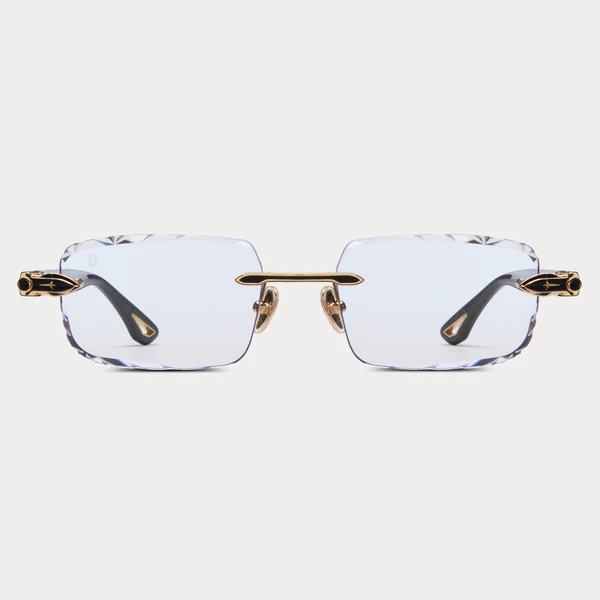
James Oro Clear Black Javelin Gem Cut
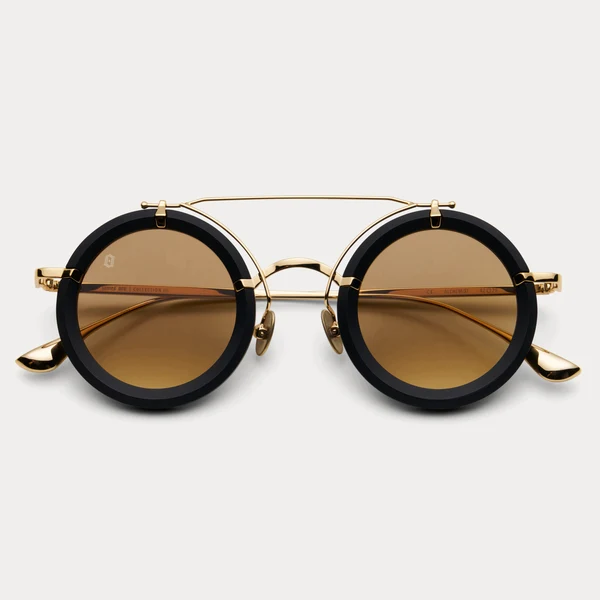
James Oro Amber Alchemist
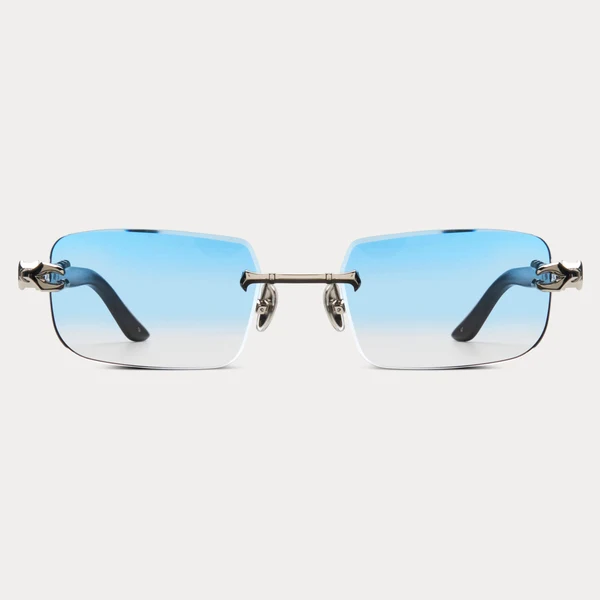
James Oro Blue Tint Silver Hydra
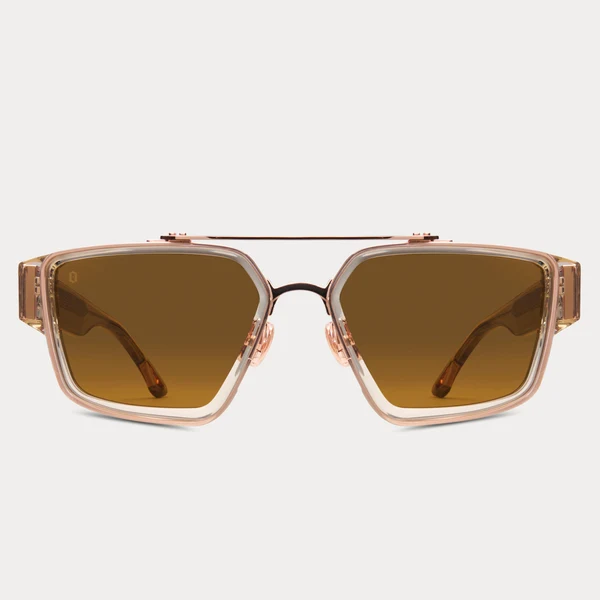
James Oro Champagne Rose Nighthawk
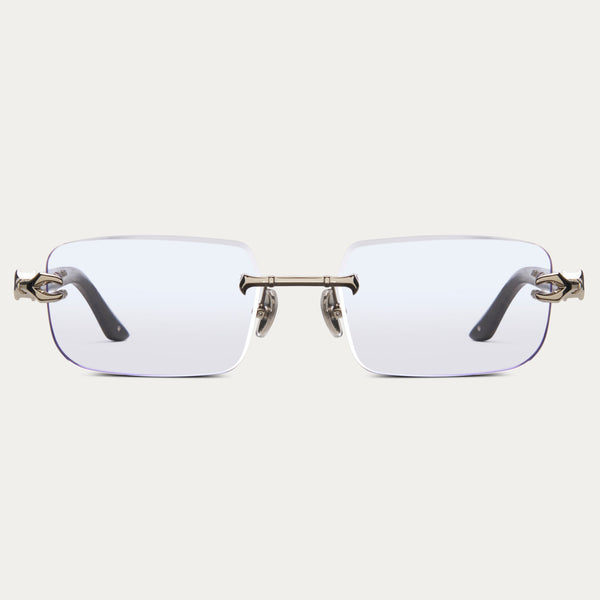
James Oro Clear Silver Hydra
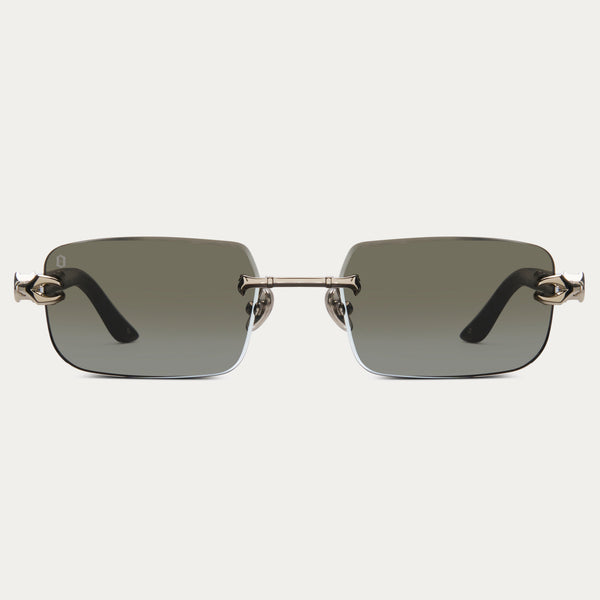
James Oro Black Tint Silver Hydra
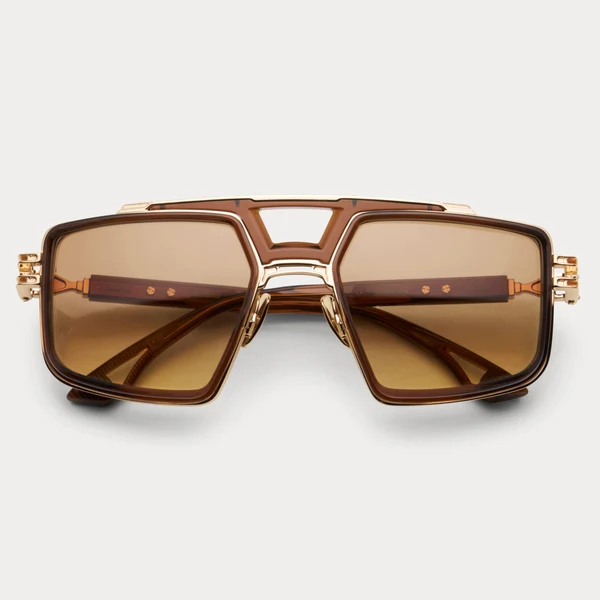
James Oro Reserve Skymaster
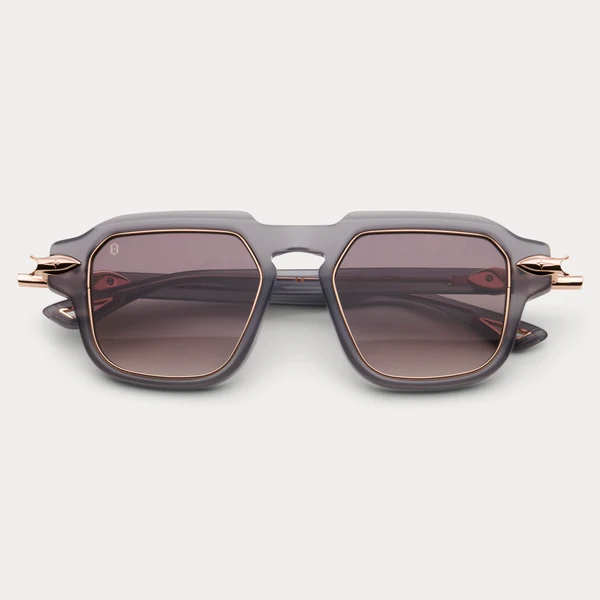
James Oro Rose Smoke Godfather
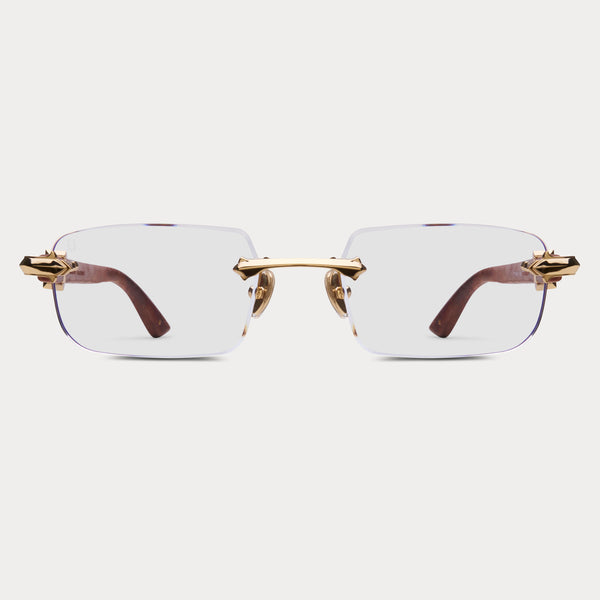
James Oro Clear Confidante
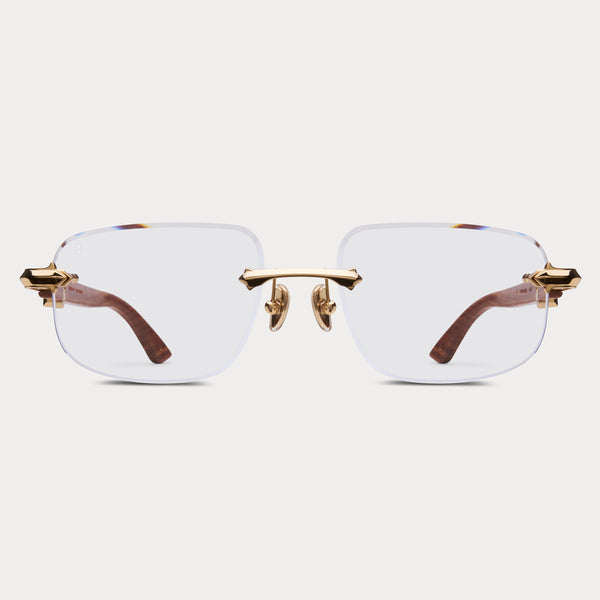
James Oro Clear Consigliere
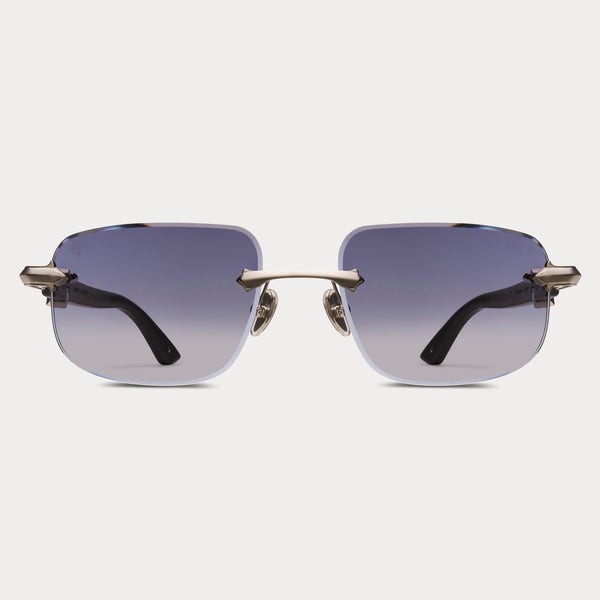
James Oro Black Tint Silver Consigliere
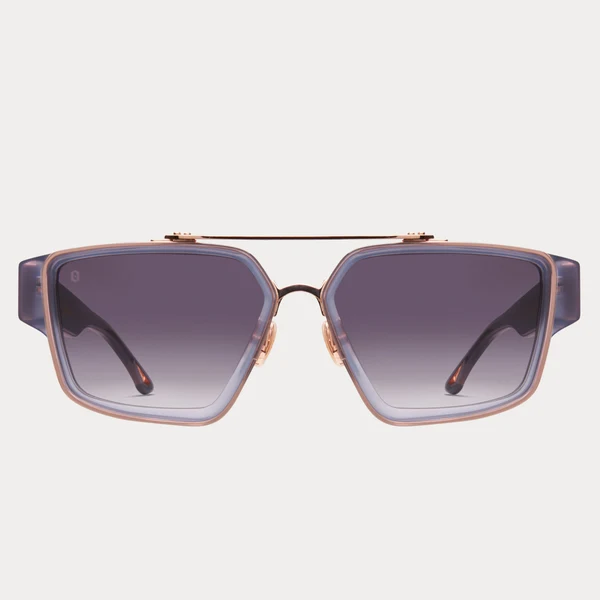
James Oro Rose Smoke Nighthawk
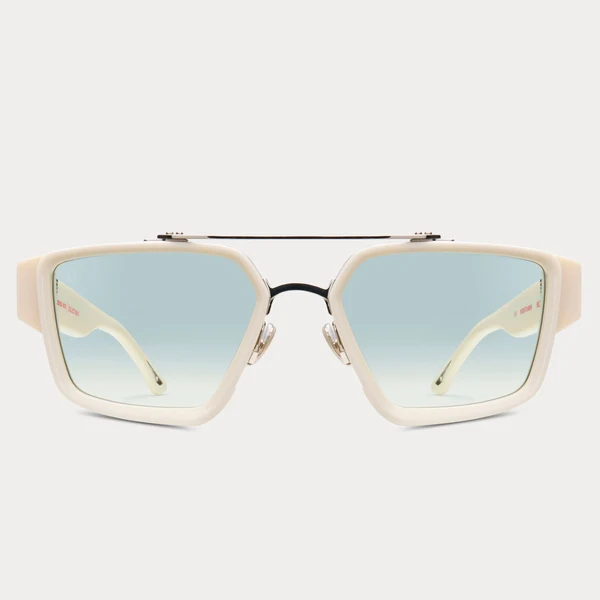
James Oro Crystal Ivory Nighthawk
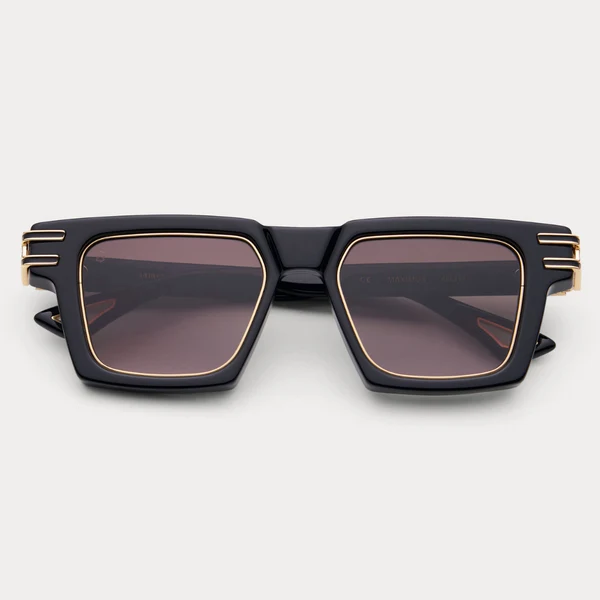
James Oro Black Maximus
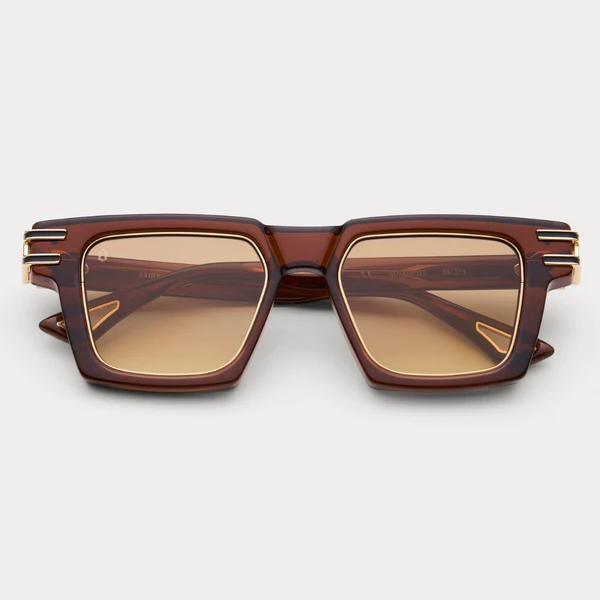
James Oro Reserve Maximus
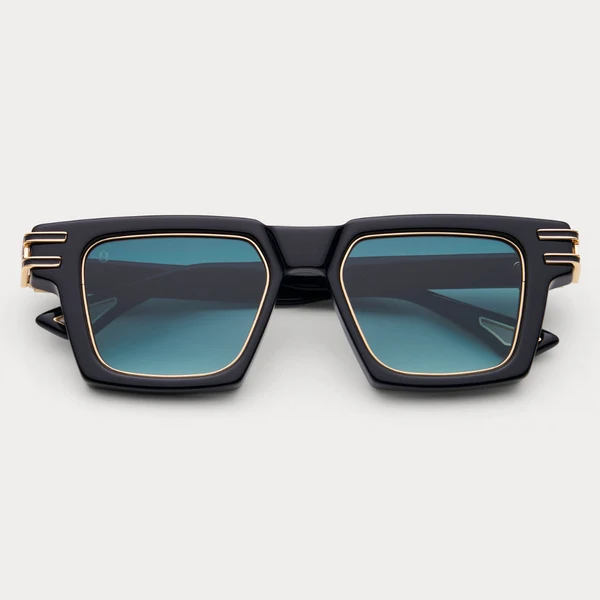
James Oro Emerald Maximus
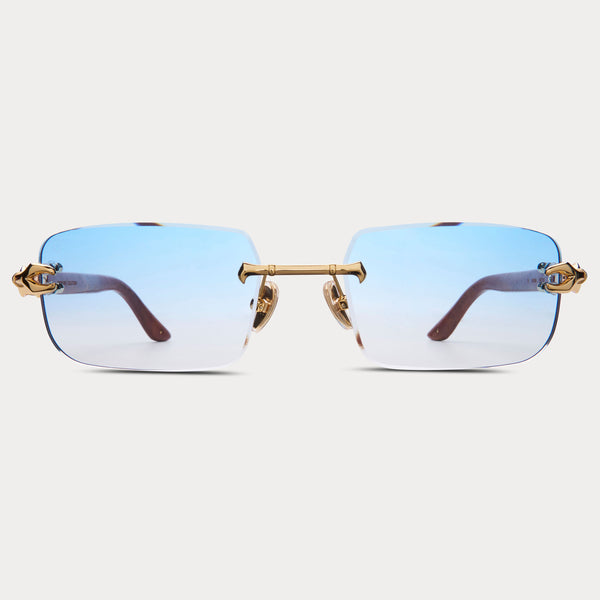
James Oro Blue Tint Hydra
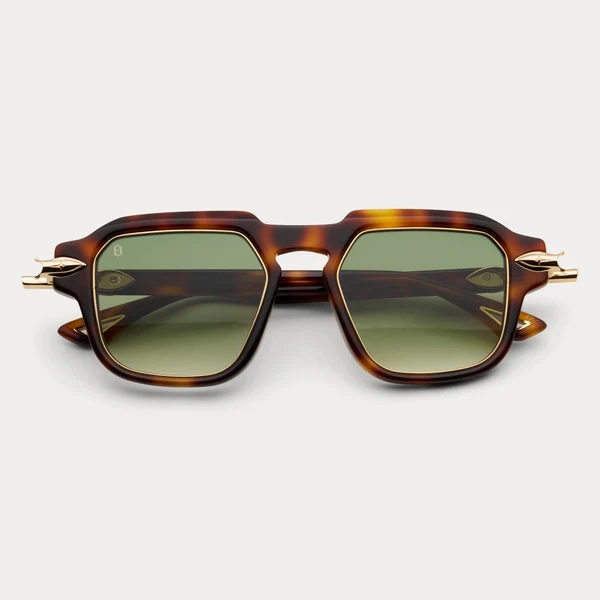
James Oro Old Money Godfather
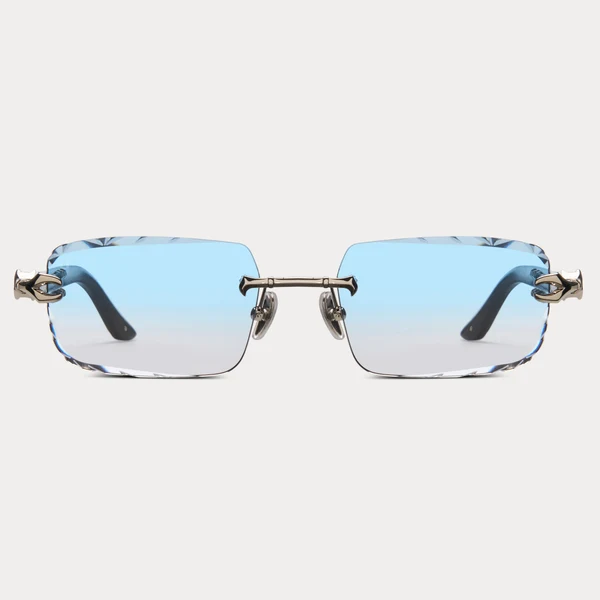
James Oro Blue Tint Silver Hydra Gem Cut
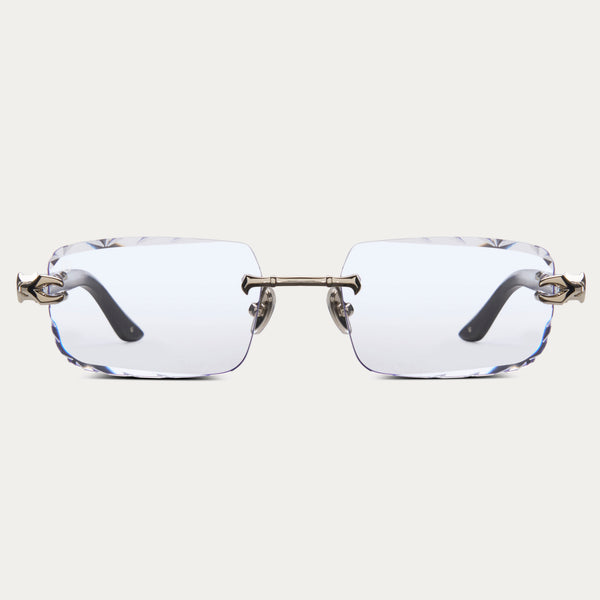
James Oro Clear Silver Hydra Gem Cut
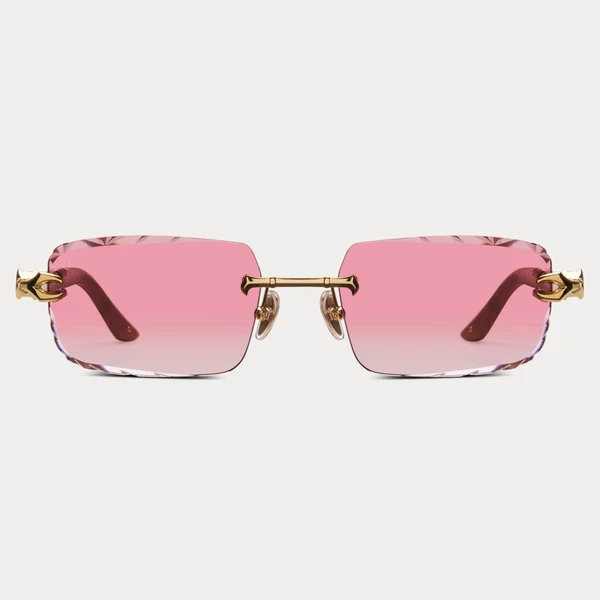
James Oro Red Tint Hydra Gem Cut
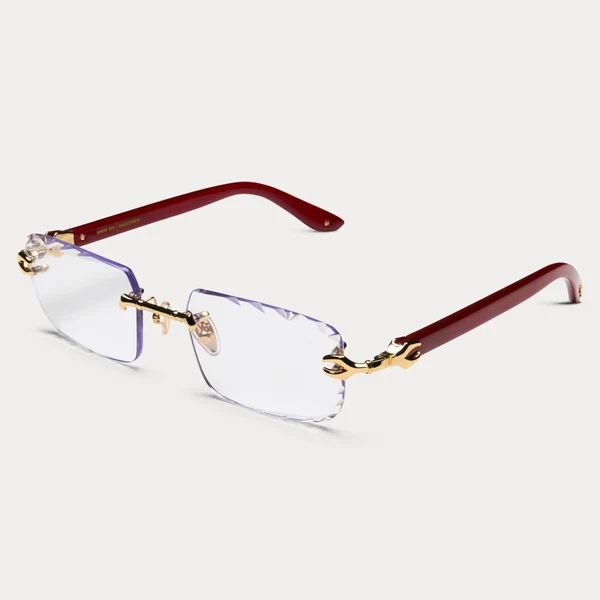
James Oro Clear Red Lacquer Hydra Gem Cut
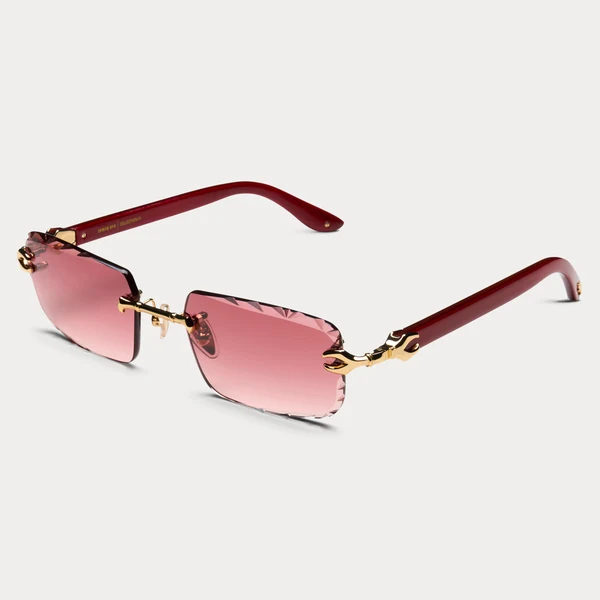
James Oro Red Tint Lacquer Hydra Gem Cut
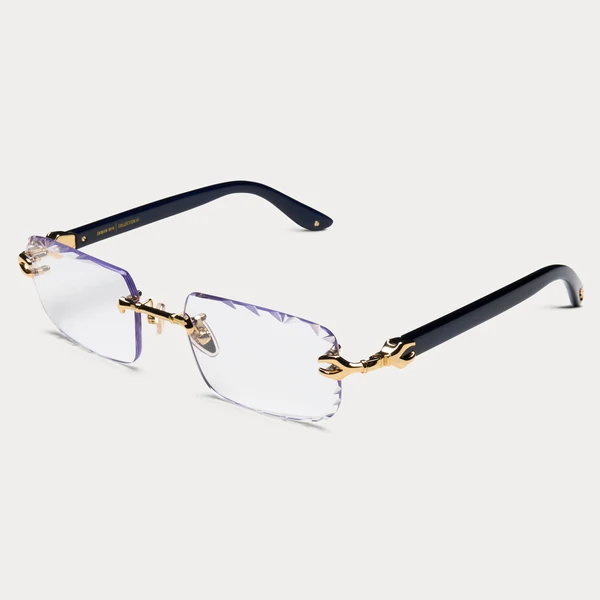
James Oro Clear Blue Lacquer Hydra Gem Cut
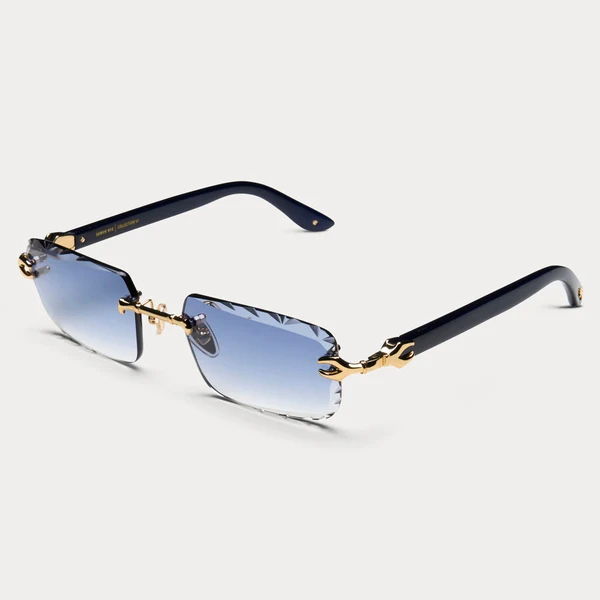
James Oro Blue Tint Lacquer Hydra Gem Cut
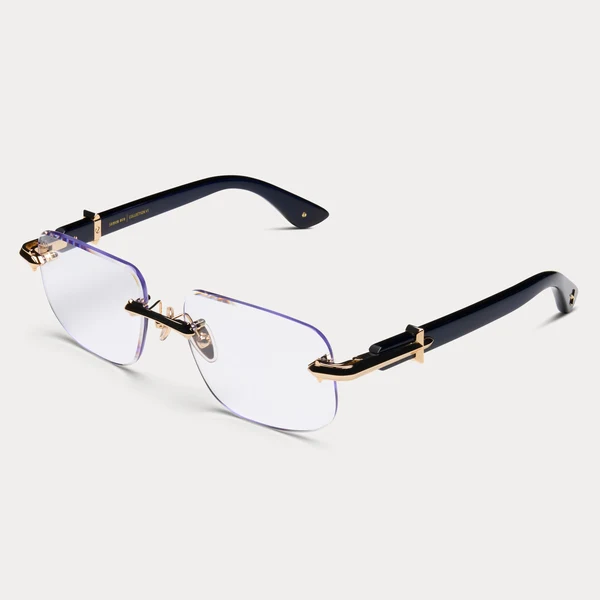
James Oro Clear Blue Lacquer Consigliere
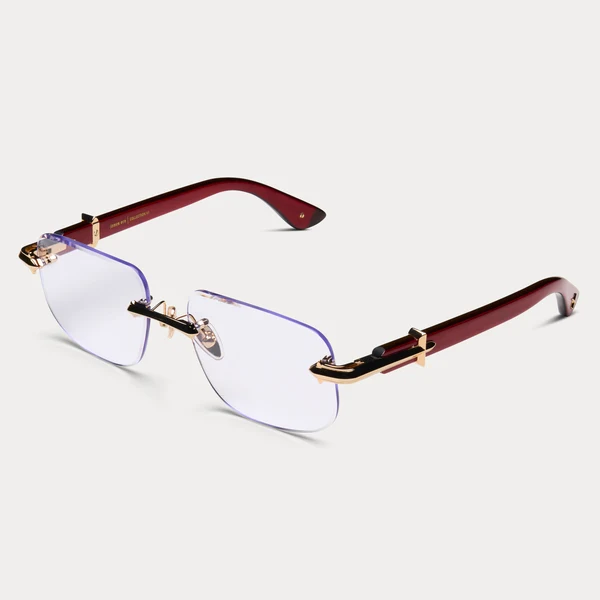
James Oro Clear Red Lacquer Consigliere
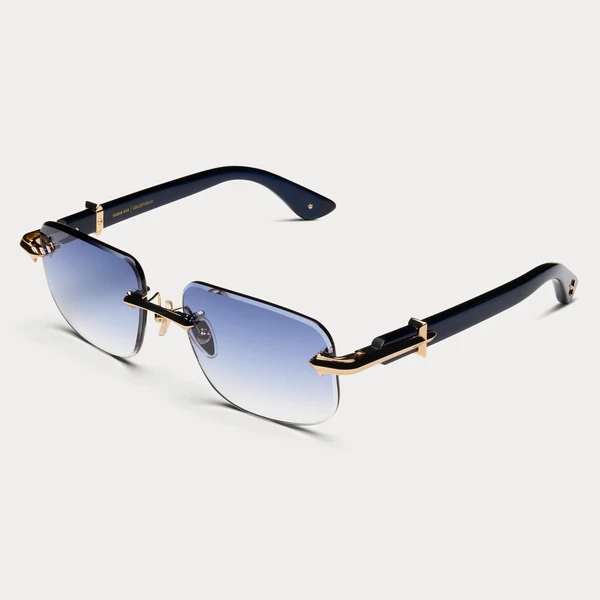
James Oro Blue Tint Lacquer Consigliere
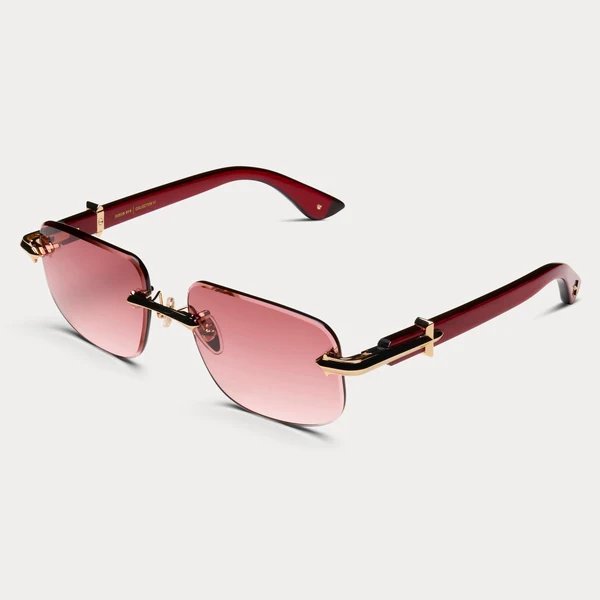
James Oro Red Tint Lacquer Consigliere
James Oro rimless, gem cut and iced frames
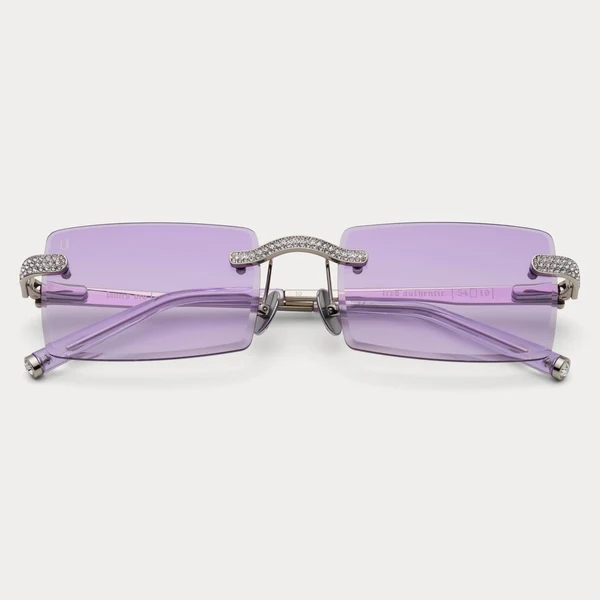
James Oro Iced Lavender Authentic
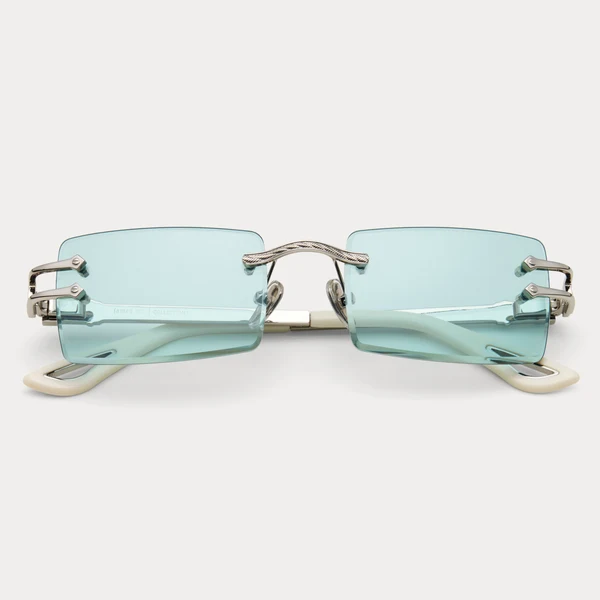
James Oro Crystal Ivory Silver Authentic II
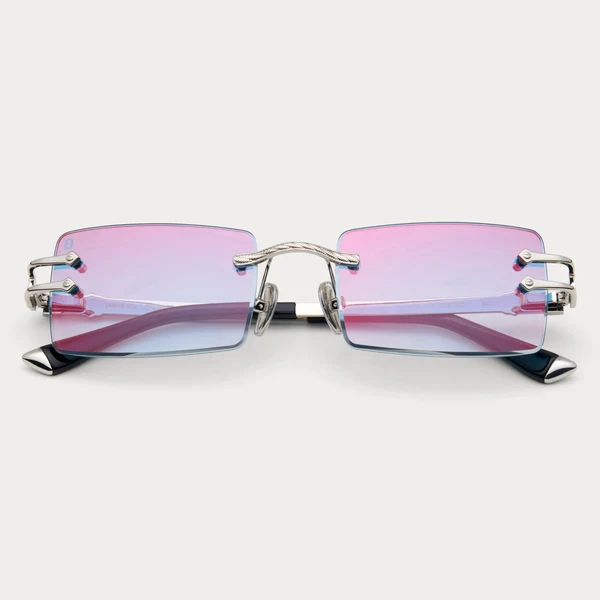
James Oro Dark Blue Flash Silver Authentic II
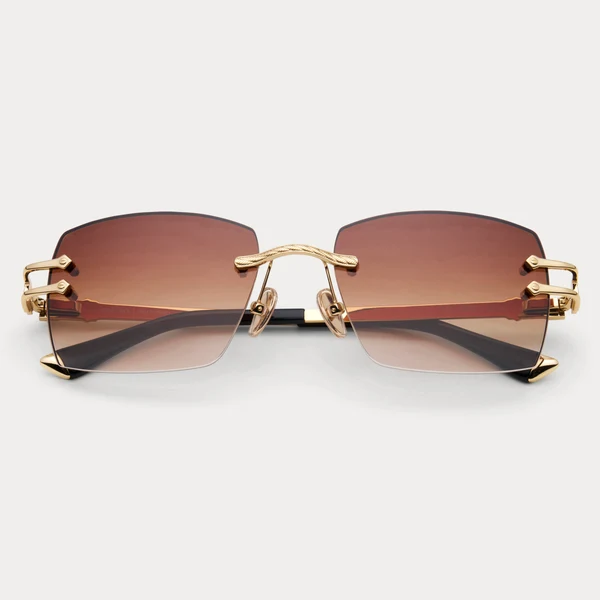
James Oro Brown Tint Grail
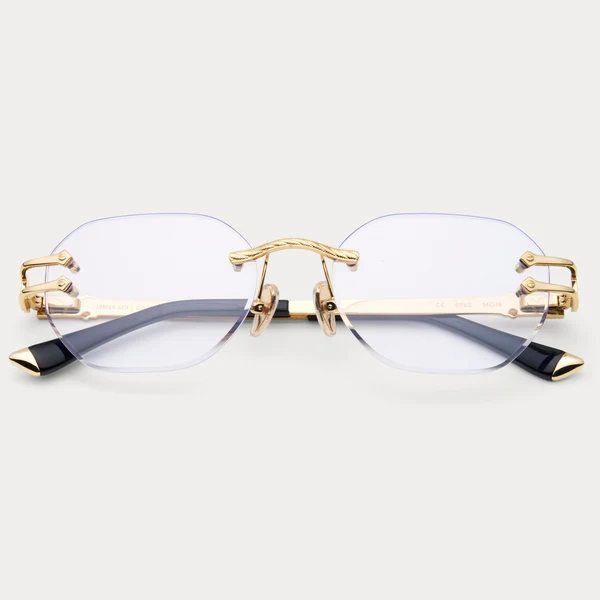
James Oro Clear Opus
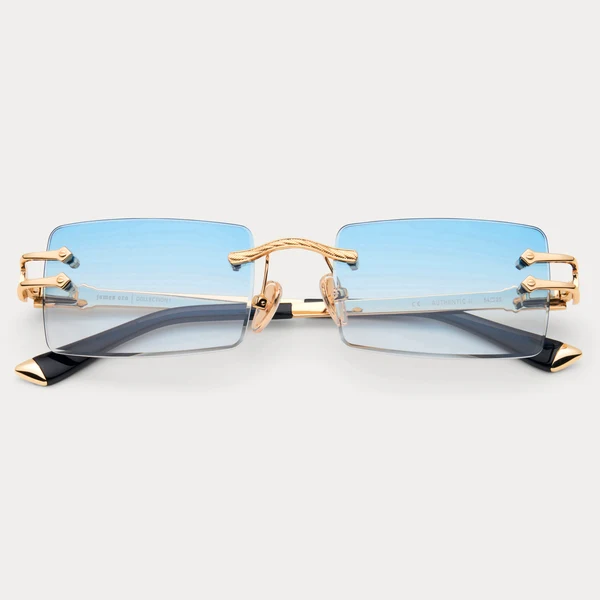
James Oro Blue Tint Authentic II
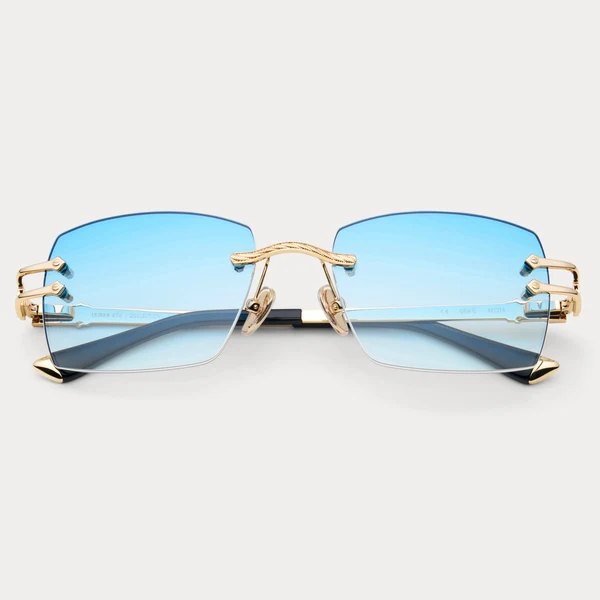
James Oro Blue Tint Grail
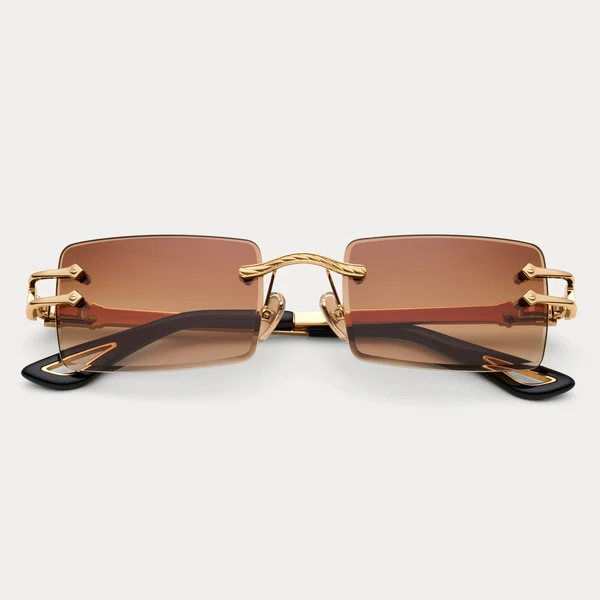
James Oro Brown Tint Authentic II
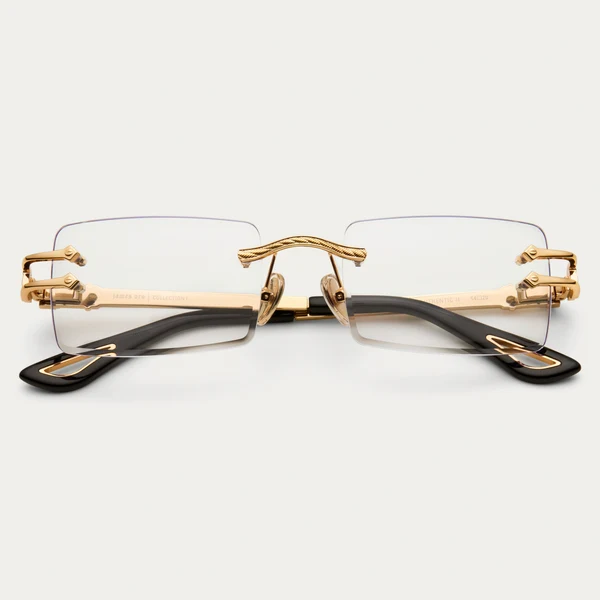
James Oro Clear Authentic II
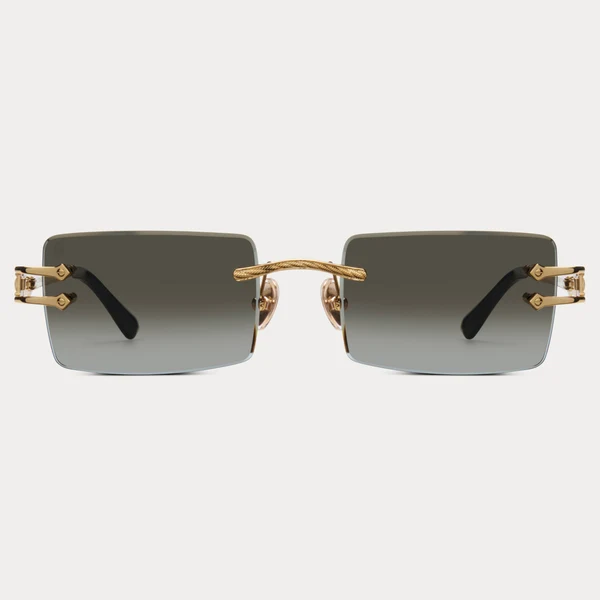
James Oro Black Tint Authentic II
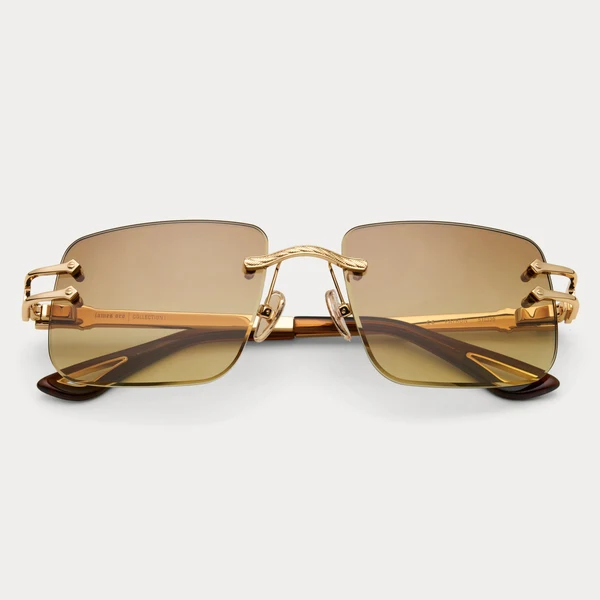
James Oro Reserve Patron
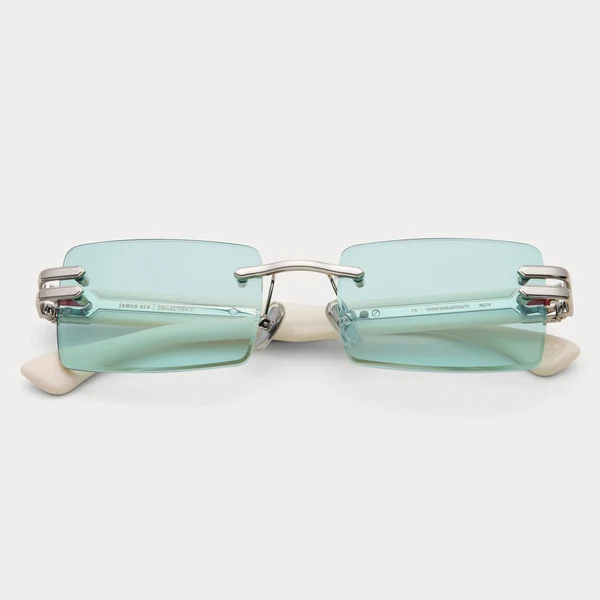
James Oro Crystal Ivory Baron
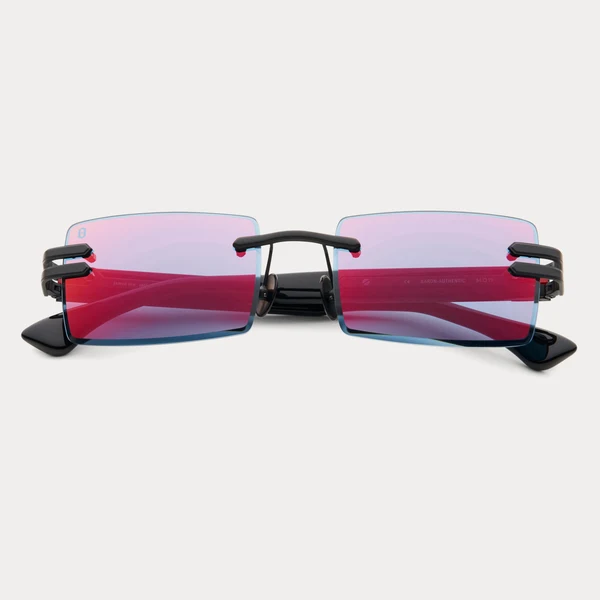
James Oro Reaper Baron Authentic
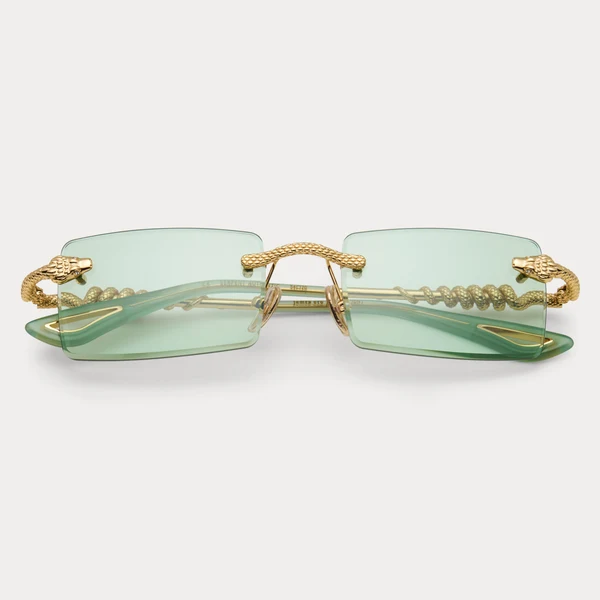
James Oro Jade Serpent Authentic
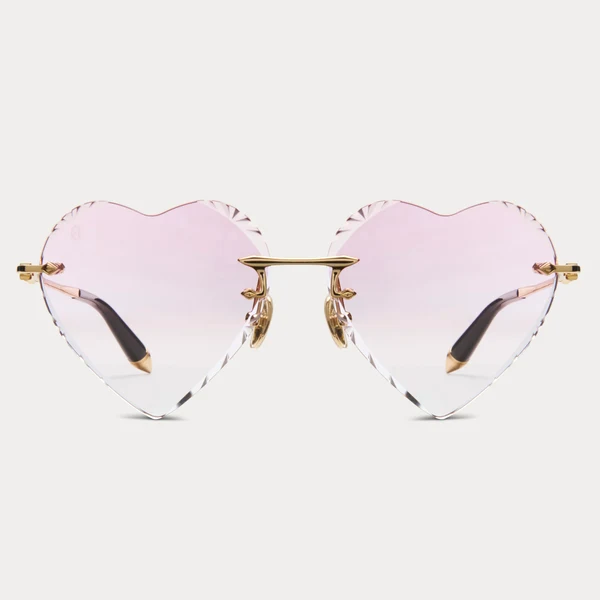
James Oro Pink Tint Siren Lust
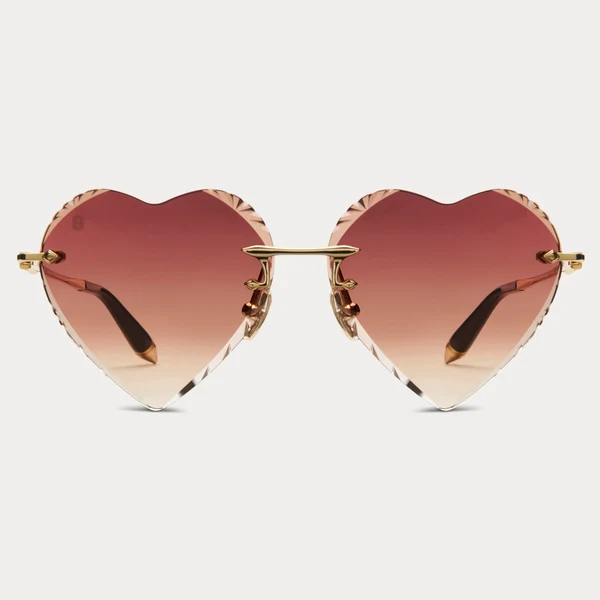
James Oro Brown Tint Siren Lust
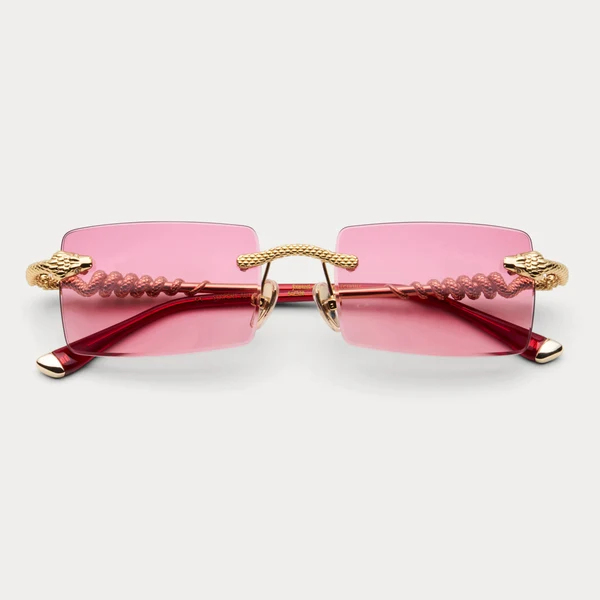
James Oro Reserve Bordeaux Serpent Authentic
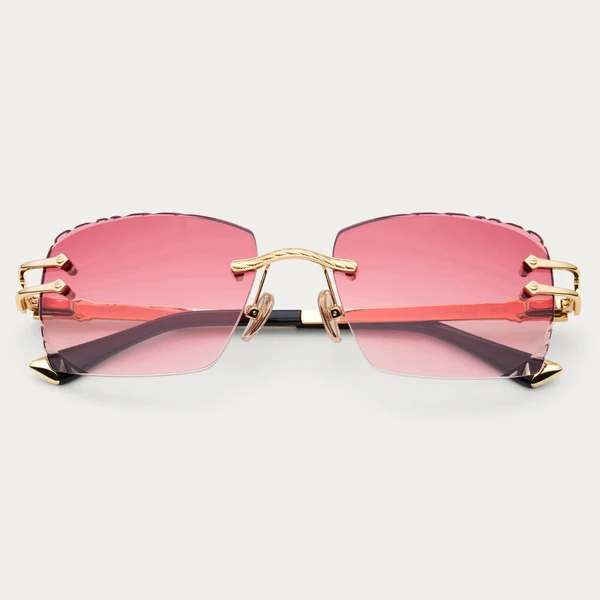
James Oro Red Tint Grail Gem Cut
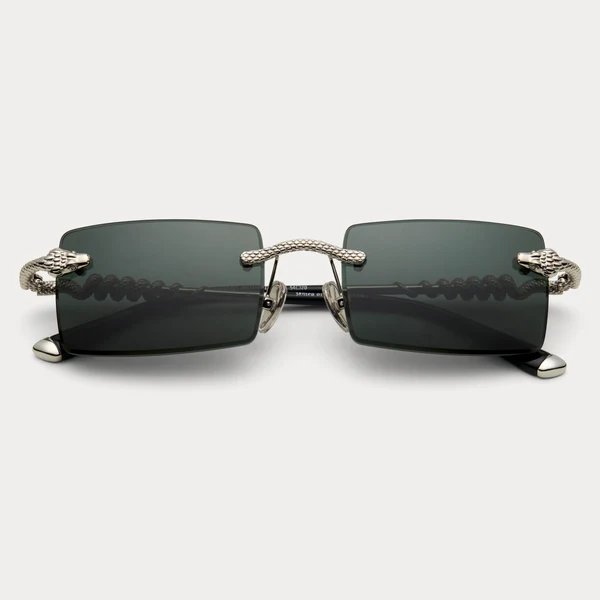
James Oro Black Tint Silver Serpent Authentic
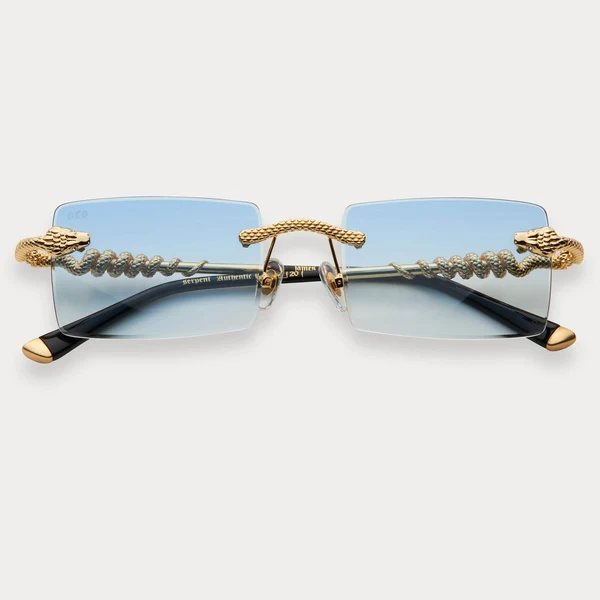
James Oro Blue Tint Serpent Authentic
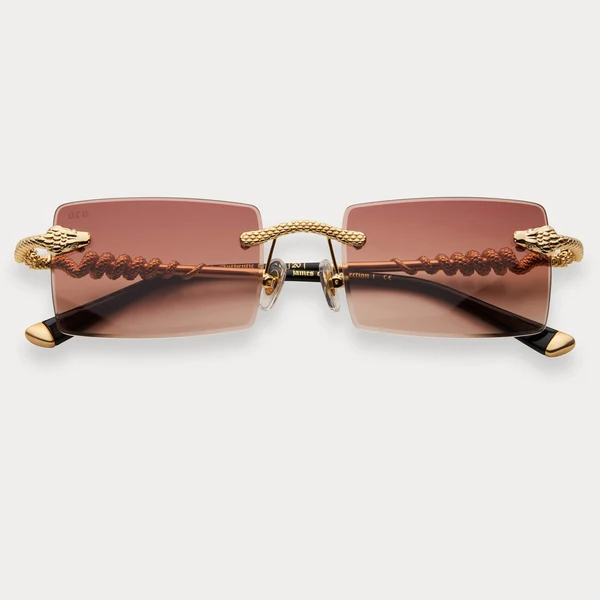
James Oro Brown Tint Serpent Authentic
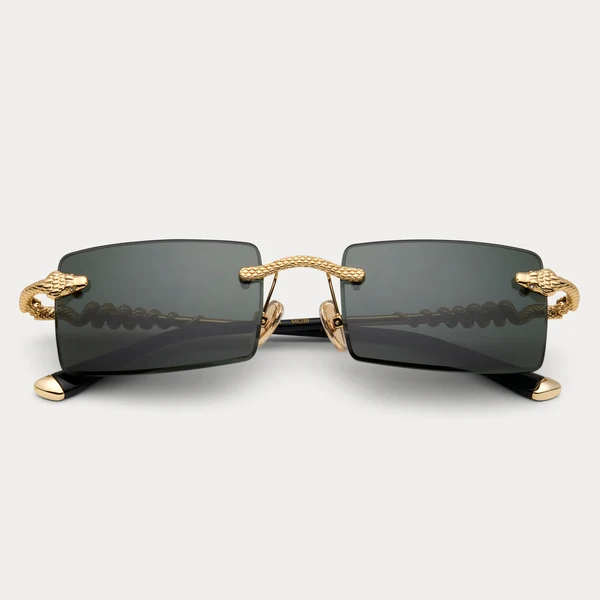
James Oro Black Tint Serpent Authentic
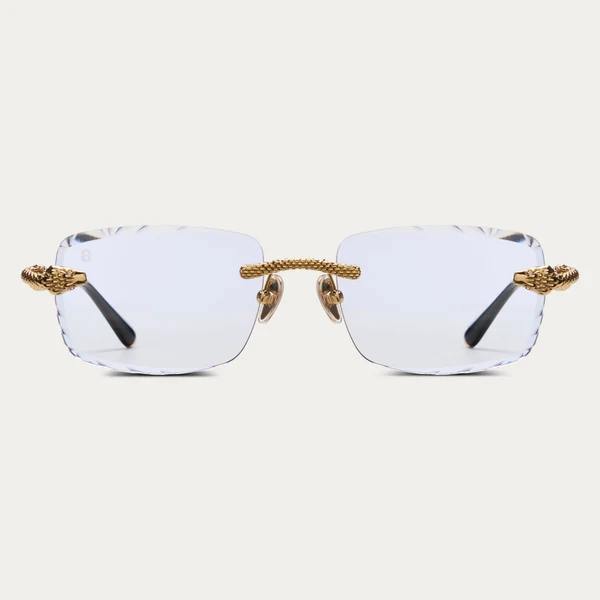
James Oro Clear Serpent Gem Cut
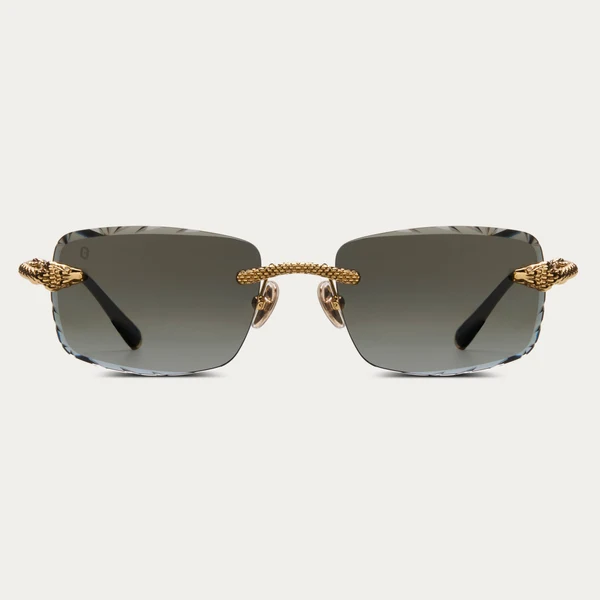
James Oro Black Tint Serpent Gem Cut
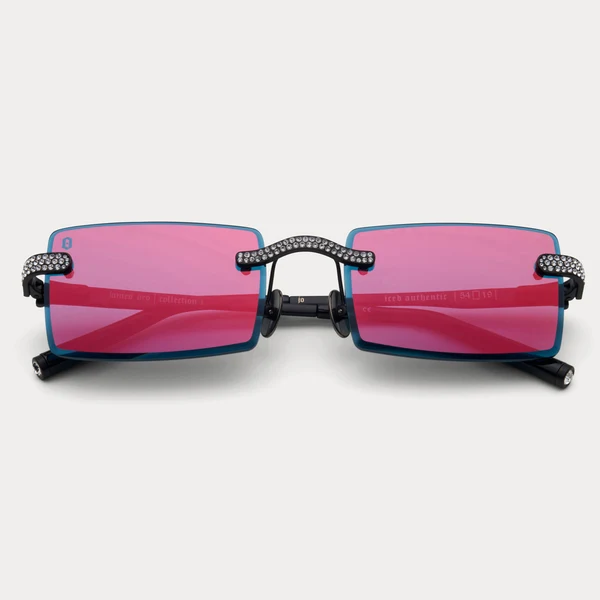
James Oro Iced Reaper Authentic
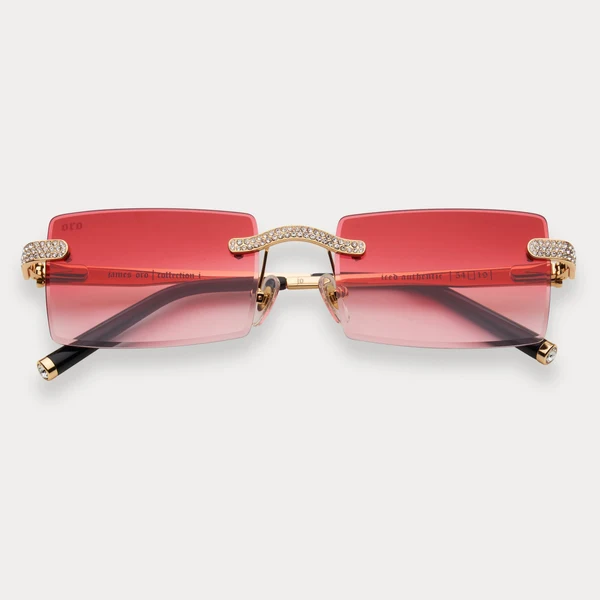
James Oro Iced Red Tint Authentic
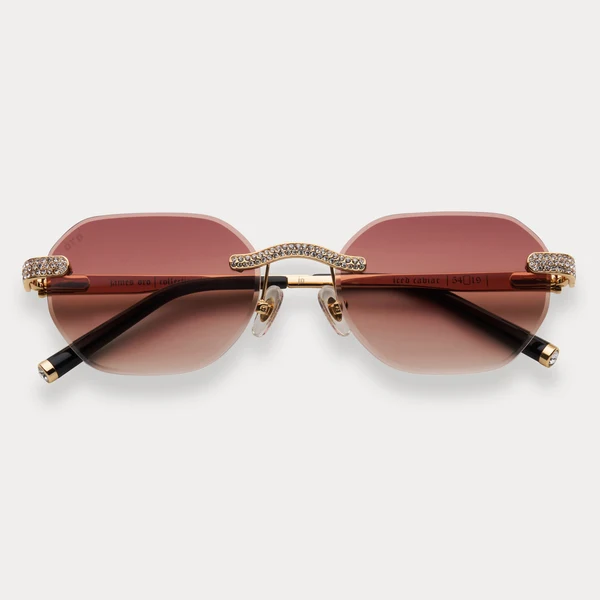
James Oro Iced Brown Tint Opus
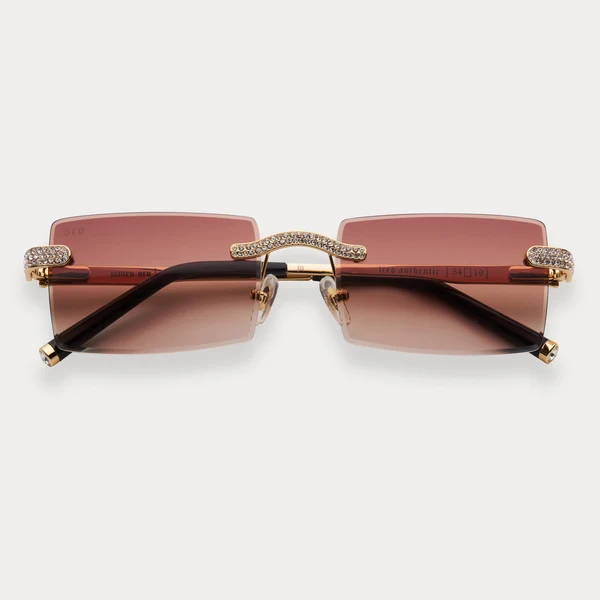
James Oro Iced Brown Tint Authentic
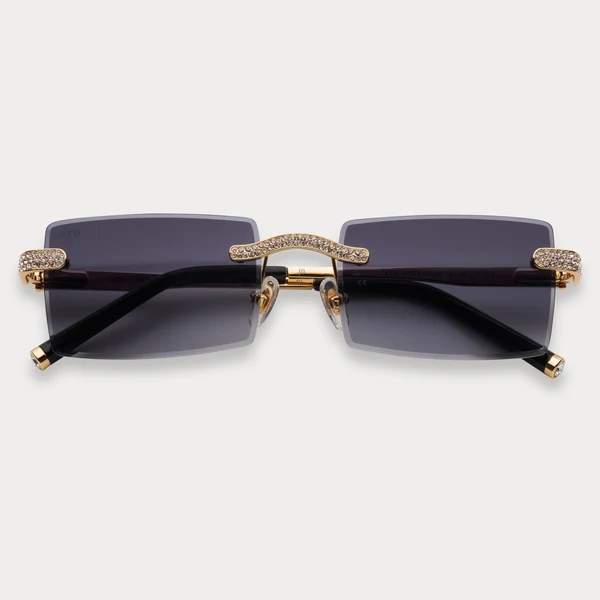
James Oro Iced Black Tint Authentic
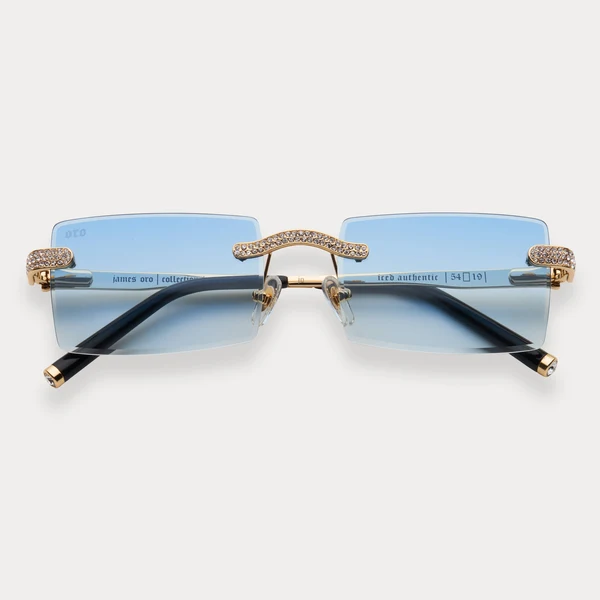
James Oro Iced Blue Tint Authentic
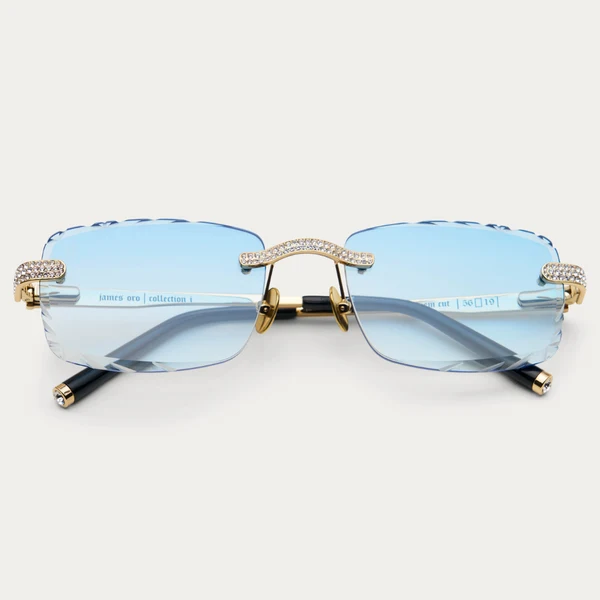
James Oro Iced Blue Tint Signature Gem Cut
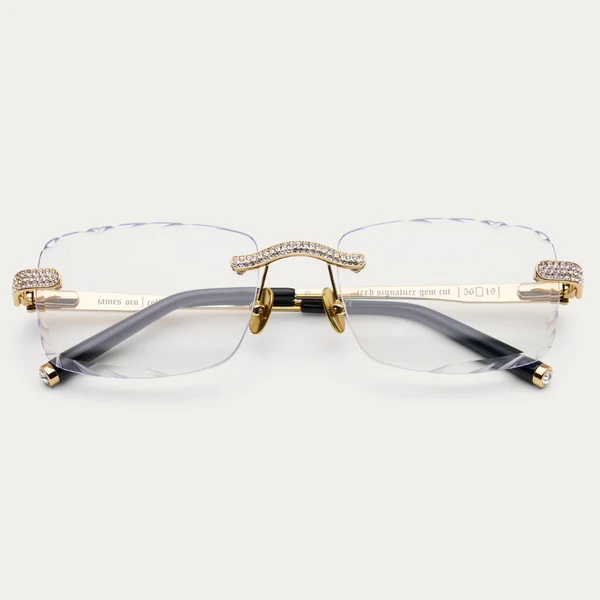
James Oro Iced Clear Signature Gem Cut
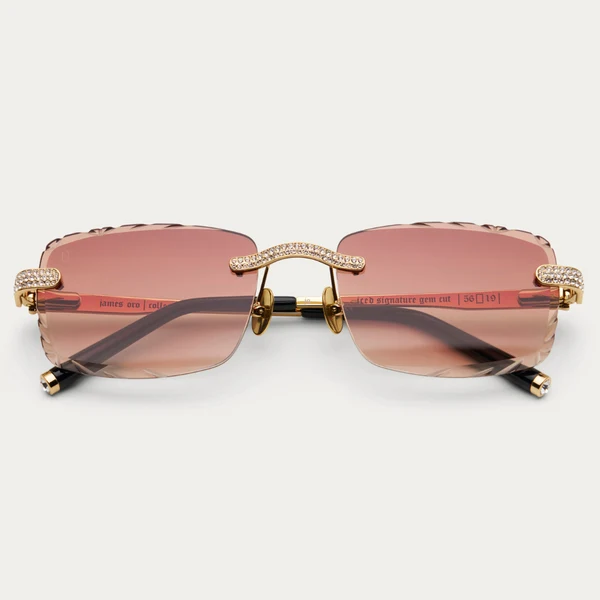
James Oro Iced Brown Tint Signature Gem Cut
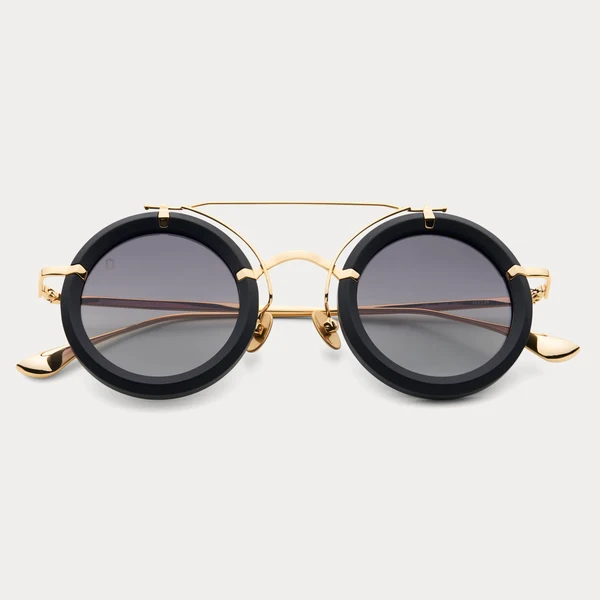
James Oro Matte Black Gold Alchemist
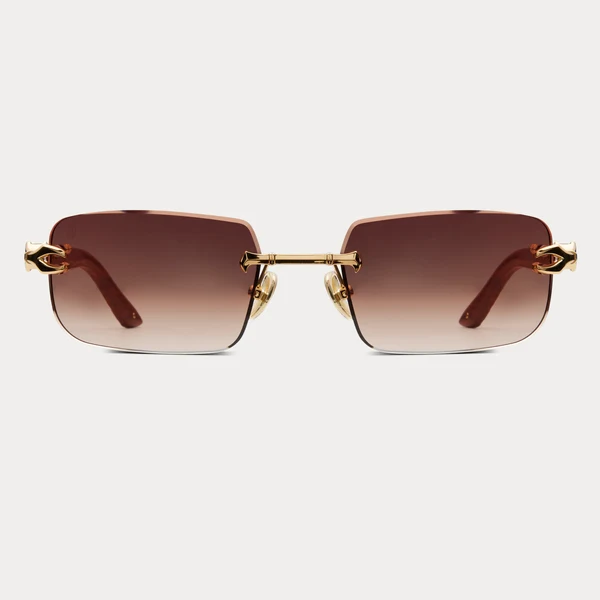
James Oro Brown Tint Hydra
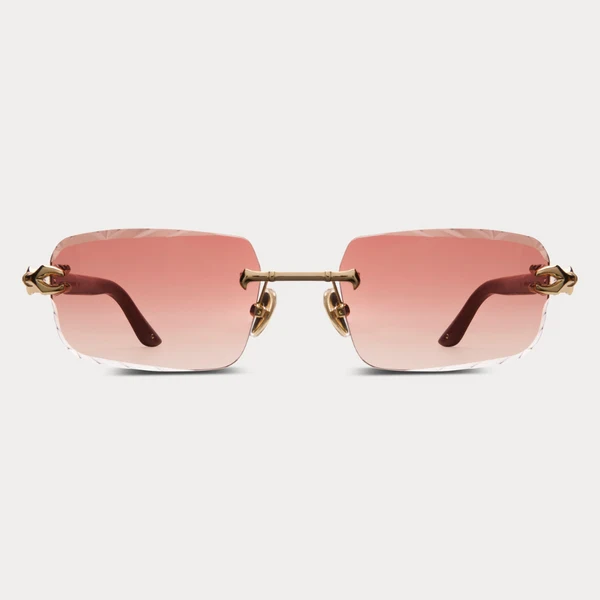
James Oro Brown Tint Hydra Gem Cut
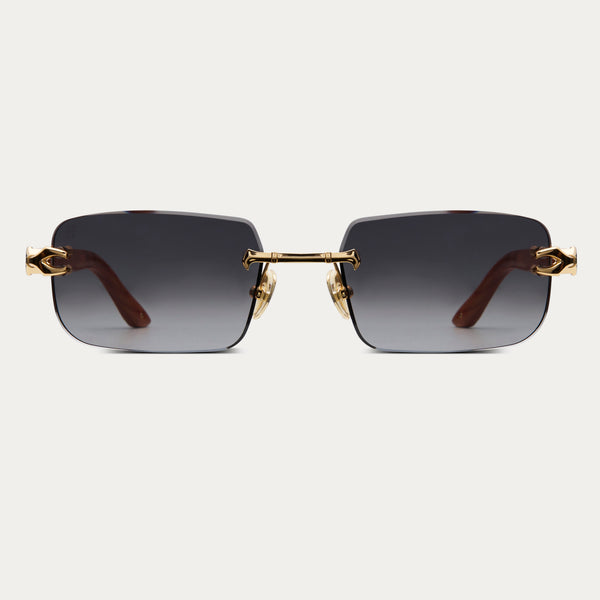
James Oro Black Tint Hydra
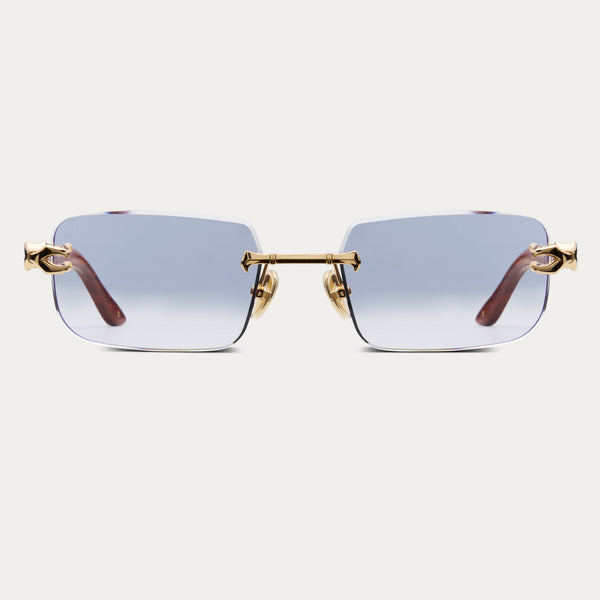
James Oro Clear Hydra
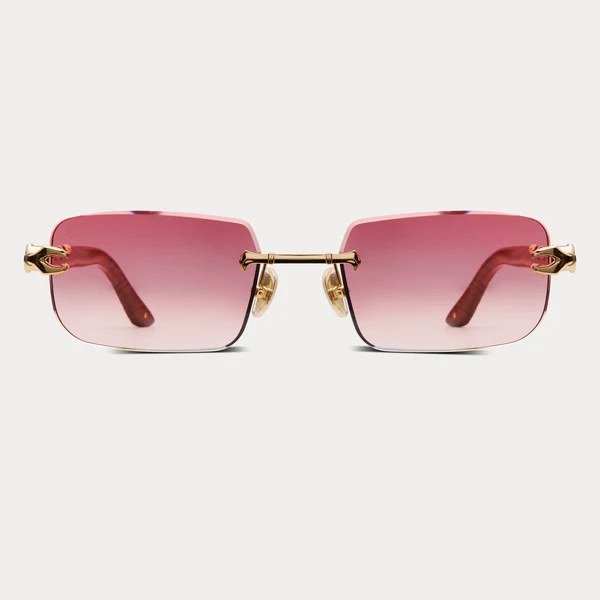
James Oro Red Tint Hydra
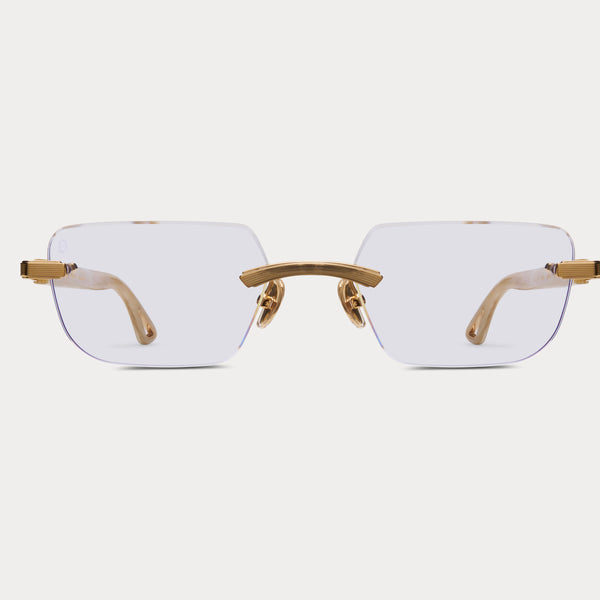
James Oro Clear Rare Blanc Duke
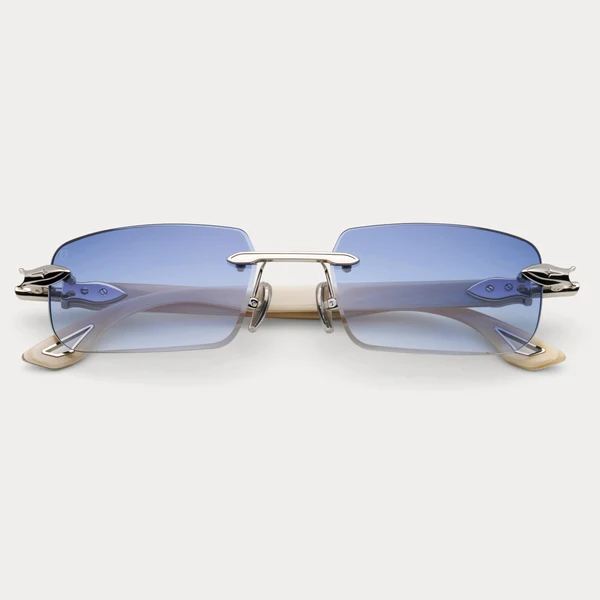
James Oro Nautical Rare Blanc Javelin
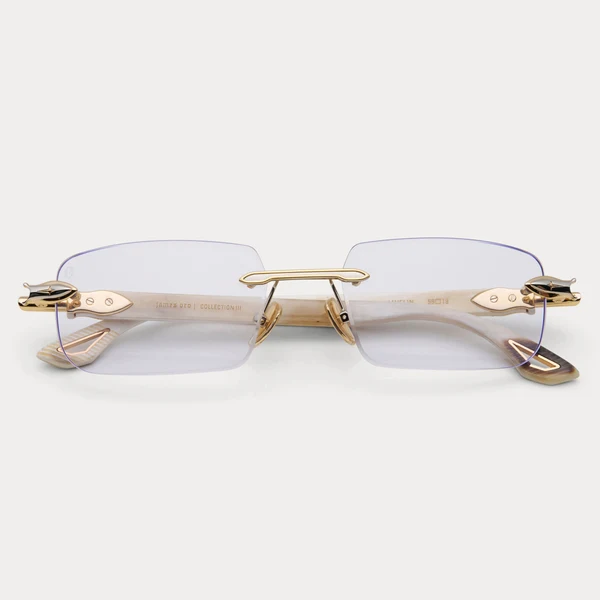
James Oro Clear Rare Blanc Javelin
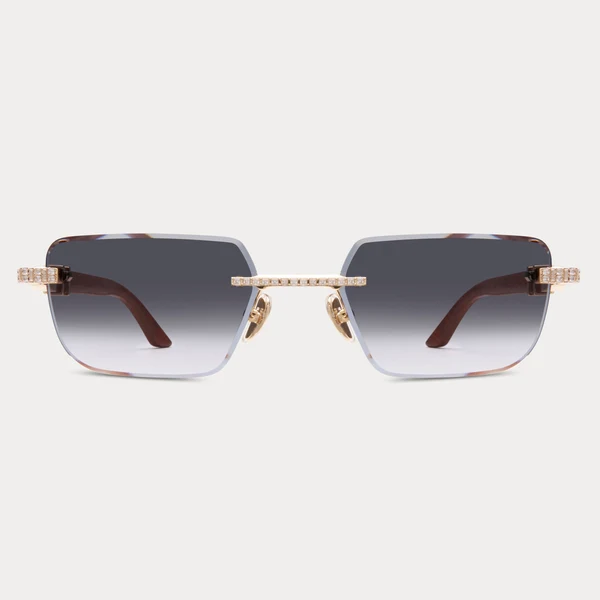
James Oro Black Tint Bankroller
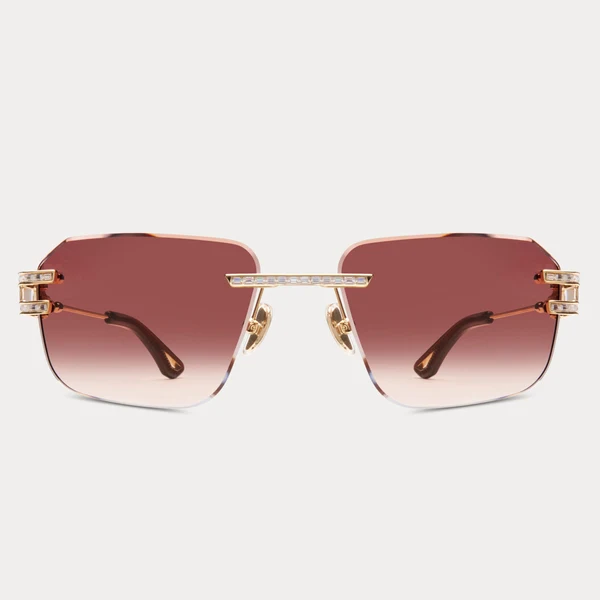
James Oro Brown Tint Mercenary
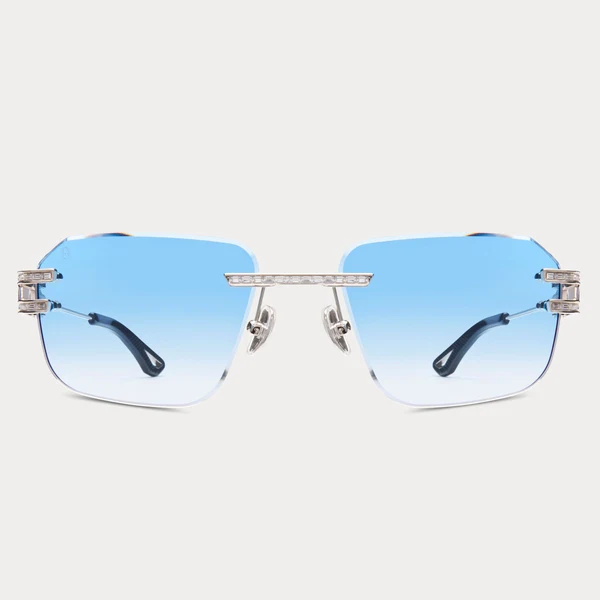
James Oro Blue Tint Mercenary
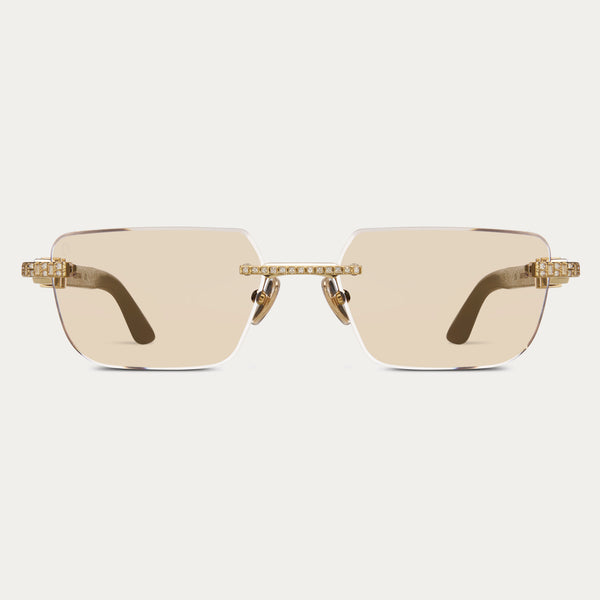
James Oro Vapor Gold Bankroller
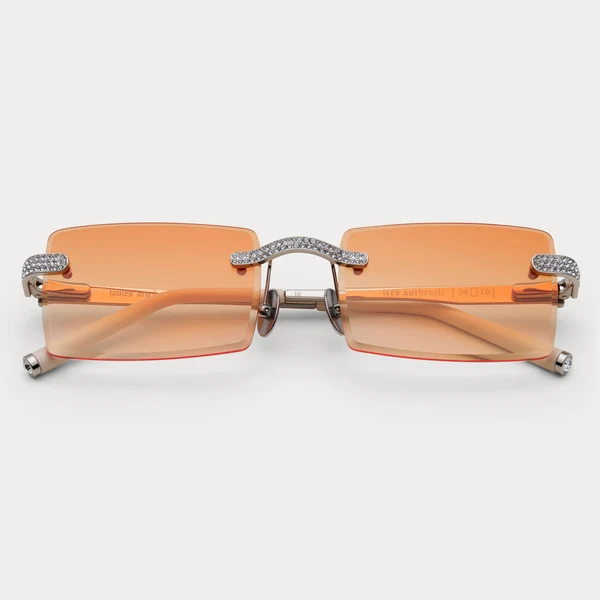
James Oro Iced Sunset Authentic
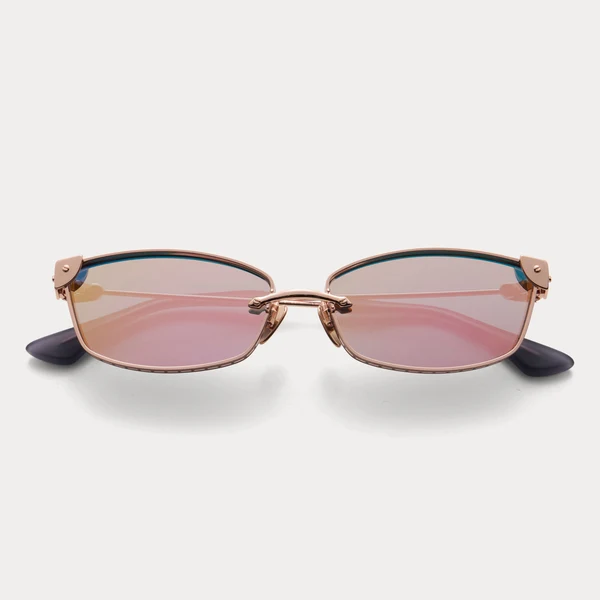
James Oro Rose Gold Coffre
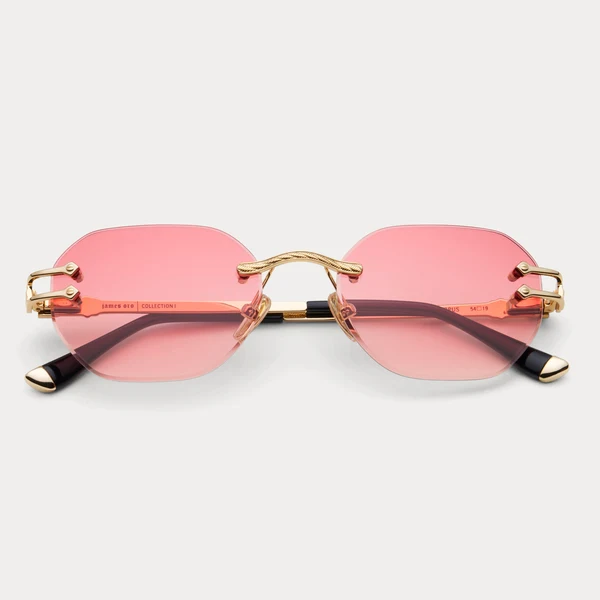
James Oro Red Tint Opus
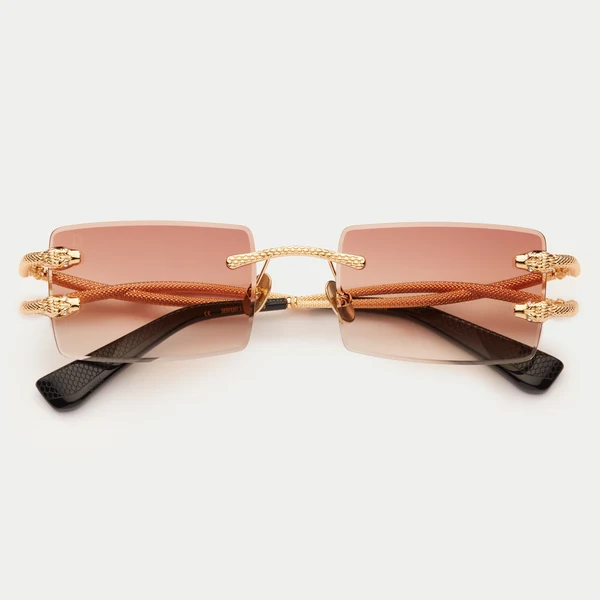
James Oro Brown Tint Serpent II
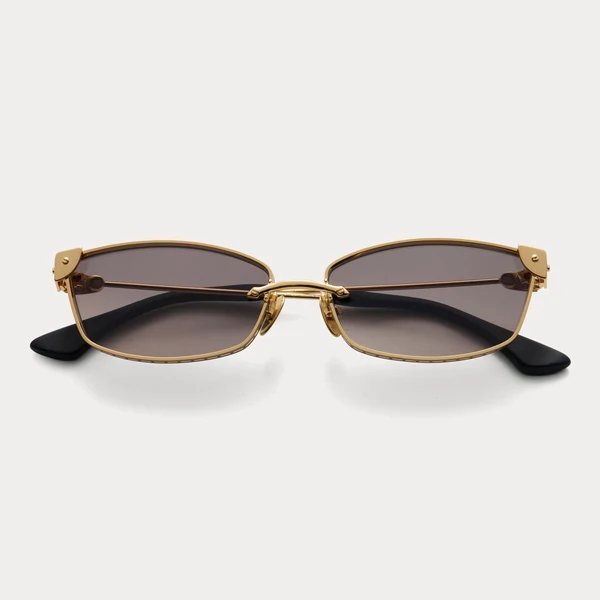
James Oro Black Tint Gold Coffre
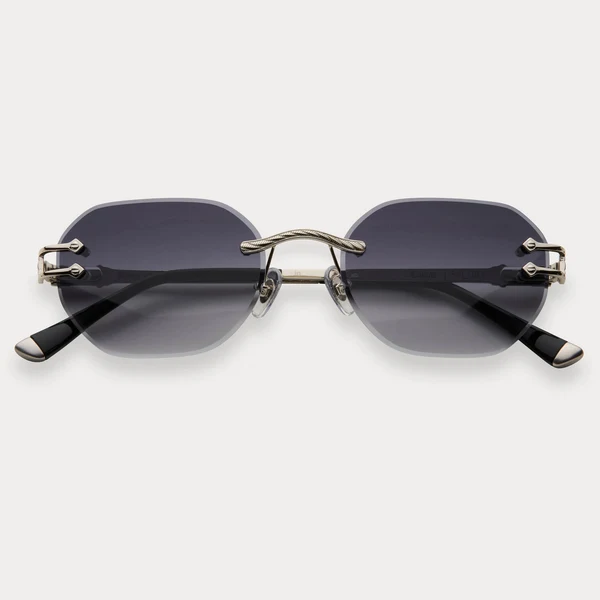
James Oro Black Tint Silver Opus
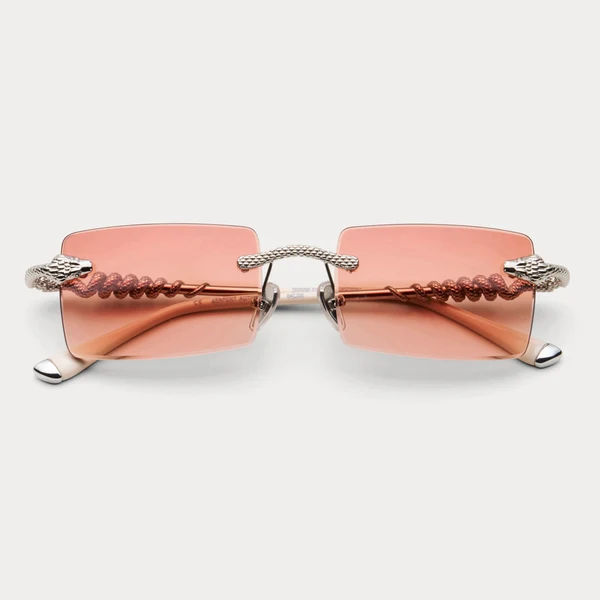
James Oro Sunset Silver Serpent Authentic
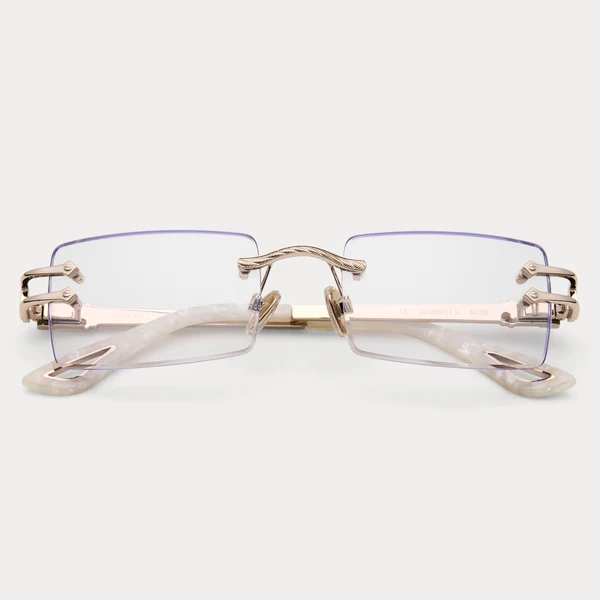
James Oro Opaline Authentic II
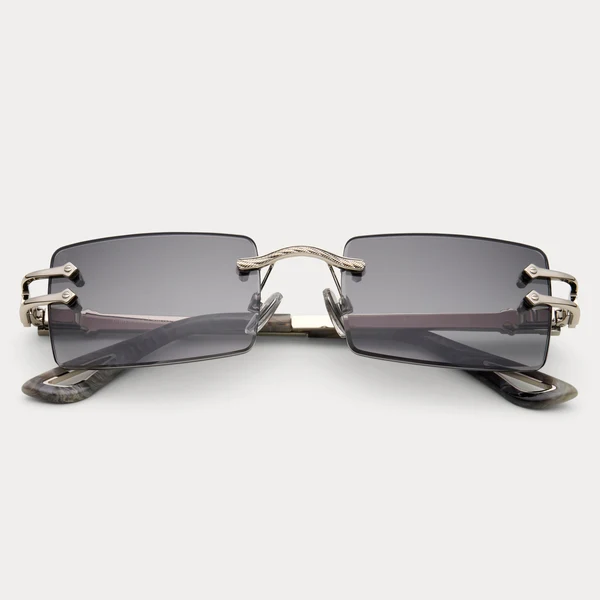
James Oro Granite Authentic II
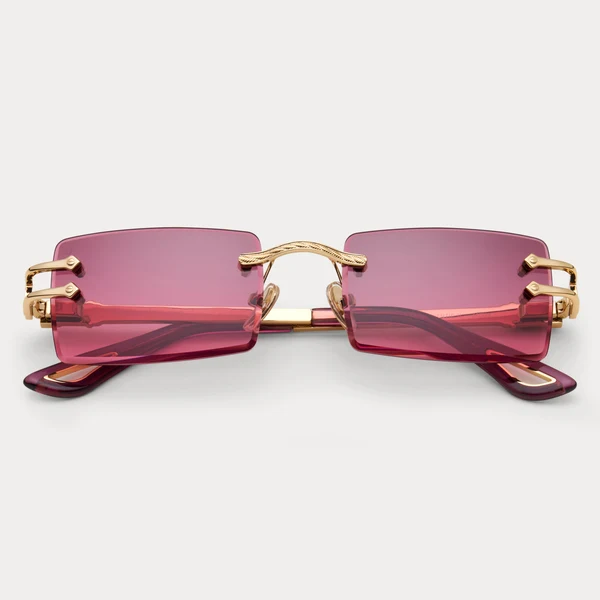
James Oro Merlot Authentic II
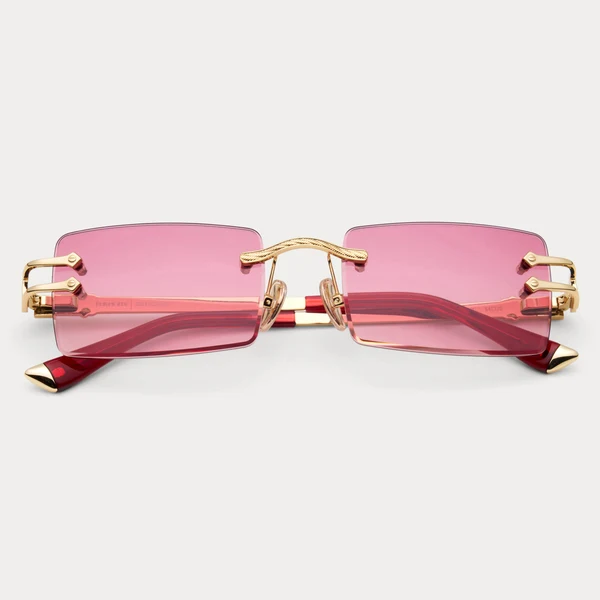
James Oro Reserve Bordeaux Authentic II
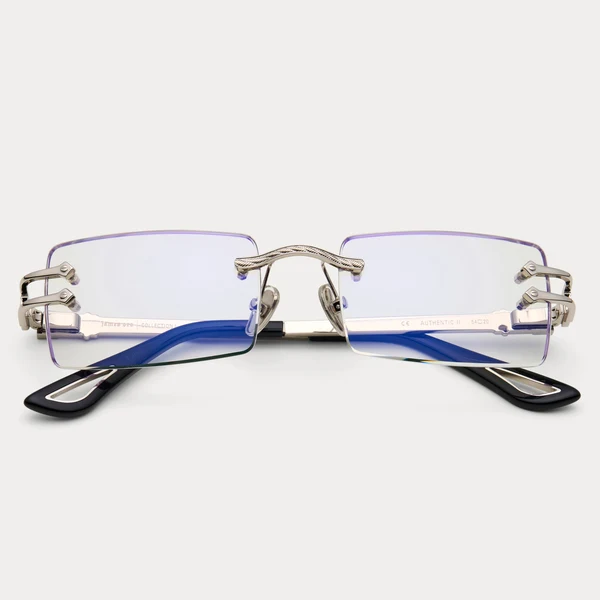
James Oro Blue Light Silver Authentic II
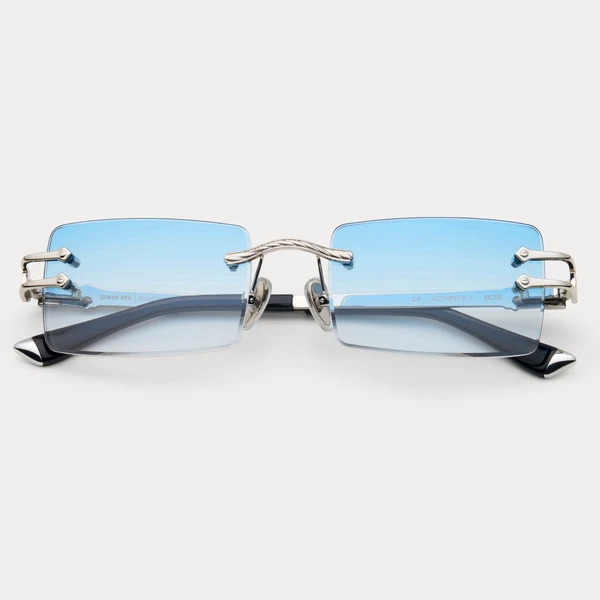
James Oro Blue Tint Silver Authentic II
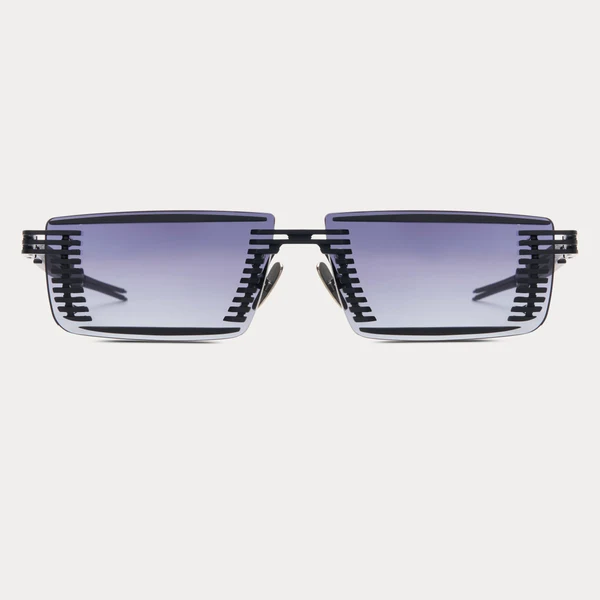
James Oro Matte Black Vertebrae
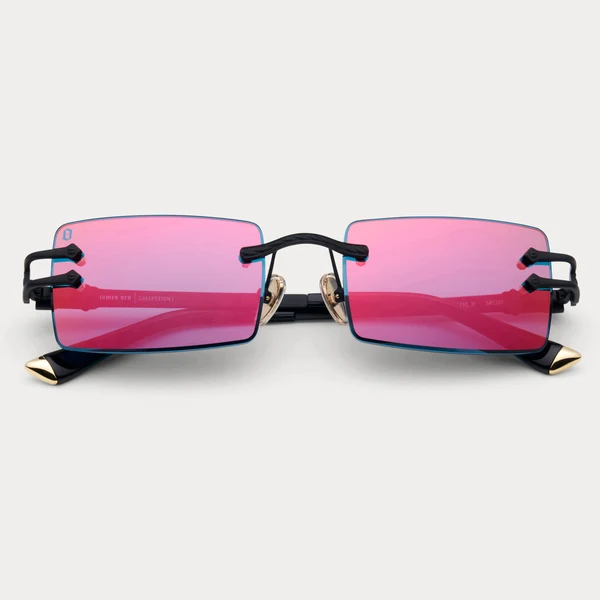
James Oro Reaper Authentic II
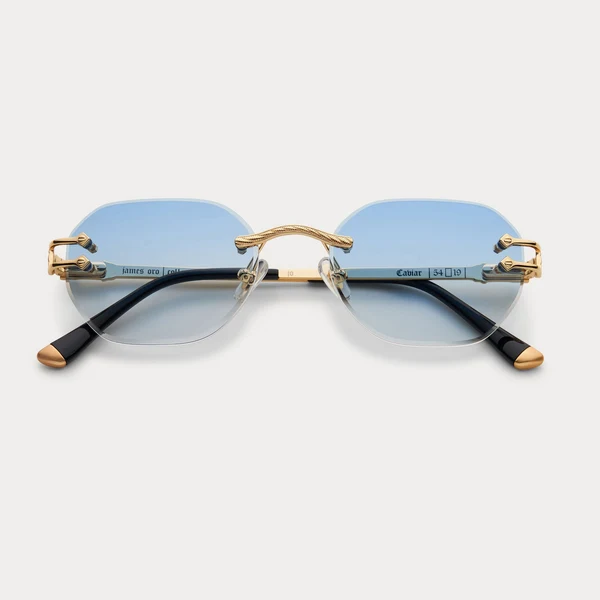
James Oro Blue Tint Opus
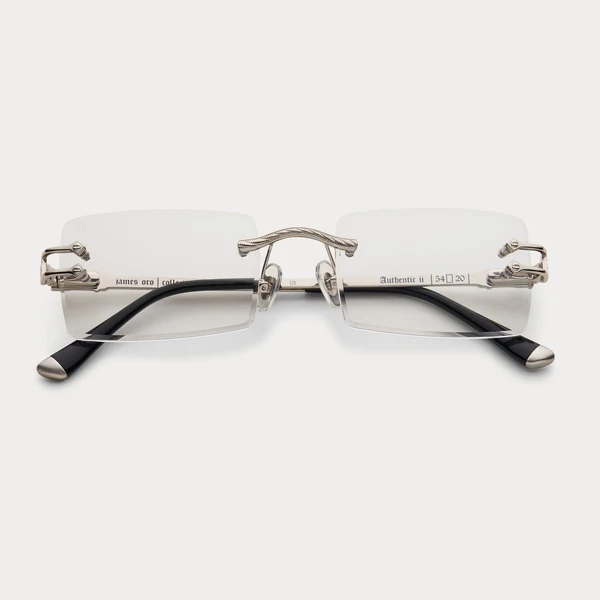
James Oro Clear Silver Authentic II
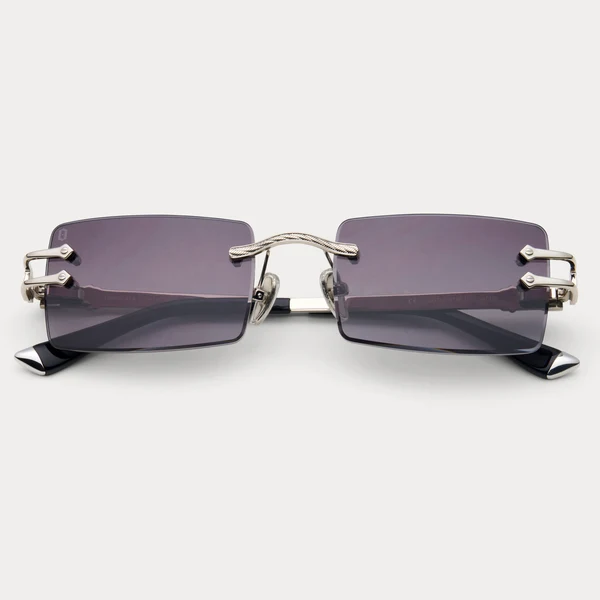
James Oro Black Tint Silver Authentic II
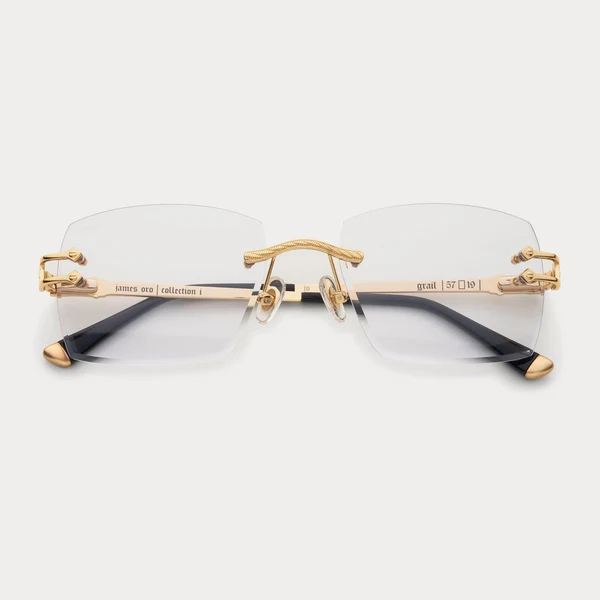
James Oro Clear Grail
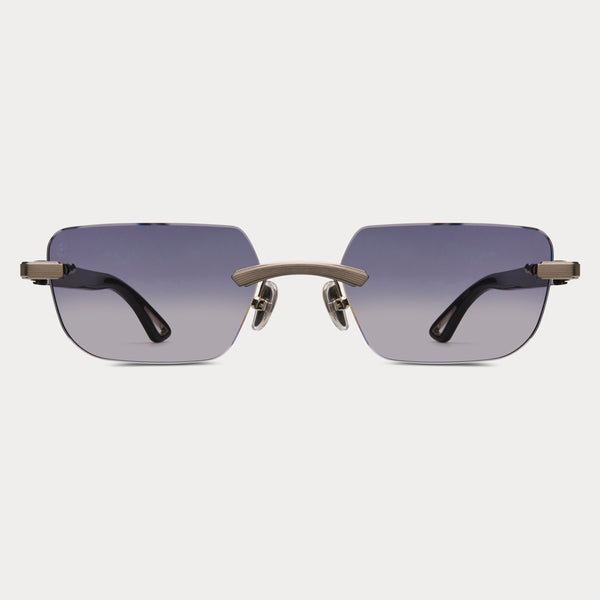
James Oro Black Tint Rare Noir Duke
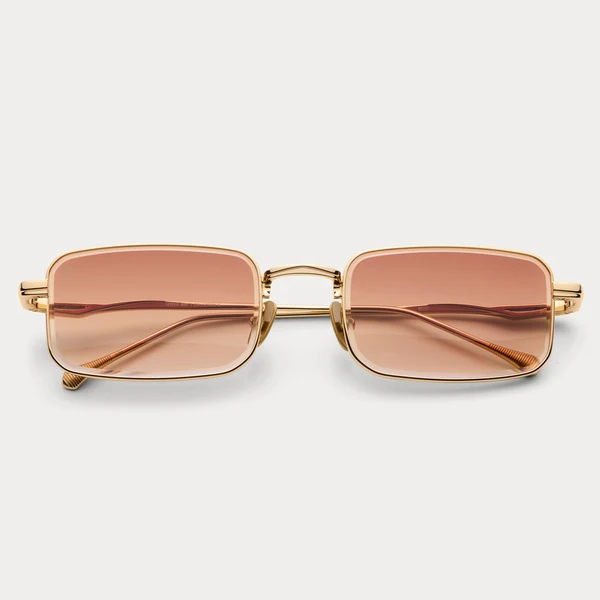
James Oro Brown Tint Rival Stargazer
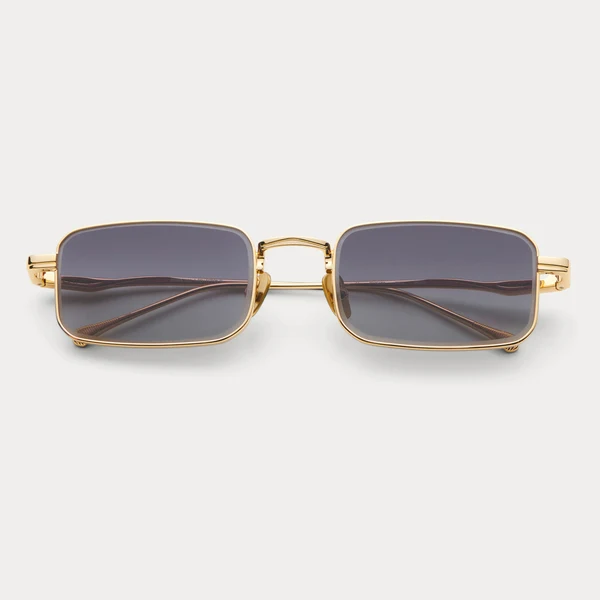
James Oro Rival Stargazer
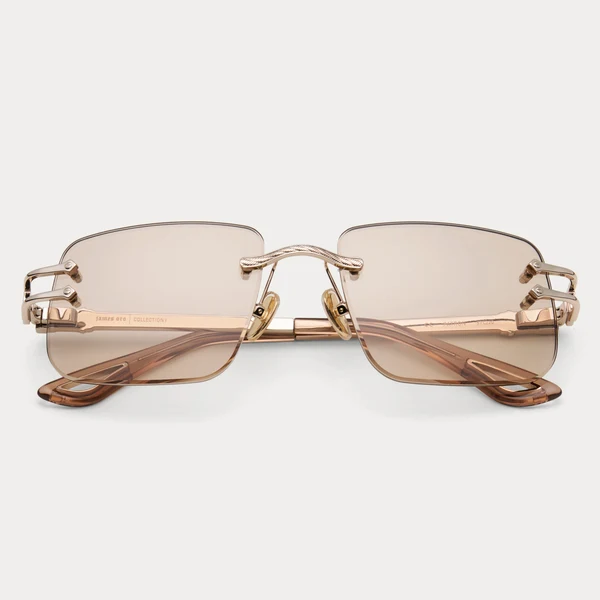
James Oro Sand Patron
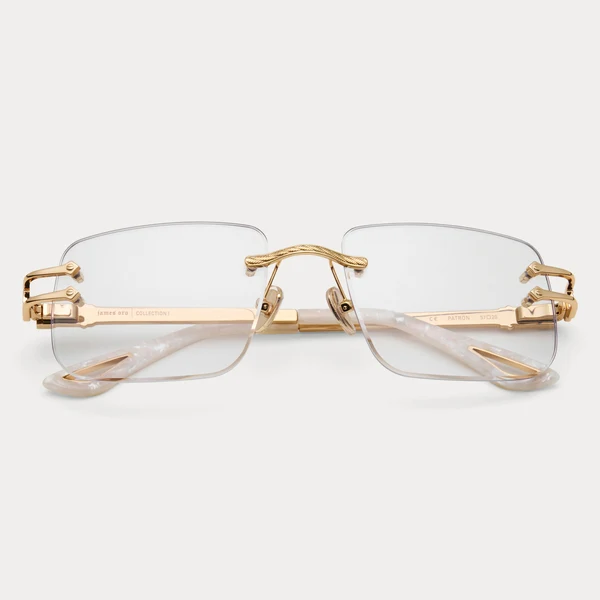
James Oro Clear Pearl Patron
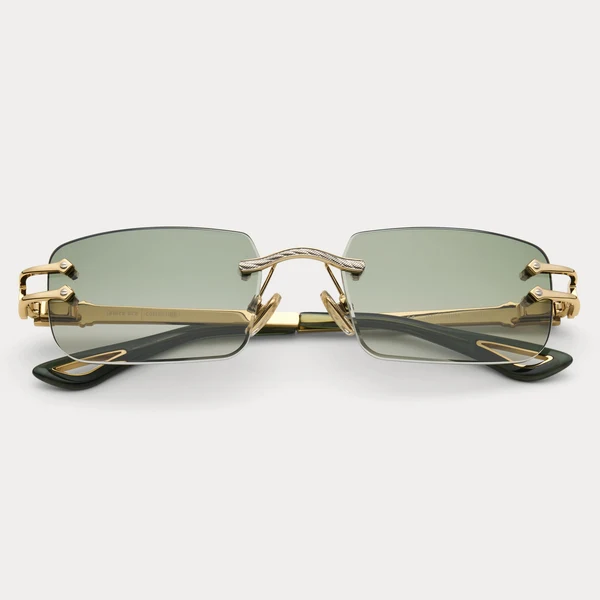
James Oro Absinthe Imperium
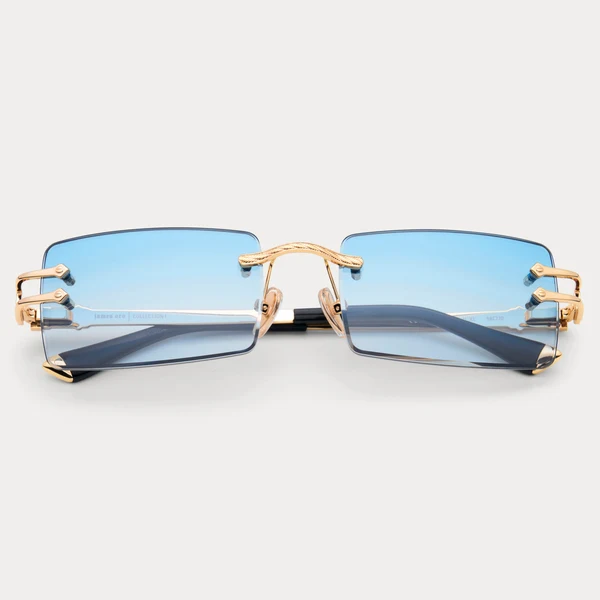
James Oro Blue Tint Authentic II XL
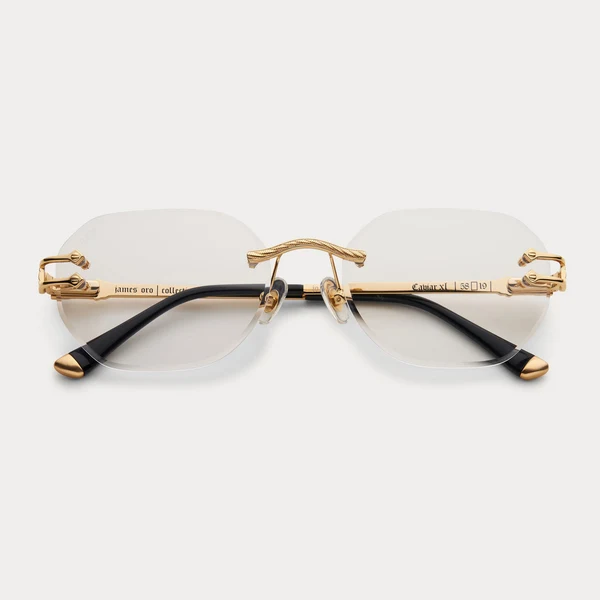
James Oro Clear Opus XL
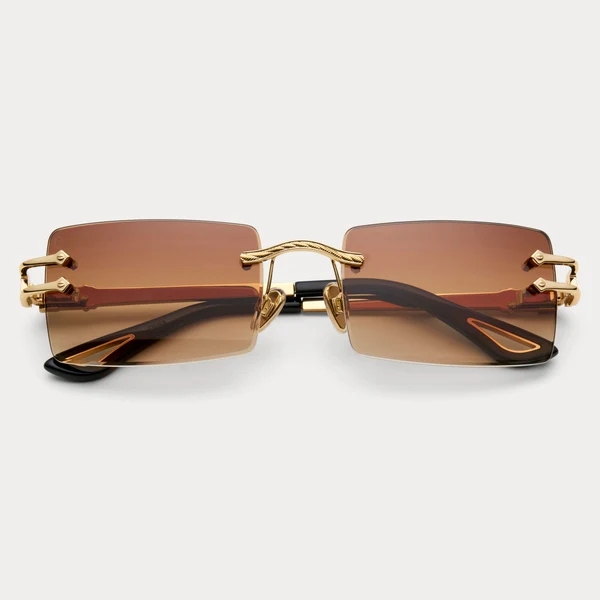
James Oro Brown Tint Authentic II XL
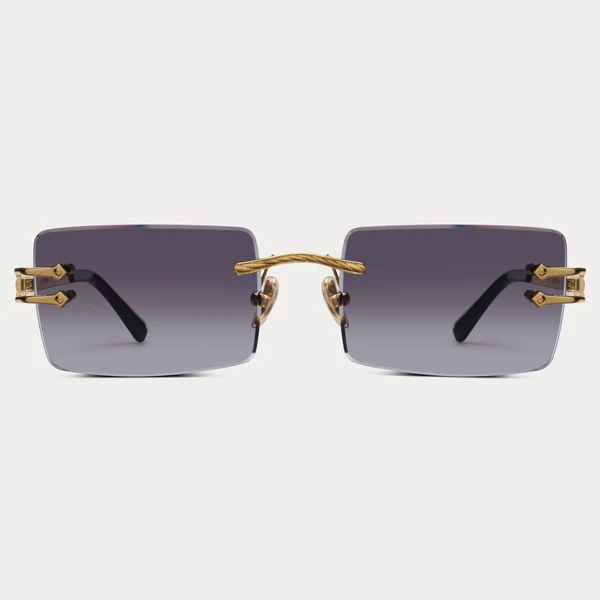
James Oro Black Tint Authentic II XL
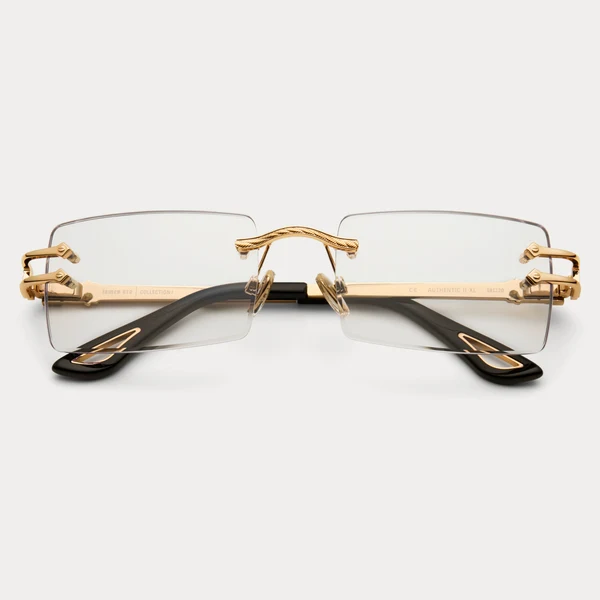
James Oro Clear Authentic II XL
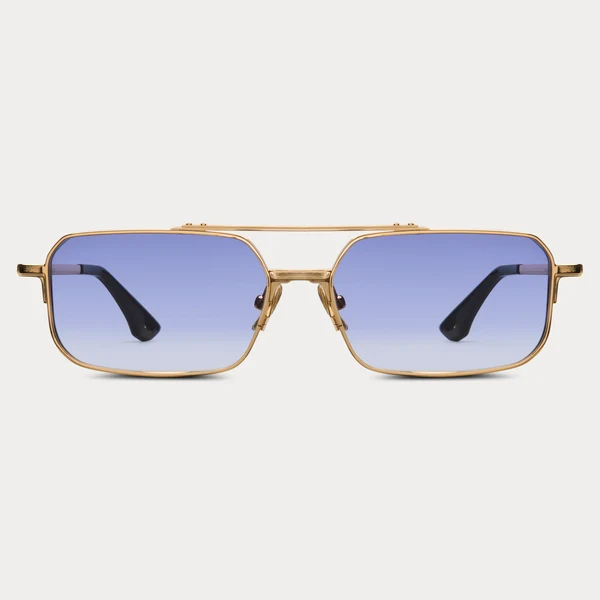
James Oro Deep Marine Vanguard
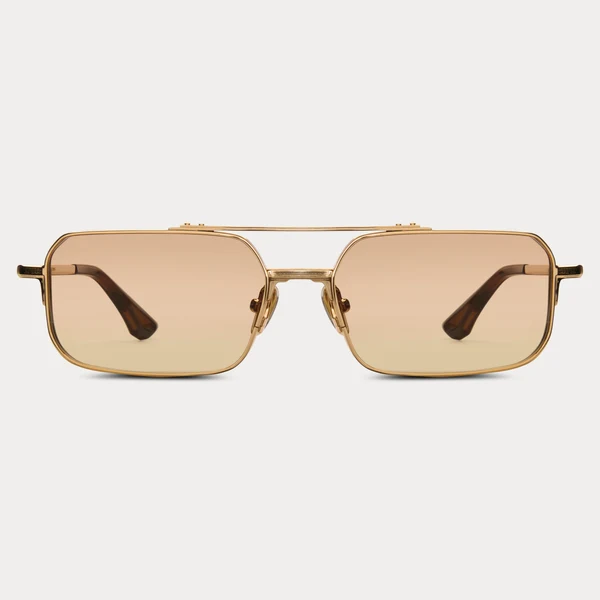
James Oro Reserve Vanguard
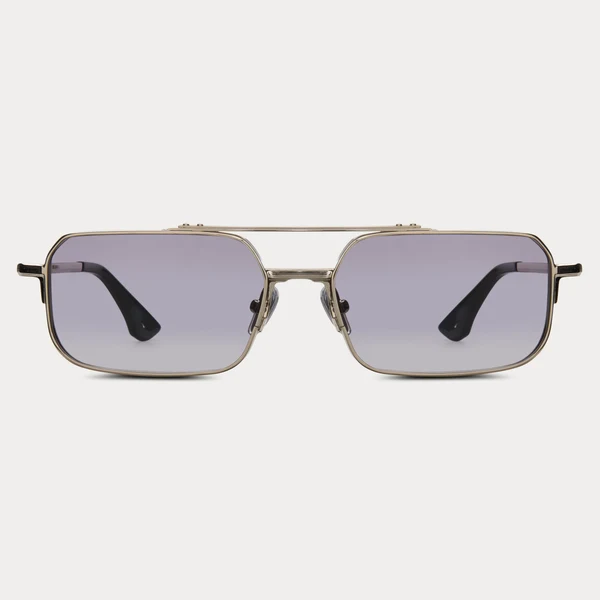
James Oro Black Tint Vanguard
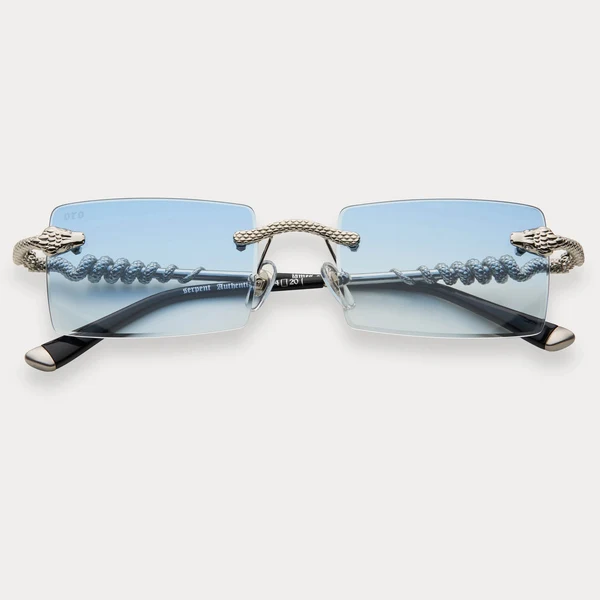
James Oro Blue Tint Silver Serpent Authentic
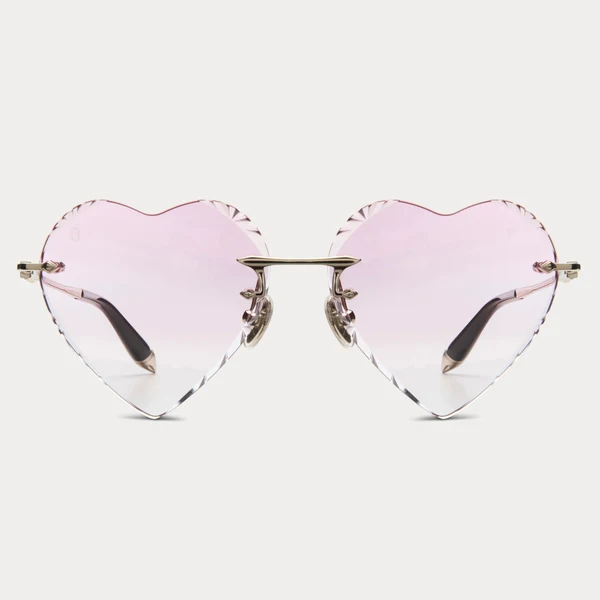
James Oro Pink Tint Silver Siren Lust
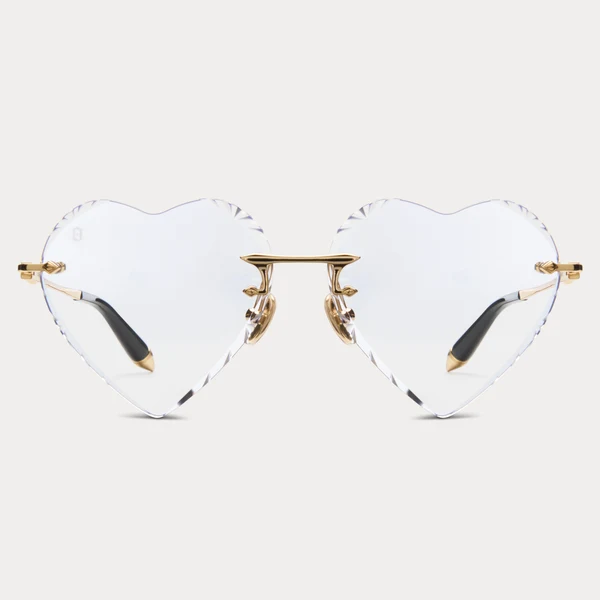
James Oro Clear Siren Lust
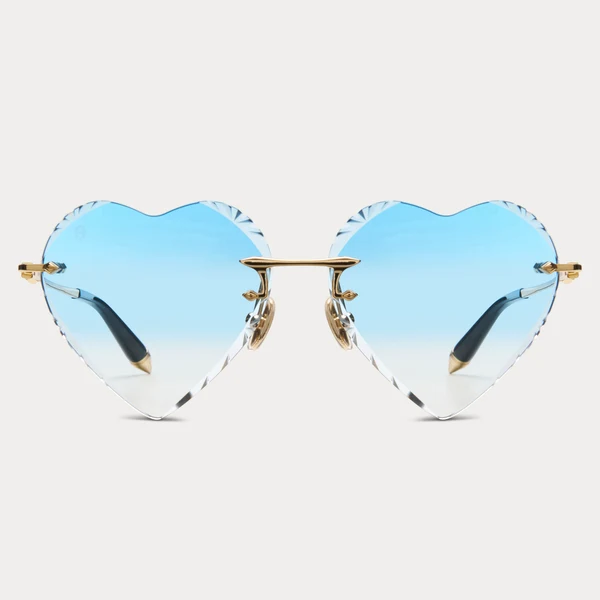
James Oro Blue Tint Siren Lust
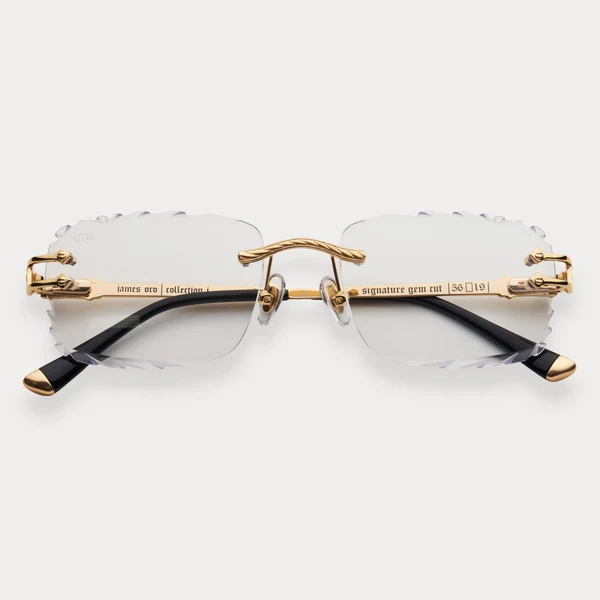
James Oro Clear Signature Gem Cut
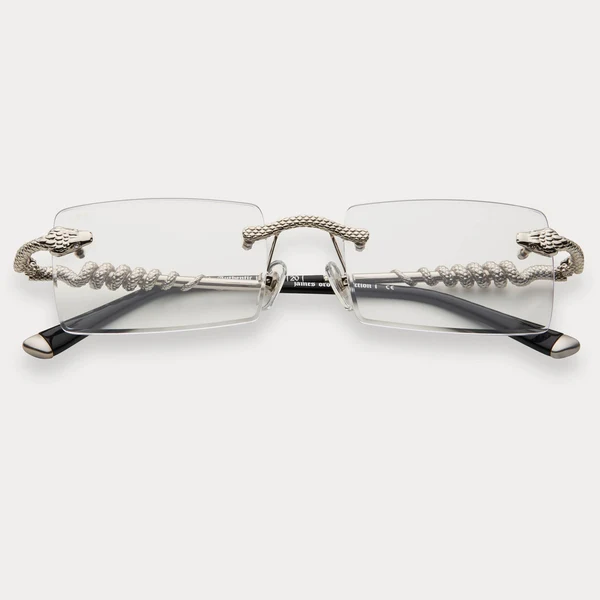
James Oro Clear Silver Serpent Authentic
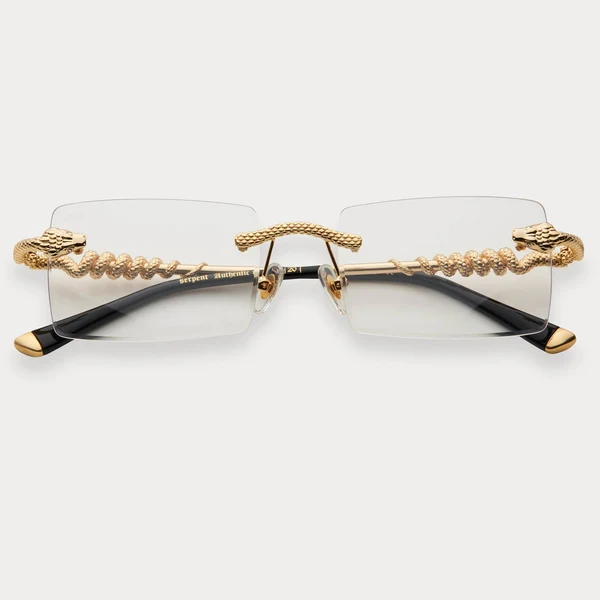
James Oro Clear Serpent Authentic
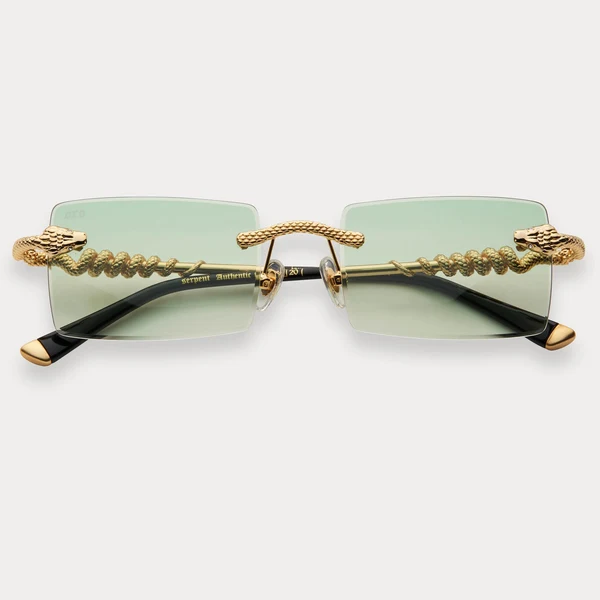
James Oro Green Tint Serpent Authentic
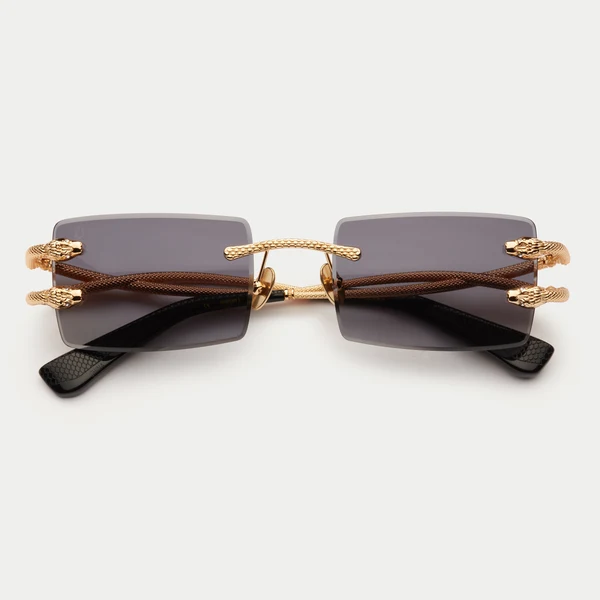
James Oro Black Tint Serpent II
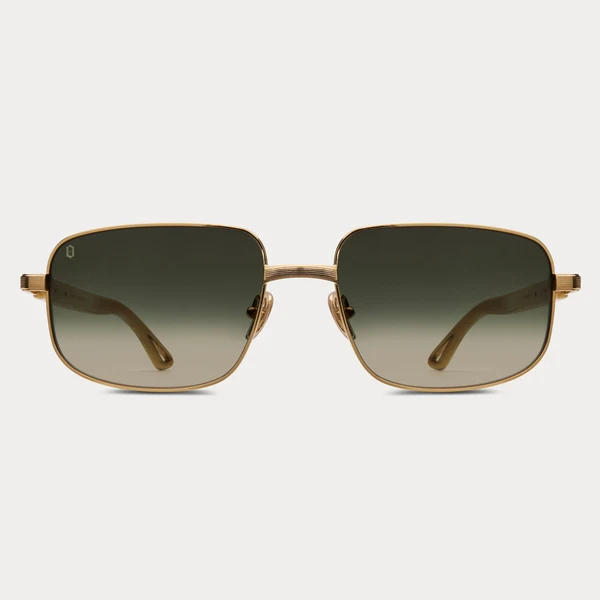
James Oro Chartreuse Rare Blanc Cavalier
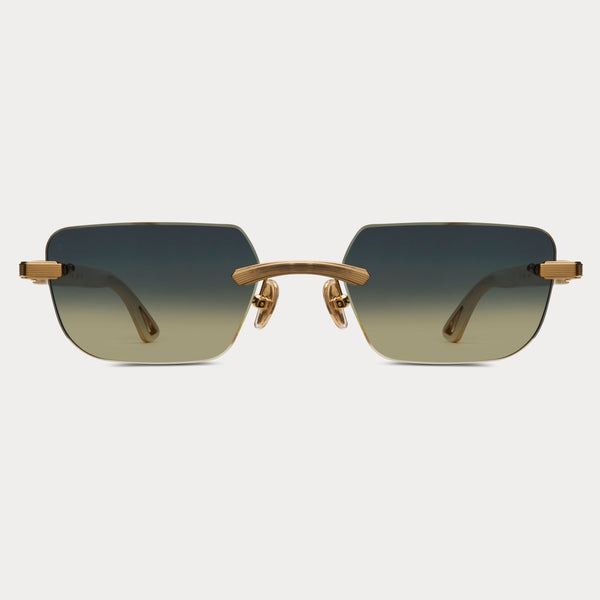
James Oro Chartreuse Rare Blanc Duke
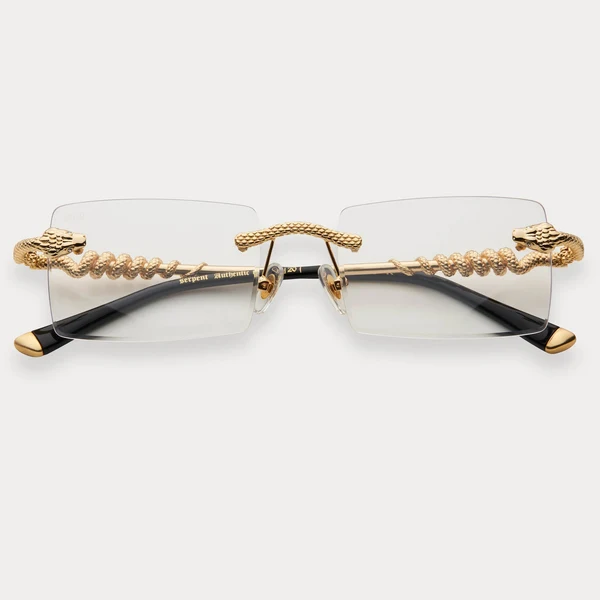
James Oro Clear Serpent Authentic XL
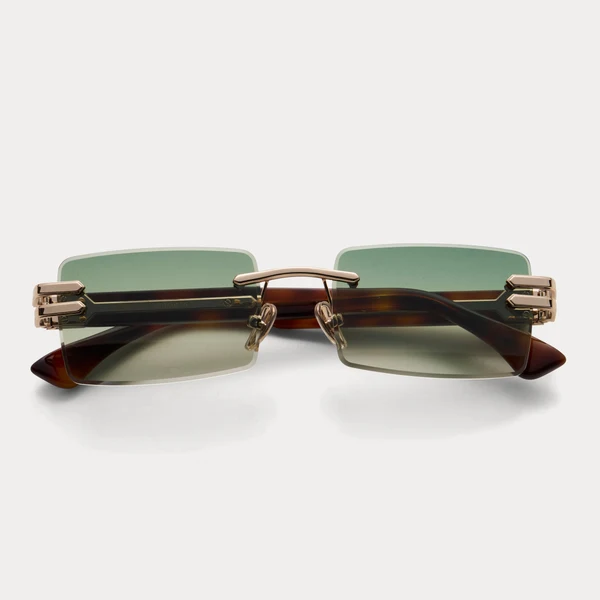
James Oro Old Money Baron
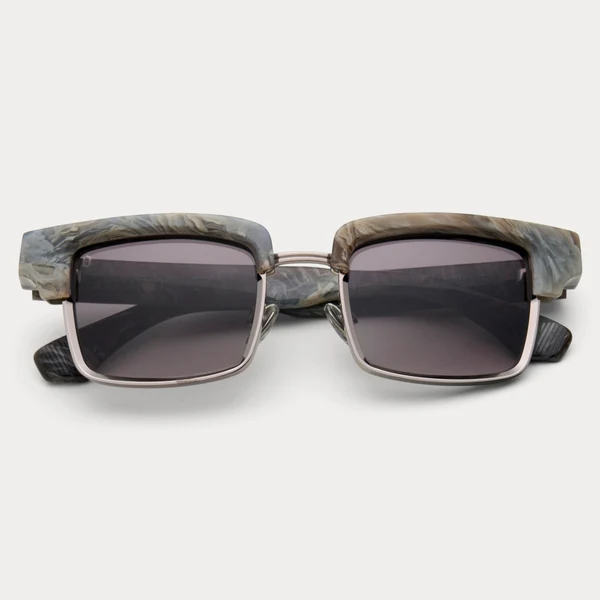
James Oro Granite Navigator
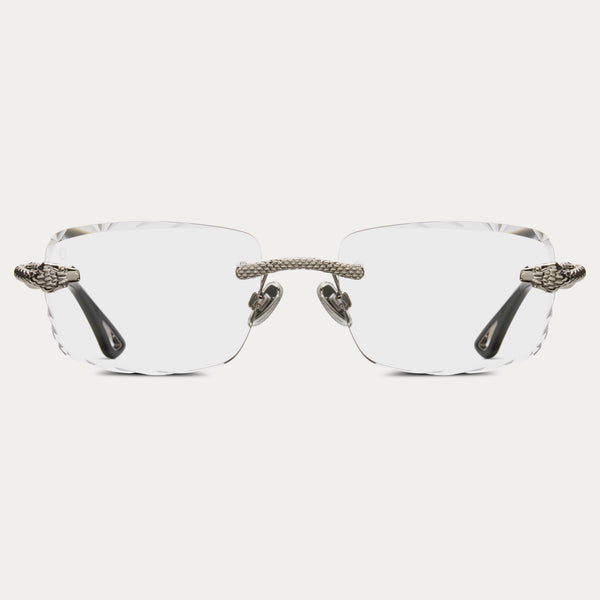
James Oro Clear Silver Serpent Gem Cut
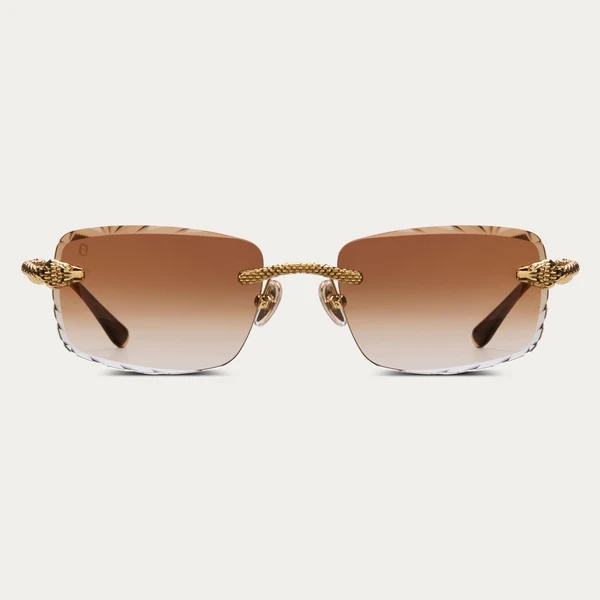
James Oro Brown Serpent Gem Cut
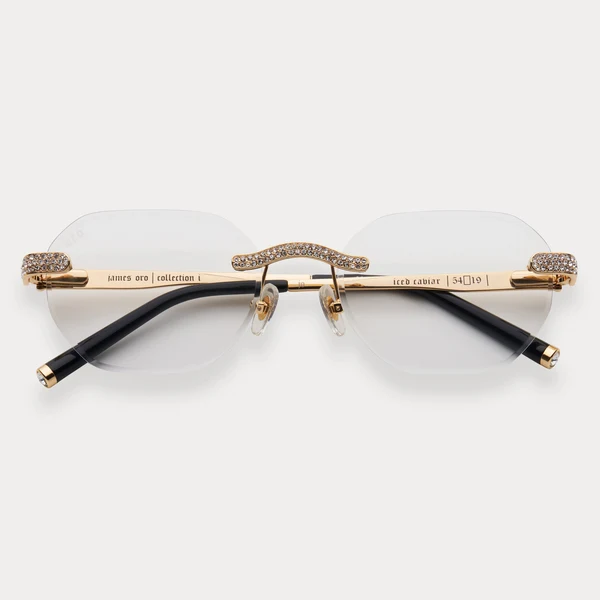
James Oro Iced Clear Opus
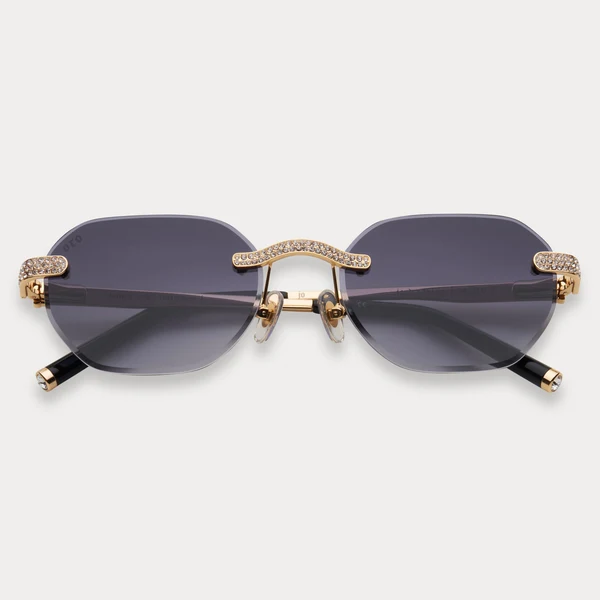
James Oro Iced Black Tint Opus
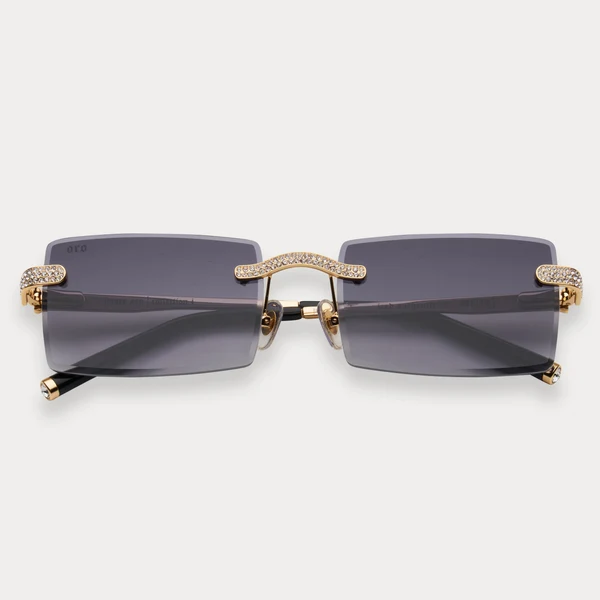
James Oro Iced Black Tint Authentic XL
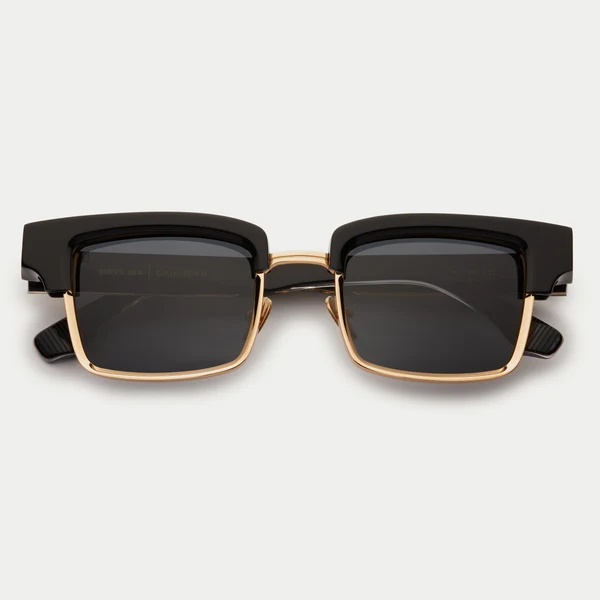
James Oro Black Navigator
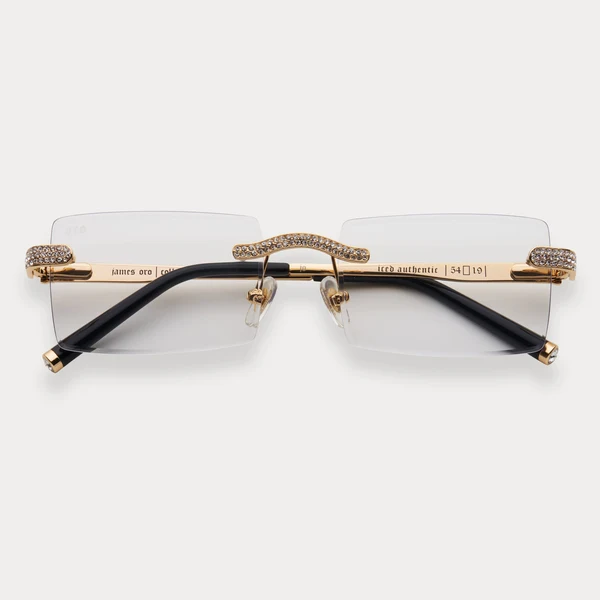
James Oro Iced Clear Authentic
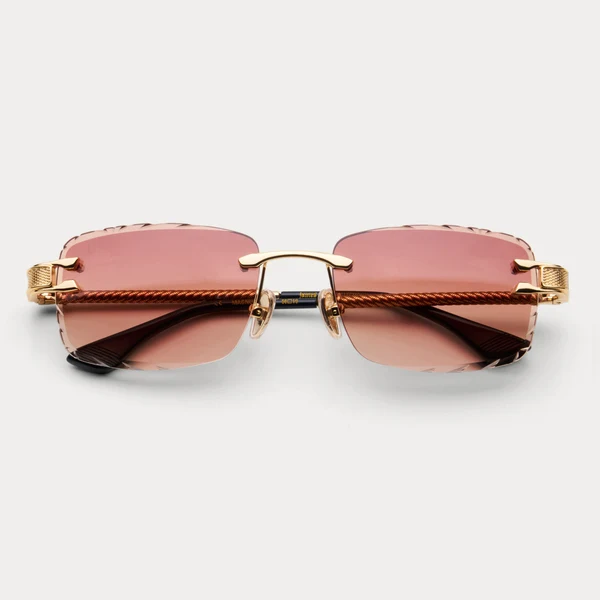
James Oro Magnus Brown Tint Signature Gem Cut
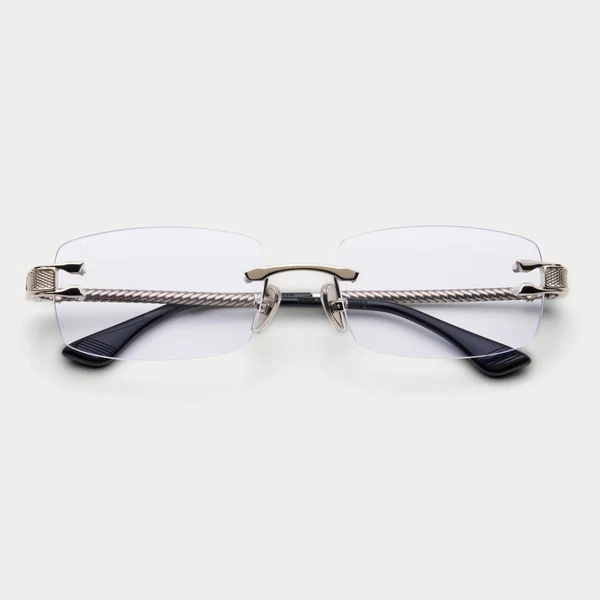
James Oro Clear Silver Magnus
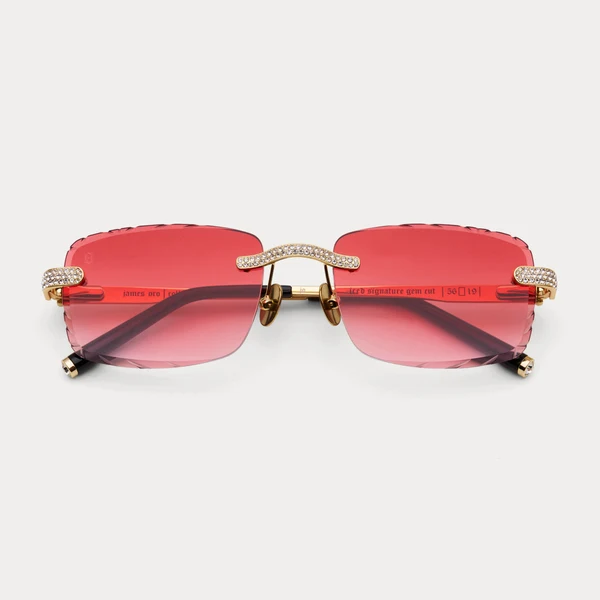
James Oro Iced Red Tint Signature Gem Cut
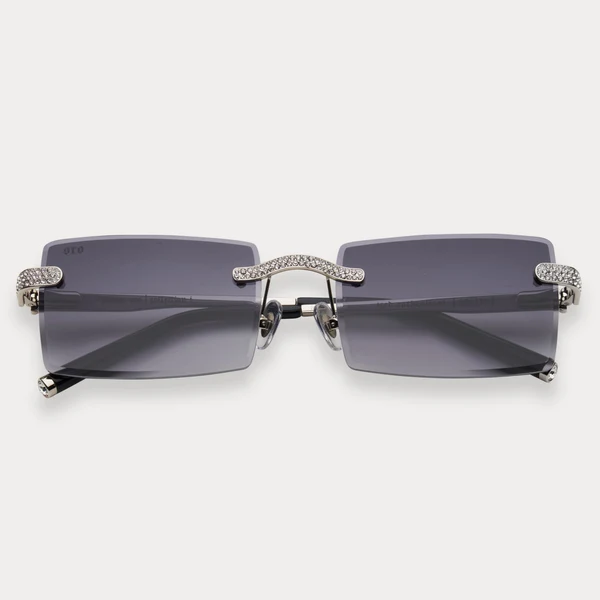
James Oro Iced Black Tint Silver Authentic XL
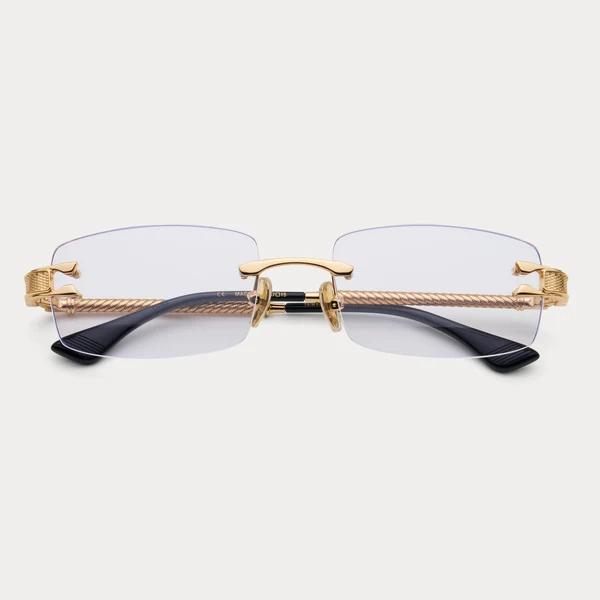
James Oro Clear Magnus
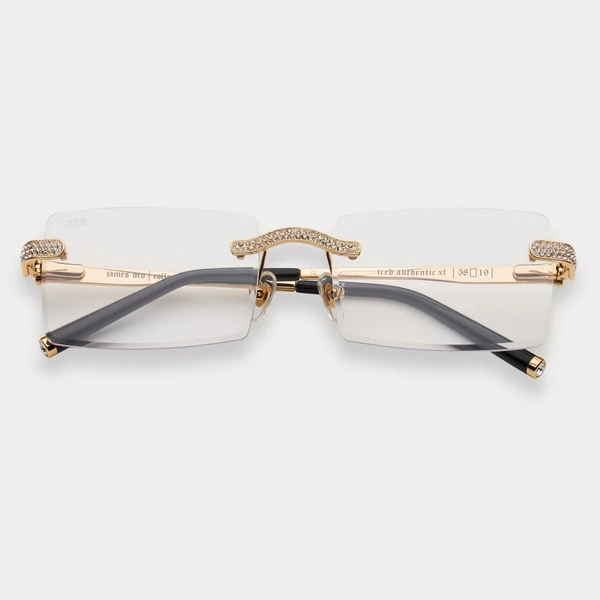
James Oro Iced Clear Authentic XL
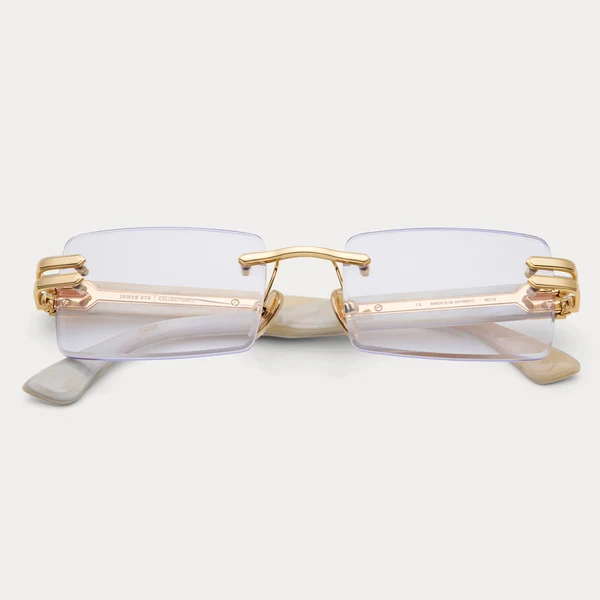
James Oro Clear Rare Blanc Baron
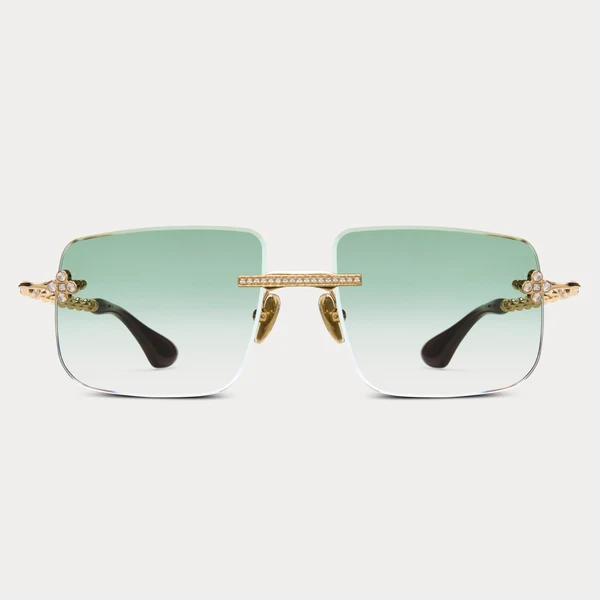
James Oro Old Money Fortune
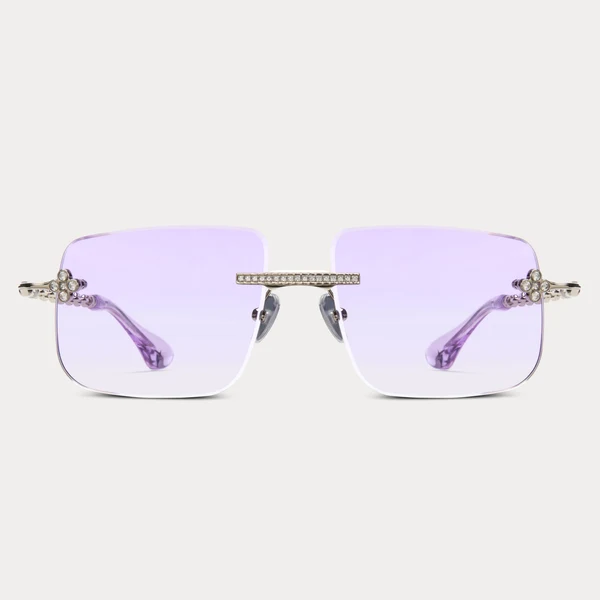
James Oro Lavender Silver Fortune
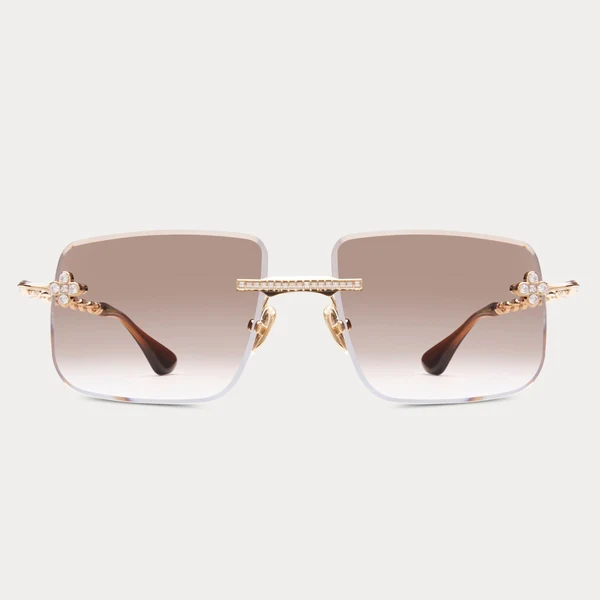
James Oro Brown Tint Fortune
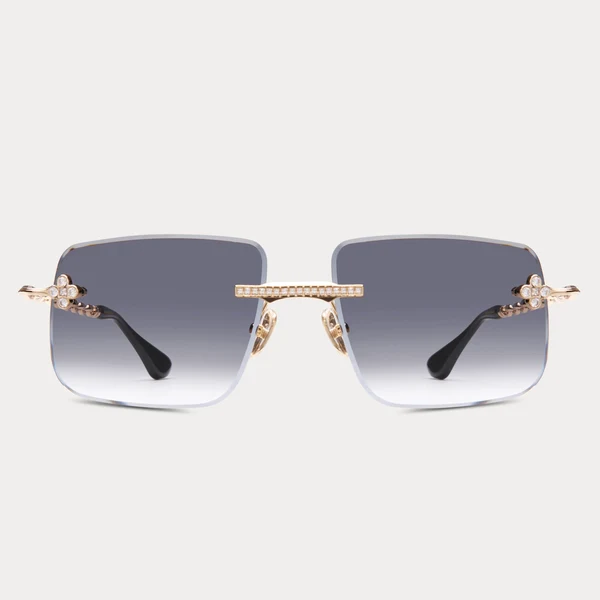
James Oro Black Tint Fortune
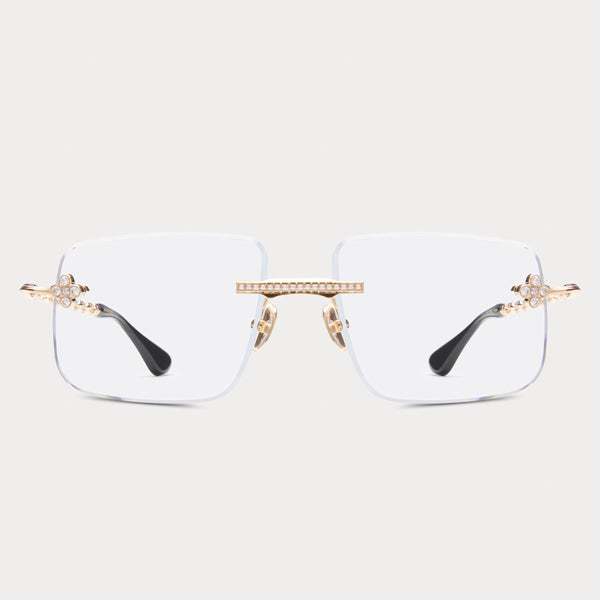
James Oro Clear Fortune
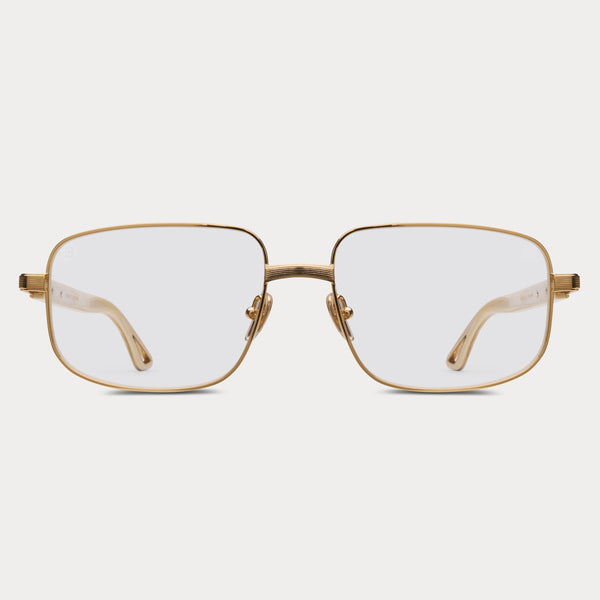
James Oro Clear Rare Blanc Cavalier
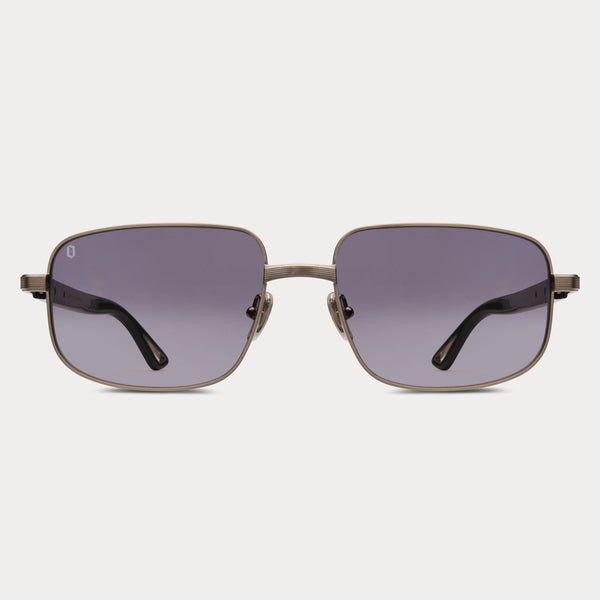
James Oro Black Tint Rare Noir Cavalier
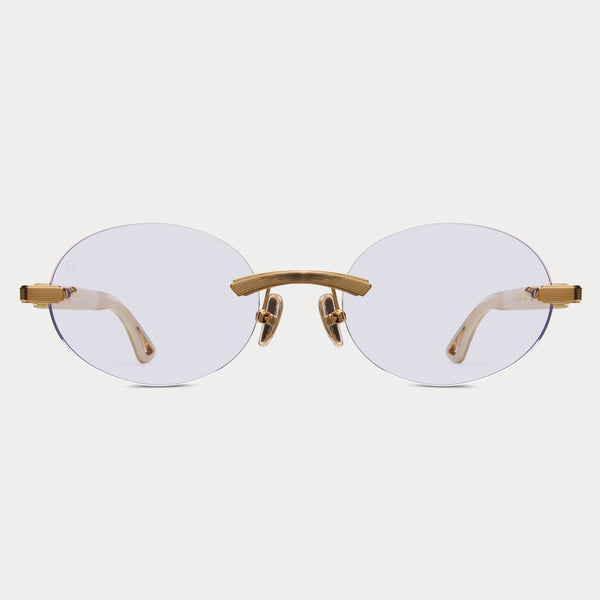
James Oro Clear Rare Blanc Royce
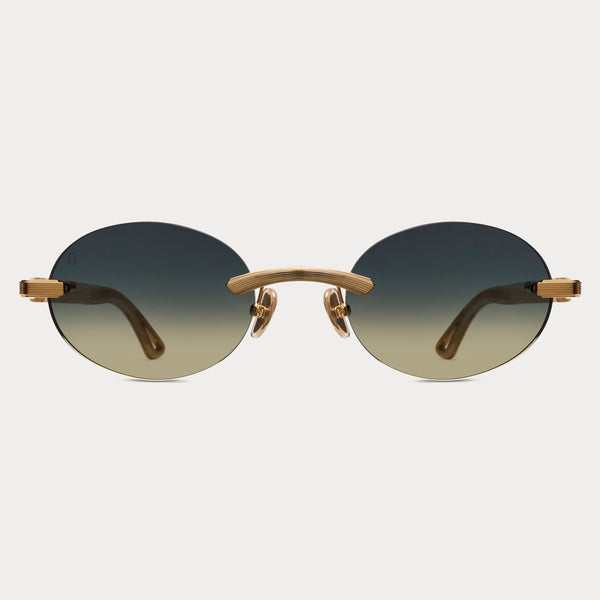
James Oro Chartreuse Rare Blanc Royce
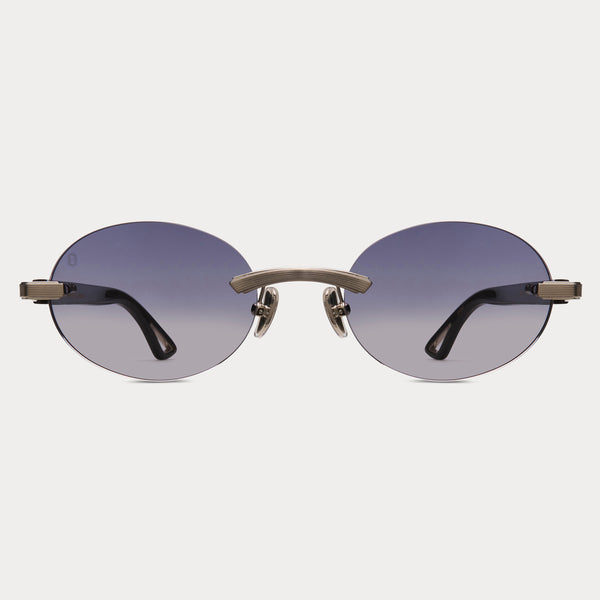
James Oro Black Tint Rare Noir Royce
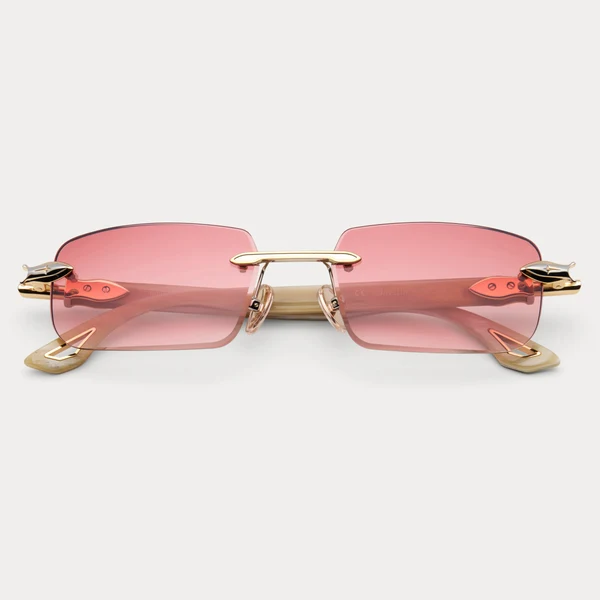
James Oro Red Tint Rare Blanc Javelin
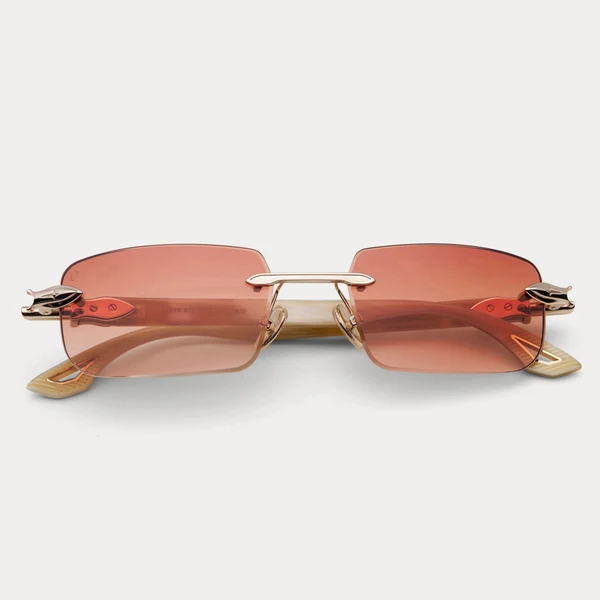
James Oro Sunset Rare Blanc Javelin
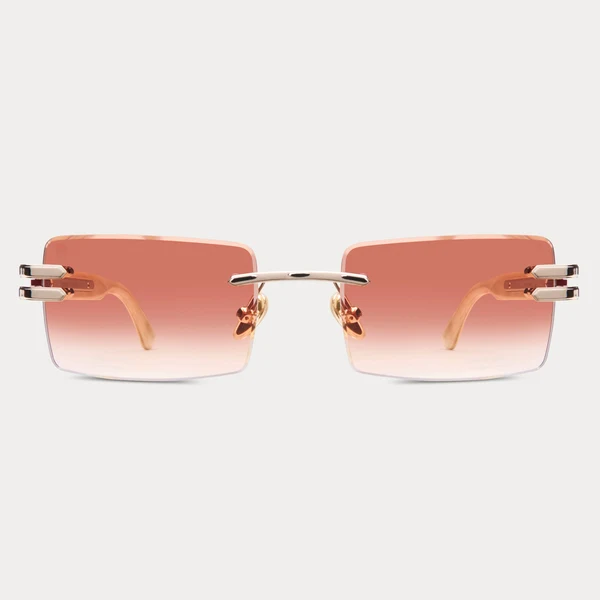
James Oro Sunset Rare Blanc Baron
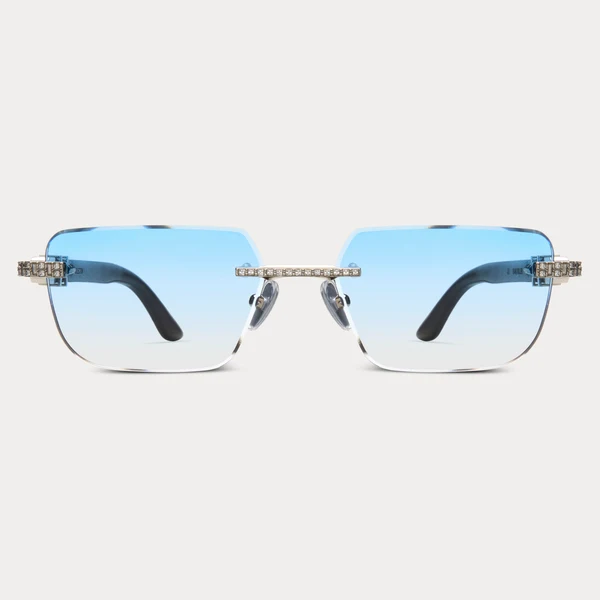
James Oro Blue Tint Silver Bankroller
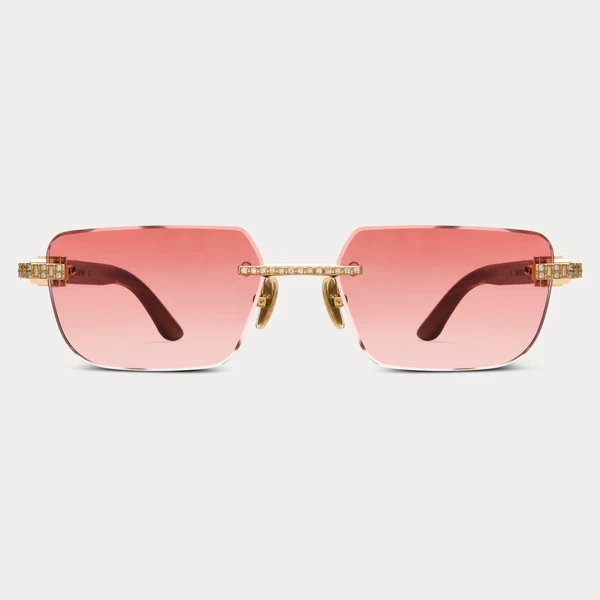
James Oro Red Tint Bankroller
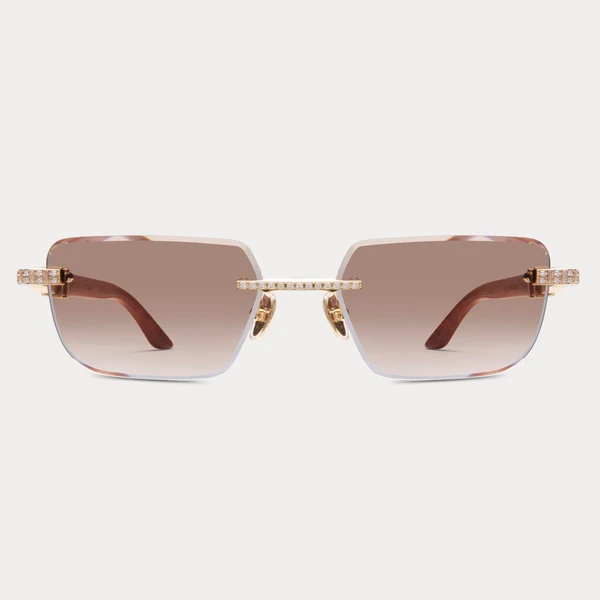
James Oro Brown Tint Bankroller
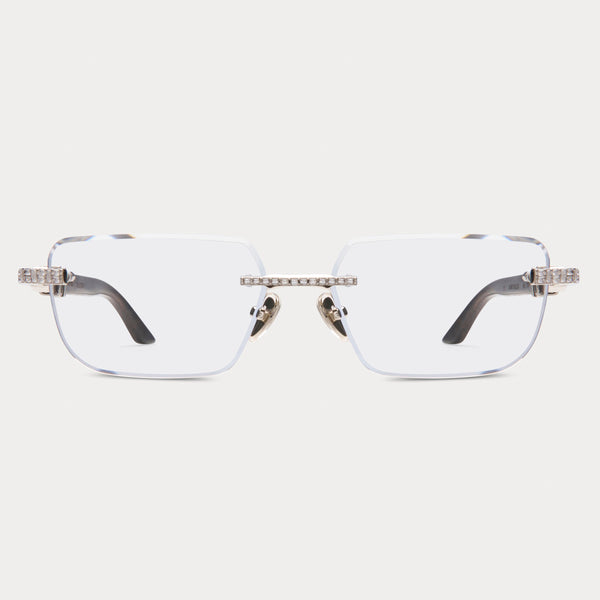
James Oro Clear Silver Bankroller
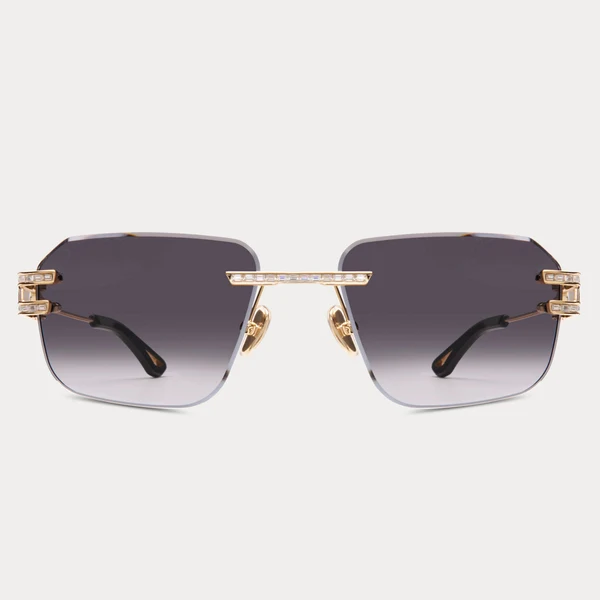
James Oro Black Tint Mercenary
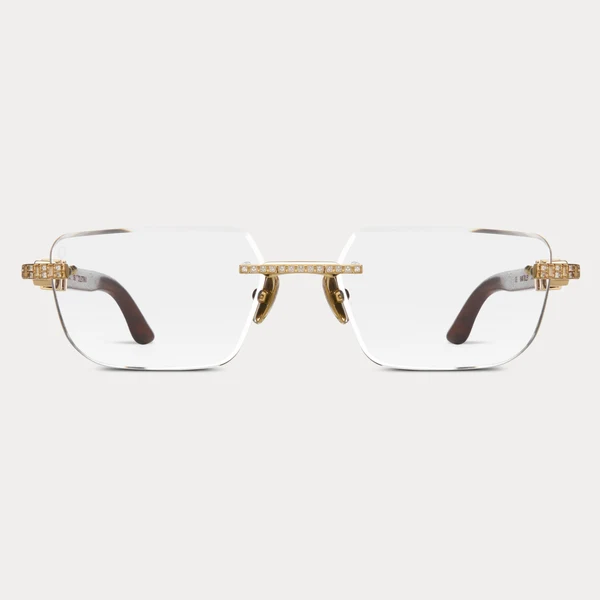
James Oro Clear Bankroller
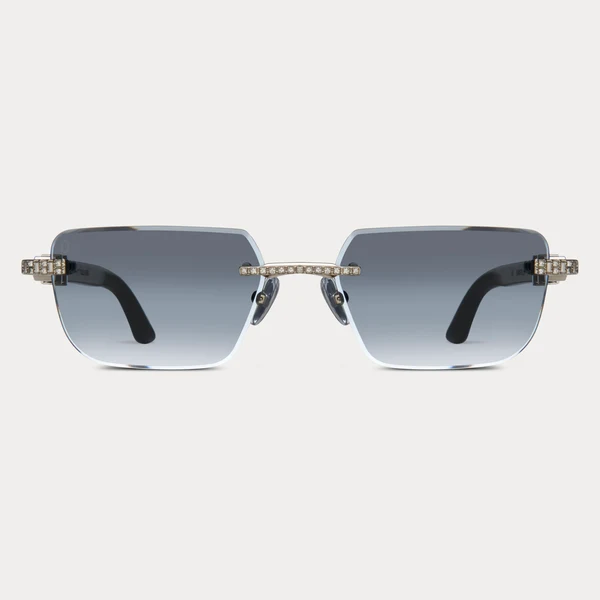
James Oro Black Tint Silver Bankroller
Bottom line
Buy acetate if you want the frame people notice first and you have an average-to-wide face; buy metal or mixed if you want comfort and an adjustable fit; buy rimless if you want the lens and hardware to do the talking and you will look after them. Whichever you pick, the lens choice is separate, and the lens guide covers that.