
James Oro publishes four measurements on every frame page, which is more than most online eyewear brands give you, but the store's product photos are shot at one scale and tell you nothing about how a 130 mm Opus and a 156 mm Nighthawk will sit on the same face. This guide explains the four numbers, gives a face-width table, and groups every current model by front width.
The four numbers
A, lens width is the horizontal width of one lens; across the catalog it runs from 40 mm on the smallest rimless lenses to around 60 mm on the oversized aviators, with a median of 54 mm. B, bridge width is the gap between the lenses, 16–24 mm here. C, temple length is the arm, 140–150 mm on almost every model. D, front frame width is the total width across the front including the frame material, and it is the number that decides whether a frame looks right on you.
Front width is what we show on every product page and card. The catalog runs from 130 mm (Opus) to 156 mm (Nighthawk, Godfather, Titan XL and Serpent Authentic XL), with a quarter of the models at 143 mm or under, a median of 147.5 mm, and a quarter at 149 mm or over.
Rough face-width guide
| Your face width (temple to temple) | Comfortable front width | James Oro models to look at |
|---|---|---|
| Under 130 mm (narrow) | 130–140 mm | Opus, Coffre, Alchemist, Architect, Siren Lust, Lala, Authentic II, Javelin, Signature |
| 130–140 mm (average) | 140–148 mm | Most of the range: Titan, Dune, Hustler, Icon, Grail, Serpent, Hydra, Amour, Caliber |
| 140–150 mm (wide) | 148–153 mm | Caliber, Agent, Atlas, Skymaster, Cruzer, Vantage, Capo, Hunnids, Legacy Dune |
| Over 150 mm (very wide) | 153 mm and up | Titan XL, Dune XL, Authentic II XL, Serpent Authentic XL, Nighthawk, Godfather, Windshield |
Measure across your face at the temples with a ruler, or measure a pair of sunglasses that already fits well across the front and use that number. As a rule, the front of the frame should be about as wide as your face, give or take 3–4 mm; a frame that is clearly wider will slide, and one that is narrower will press at the temples and look small.
Which models run narrow, average or wide
| Front width | Models in stock | Price from |
|---|---|---|
| 140 mm and under (narrow) | 60 | $99 |
| 141–149 mm (average) | 266 | $55 |
| 150 mm and up (wide) | 49 | $55 |
The XL versions
Four families come in an XL size: the Titan (148 → 155.7 mm), Dune (148 → 155.1 mm), Authentic II (140 → 150.8 mm) and the Serpent and Iced Authentic (142 → 156 mm), plus an Opus XL. The shape does not change; the front is simply cut wider and the lenses are larger. If you are between the average and wide rows above, the standard size is usually right; if your face is clearly over 150 mm, go XL, since the standard Titan and Dune will look small and pinch at the hinges.
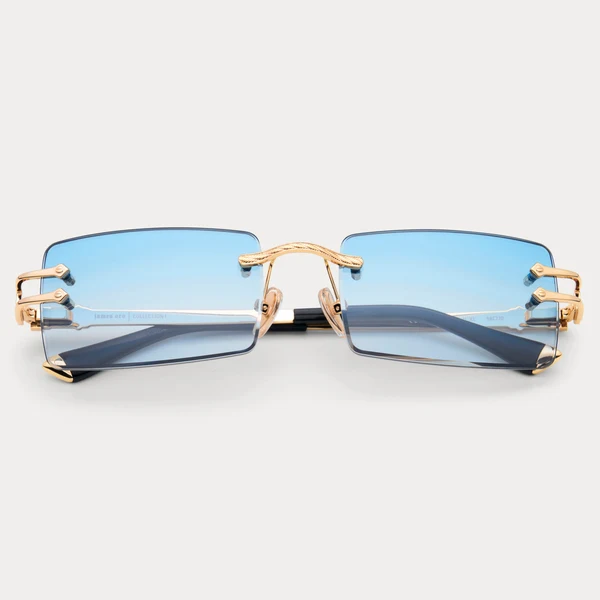
James Oro Blue Tint Authentic II XL
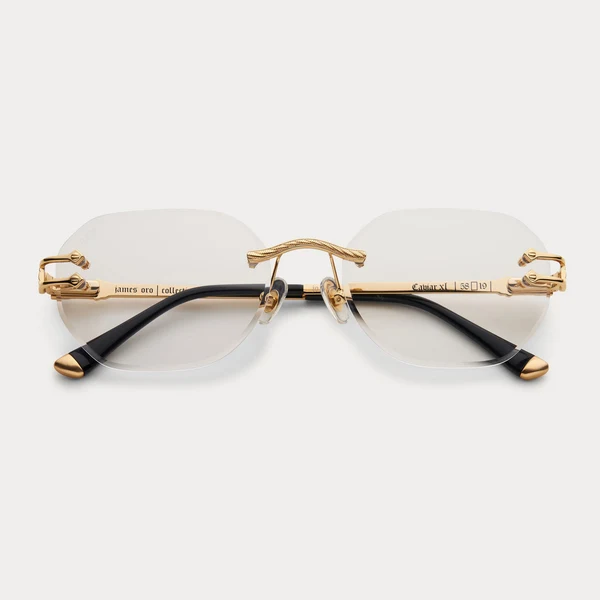
James Oro Clear Opus XL
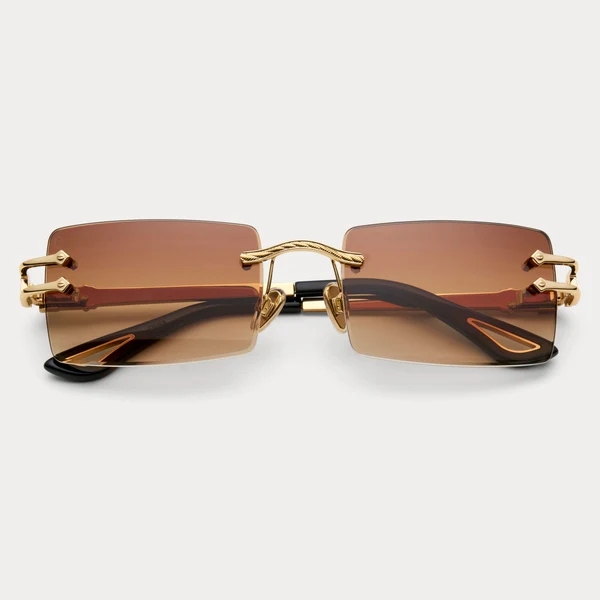
James Oro Brown Tint Authentic II XL
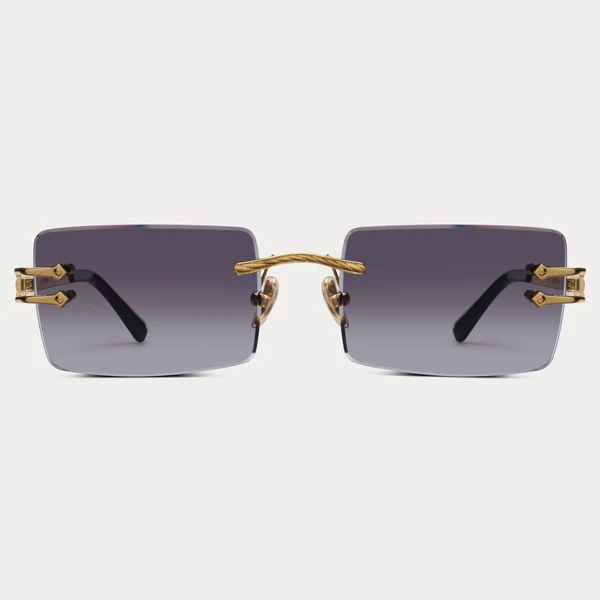
James Oro Black Tint Authentic II XL
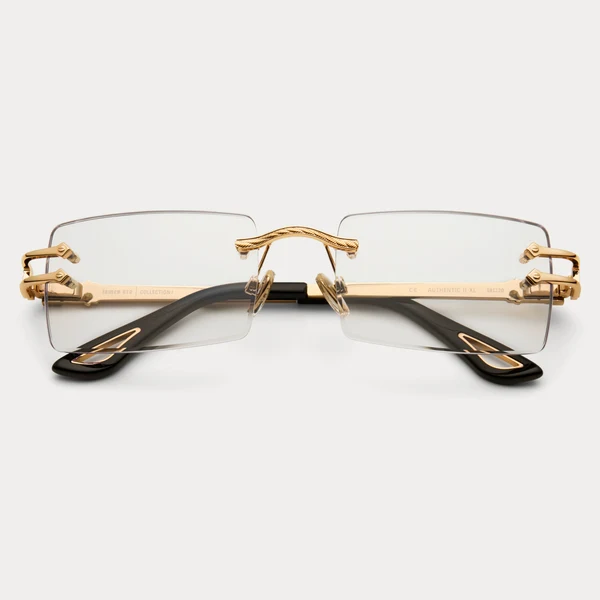
James Oro Clear Authentic II XL
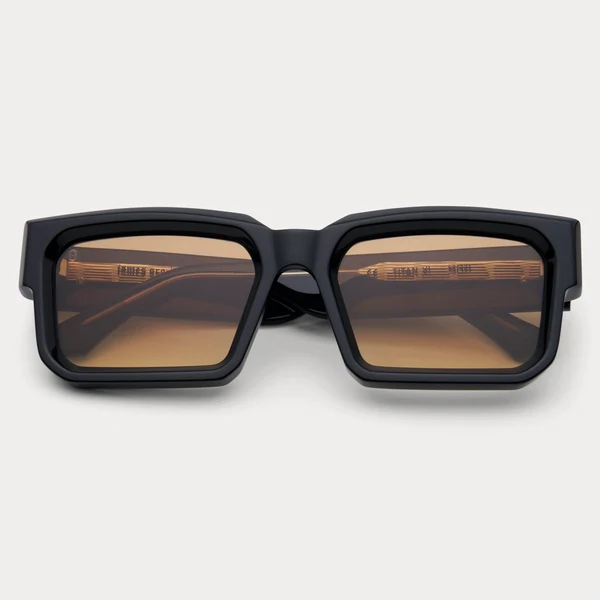
James Oro Amber Titan XL
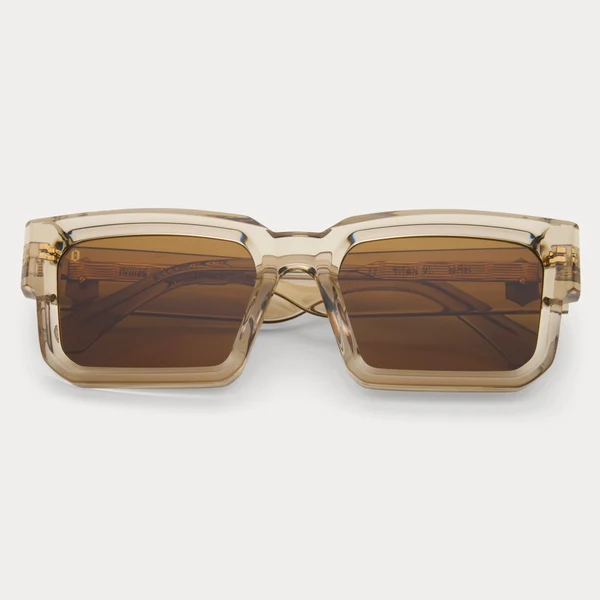
James Oro Champagne Titan XL
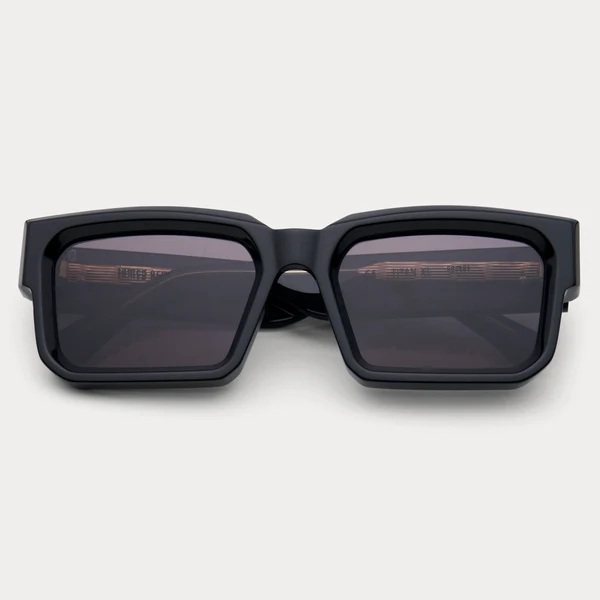
James Oro Black Titan XL
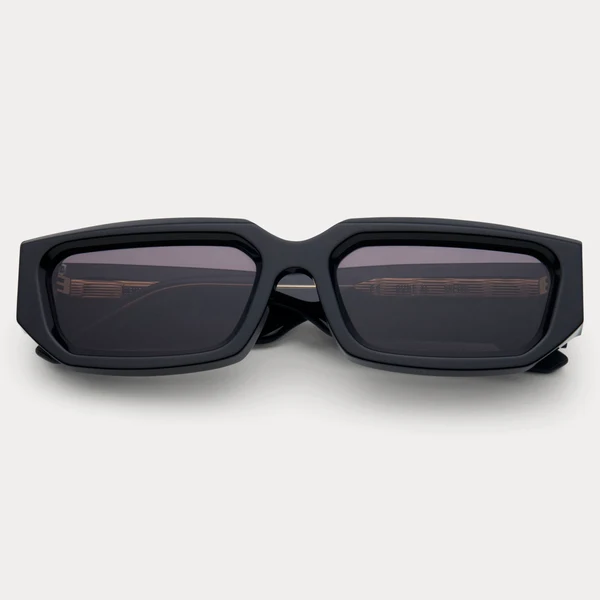
James Oro Black Dune XL
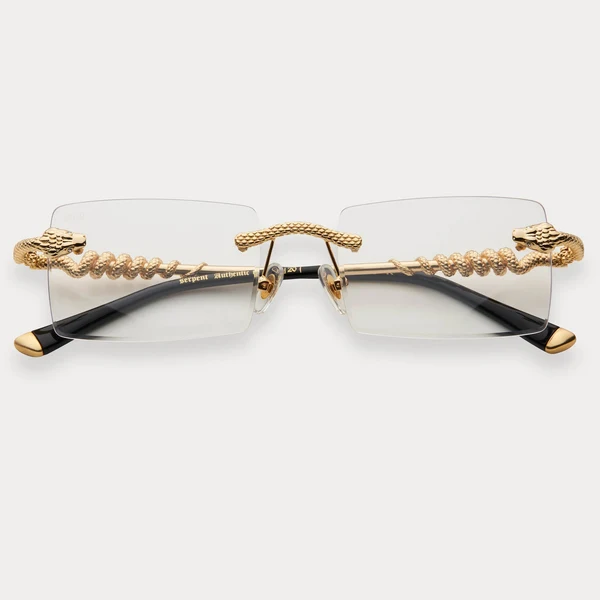
James Oro Clear Serpent Authentic XL
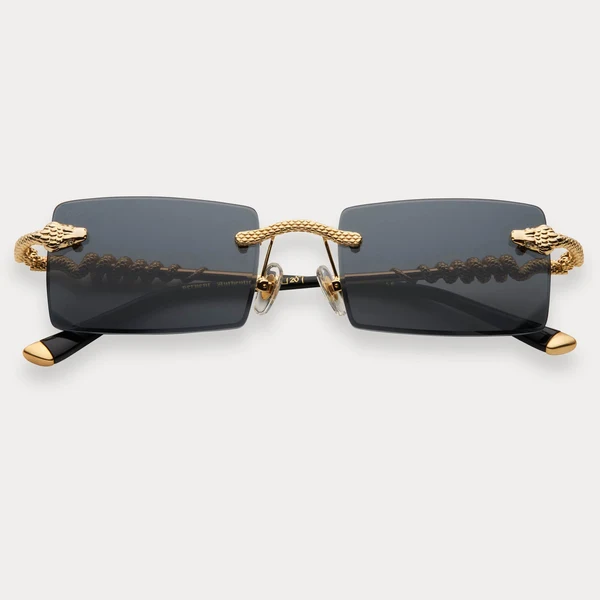
James Oro Black Tint Serpent Authentic XL
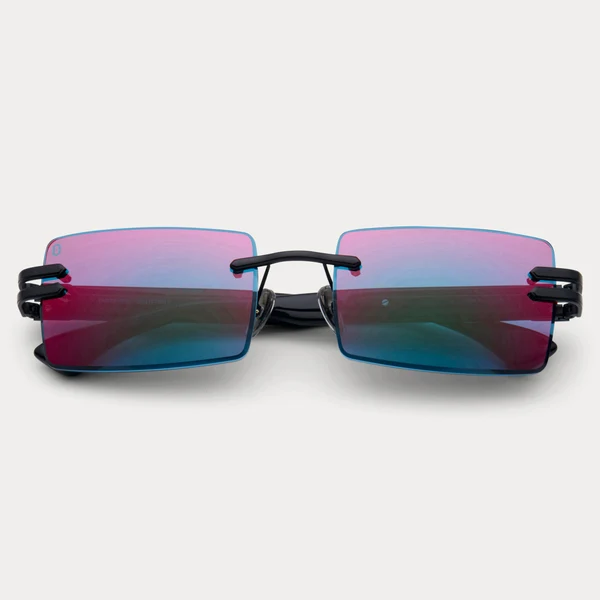
James Oro Reaper Baron Authentic XL
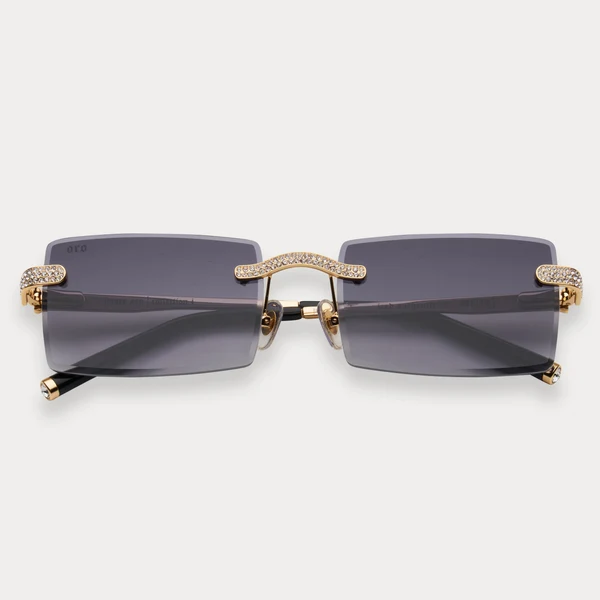
James Oro Iced Black Tint Authentic XL
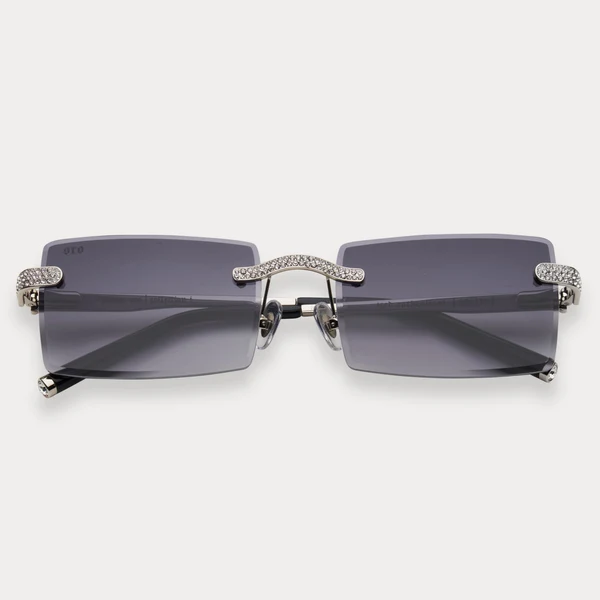
James Oro Iced Black Tint Silver Authentic XL
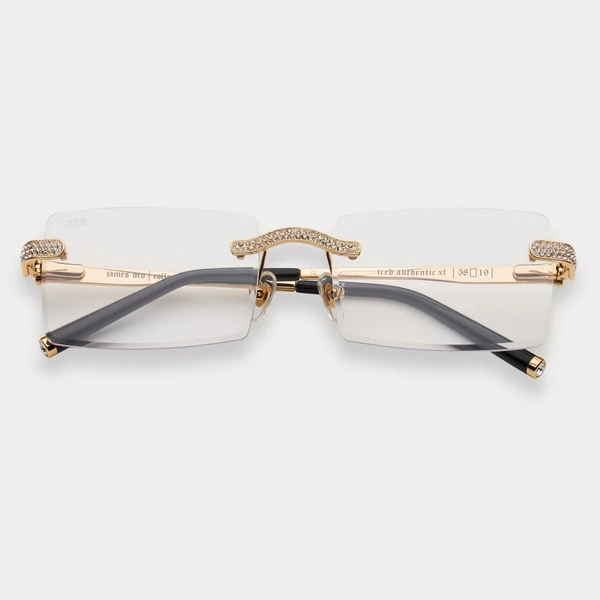
James Oro Iced Clear Authentic XL
Narrow: 140 mm and under
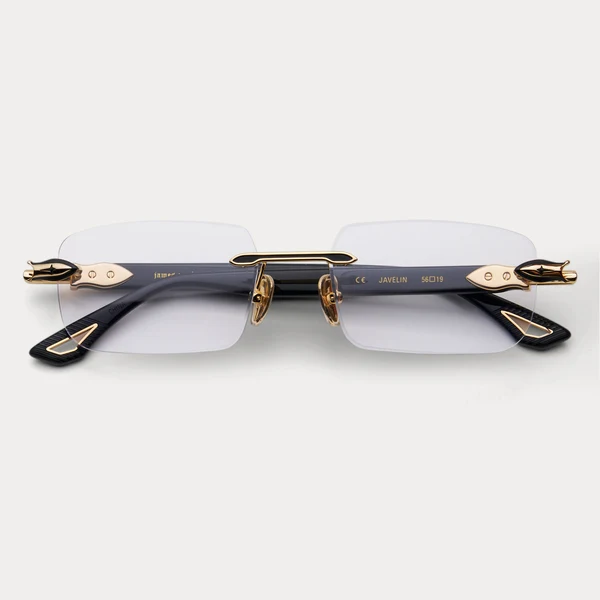
The rimless Opus (130–138.5 mm) and the cat-eye Coffre (132 mm) are the smallest frames in the range, followed by the round Alchemist and Architect at 135 mm, the heart-lens Siren Lust at 136 mm and the slim Lala at 136.5 mm. The signature Authentic II, the Javelin and the Signature all sit at exactly 140 mm, which is why they suit smaller faces better than the acetate models do.
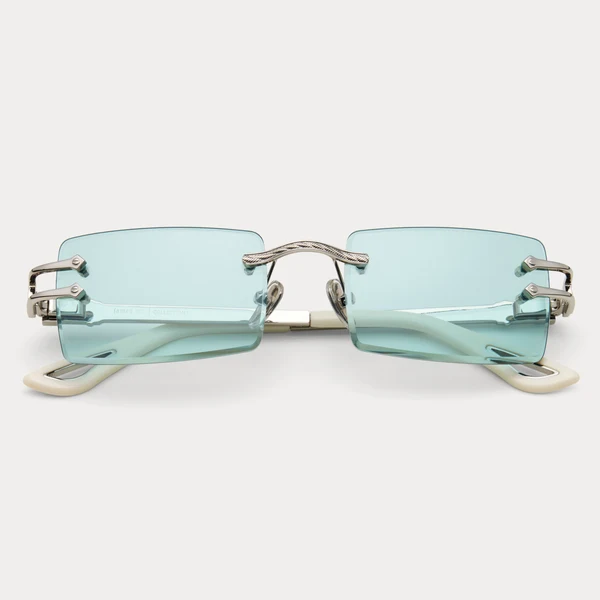
James Oro Crystal Ivory Silver Authentic II
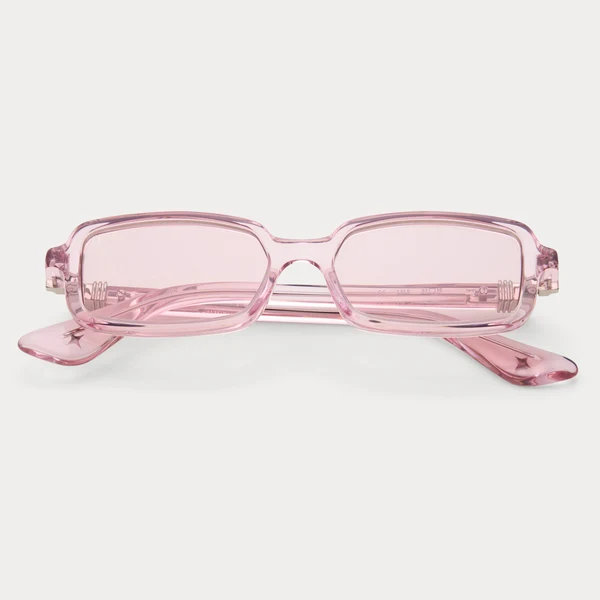
James Oro Candy Pink Lala
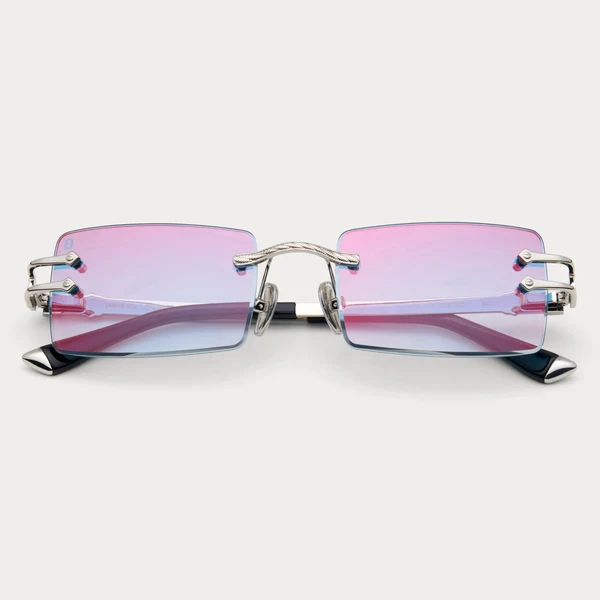
James Oro Dark Blue Flash Silver Authentic II
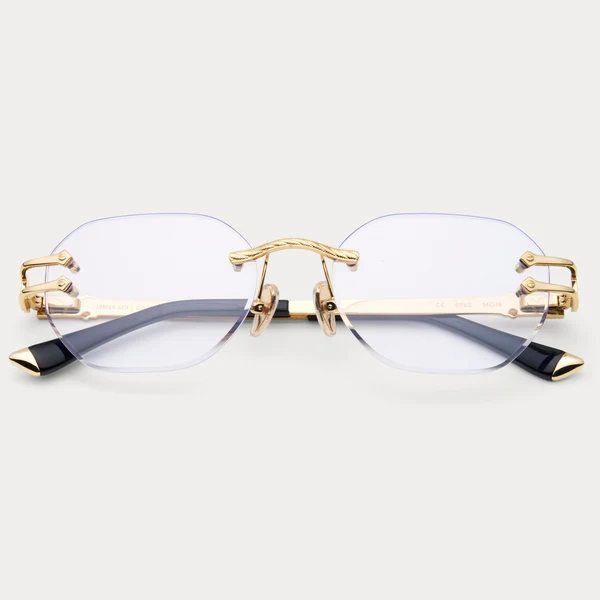
James Oro Clear Opus
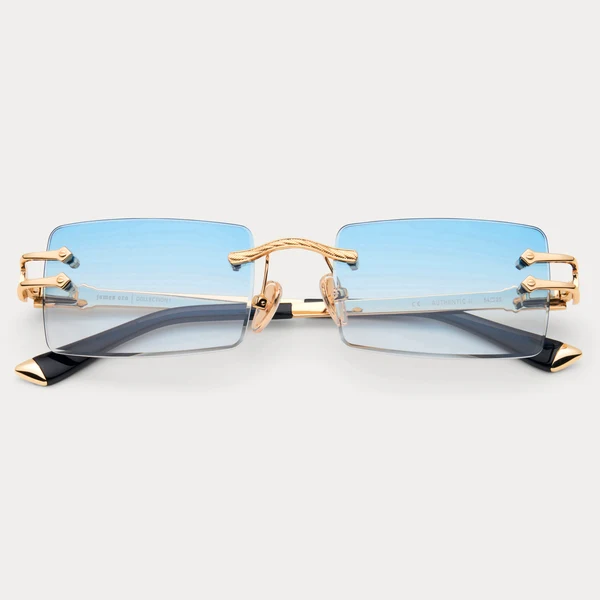
James Oro Blue Tint Authentic II
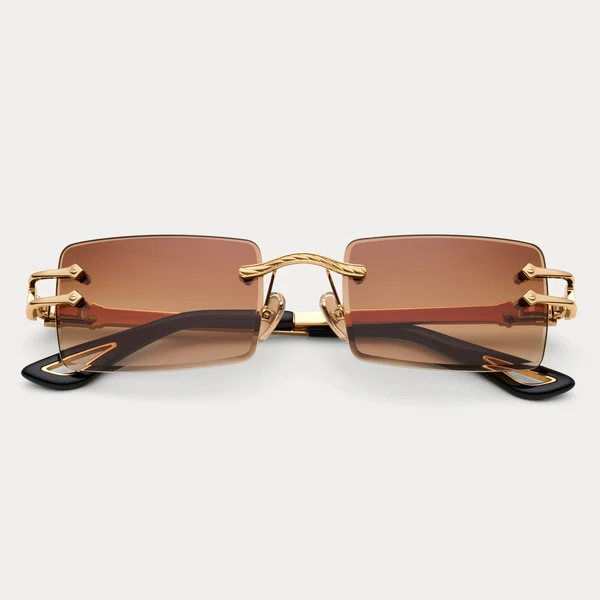
James Oro Brown Tint Authentic II
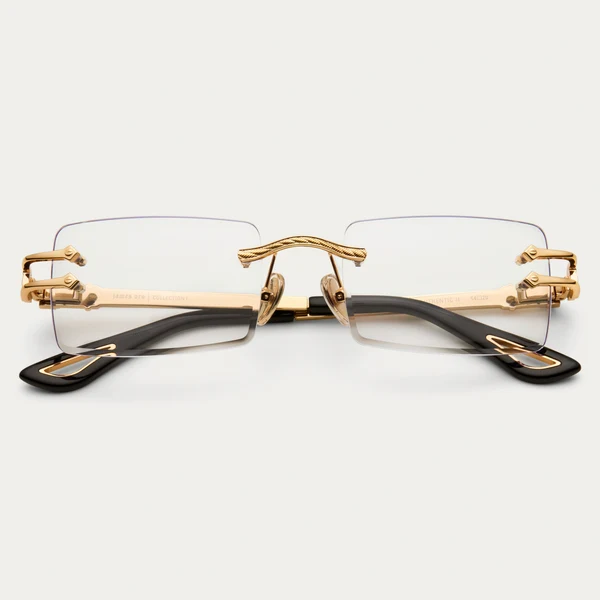
James Oro Clear Authentic II
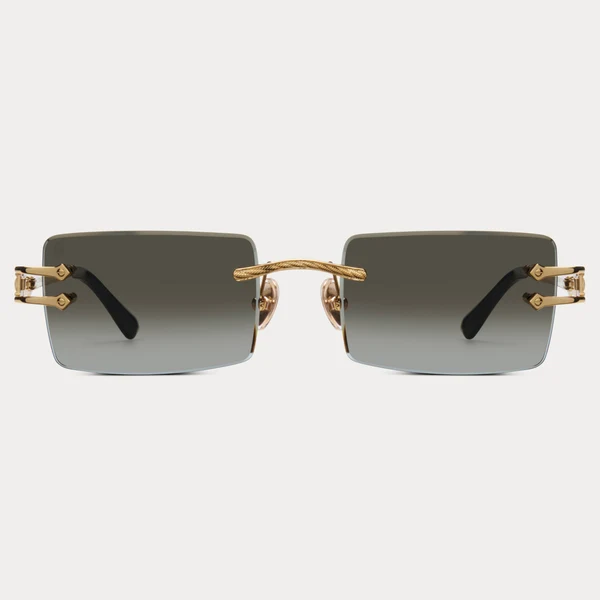
James Oro Black Tint Authentic II
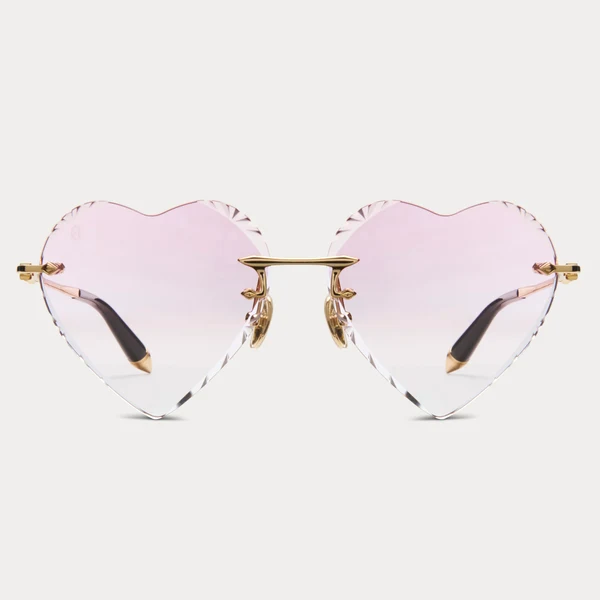
James Oro Pink Tint Siren Lust
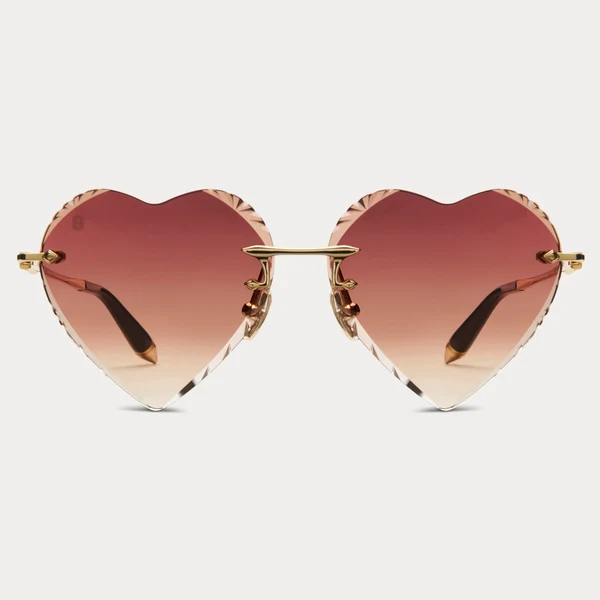
James Oro Brown Tint Siren Lust
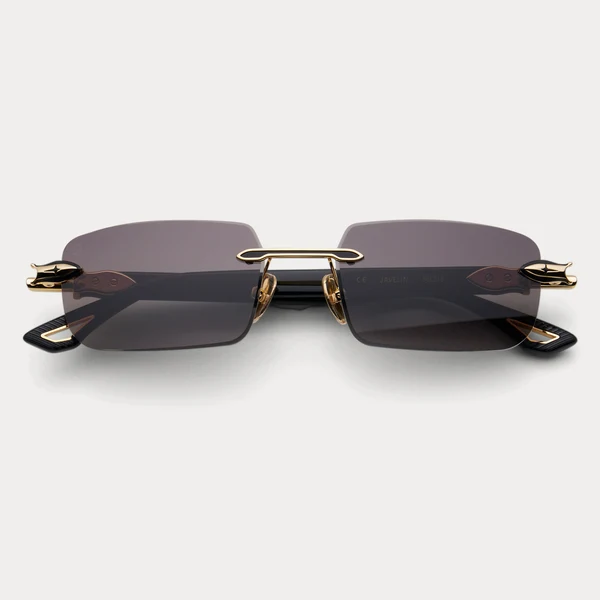
James Oro Black Tint Javelin
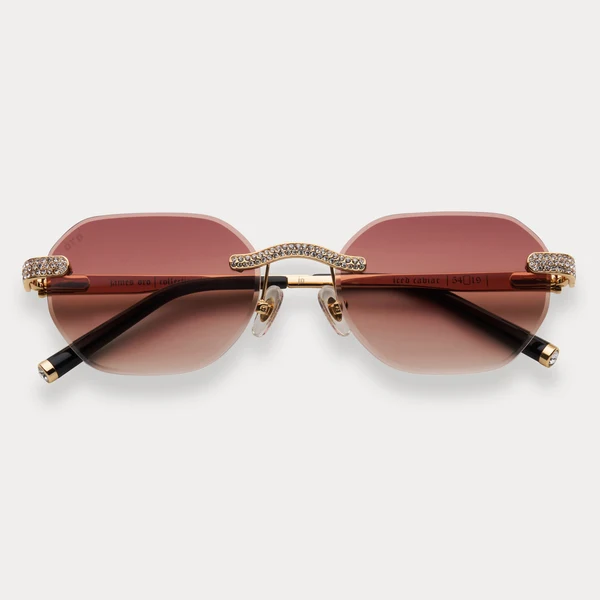
James Oro Iced Brown Tint Opus
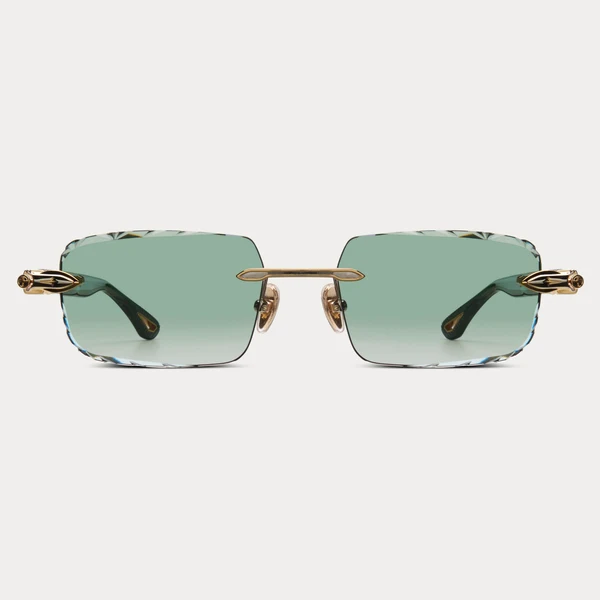
James Oro Absinthe Javelin Gem Cut
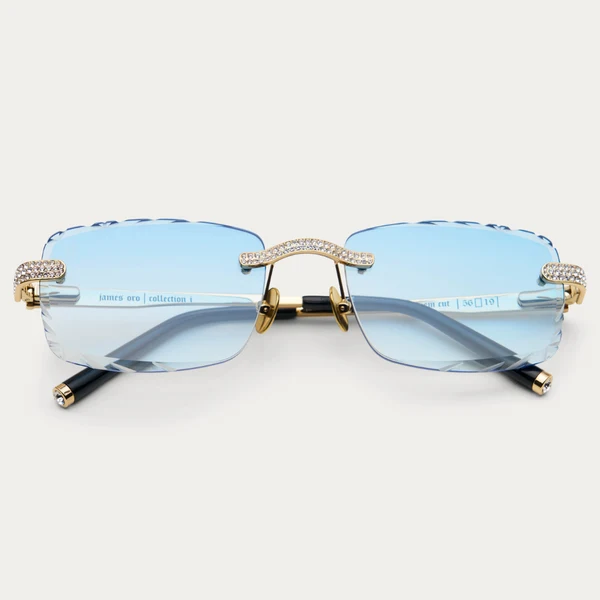
James Oro Iced Blue Tint Signature Gem Cut
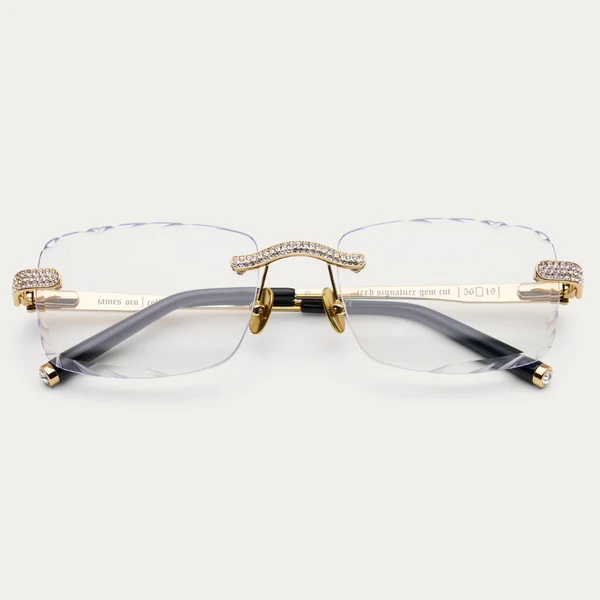
James Oro Iced Clear Signature Gem Cut
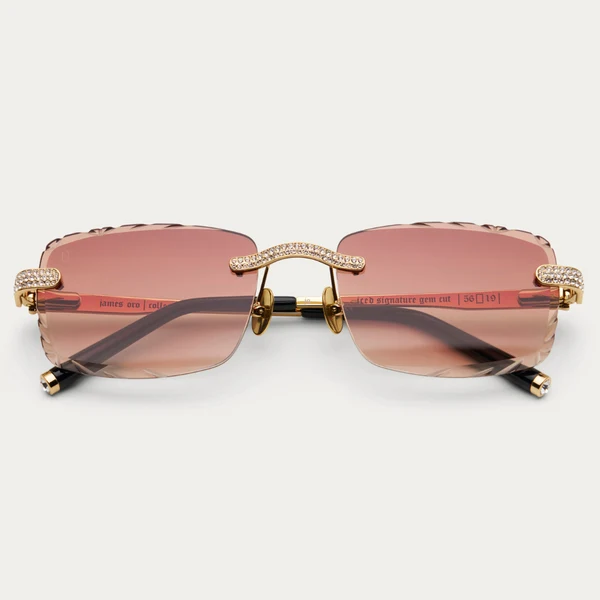
James Oro Iced Brown Tint Signature Gem Cut
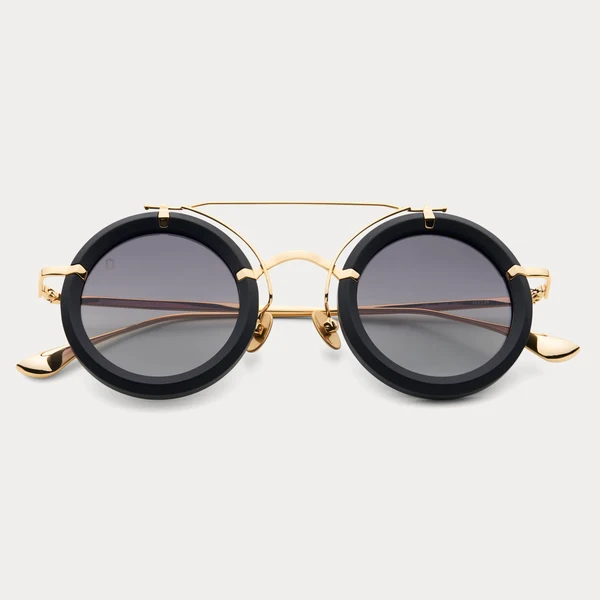
James Oro Matte Black Gold Alchemist
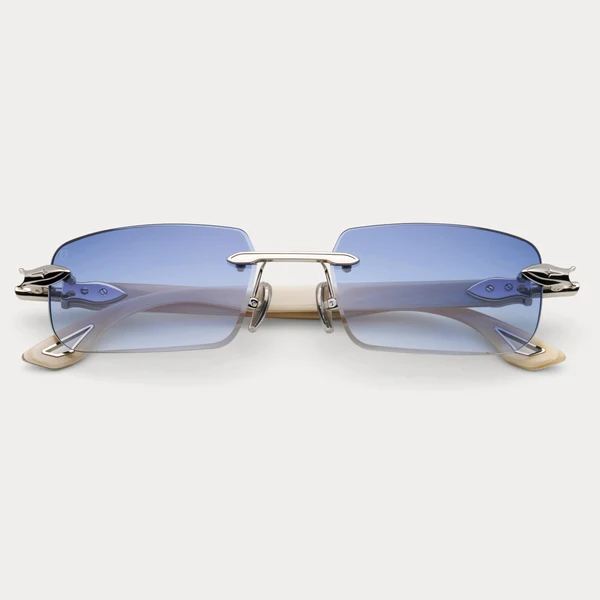
James Oro Nautical Rare Blanc Javelin
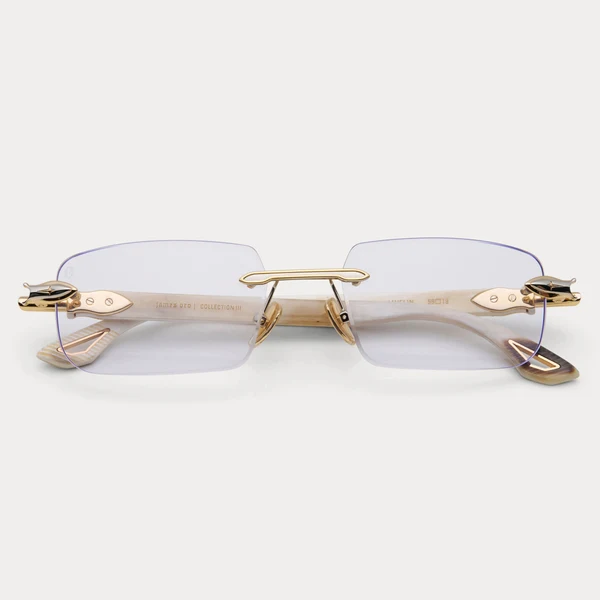
James Oro Clear Rare Blanc Javelin
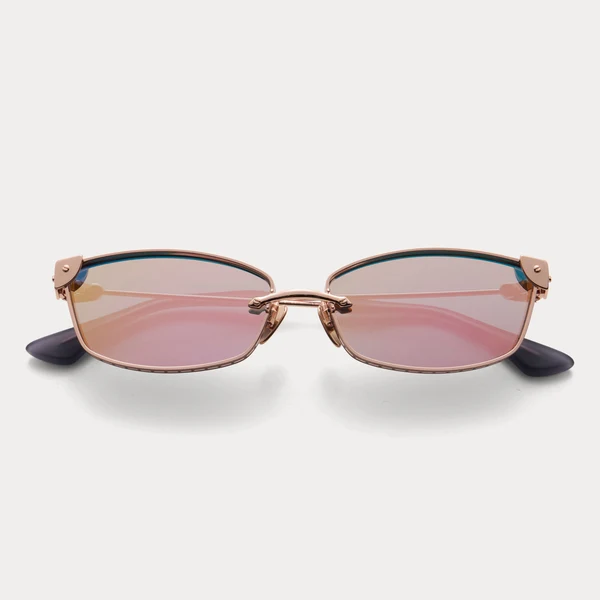
James Oro Rose Gold Coffre
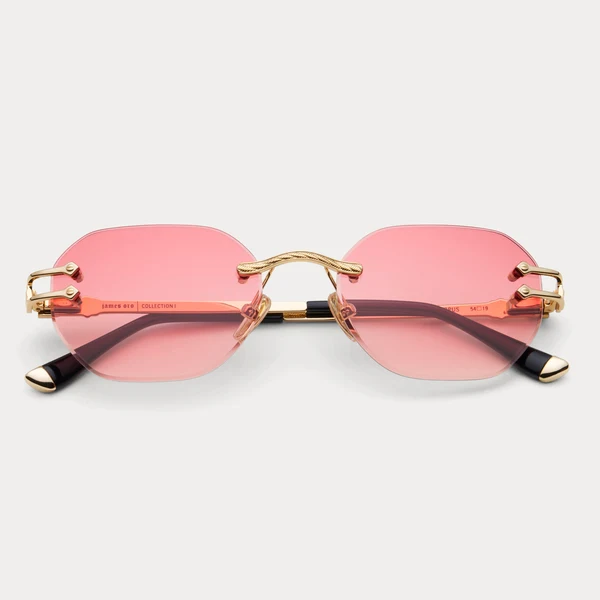
James Oro Red Tint Opus
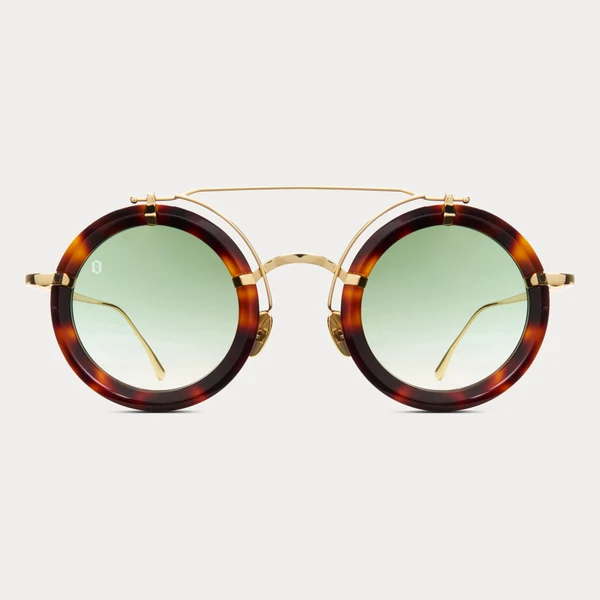
James Oro Old Money Alchemist
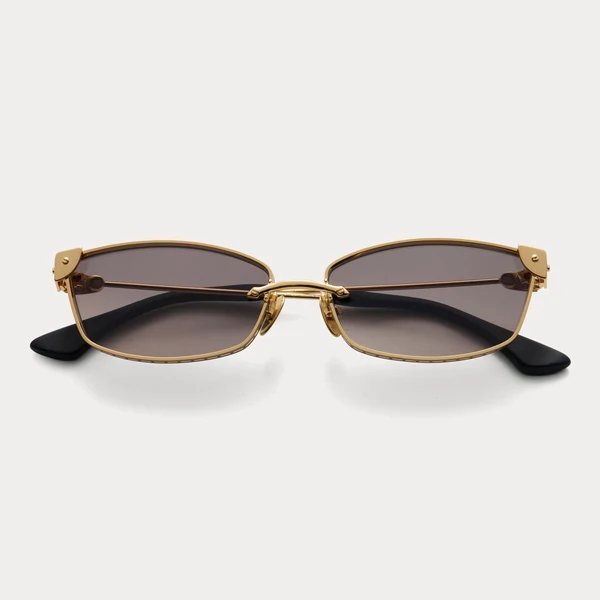
James Oro Black Tint Gold Coffre
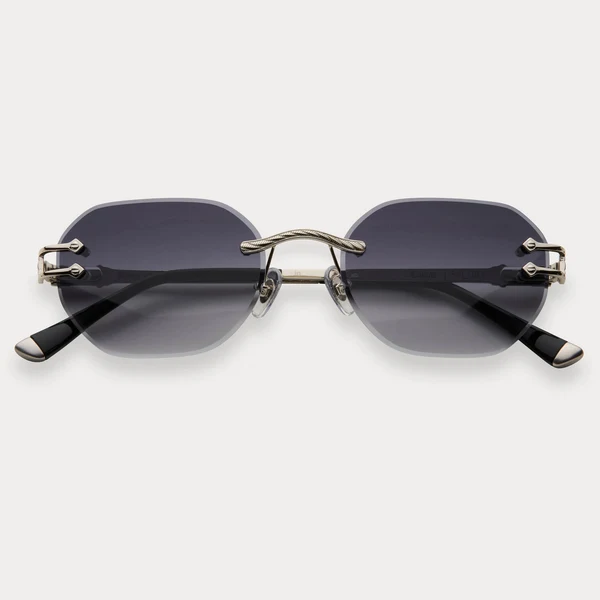
James Oro Black Tint Silver Opus
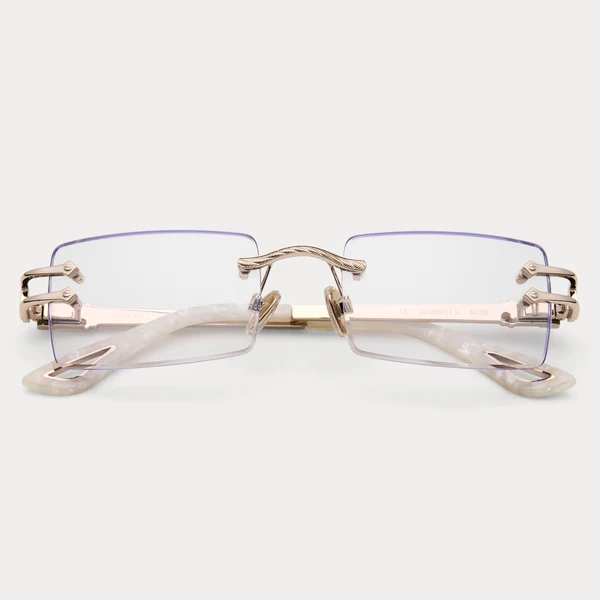
James Oro Opaline Authentic II
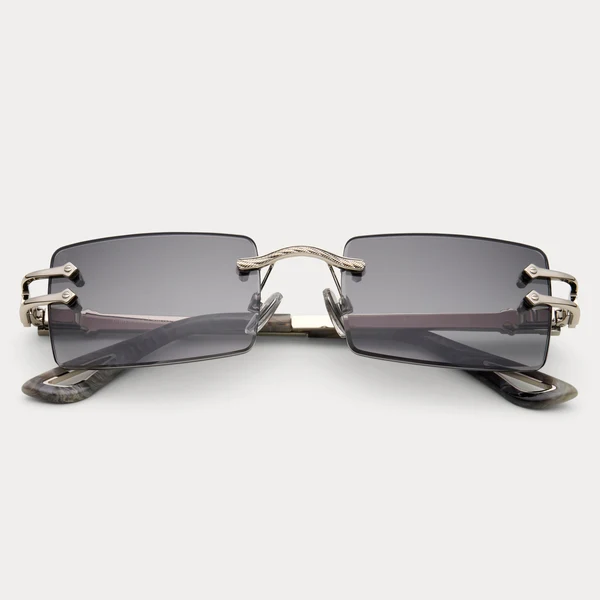
James Oro Granite Authentic II
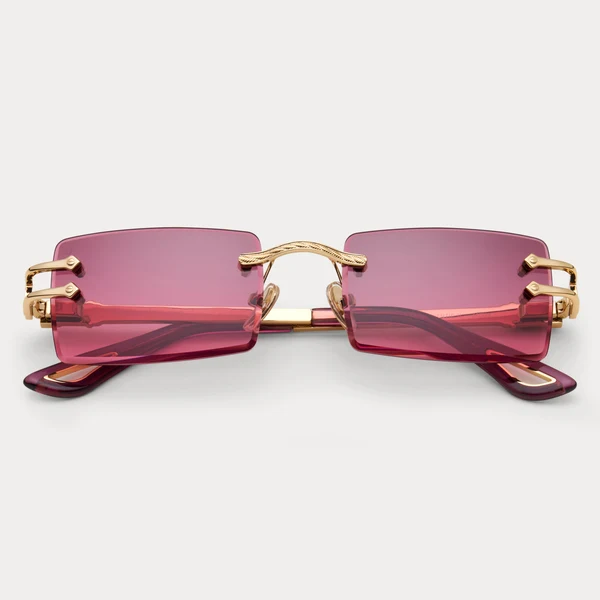
James Oro Merlot Authentic II
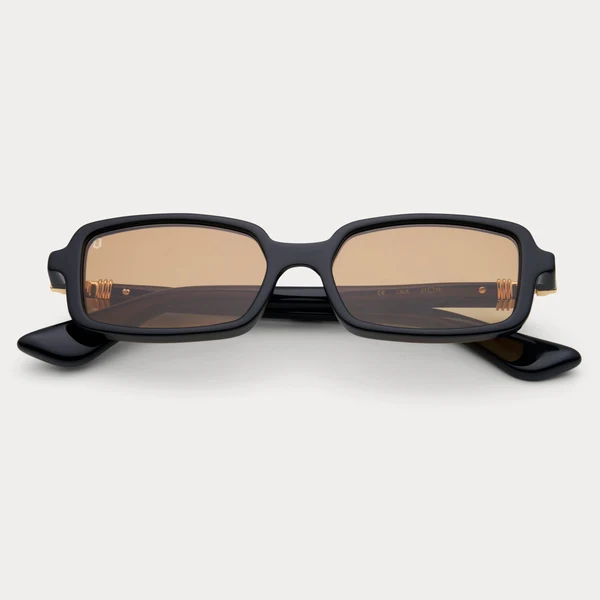
James Oro Amber Lala
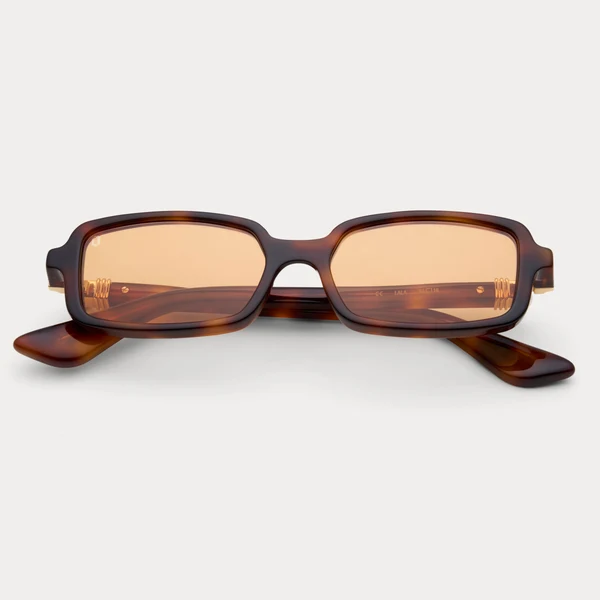
James Oro Persimmon Lala
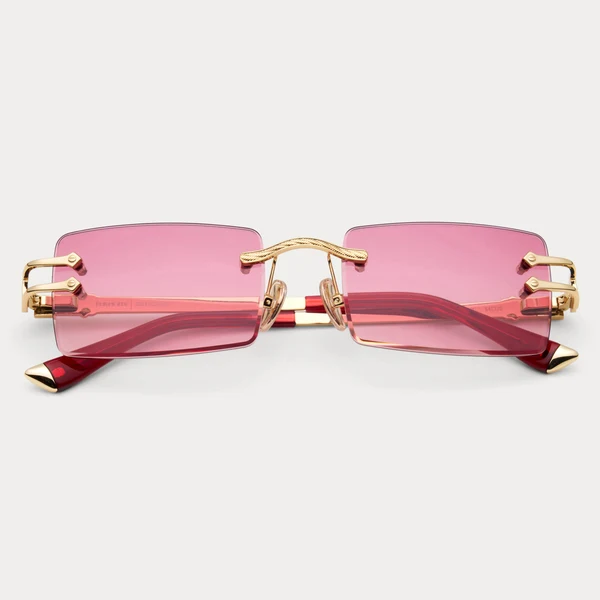
James Oro Reserve Bordeaux Authentic II
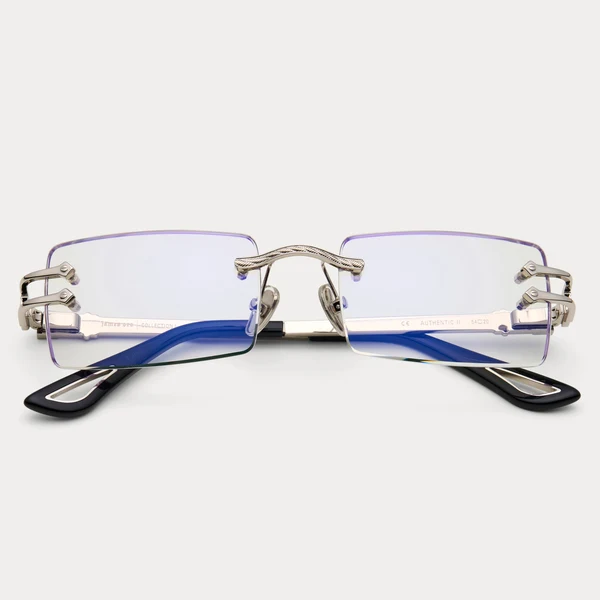
James Oro Blue Light Silver Authentic II
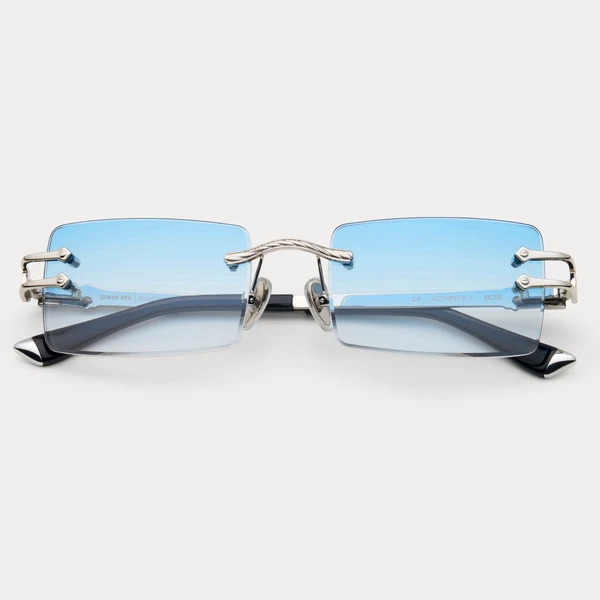
James Oro Blue Tint Silver Authentic II
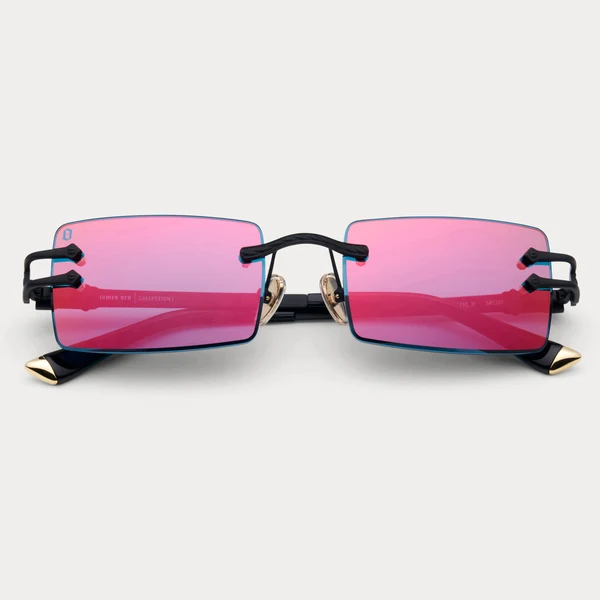
James Oro Reaper Authentic II
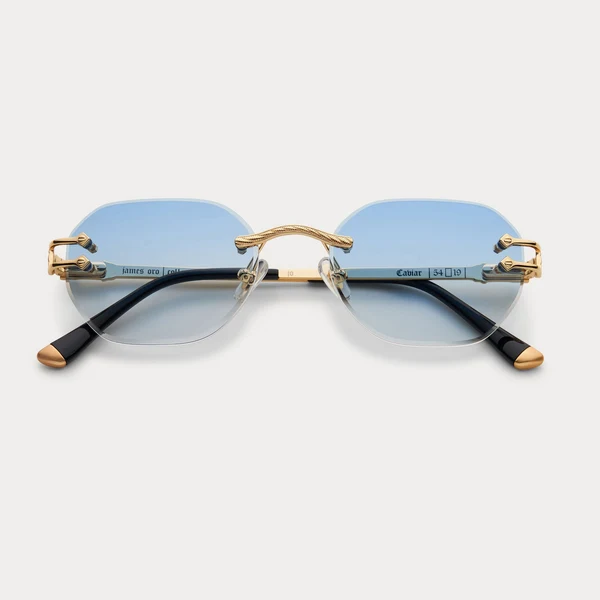
James Oro Blue Tint Opus
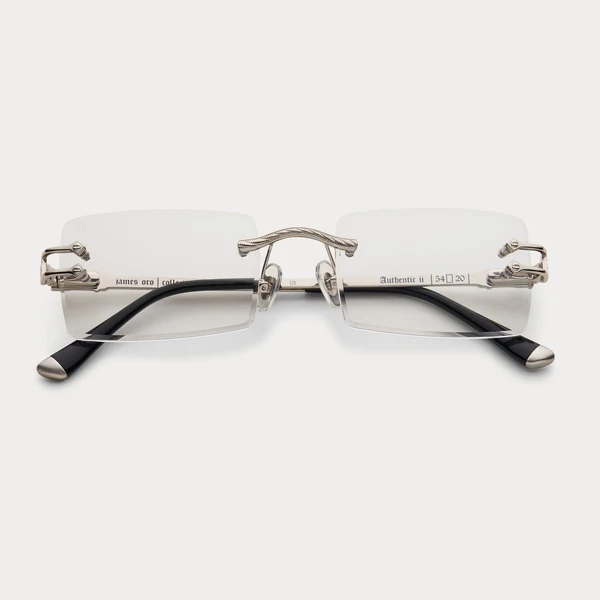
James Oro Clear Silver Authentic II
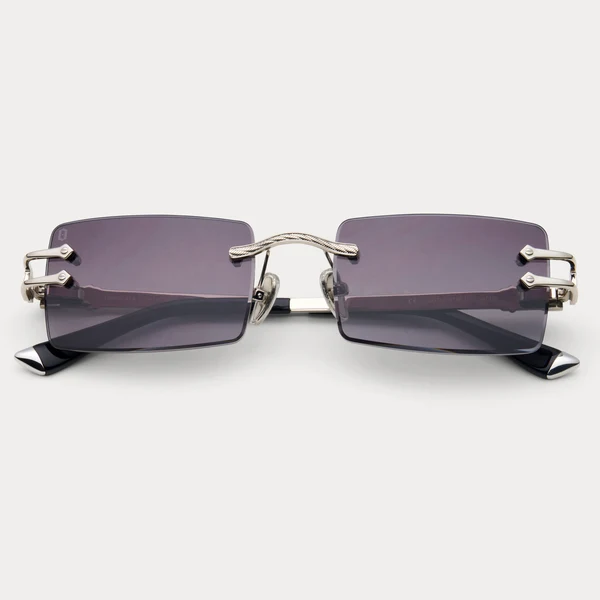
James Oro Black Tint Silver Authentic II
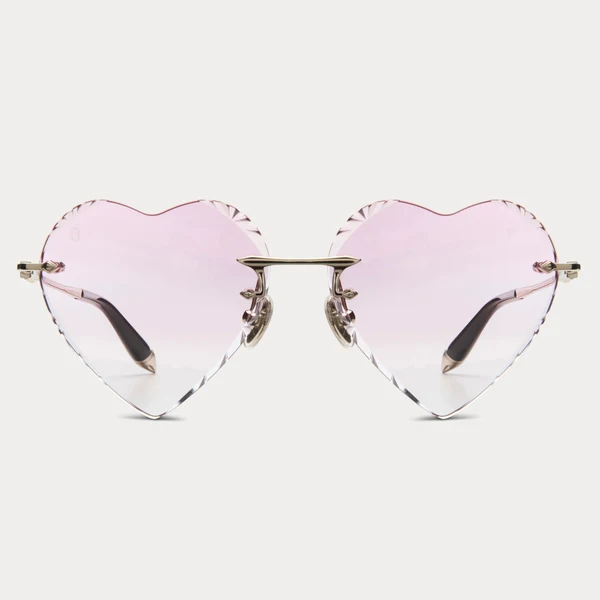
James Oro Pink Tint Silver Siren Lust
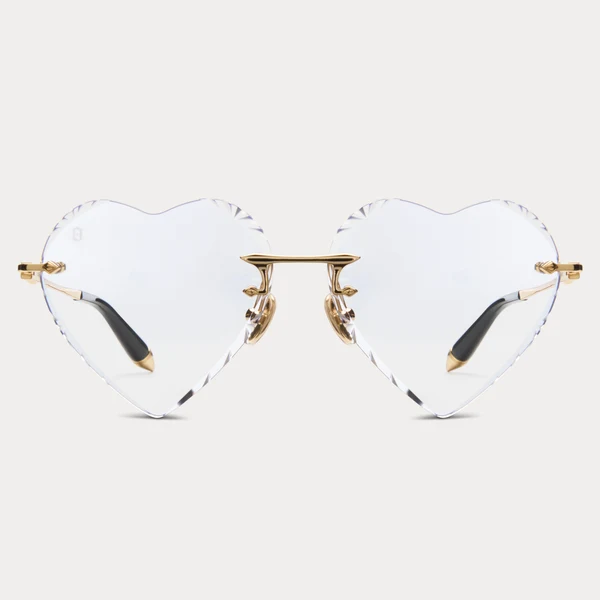
James Oro Clear Siren Lust
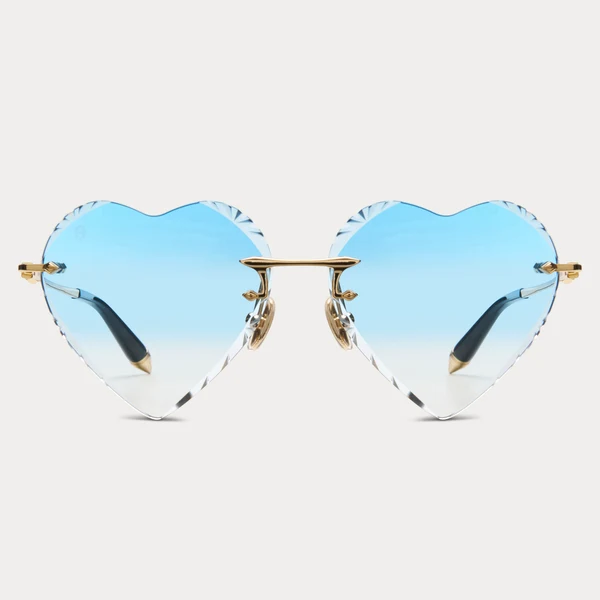
James Oro Blue Tint Siren Lust
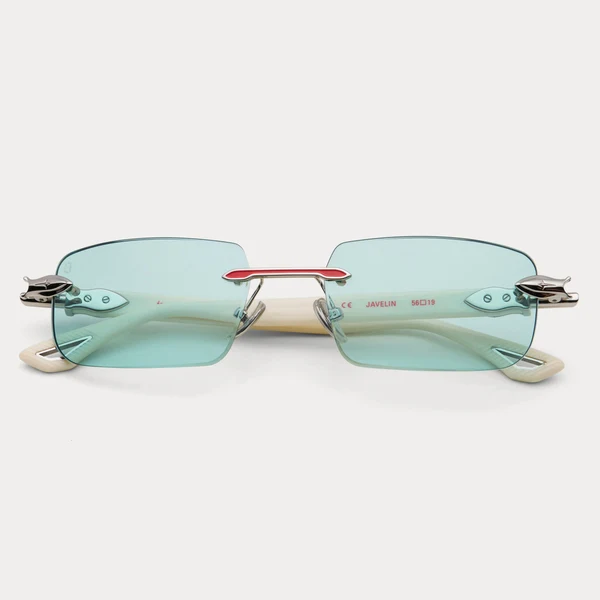
James Oro Crystal Ivory Javelin
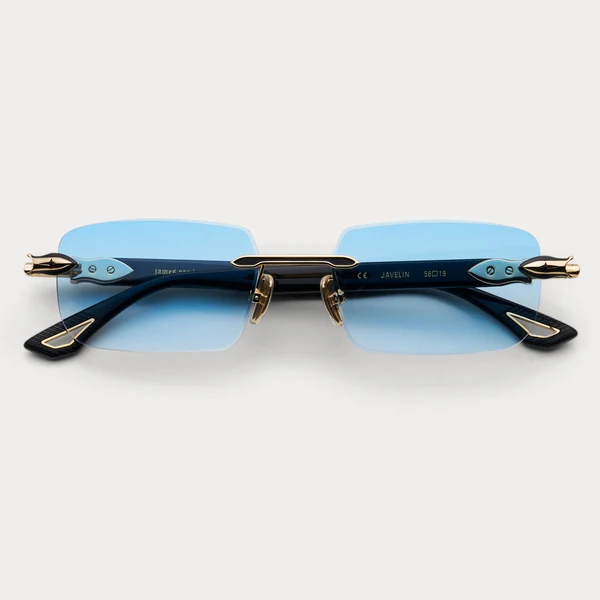
James Oro Blue Tint Javelin
James Oro Clear Javelin
James Oro Black Tint Nomad
James Oro Old Money Nomad
James Oro Haze Nomad
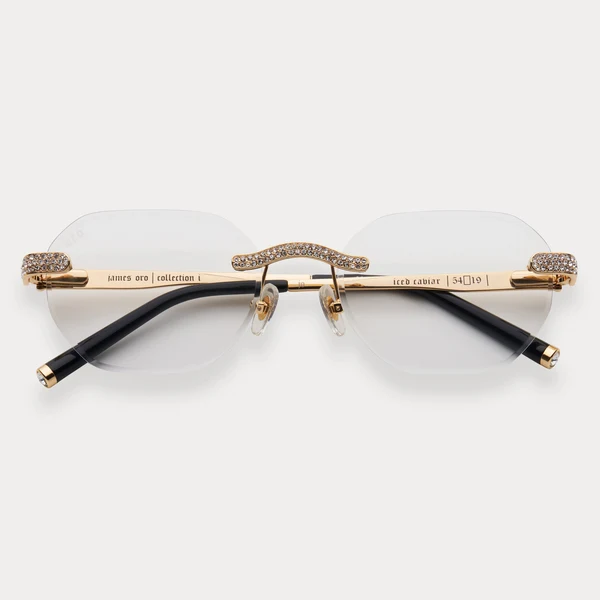
James Oro Iced Clear Opus
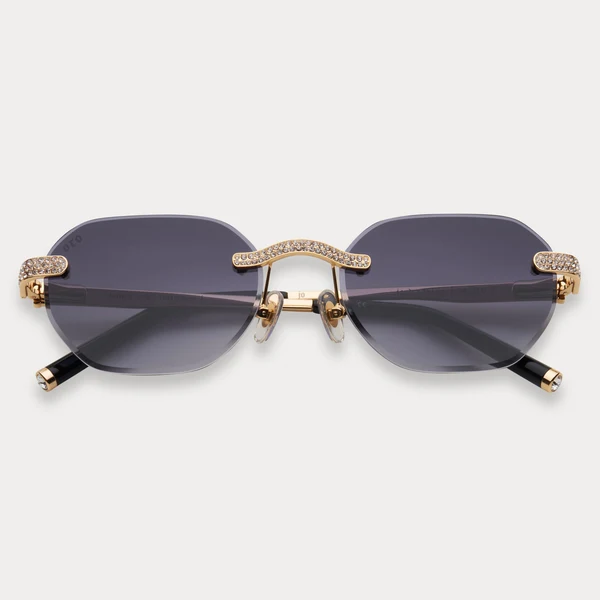
James Oro Iced Black Tint Opus
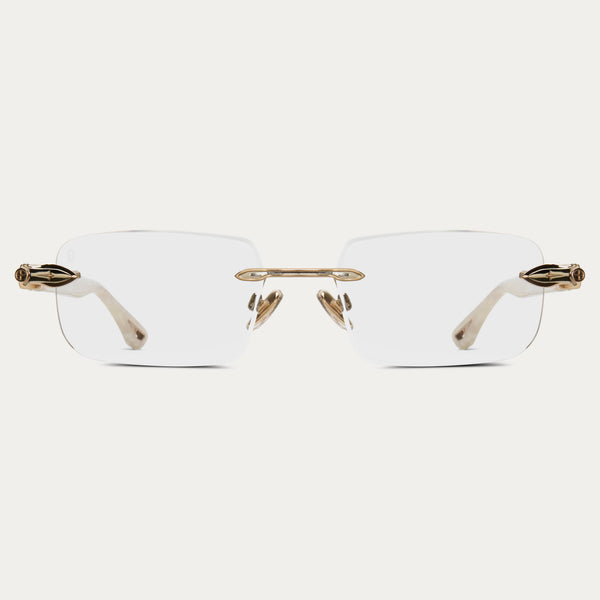
James Oro Opaline Javelin
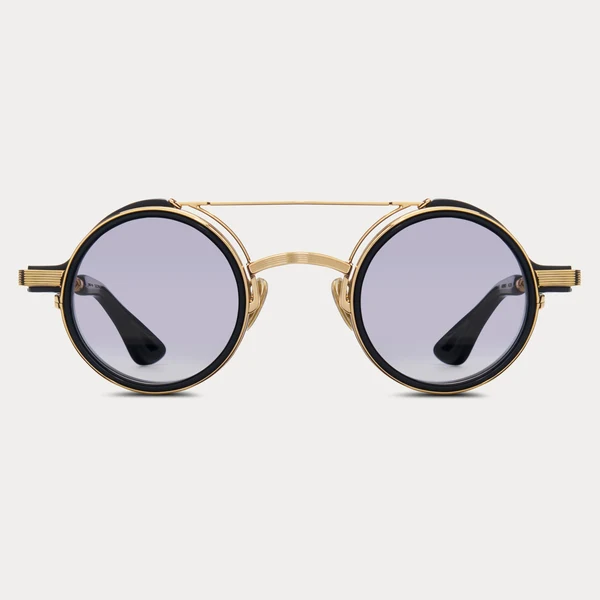
James Oro Black Tint Architect
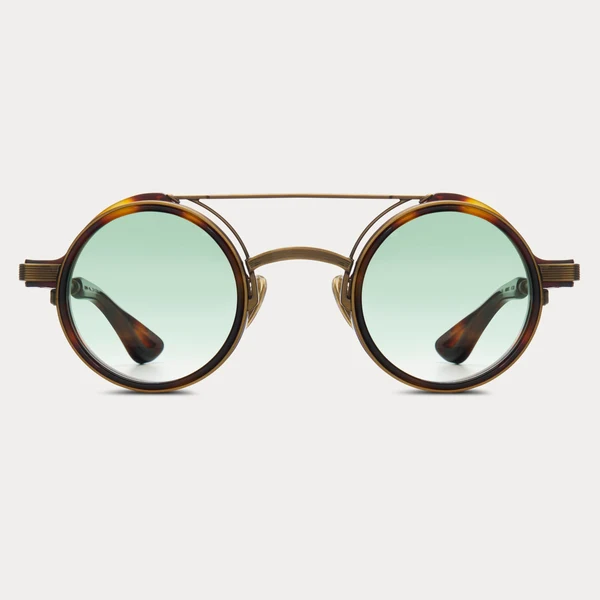
James Oro Old Money Architect
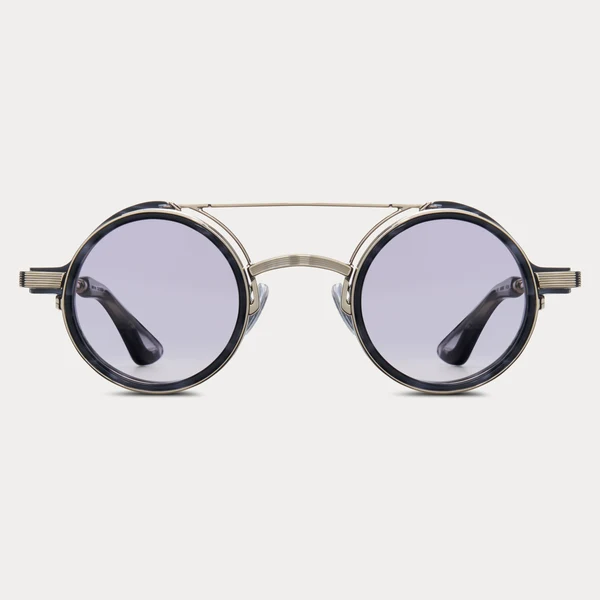
James Oro Haze Architect
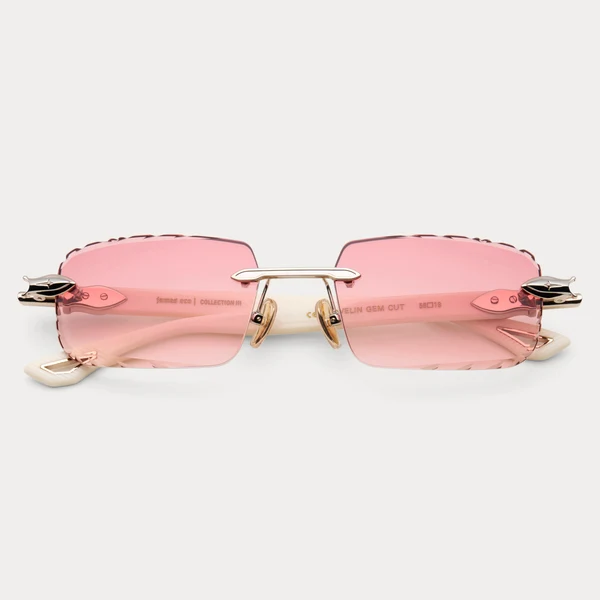
James Oro Blush Javelin Gem Cut
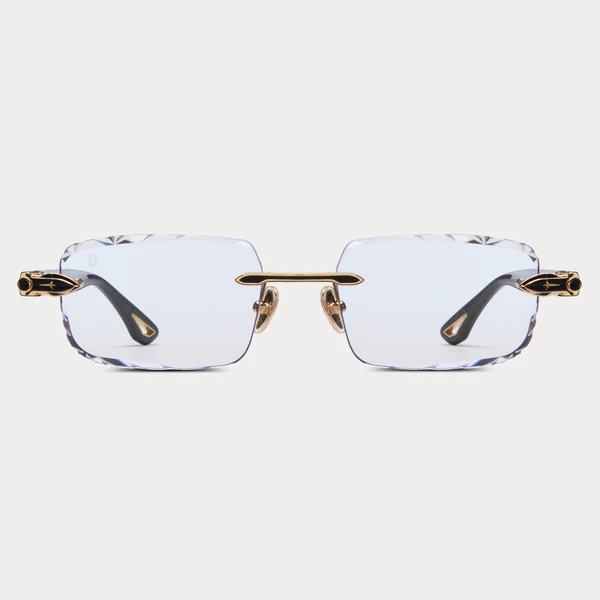
James Oro Clear Black Javelin Gem Cut
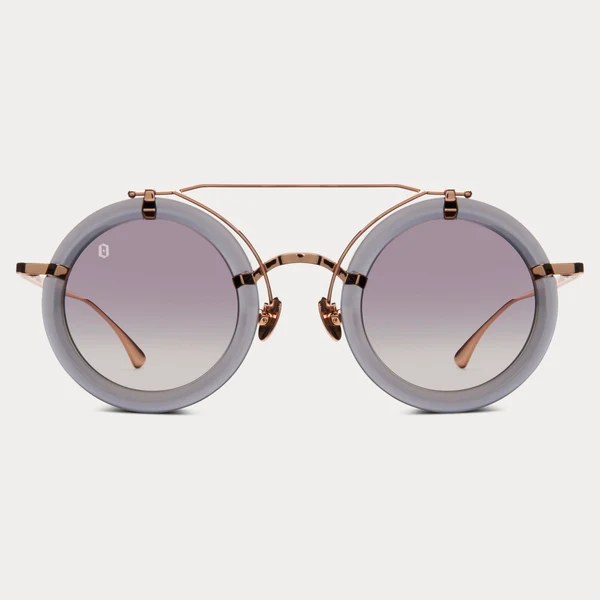
James Oro Rose Smoke Alchemist
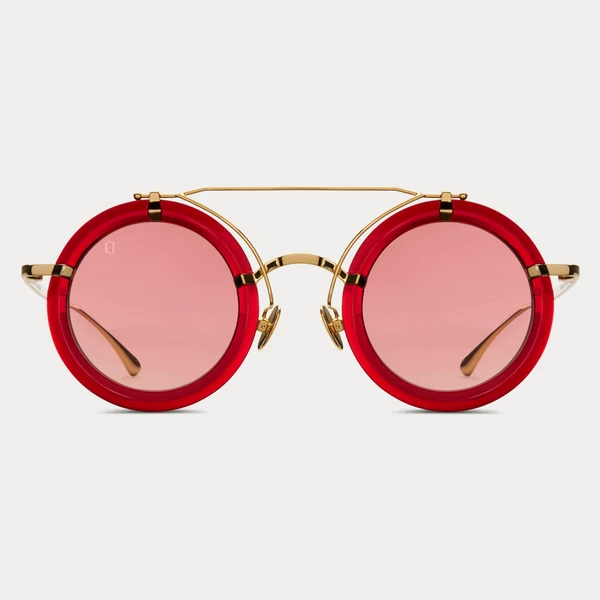
James Oro Reserve Bordeaux Alchemist
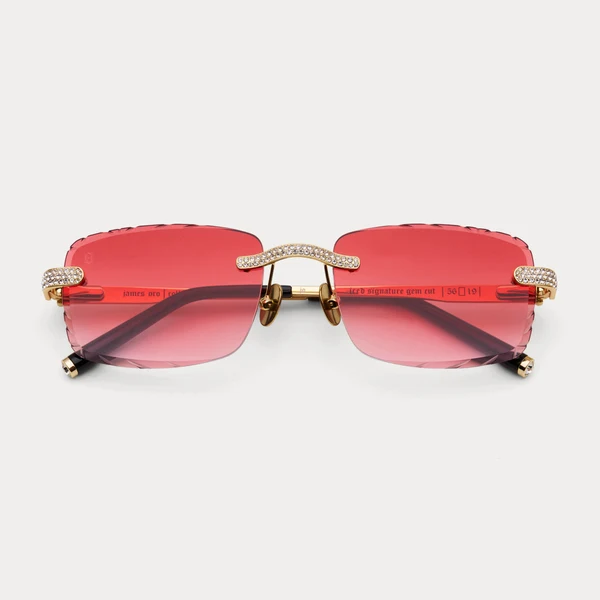
James Oro Iced Red Tint Signature Gem Cut
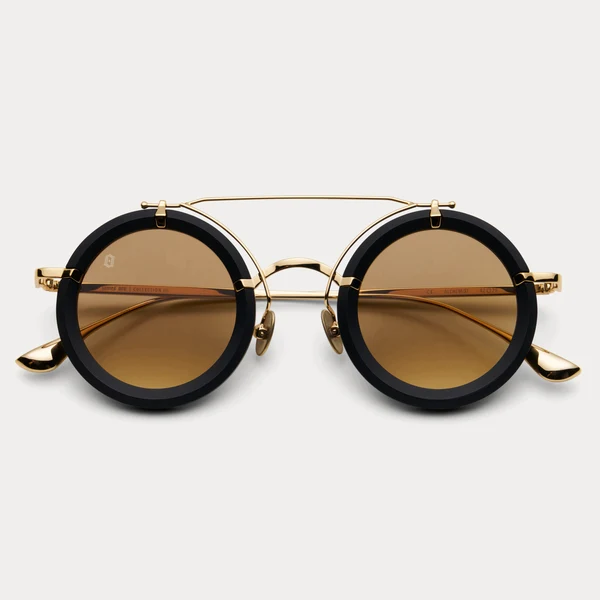
James Oro Amber Alchemist
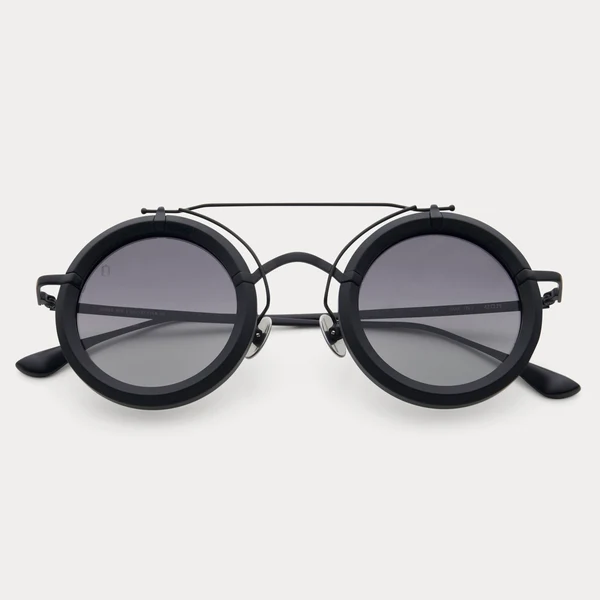
James Oro Blacked Out Alchemist
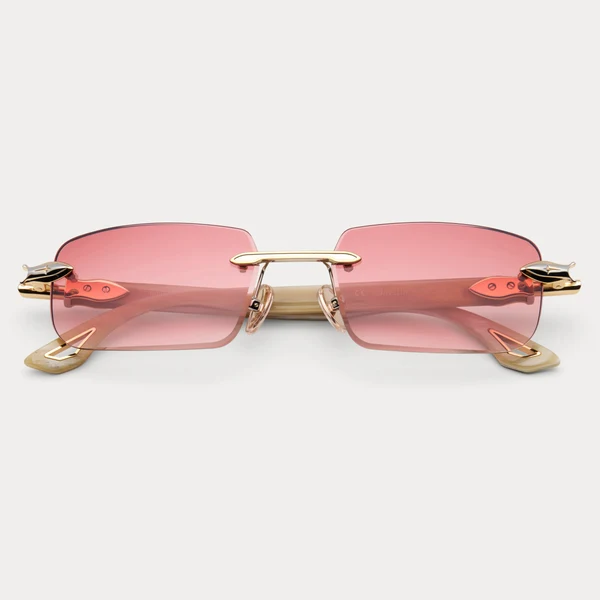
James Oro Red Tint Rare Blanc Javelin
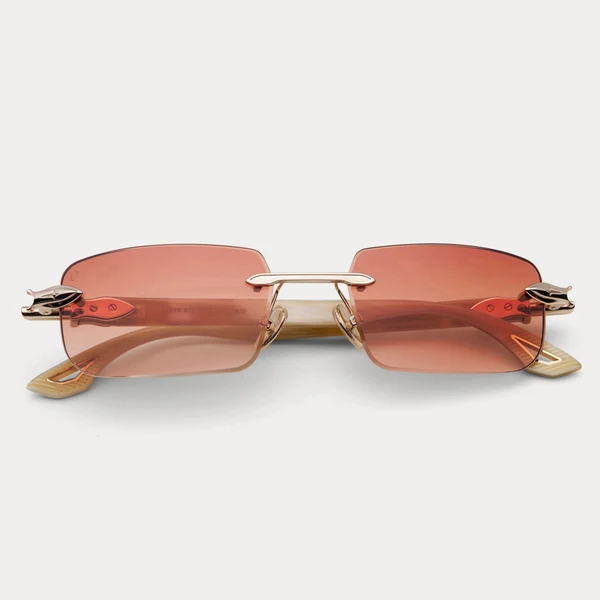
James Oro Sunset Rare Blanc Javelin
Average: 141–149 mm
Most of the catalog lives here, including the Titan and Dune at 148 mm, the Caliber at 149.5 mm, the Hustler at 144 mm, the Icon at 143 mm and the Grail at 145 mm. Note that an 8 mm acetate frame at 148 mm looks wider on the face than a rimless frame at the same width, because the frame material adds visual bulk at the edges.
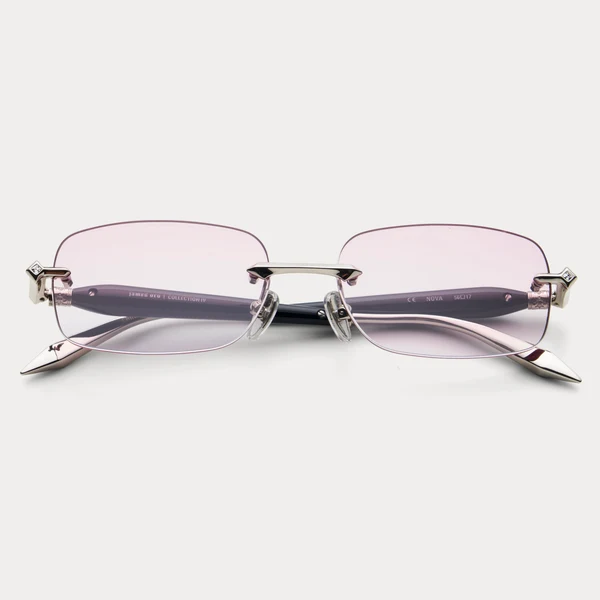
James Oro Pink Tint Silver Nova
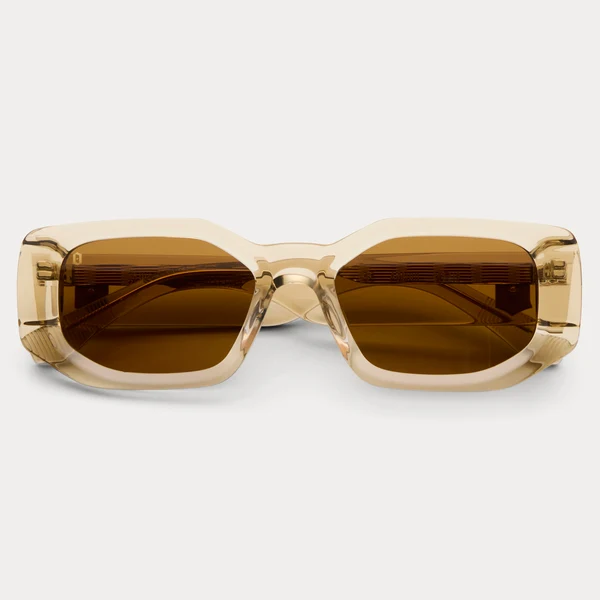
James Oro Champagne Amour
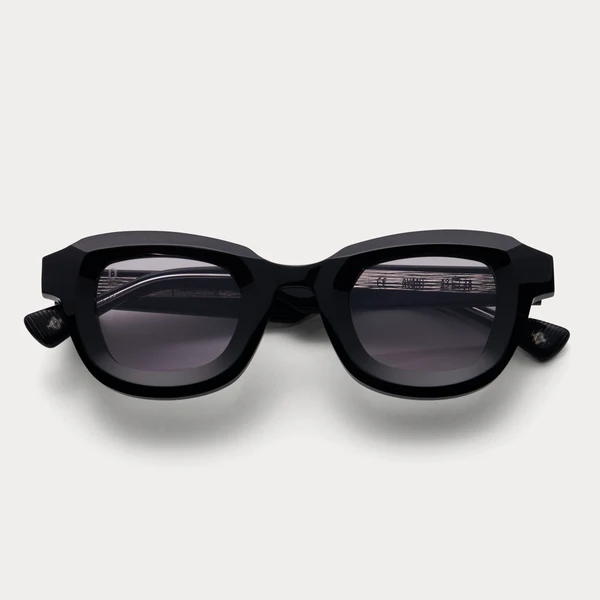
James Oro Shadow Noir | Avant
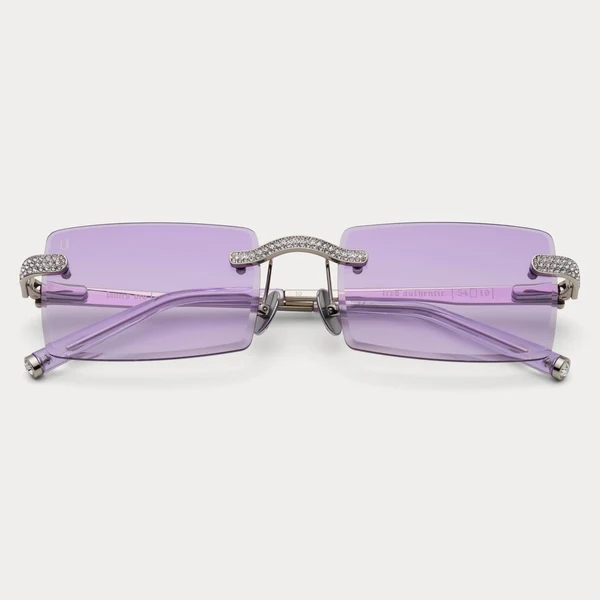
James Oro Iced Lavender Authentic
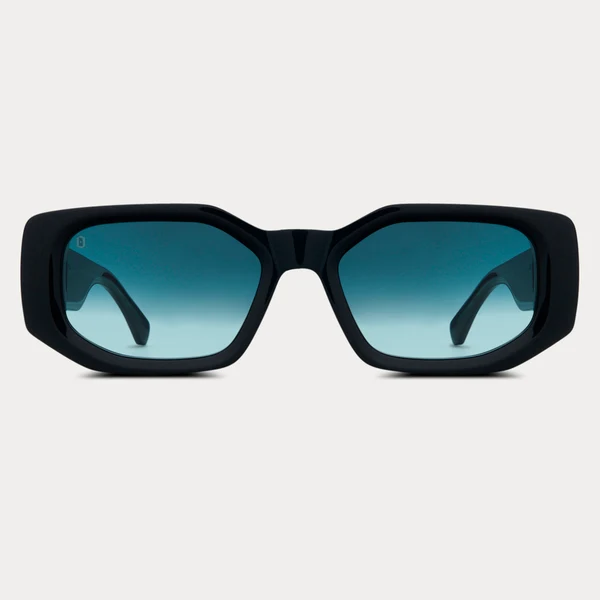
James Oro Emerald Amour
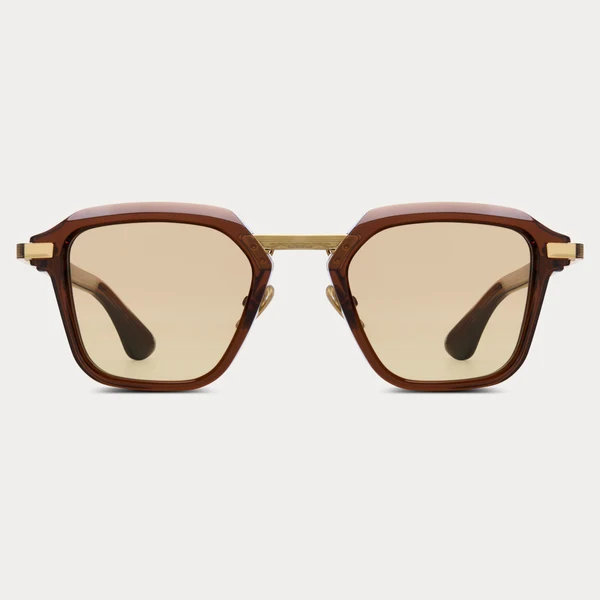
James Oro Reserve Savant
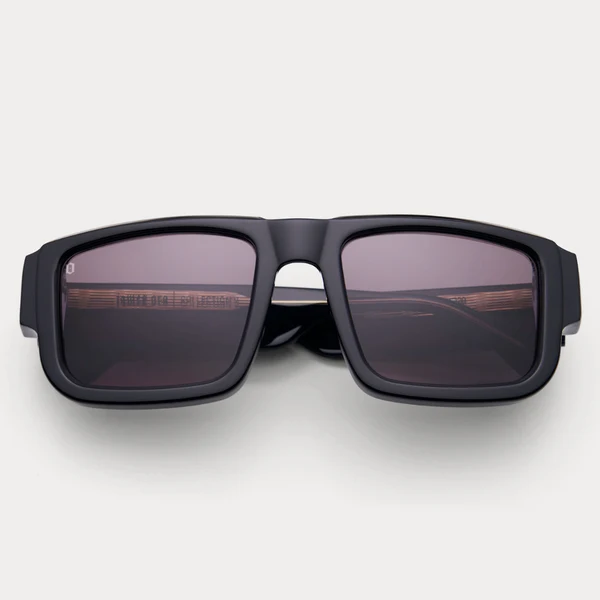
James Oro Black Caliber
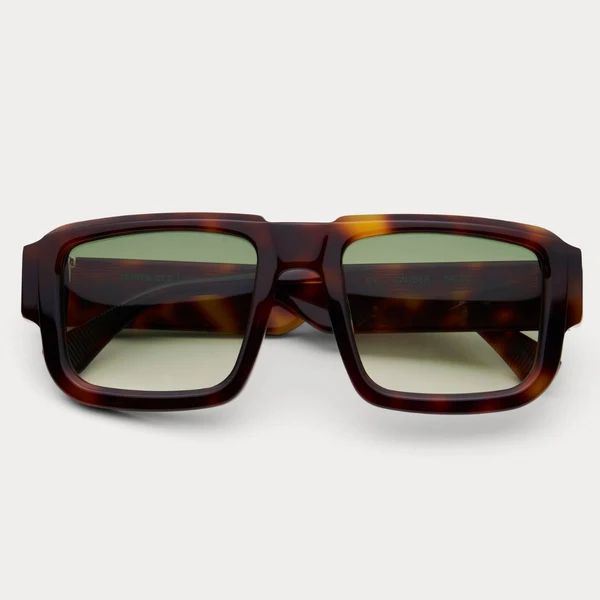
James Oro Old Money Caliber
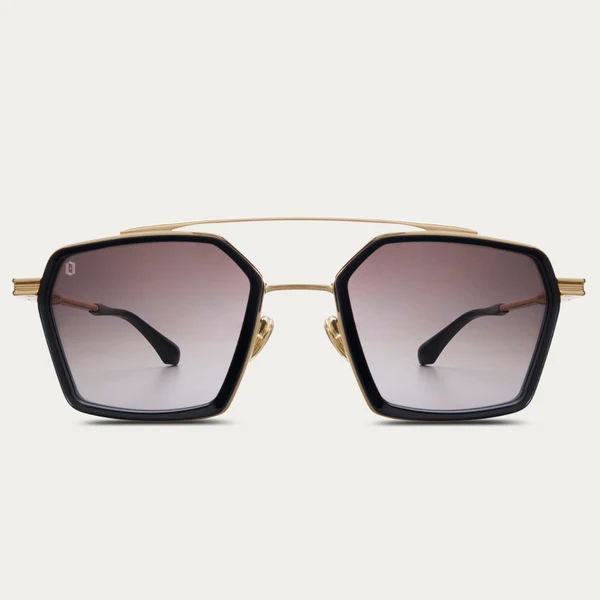
James Oro Black Cruise
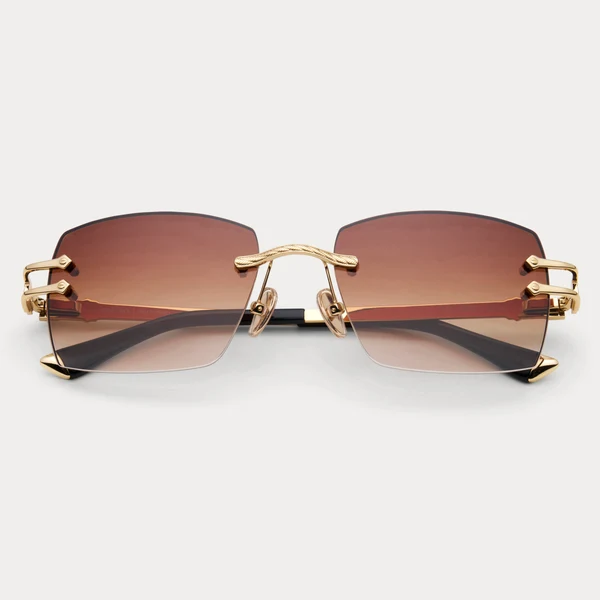
James Oro Brown Tint Grail
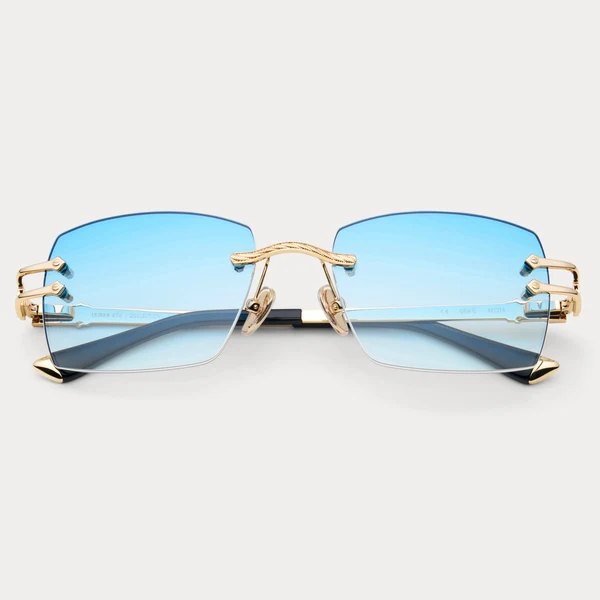
James Oro Blue Tint Grail
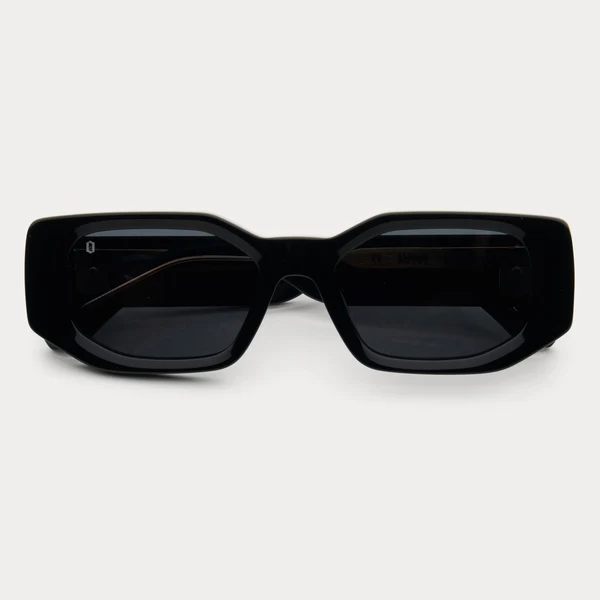
James Oro Black Amour
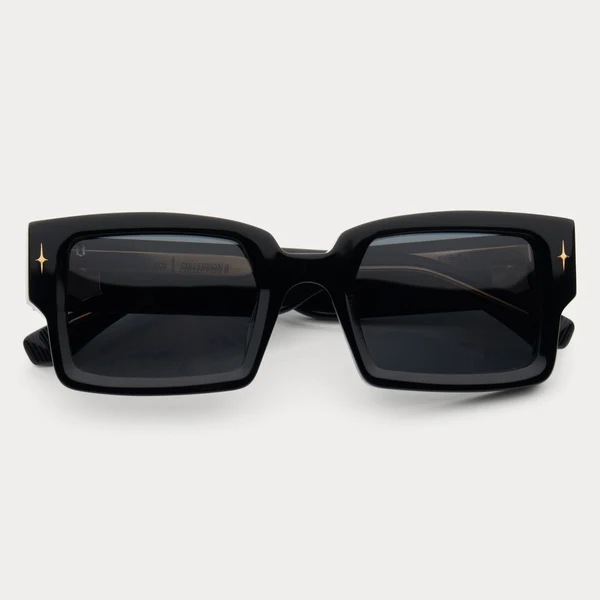
James Oro Black Icon
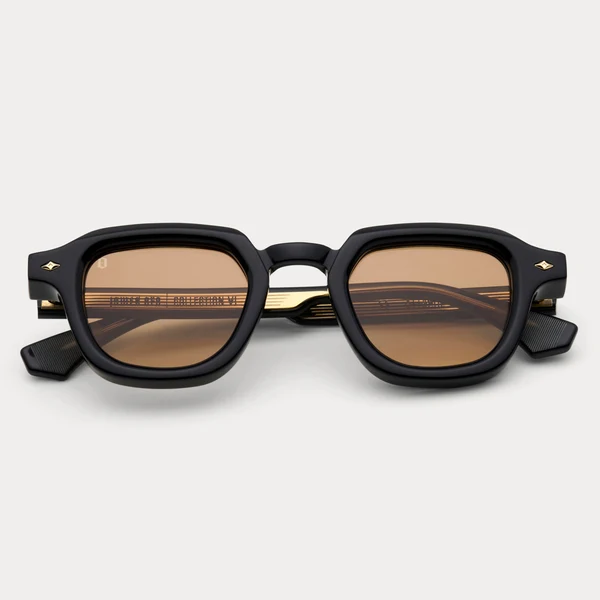
James Oro Amber Attaché
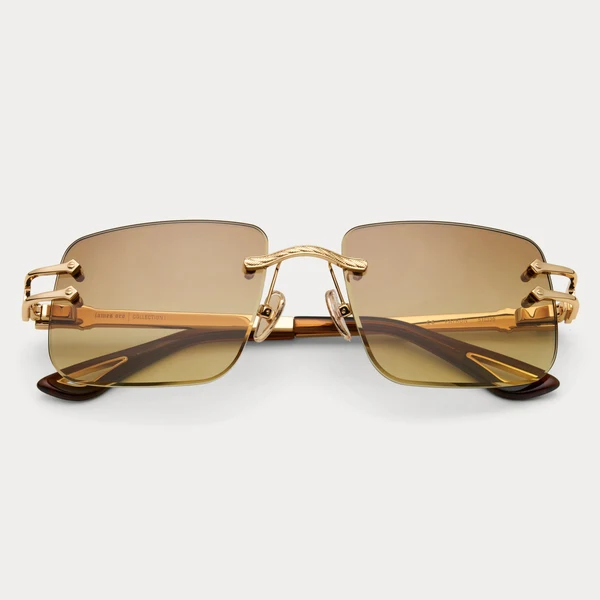
James Oro Reserve Patron
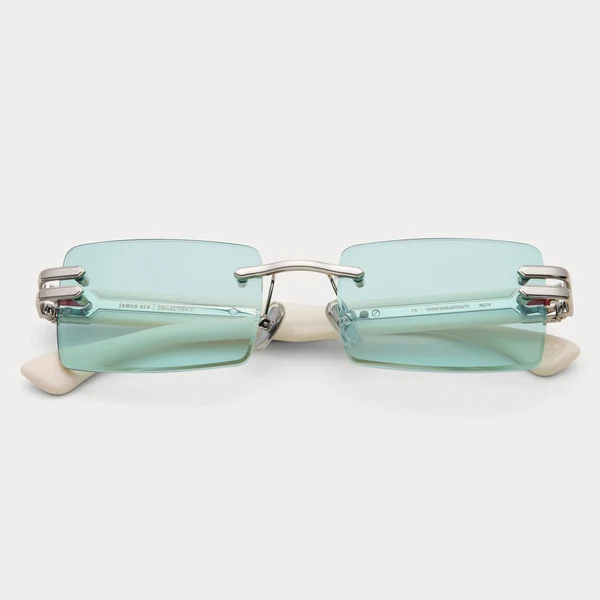
James Oro Crystal Ivory Baron
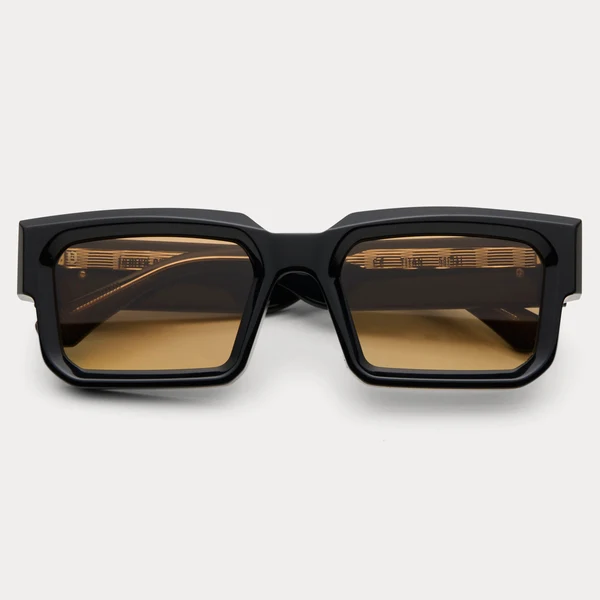
James Oro Amber Titan
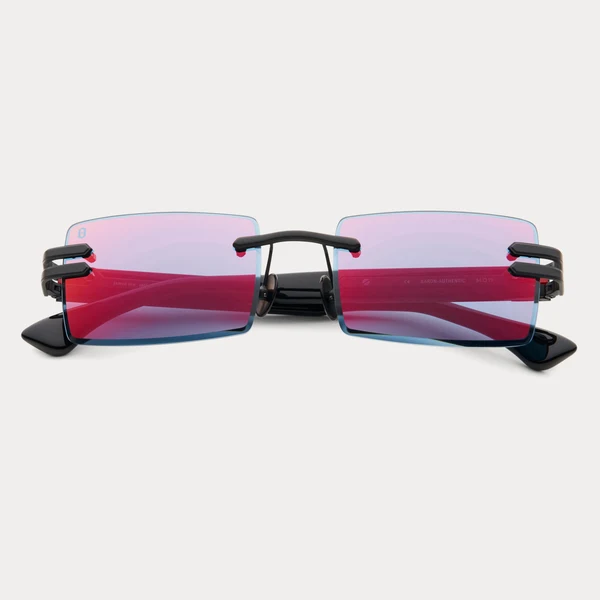
James Oro Reaper Baron Authentic
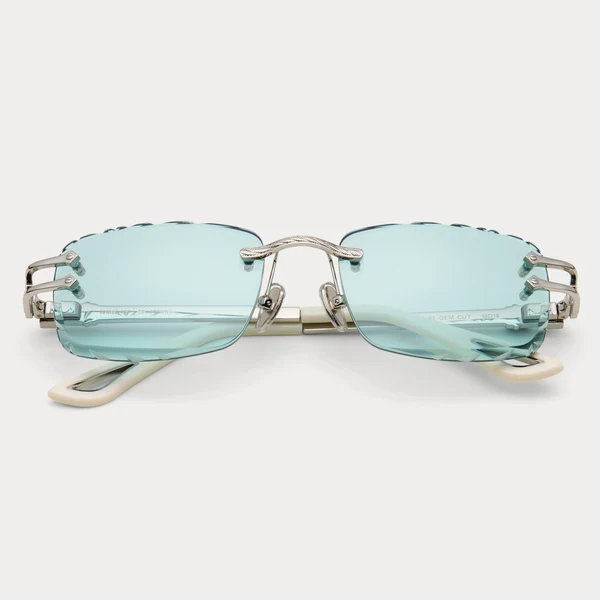
James Oro Crystal Ivory Signature Gem Cut
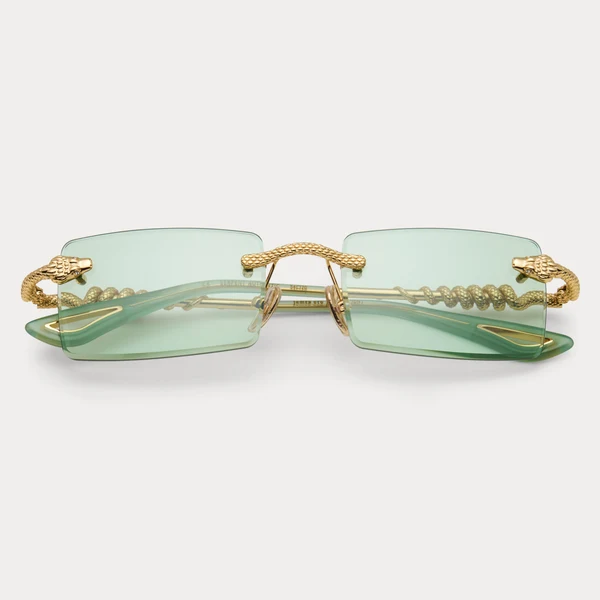
James Oro Jade Serpent Authentic
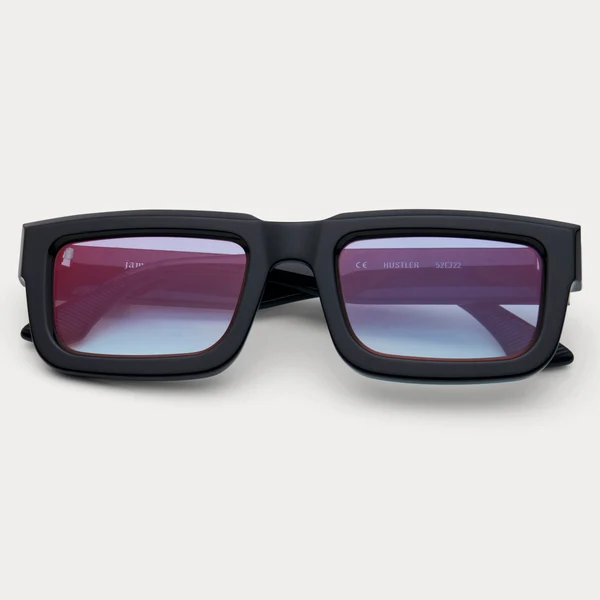
James Oro Dark Blue Flash Hustler
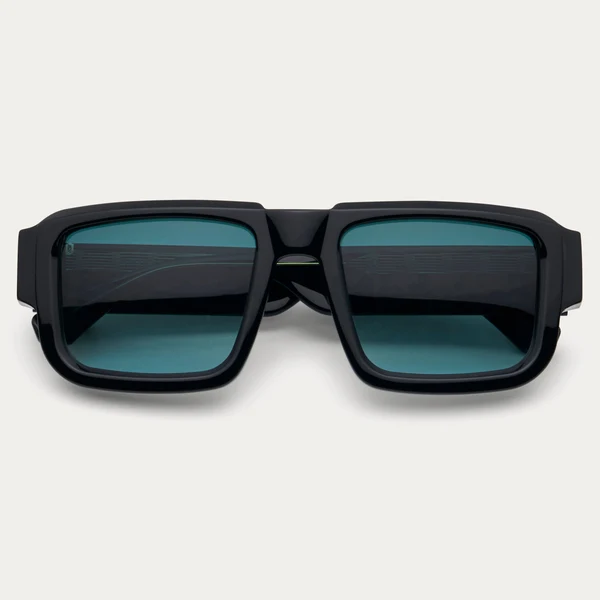
James Oro Emerald Caliber
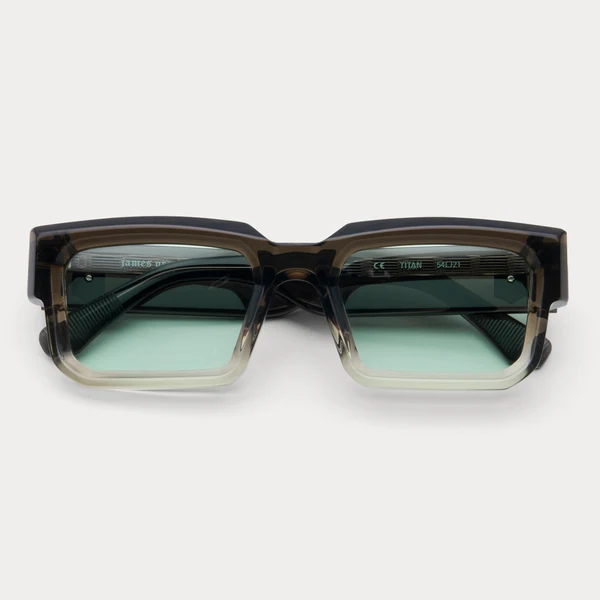
James Oro Alpine | Titan
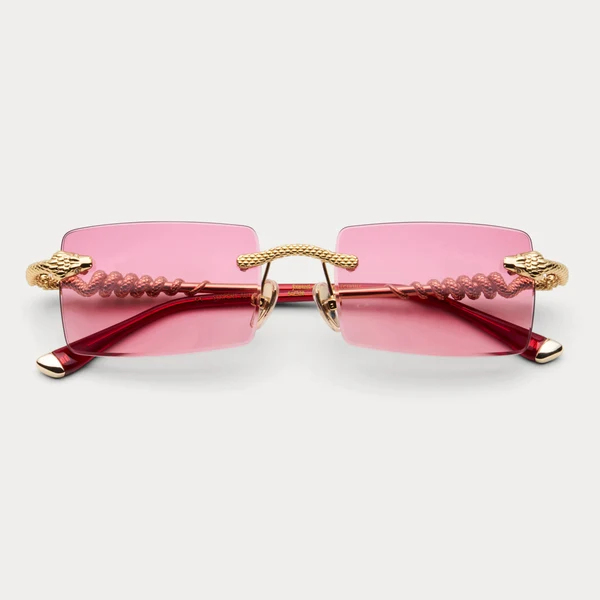
James Oro Reserve Bordeaux Serpent Authentic
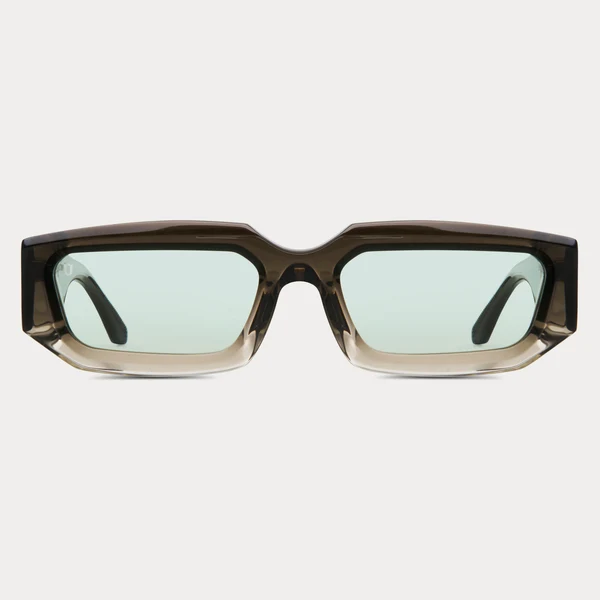
James Oro Alpine | Dune
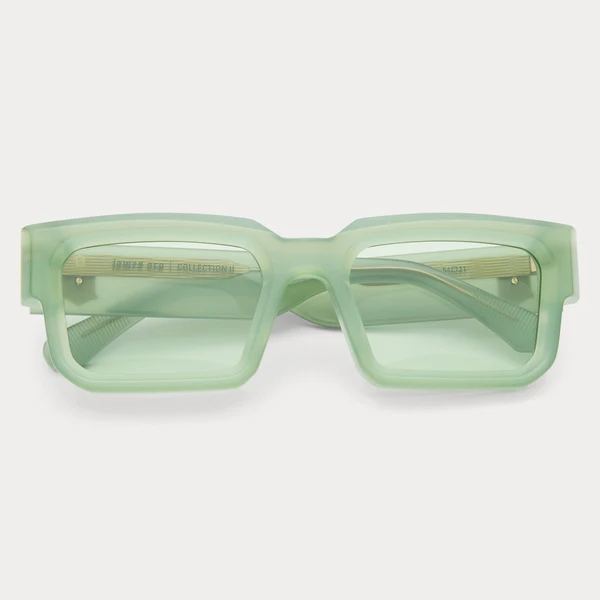
James Oro Jade Titan
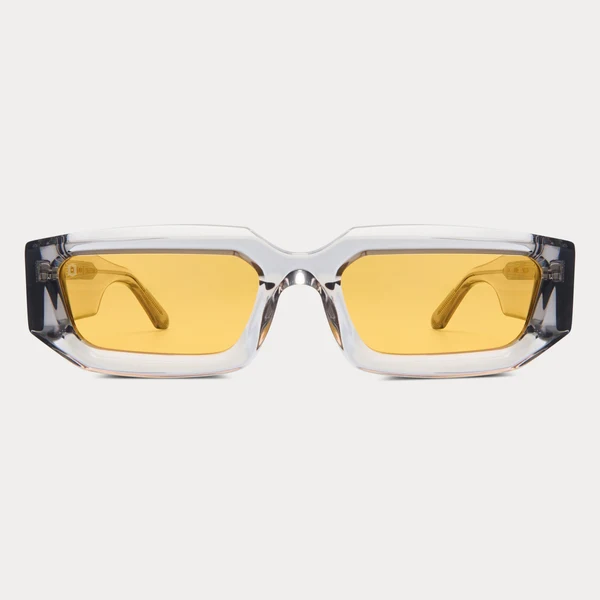
James Oro Citrine Dune
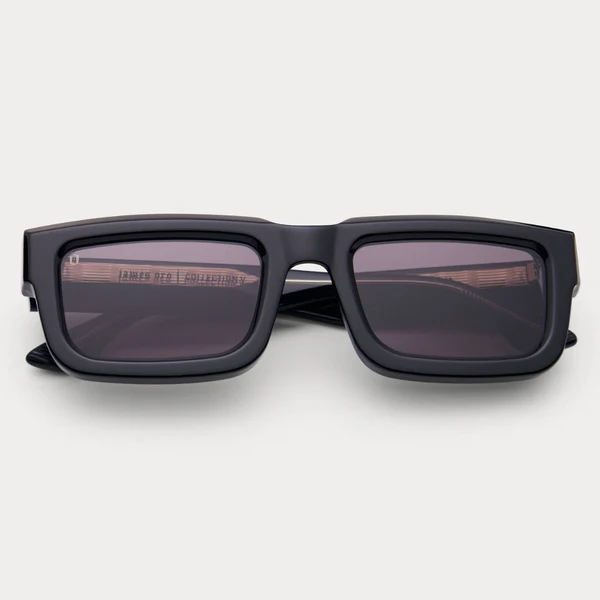
James Oro Black Hustler
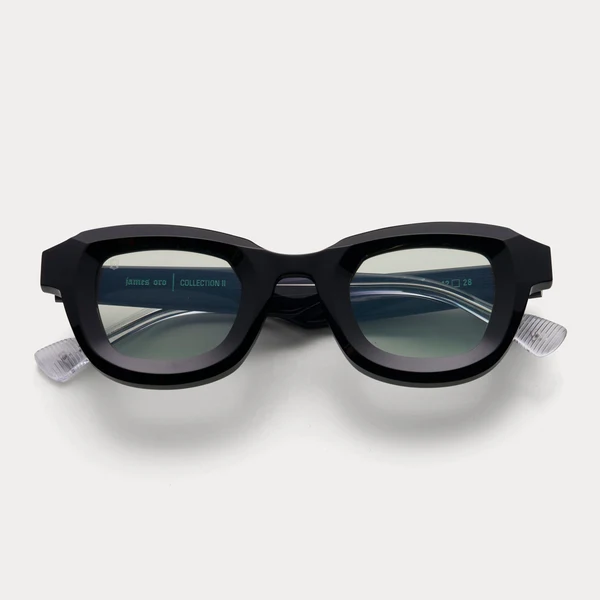
James Oro Alpine | Avant
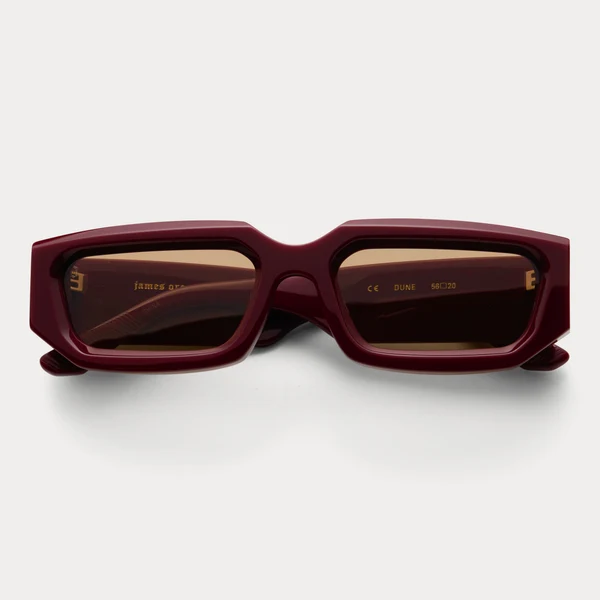
James Oro Bordeaux Dune
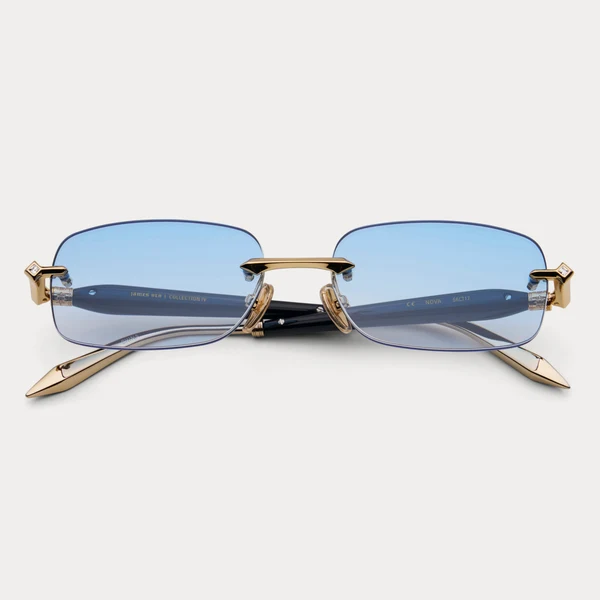
James Oro Blue Tint Nova
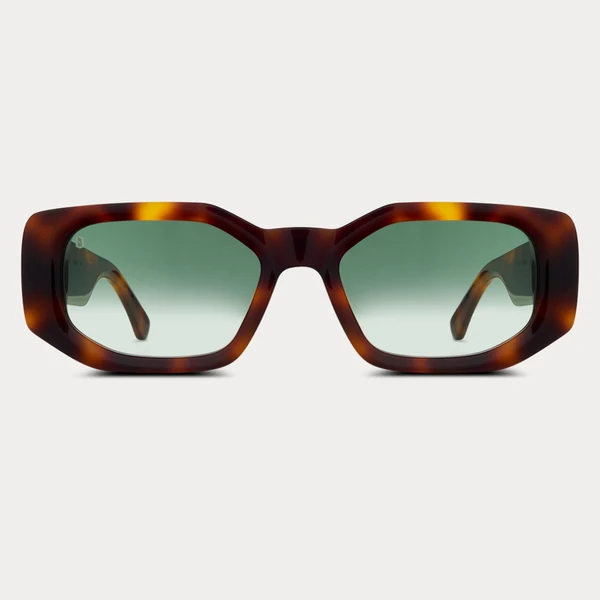
James Oro Old Money Amour
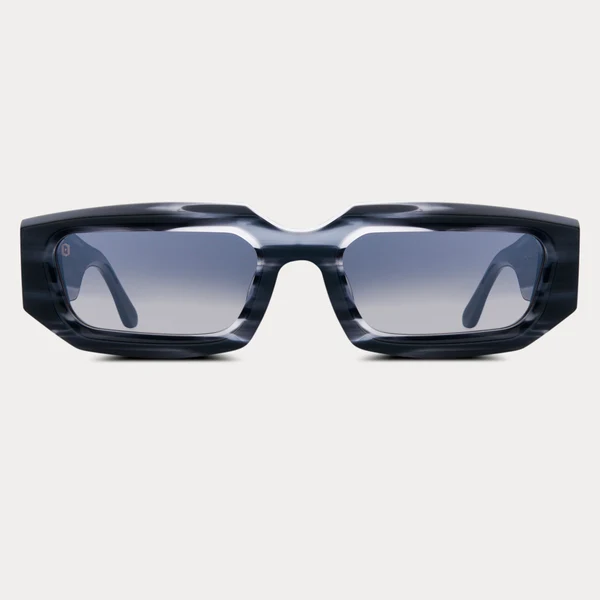
James Oro Smoke & Mirrors Dune
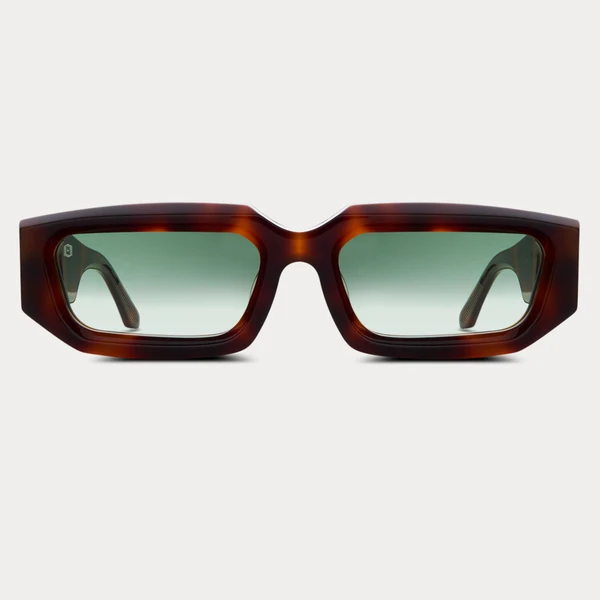
James Oro Old Money Dune
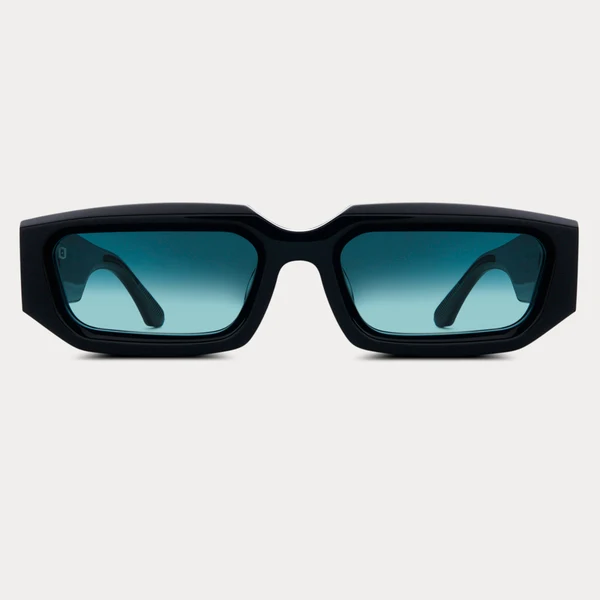
James Oro Emerald Dune
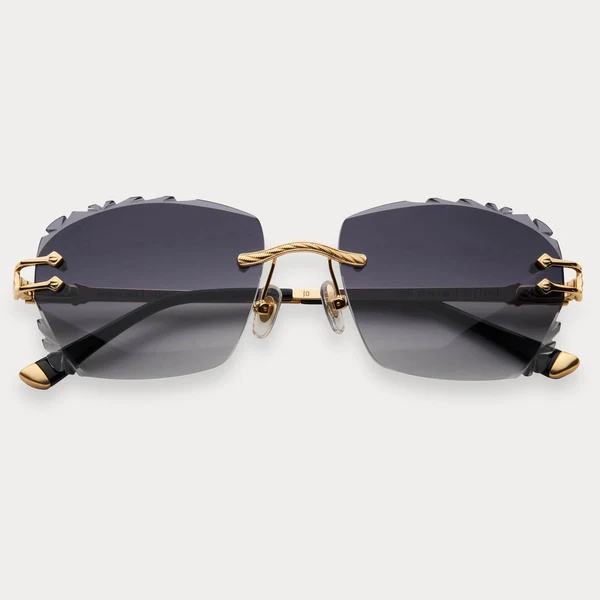
James Oro Black Tint Grail Gem Cut
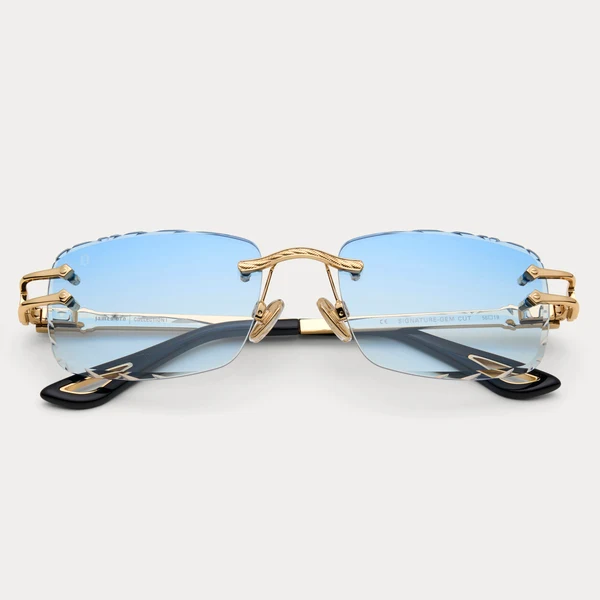
James Oro Blue Tint Signature Gem Cut
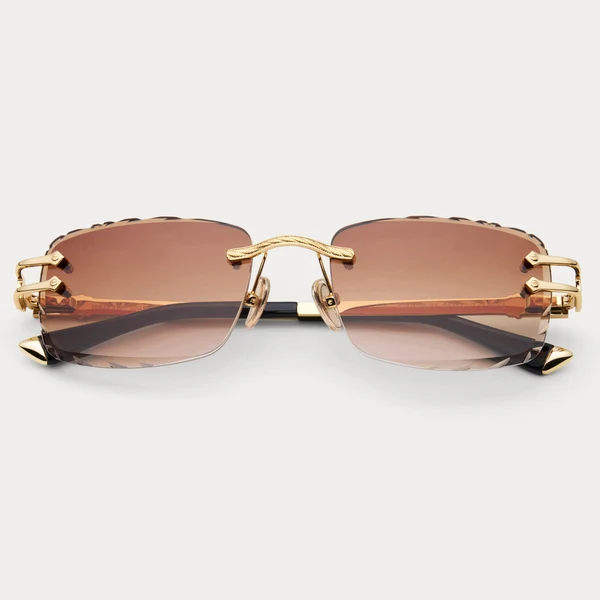
James Oro Brown Tint Signature Gem Cut
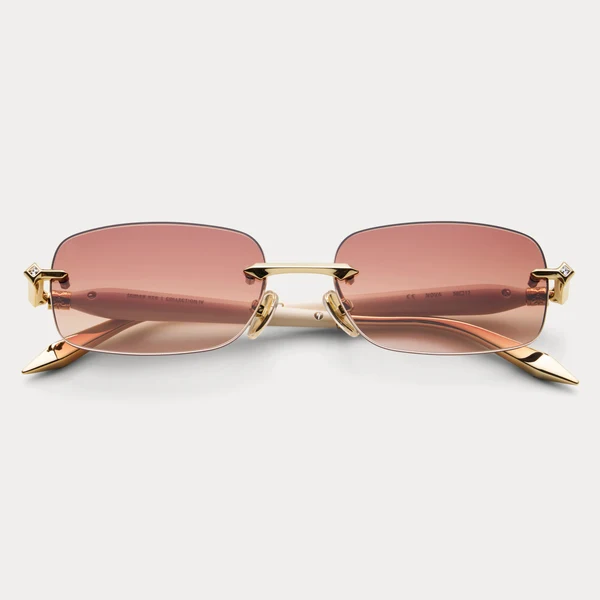
James Oro Brown Tint Nova
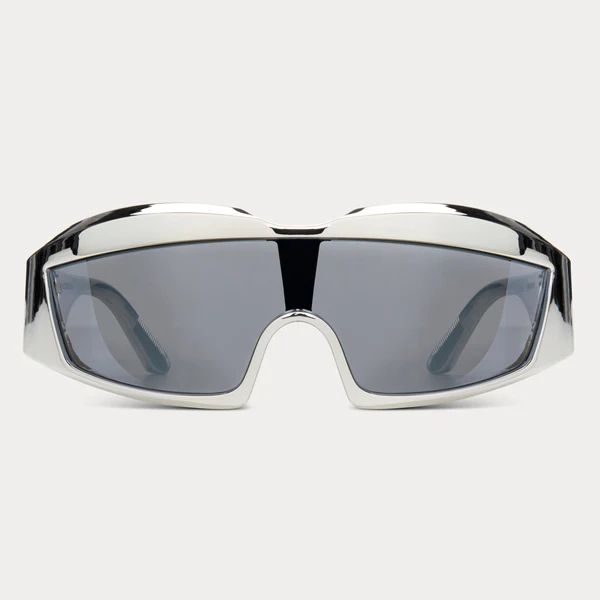
James Oro Chrome Brinx
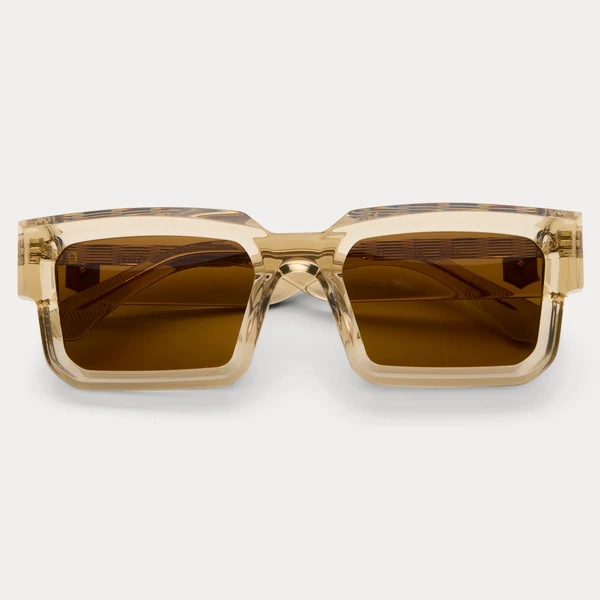
James Oro Champagne Titan
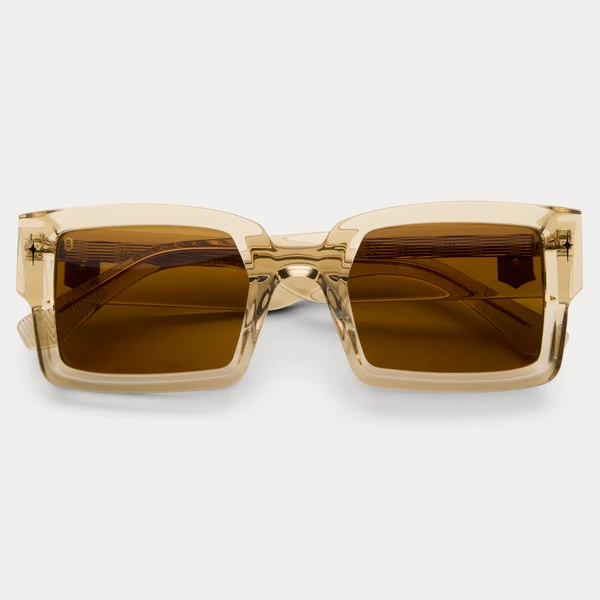
James Oro Champagne Icon
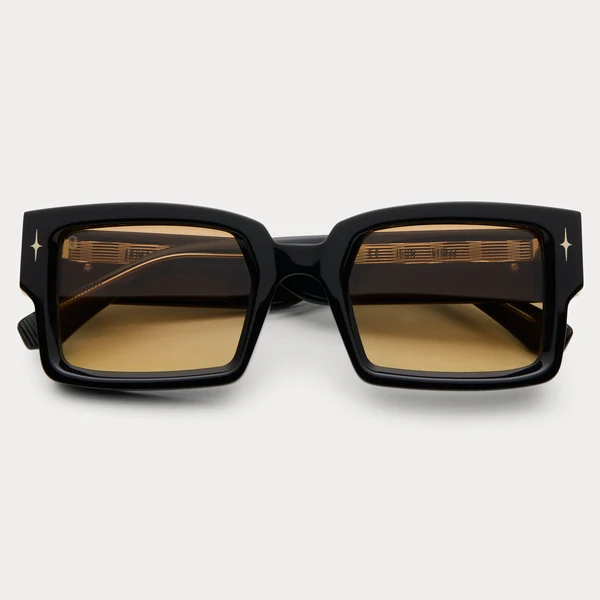
James Oro Amber Icon
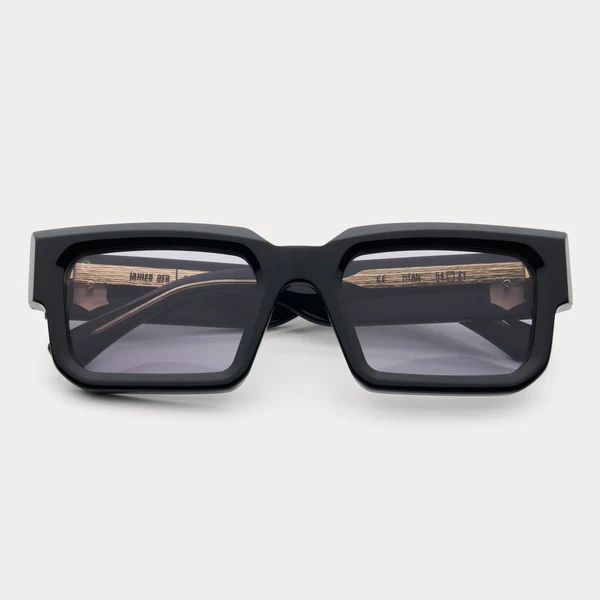
James Oro Shadow Noir | Titan
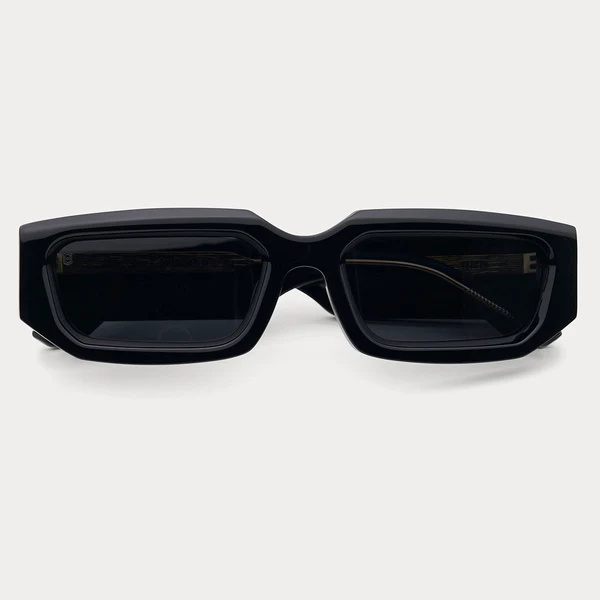
James Oro Black Dune
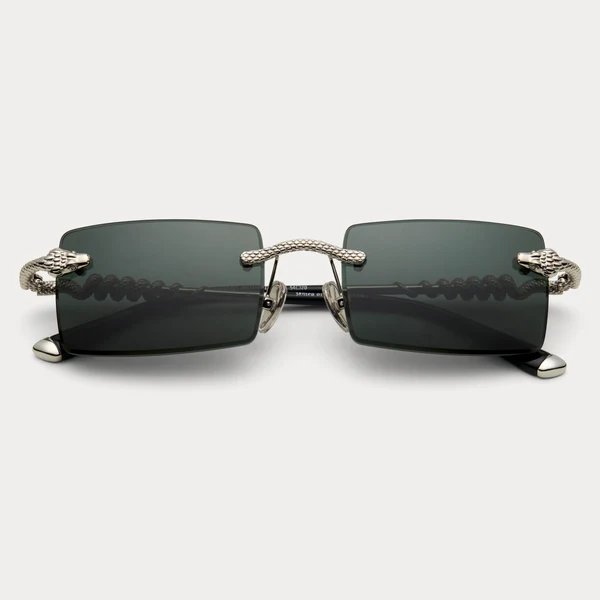
James Oro Black Tint Silver Serpent Authentic
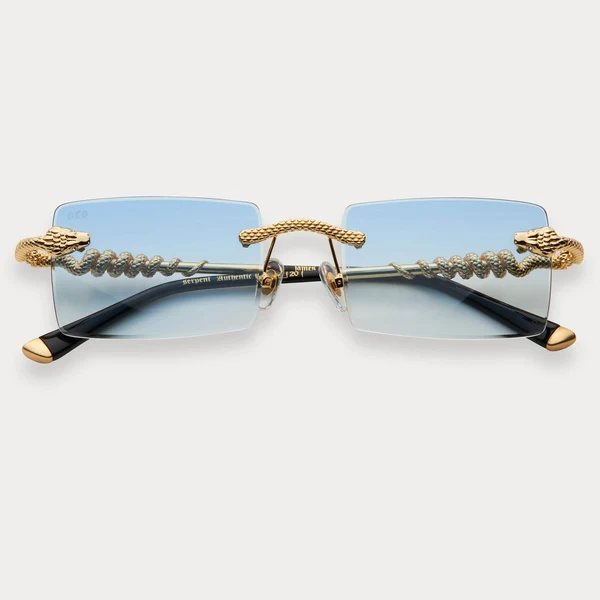
James Oro Blue Tint Serpent Authentic
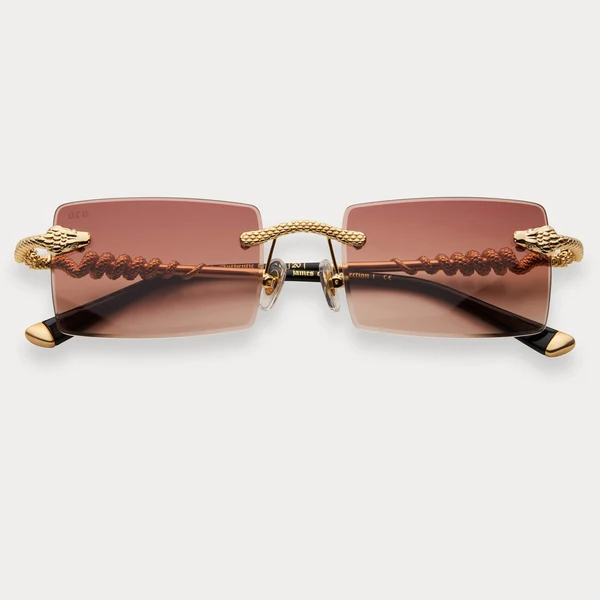
James Oro Brown Tint Serpent Authentic
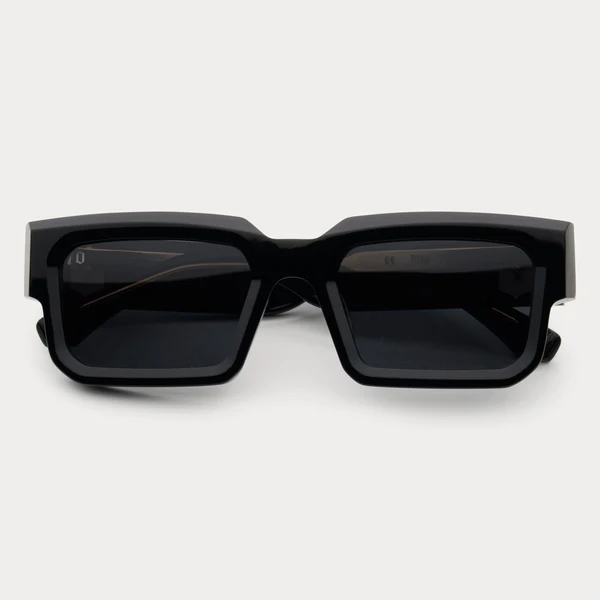
James Oro Black Titan
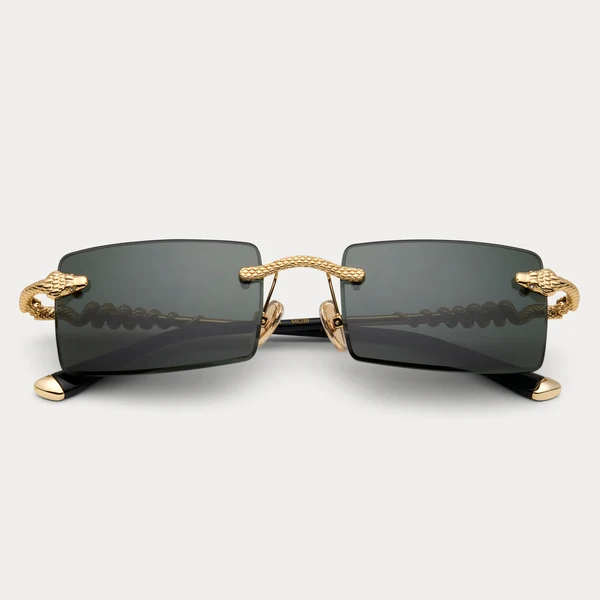
James Oro Black Tint Serpent Authentic
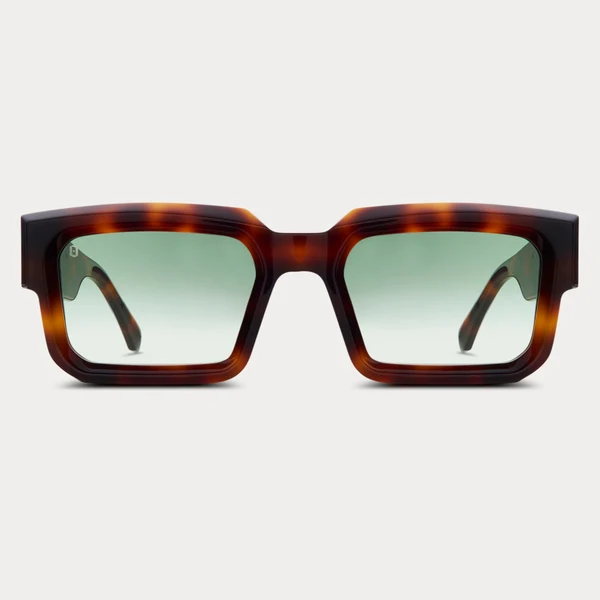
James Oro Old Money Titan
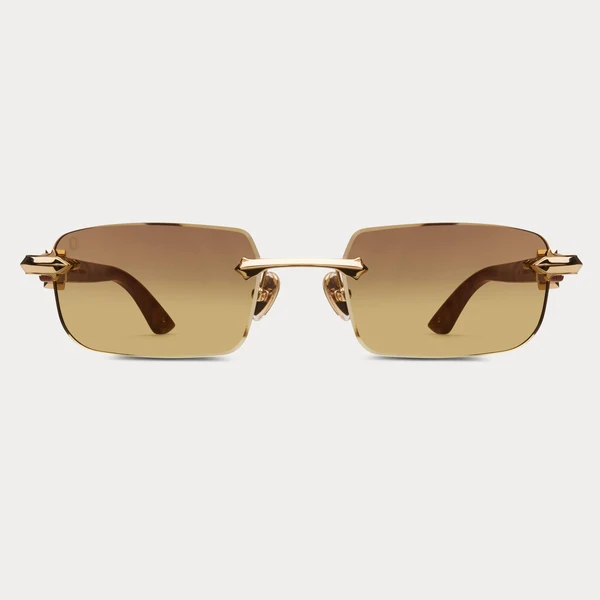
James Oro Brown Tint Confidante
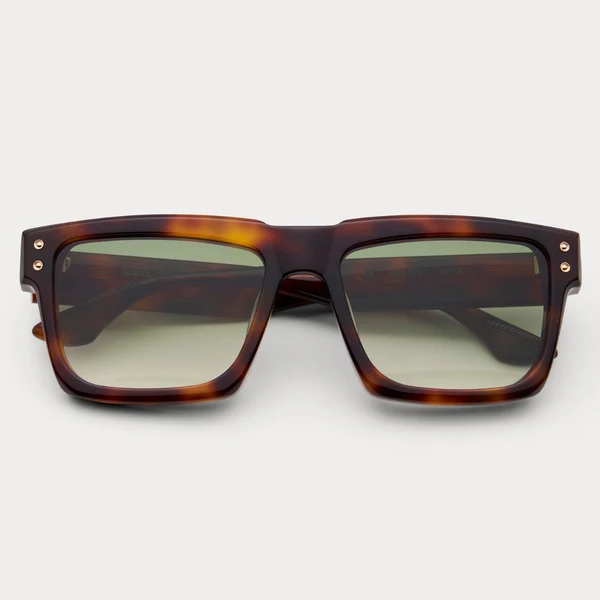
James Oro Old Money Atlas
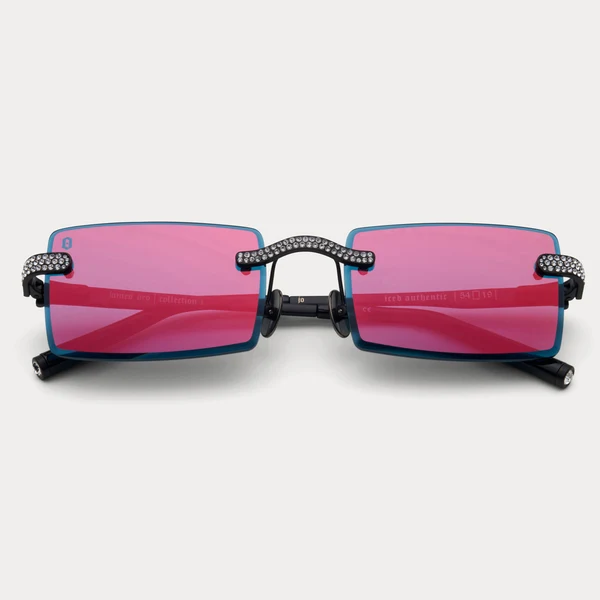
James Oro Iced Reaper Authentic
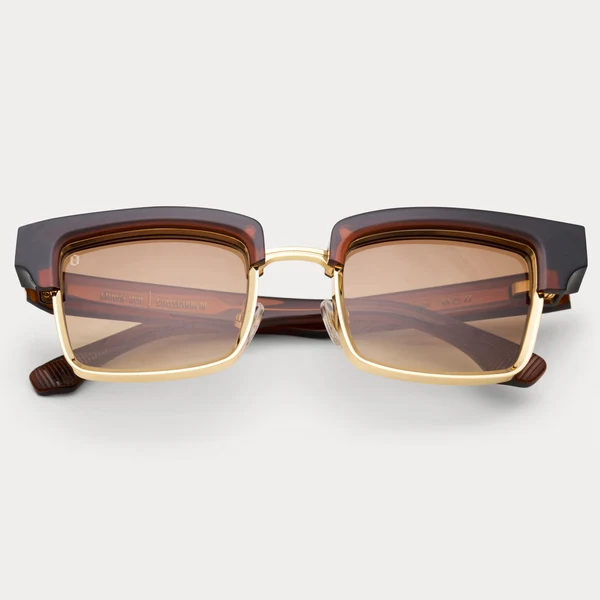
James Oro Reserve Navigator
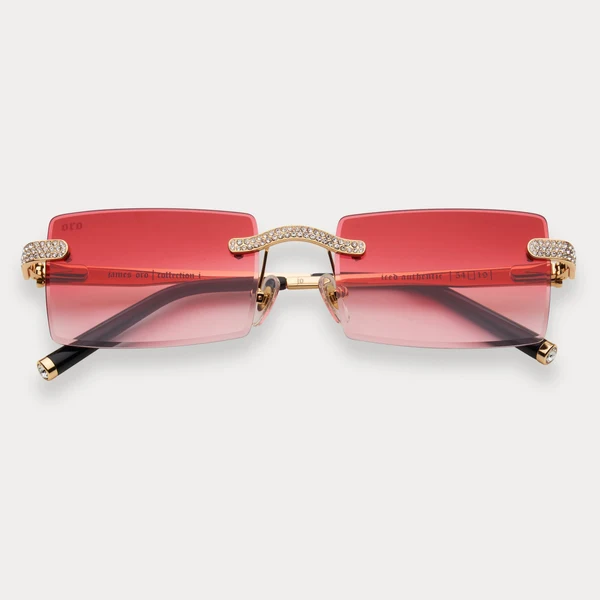
James Oro Iced Red Tint Authentic
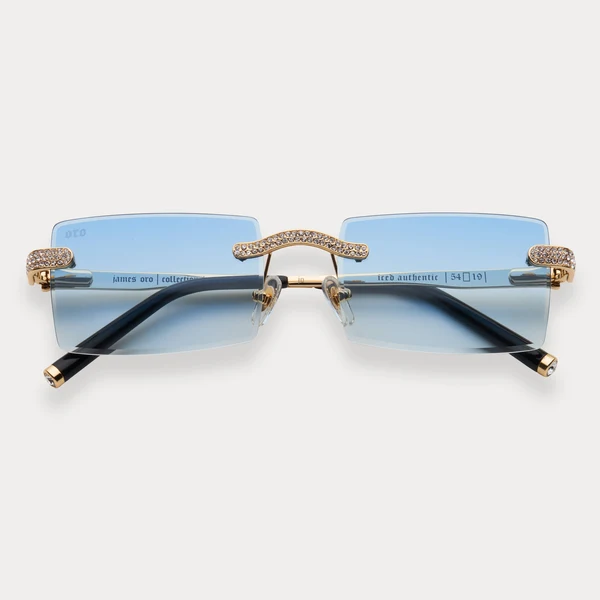
James Oro Iced Blue Tint Authentic
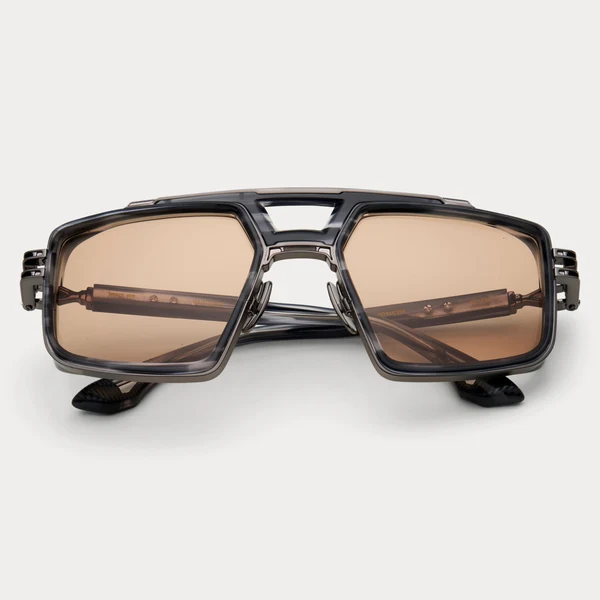
James Oro Sandstorm Skymaster
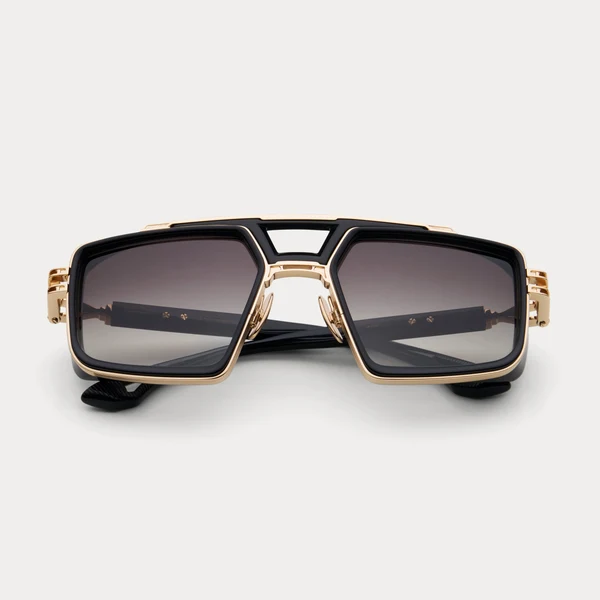
James Oro Black Skymaster
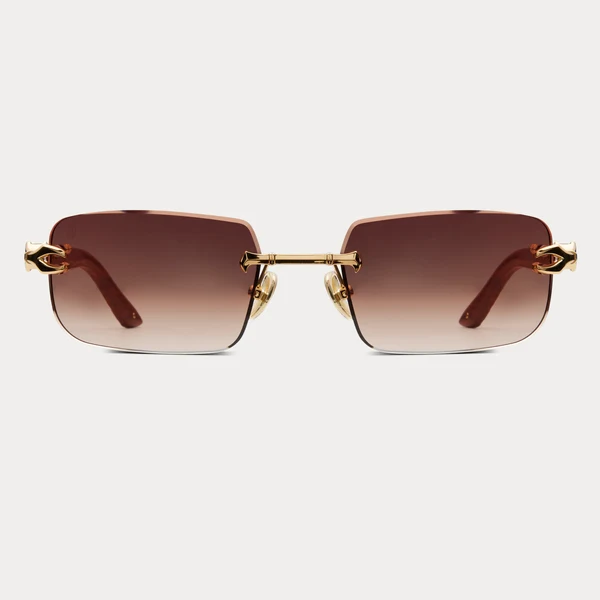
James Oro Brown Tint Hydra
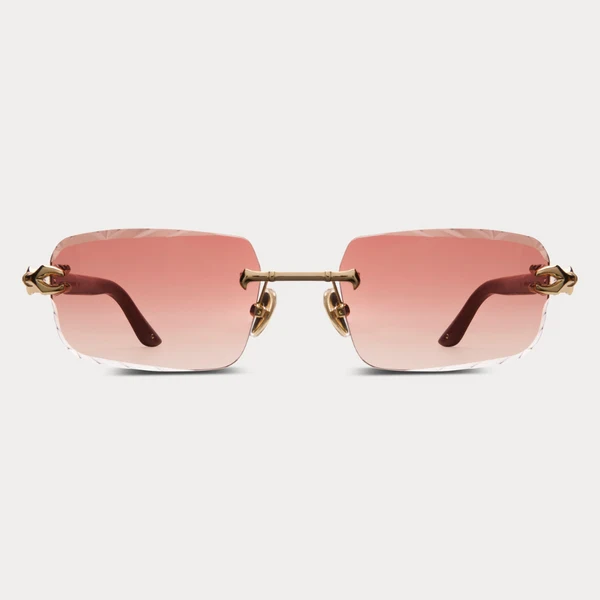
James Oro Brown Tint Hydra Gem Cut
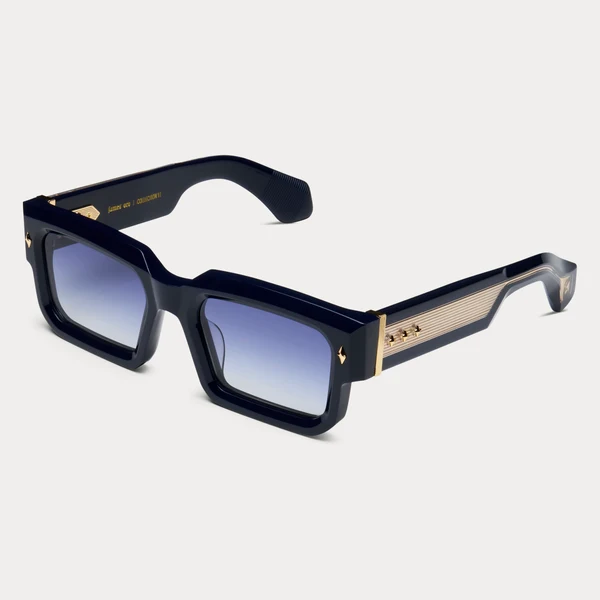
James Oro Deep Marine Legacy Titan
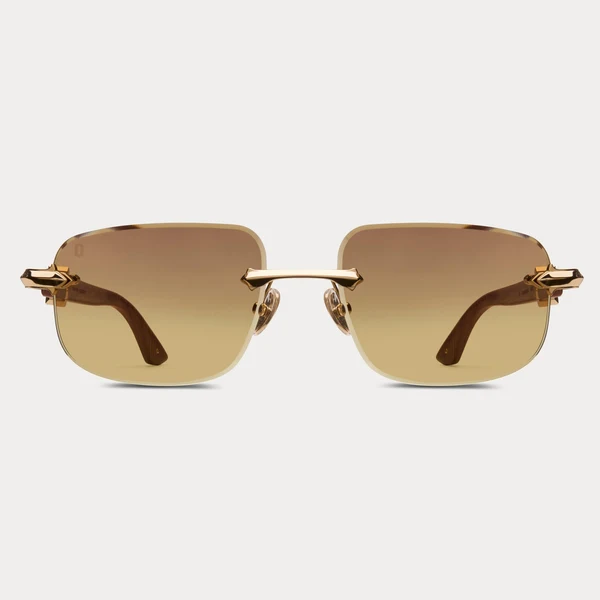
James Oro Brown Tint Consigliere
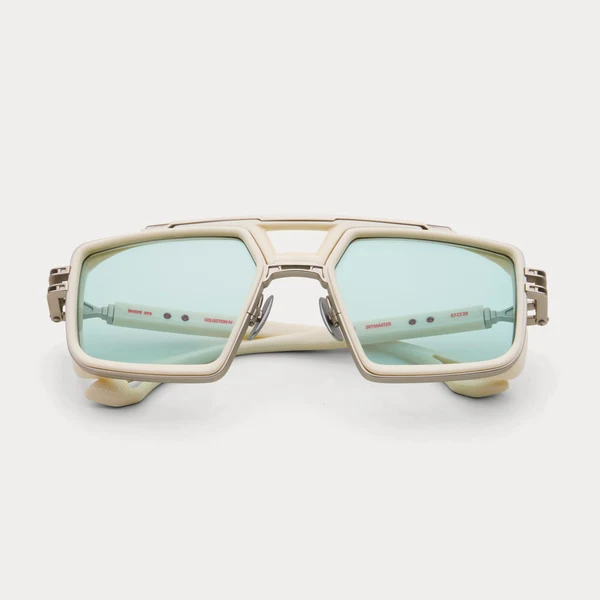
James Oro Crystal Ivory Skymaster
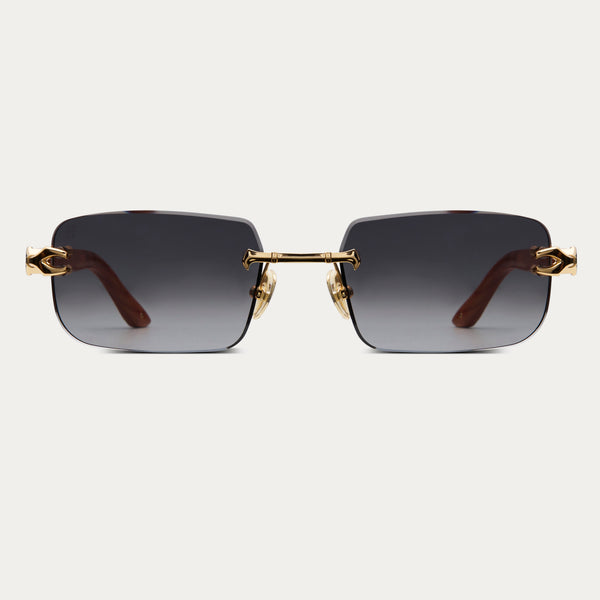
James Oro Black Tint Hydra
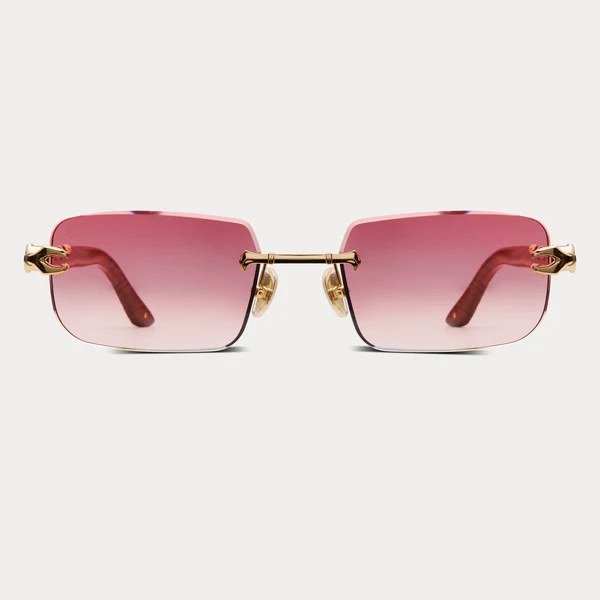
James Oro Red Tint Hydra
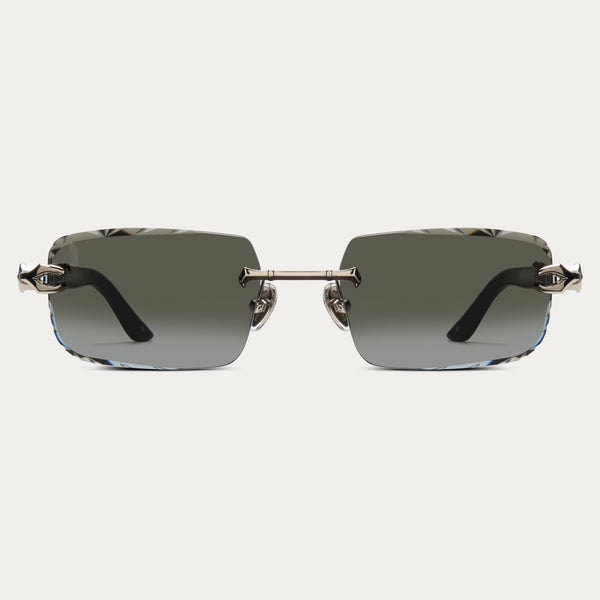
James Oro Black Silver Hydra Gem Cut
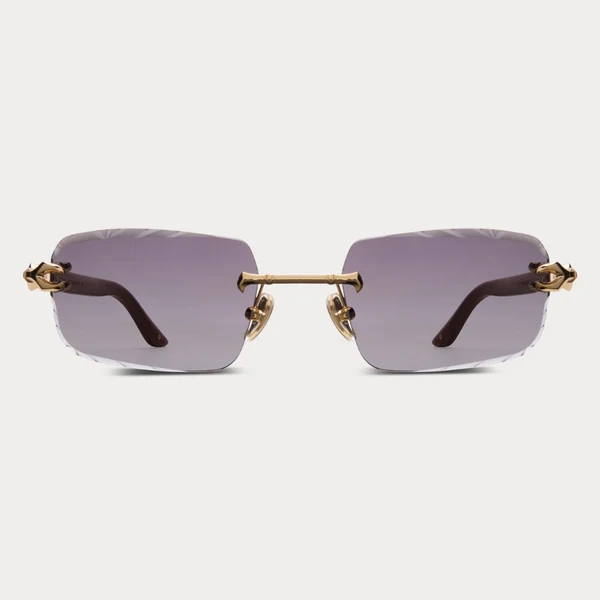
James Oro Black Tint Hydra Gem Cut
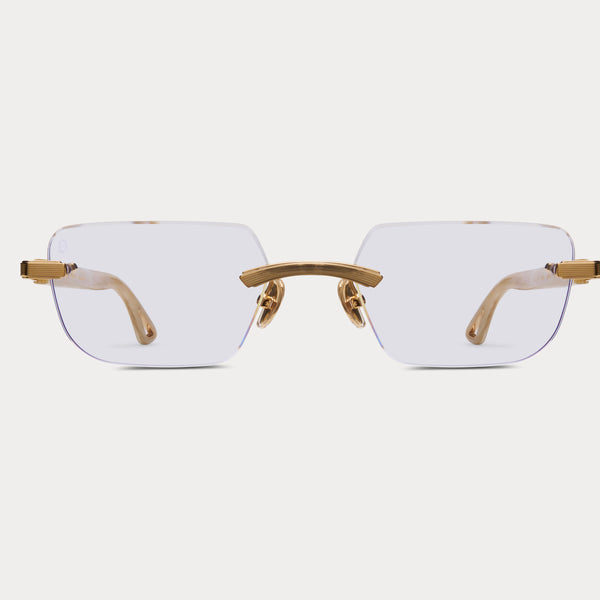
James Oro Clear Rare Blanc Duke
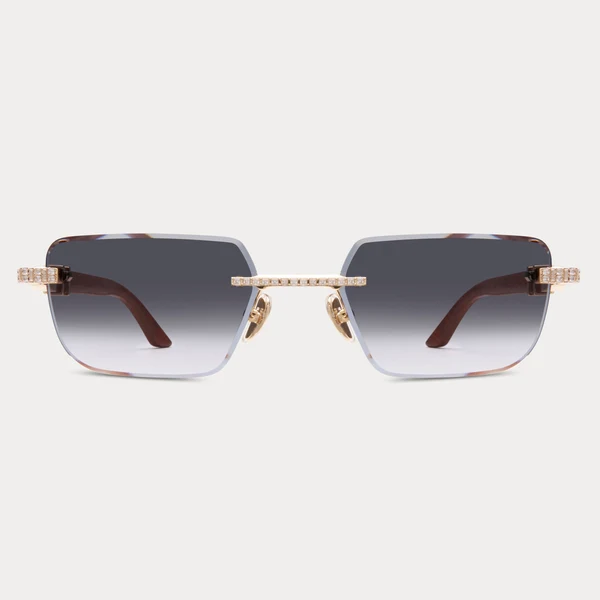
James Oro Black Tint Bankroller
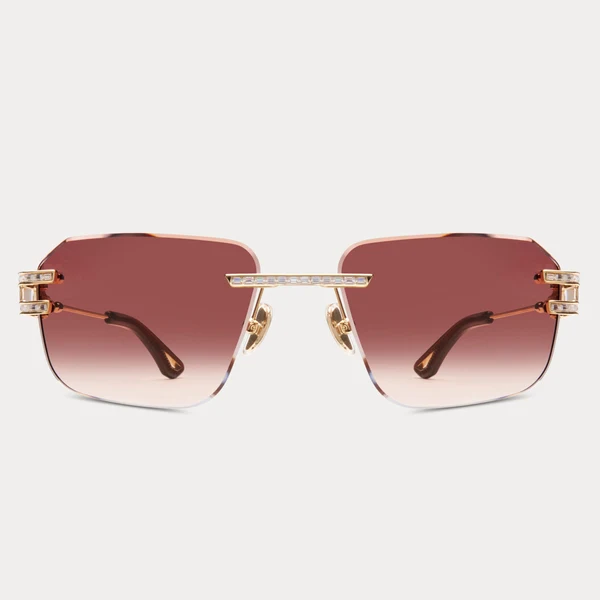
James Oro Brown Tint Mercenary
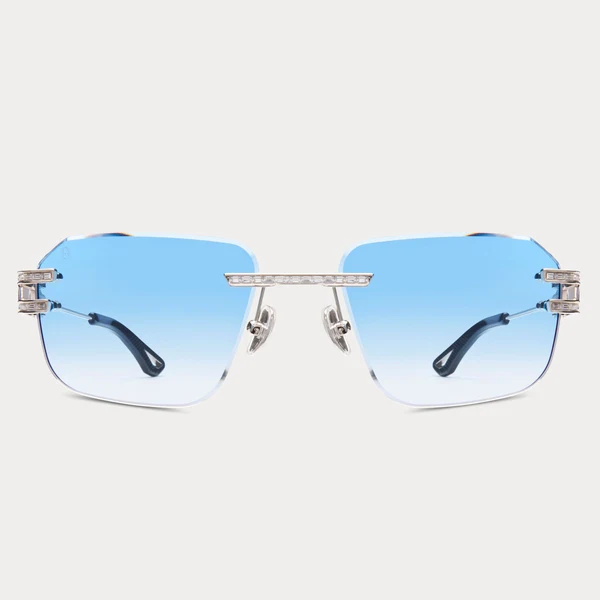
James Oro Blue Tint Mercenary
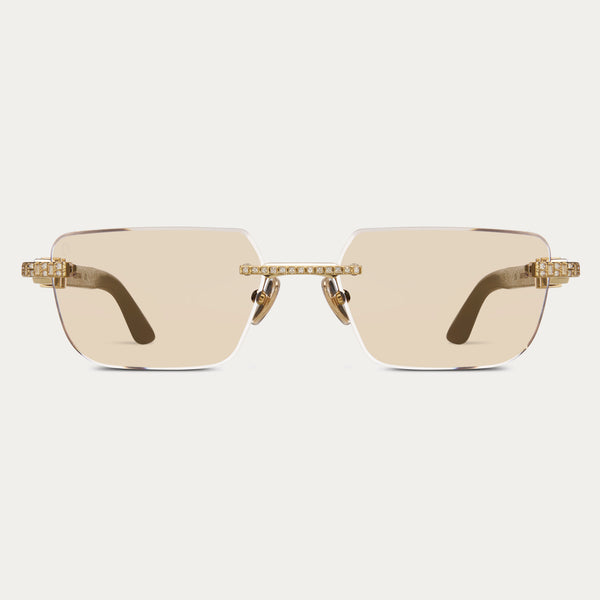
James Oro Vapor Gold Bankroller
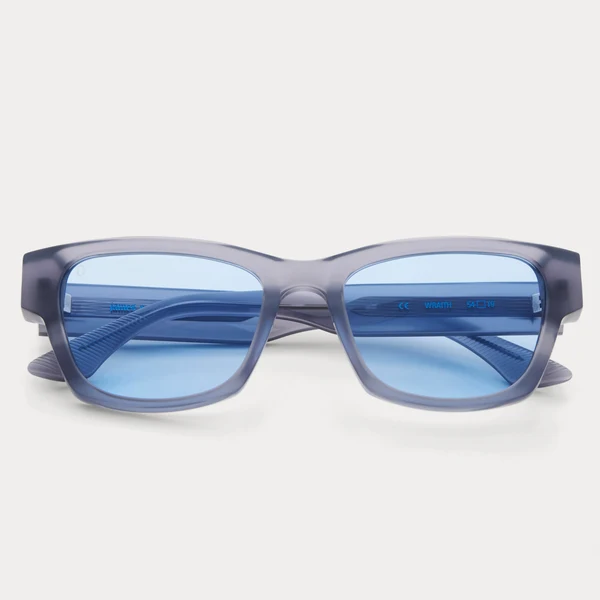
James Oro Skyline Wraith
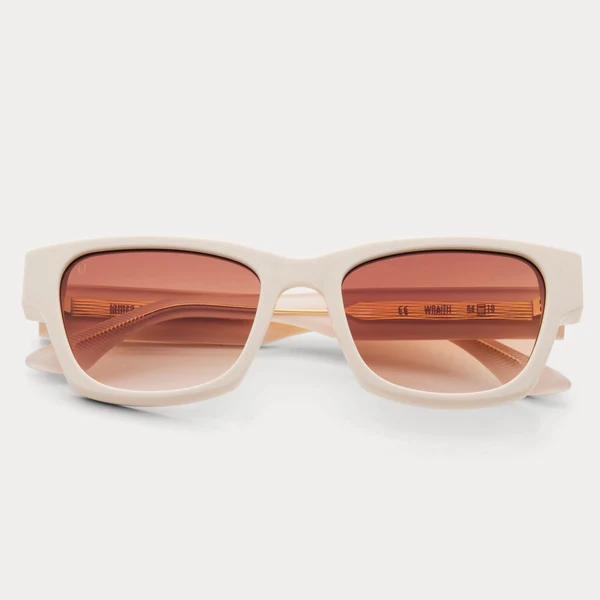
James Oro Bone Wraith
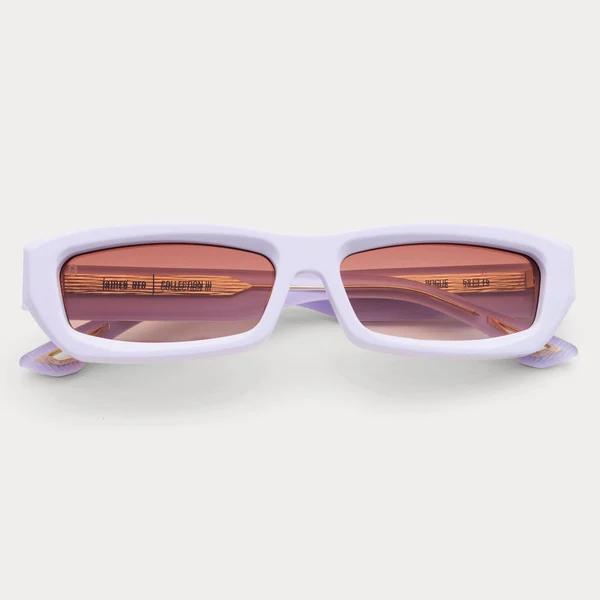
James Oro Brown Tint White Rogue
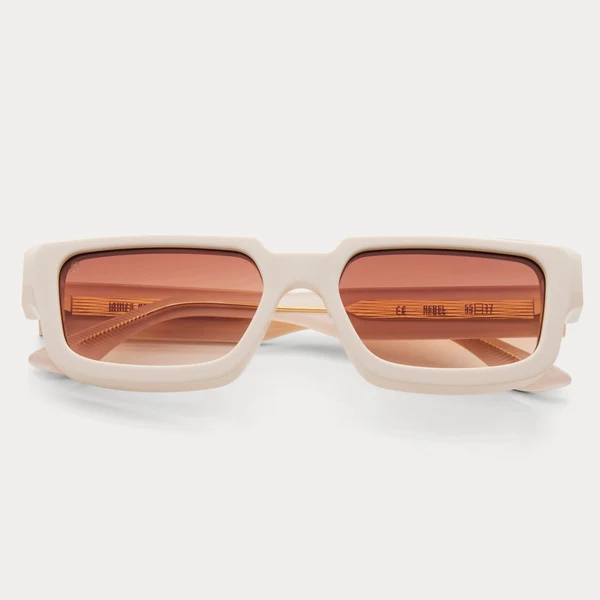
James Oro Bone Rebel
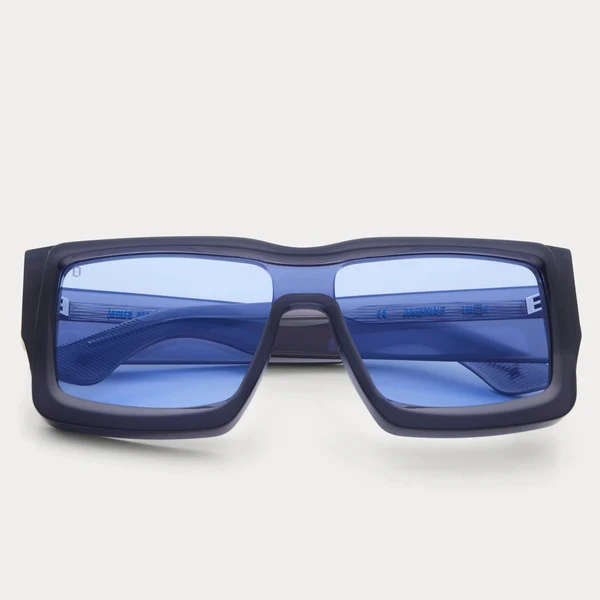
James Oro Skyline Juggernaut
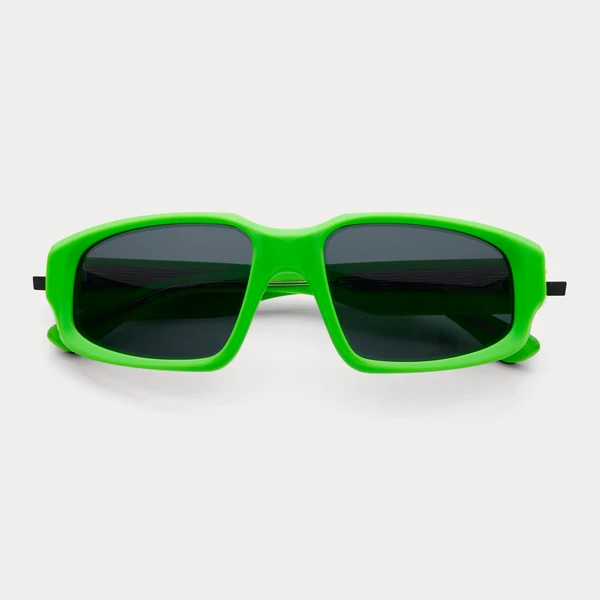
James Oro Acid Green Venom
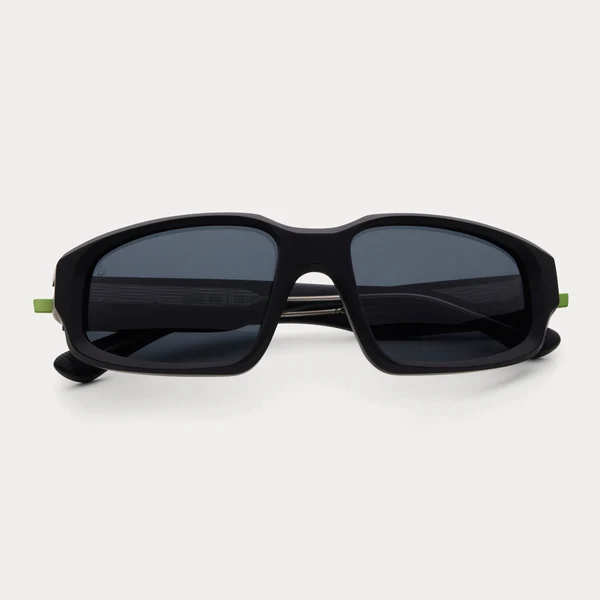
James Oro Matte Black Venom
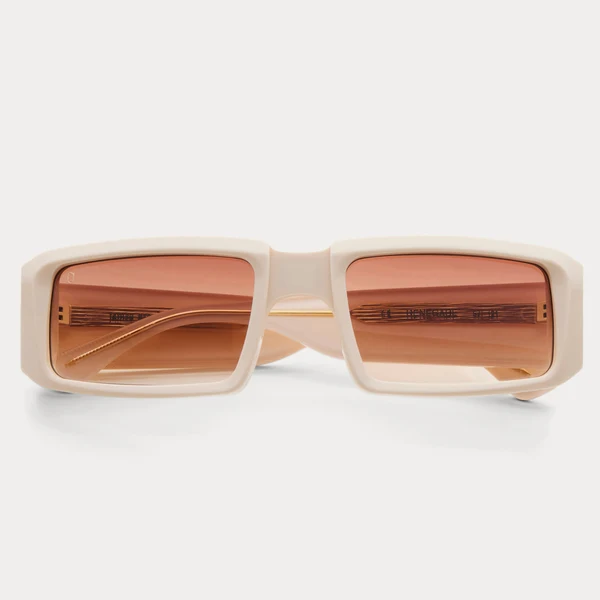
James Oro Bone Renegade
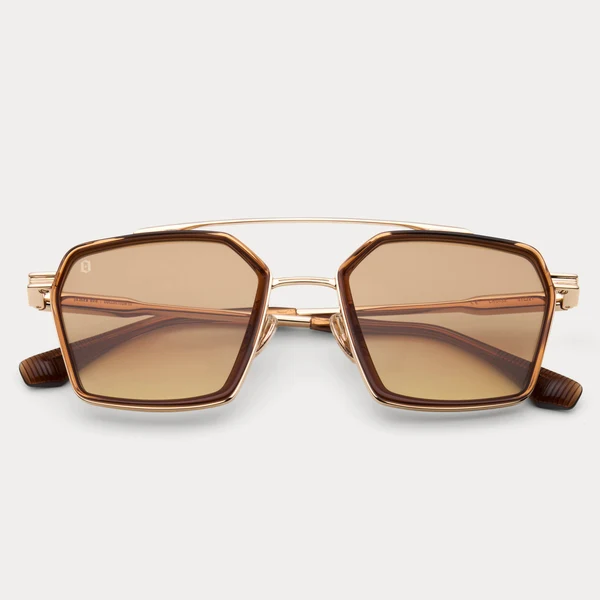
James Oro Reserve Cruise
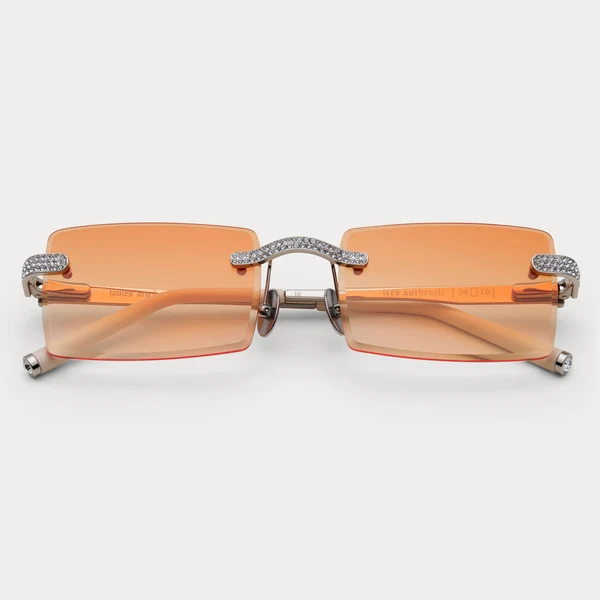
James Oro Iced Sunset Authentic
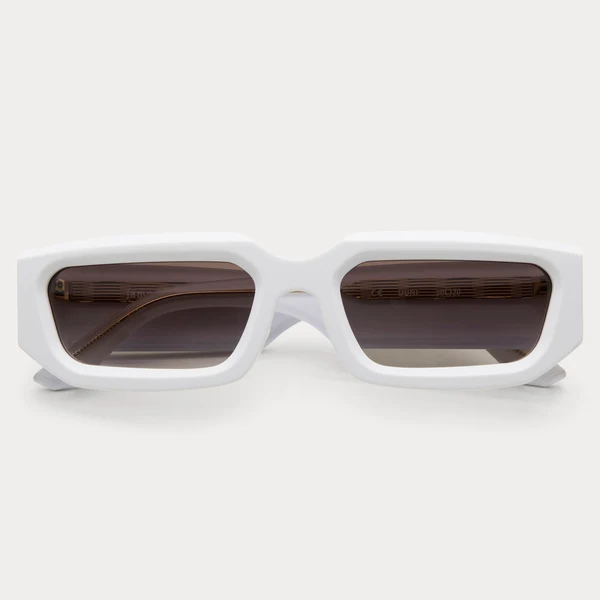
James Oro White Dune
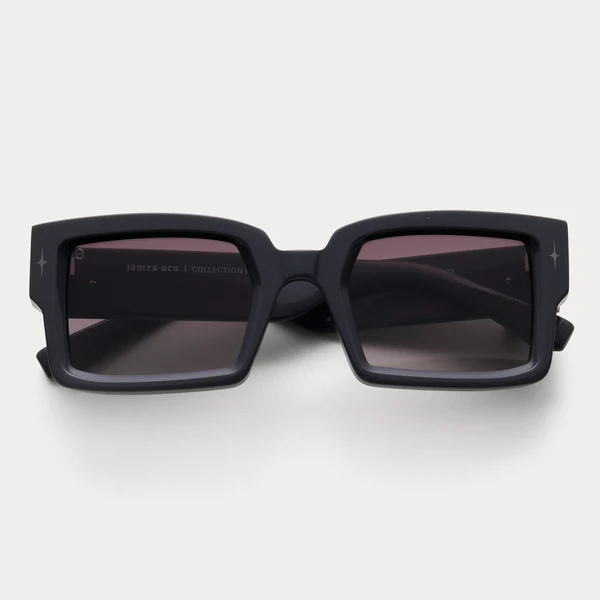
James Oro Storm Grey Icon
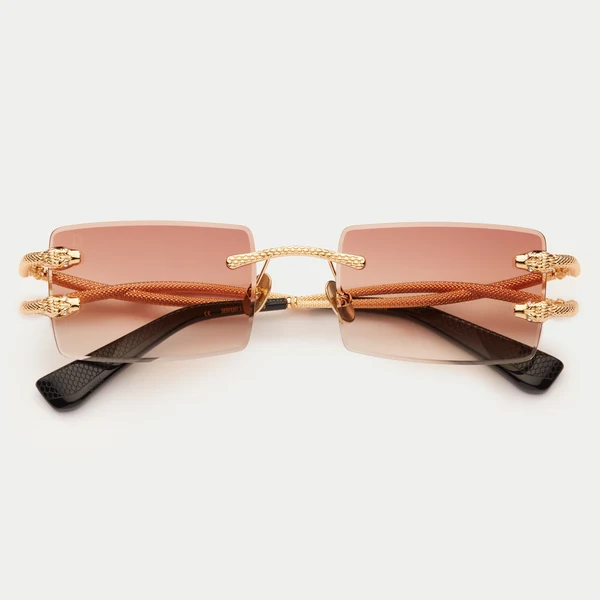
James Oro Brown Tint Serpent II
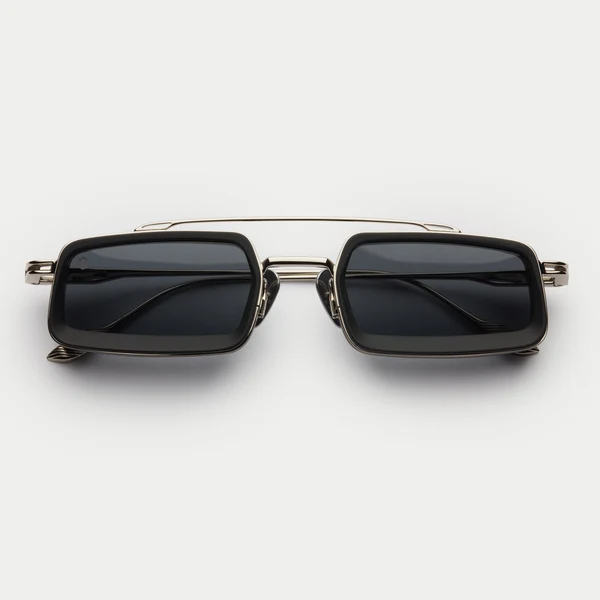
James Oro Silver Intake
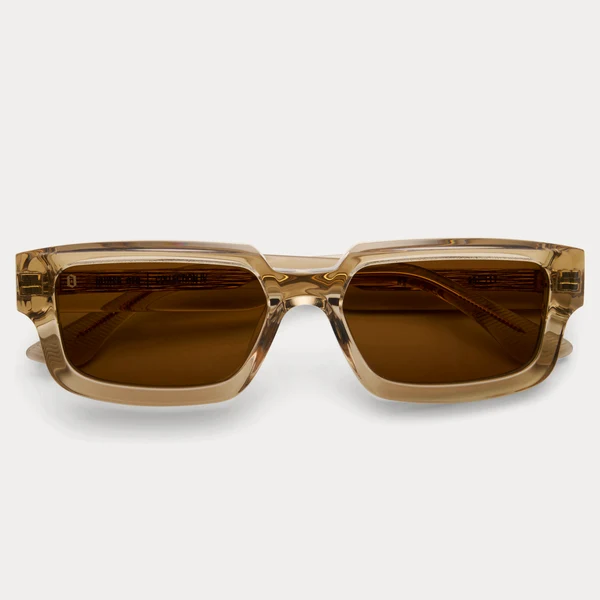
James Oro Champagne Rebel
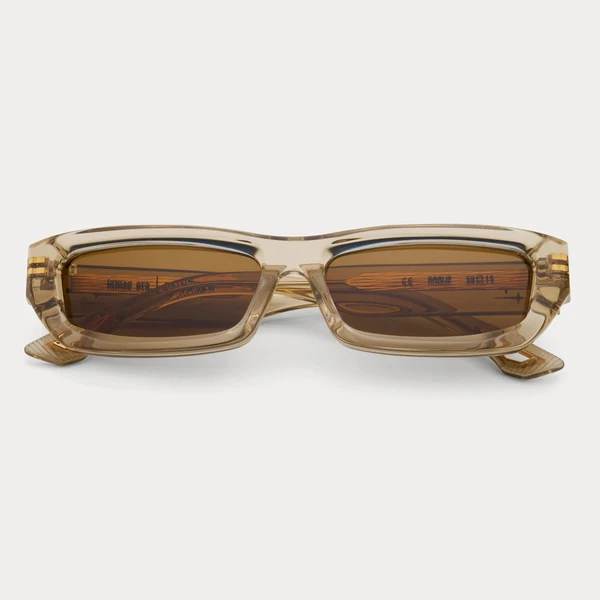
James Oro Champagne Rogue
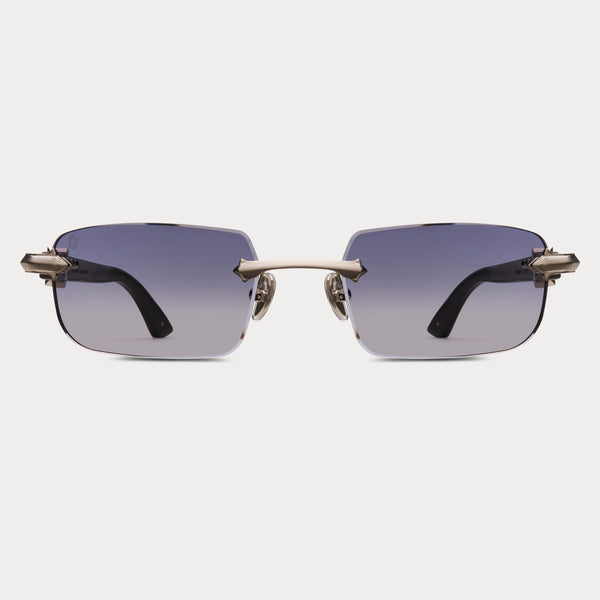
James Oro Black Tint Silver Confidante
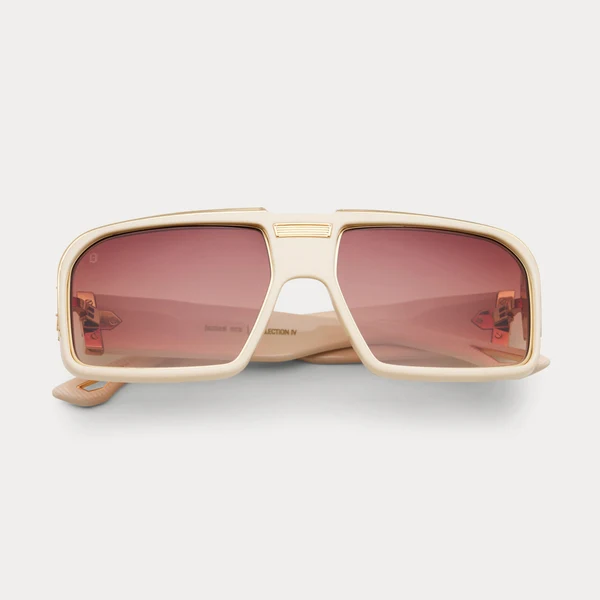
James Oro Bone Tycoon
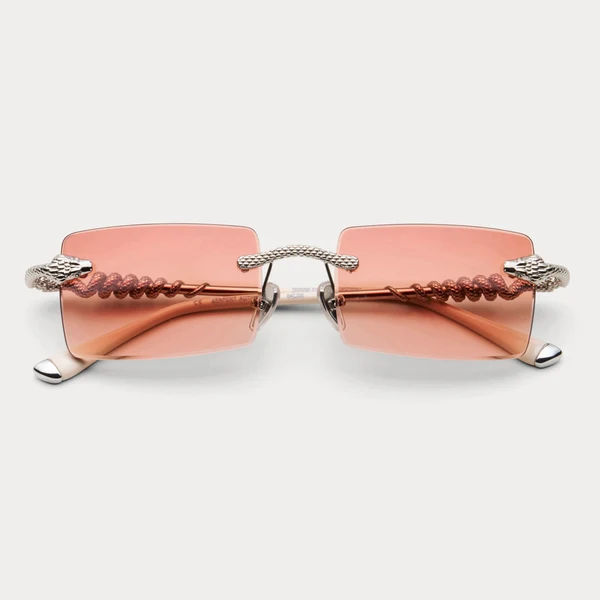
James Oro Sunset Silver Serpent Authentic
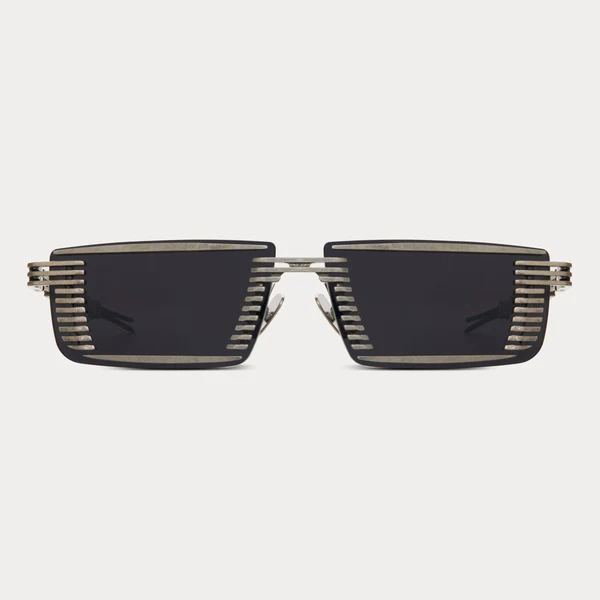
James Oro Antique Silver Vertebrae
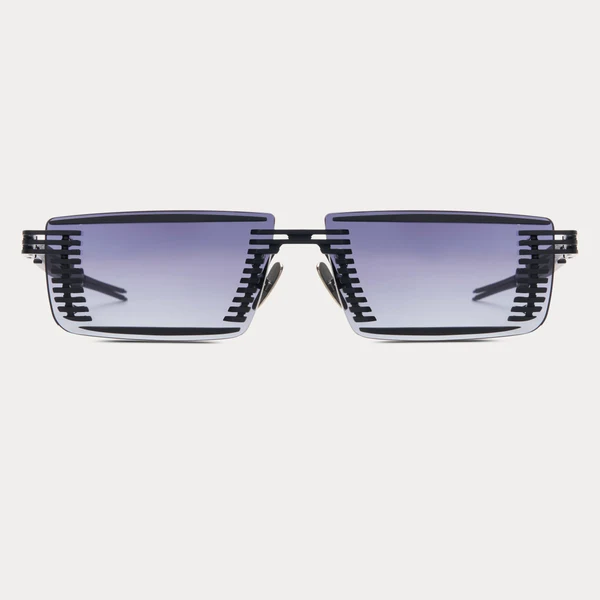
James Oro Matte Black Vertebrae
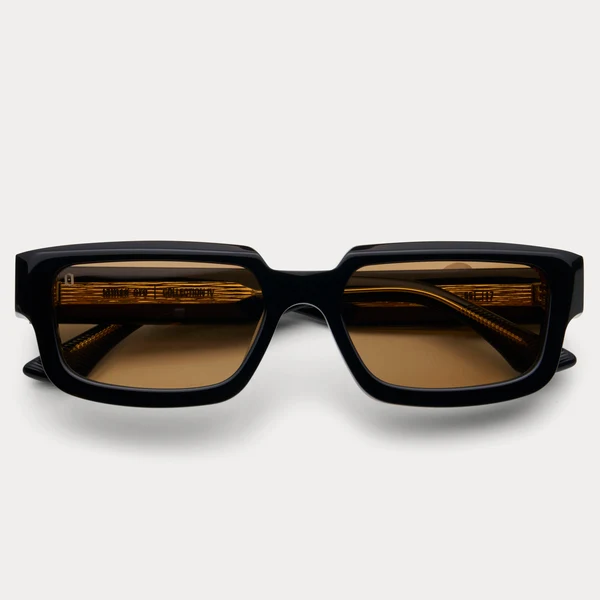
James Oro Amber Rebel
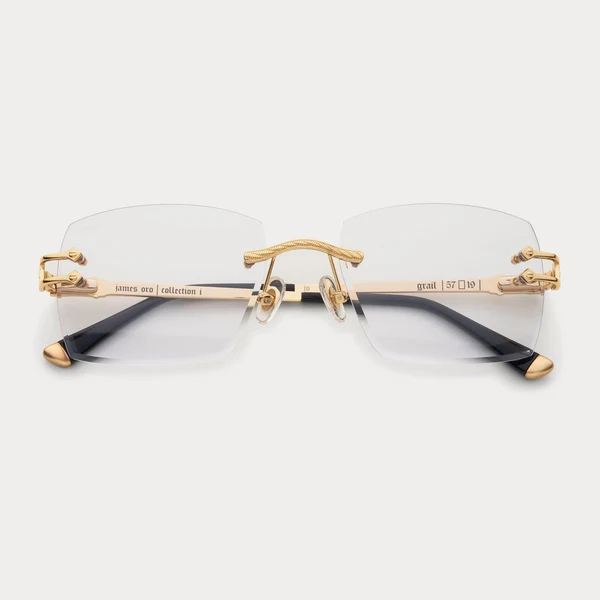
James Oro Clear Grail
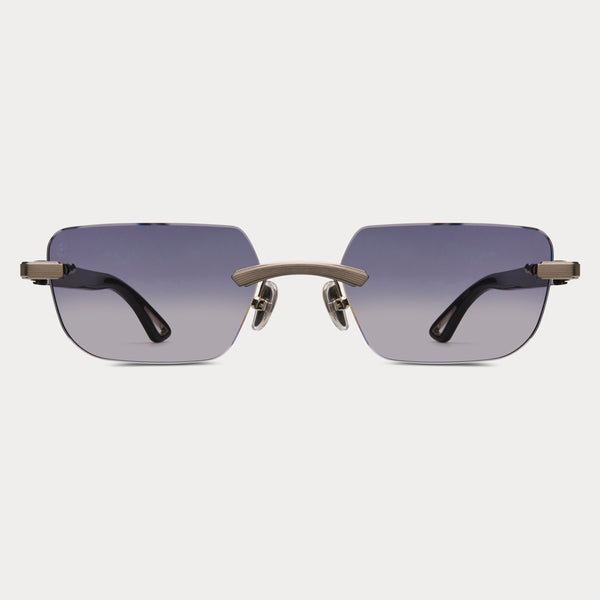
James Oro Black Tint Rare Noir Duke
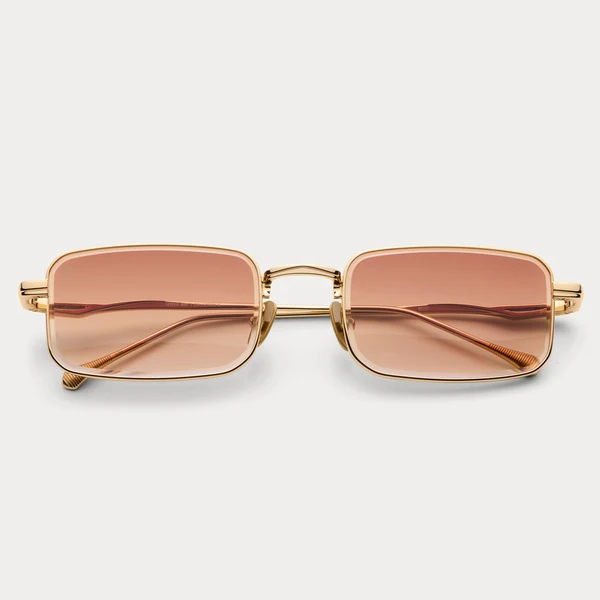
James Oro Brown Tint Rival Stargazer
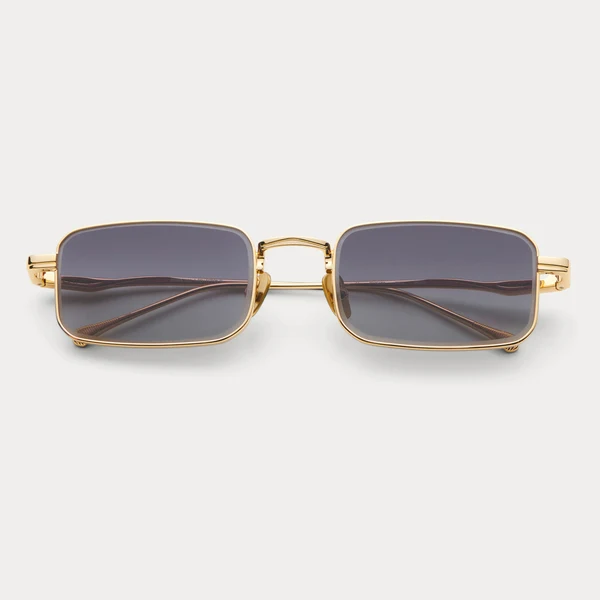
James Oro Rival Stargazer
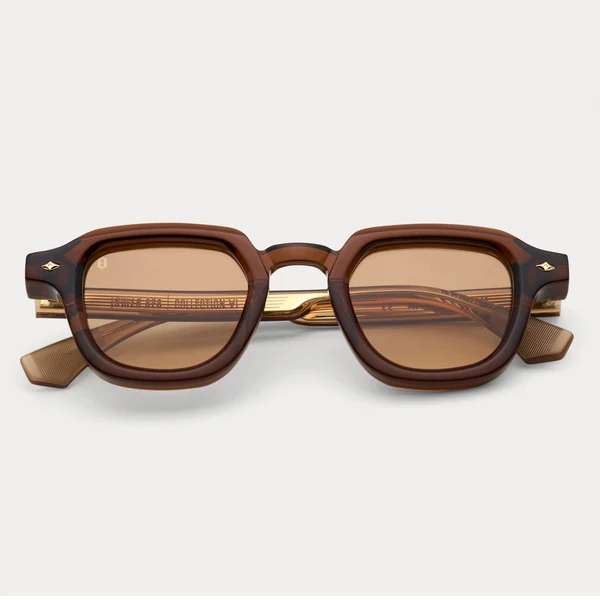
James Oro Reserve Attaché
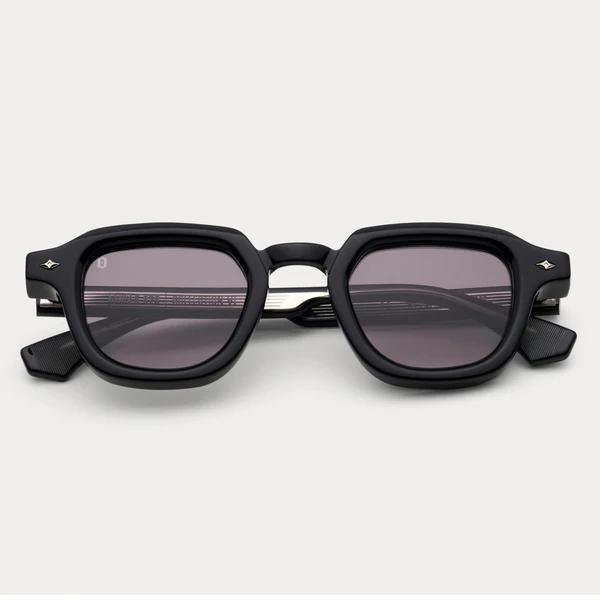
James Oro Black Tint Attaché
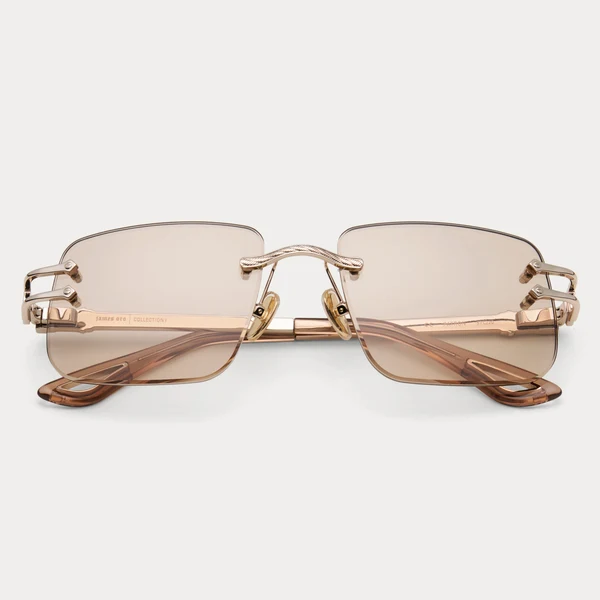
James Oro Sand Patron
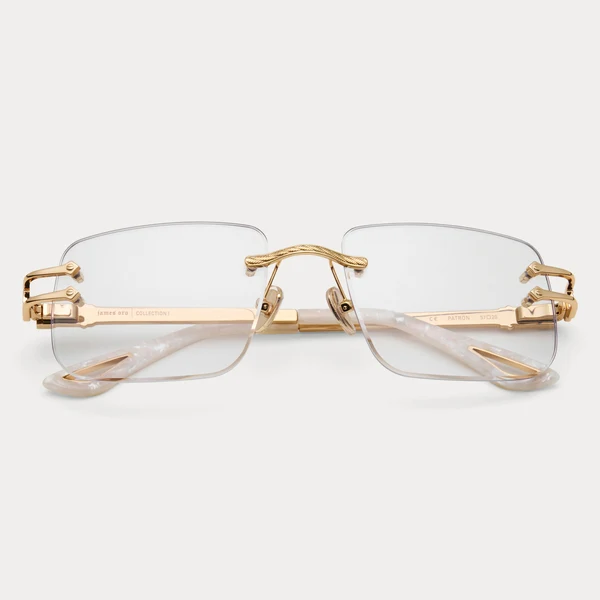
James Oro Clear Pearl Patron
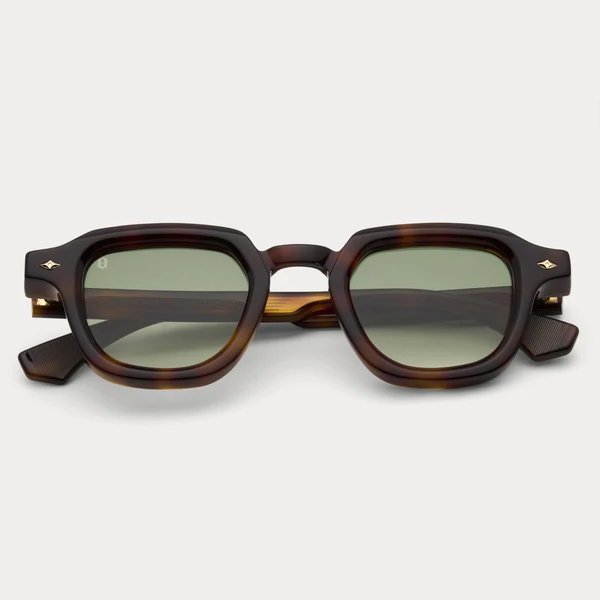
James Oro Old Money Attaché
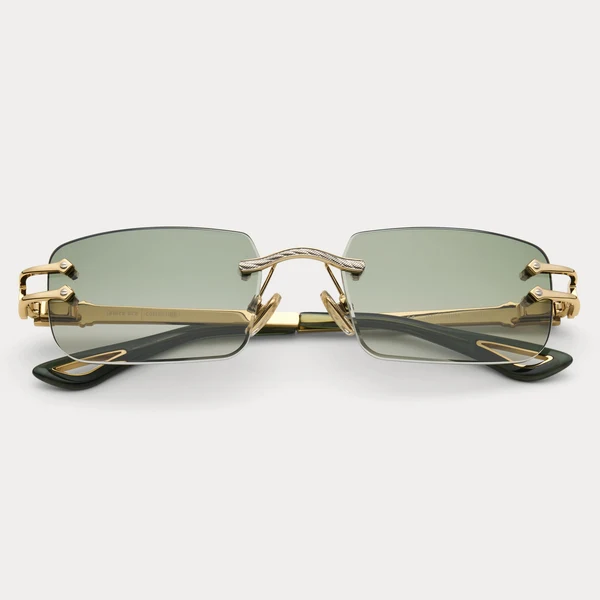
James Oro Absinthe Imperium
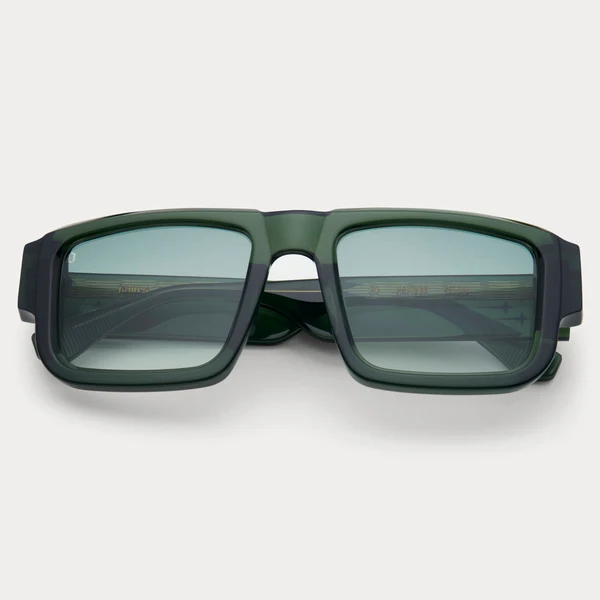
James Oro Absinthe Caliber
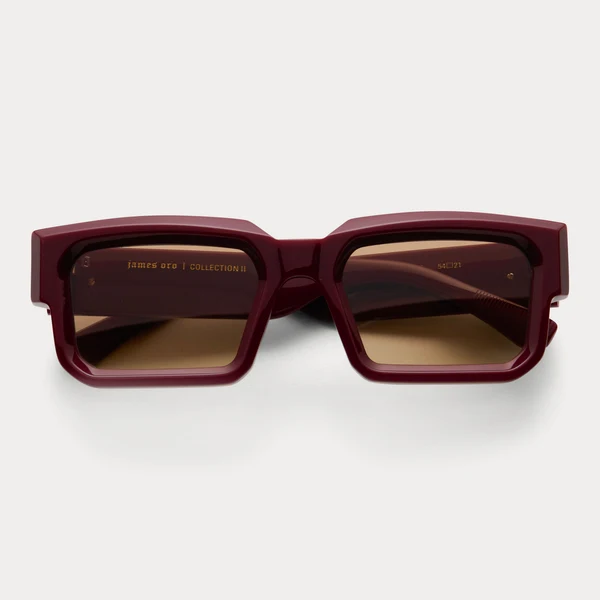
James Oro Bordeaux Titan
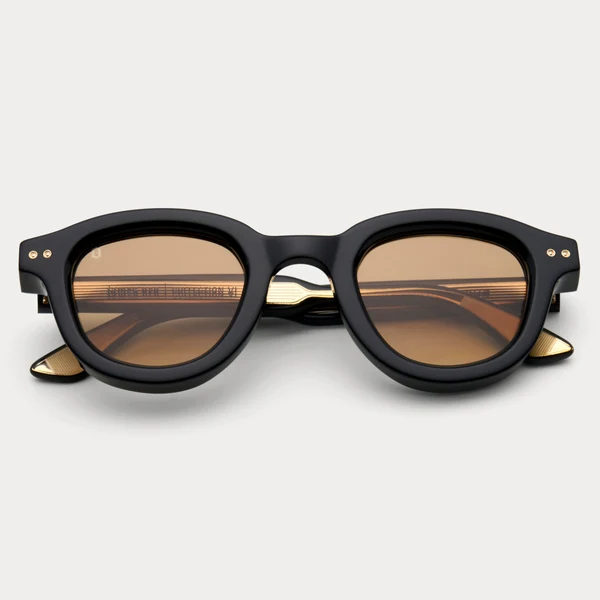
James Oro Amber Vektor
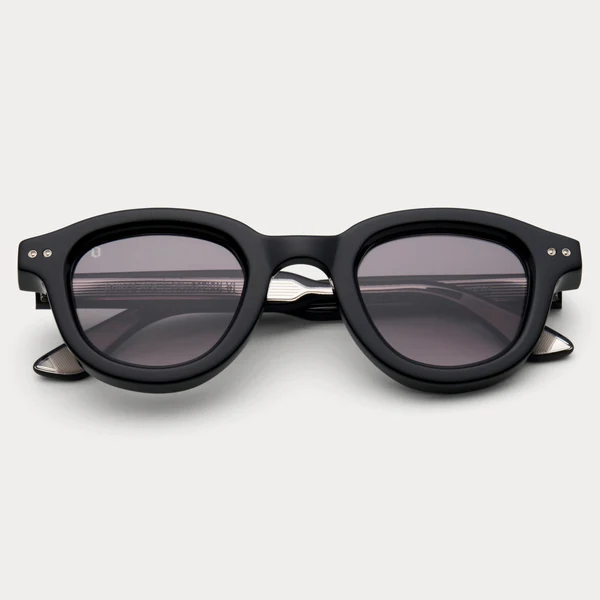
James Oro Black Tint Vektor
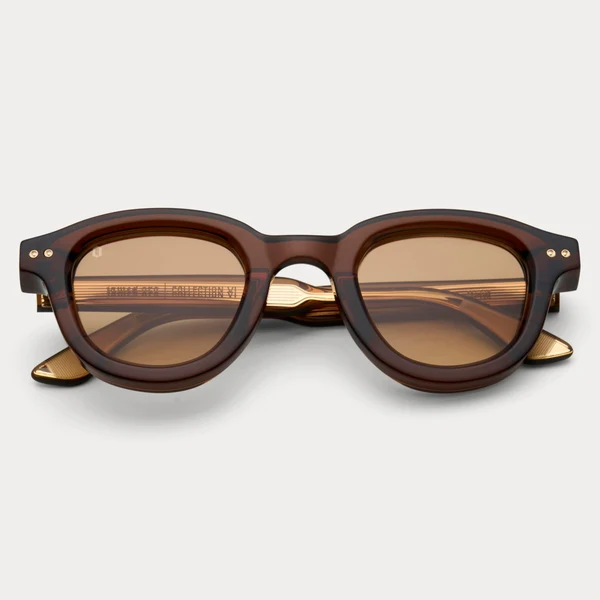
James Oro Reserve Vektor
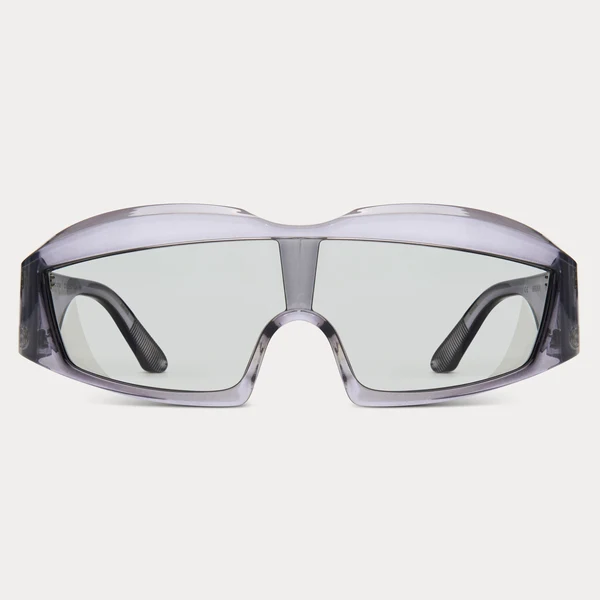
James Oro Gunship Grey Brinx
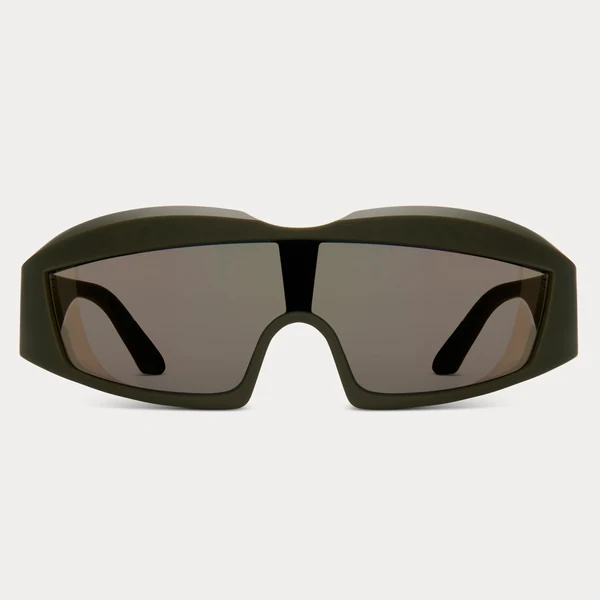
James Oro Tungsten Brinx
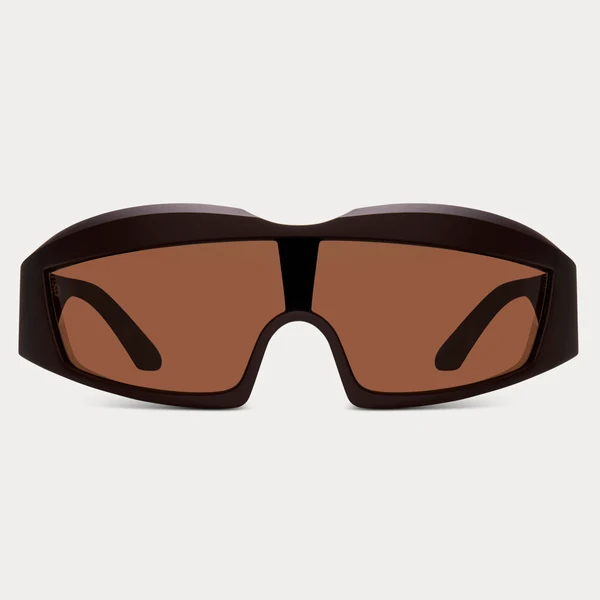
James Oro Midnight Brown Brinx
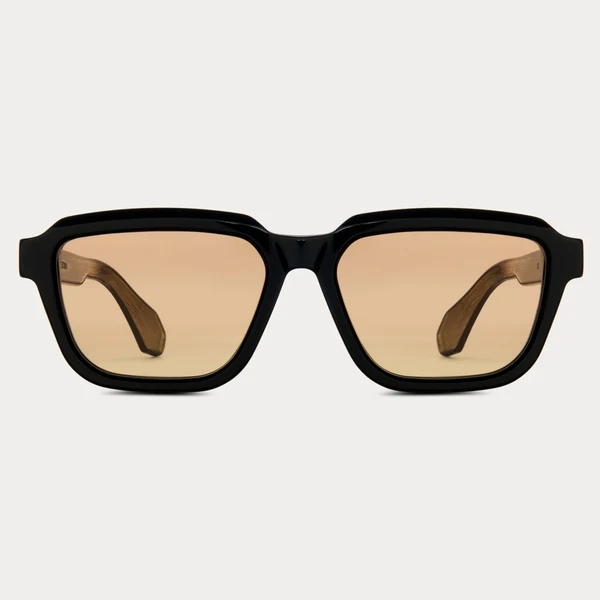
James Oro Amber Marshall
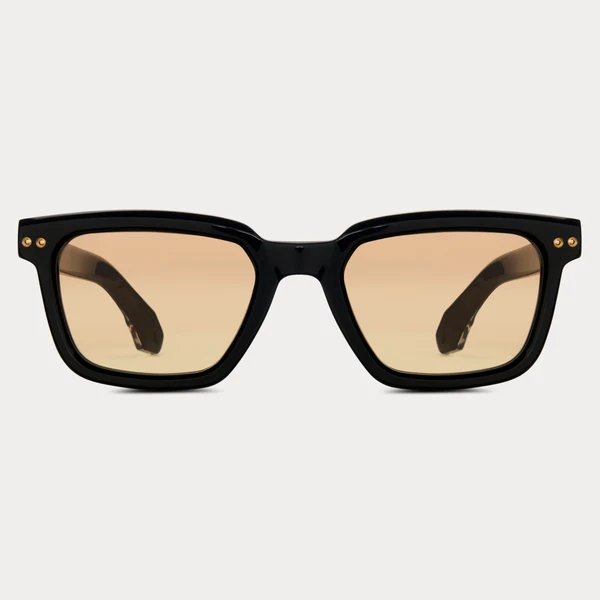
James Oro Amber Agent
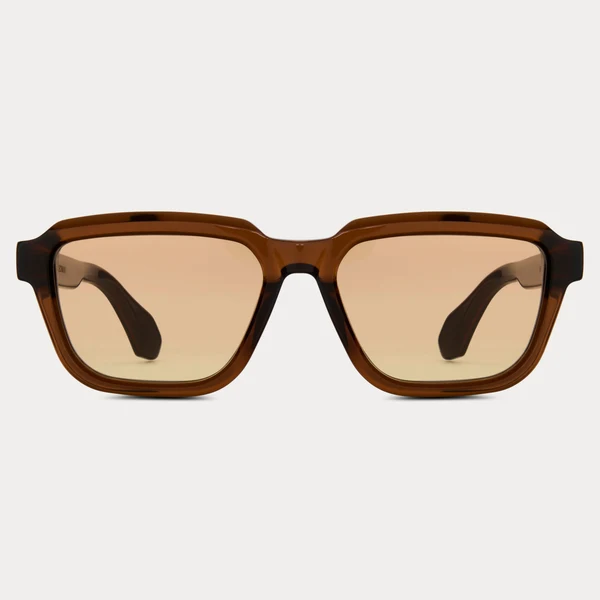
James Oro Reserve Marshall
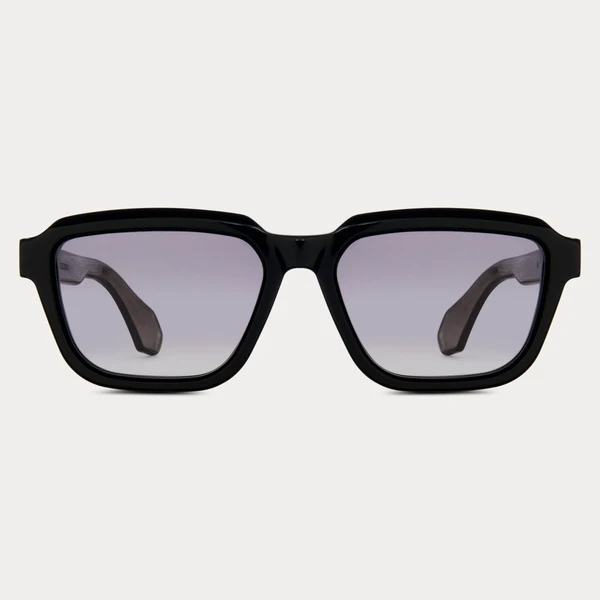
James Oro Black Tint Marshall
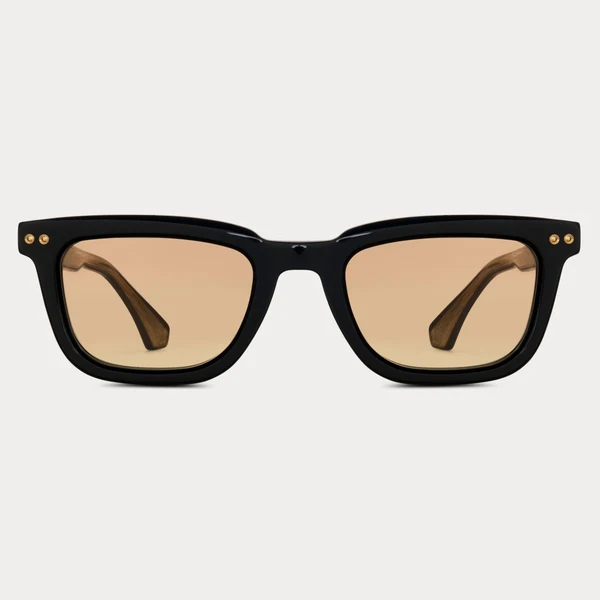
James Oro Amber Spectre
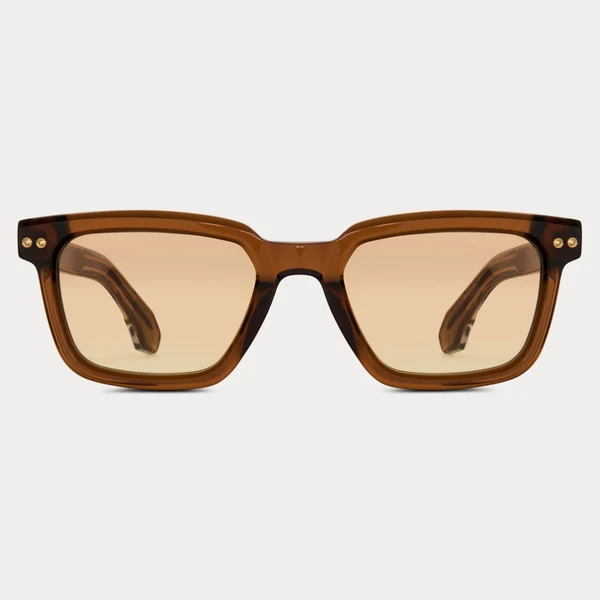
James Oro Reserve Agent
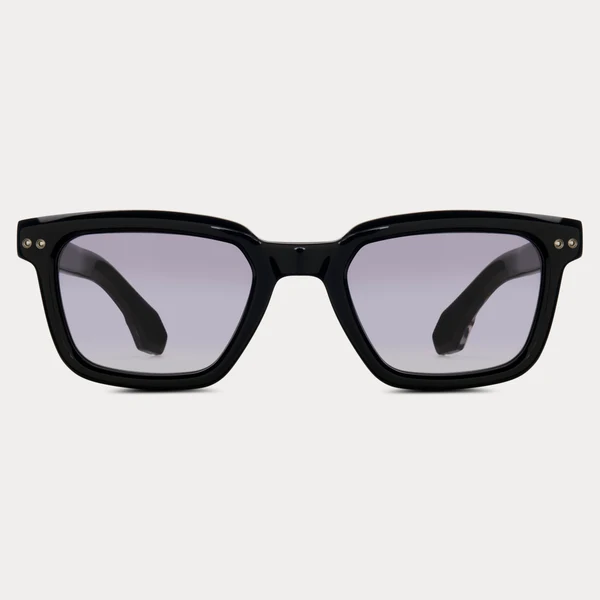
James Oro Black Tint Agent
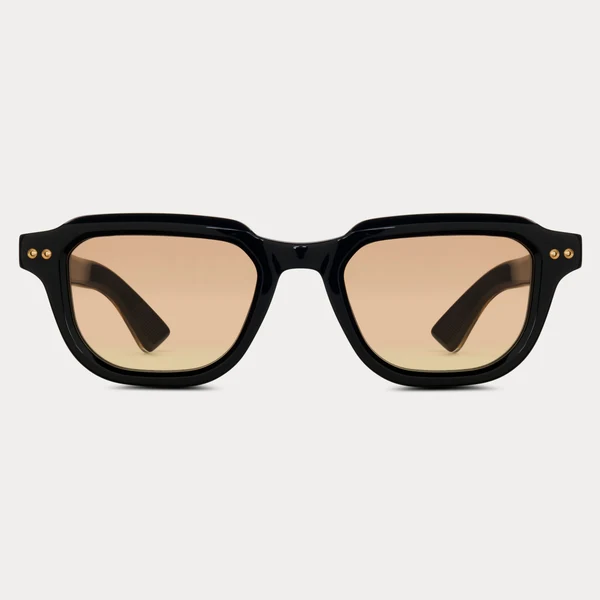
James Oro Amber Cipher
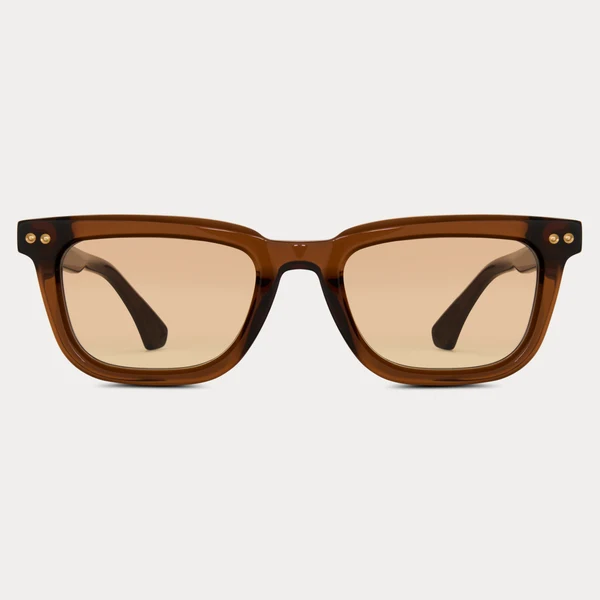
James Oro Reserve Spectre
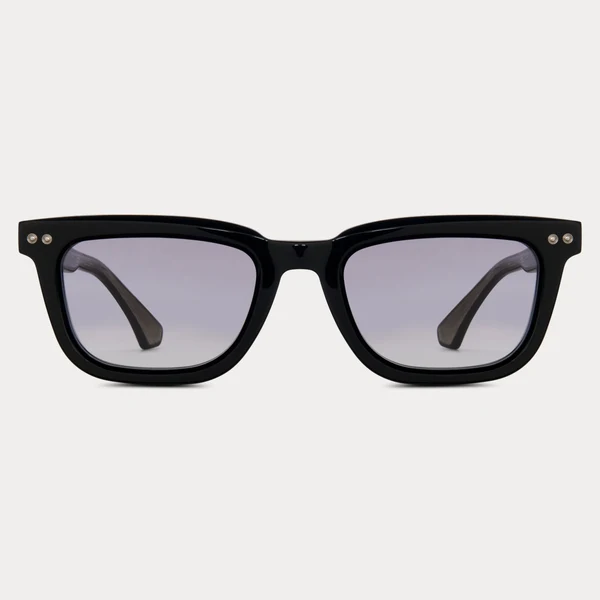
James Oro Black Tint Spectre
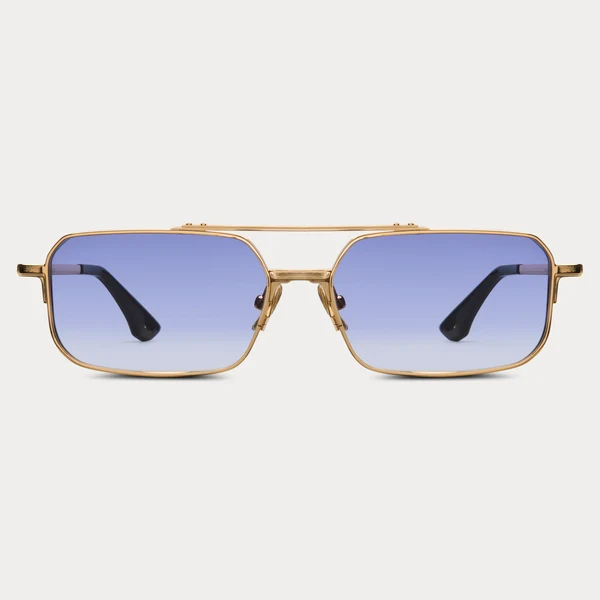
James Oro Deep Marine Vanguard
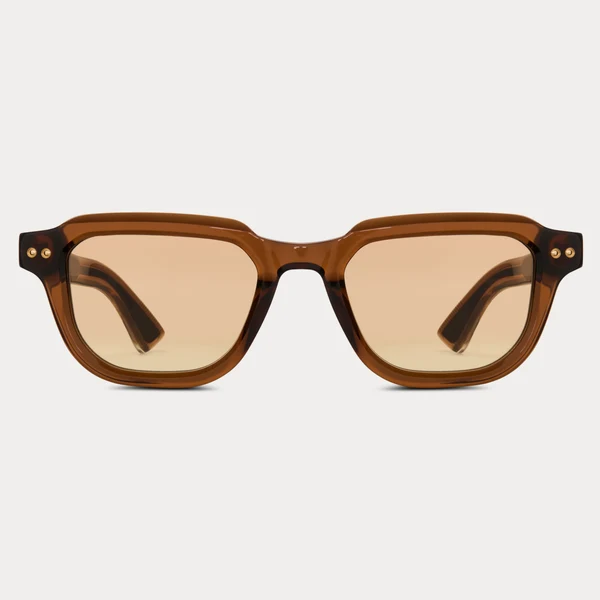
James Oro Reserve Cipher
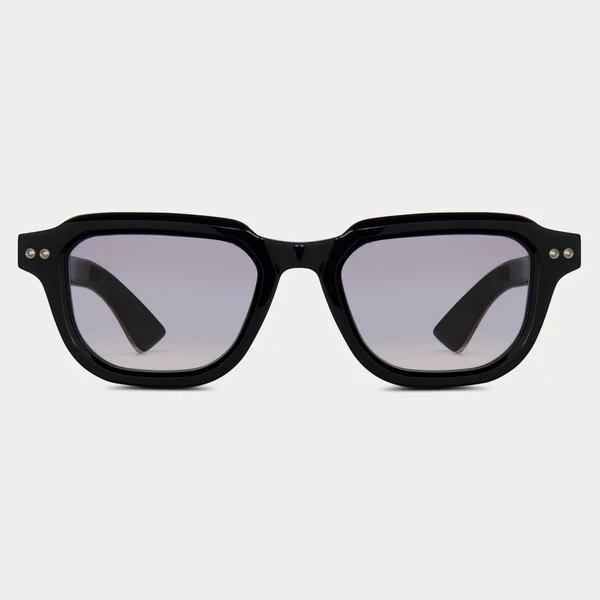
James Oro Black Tint Cipher
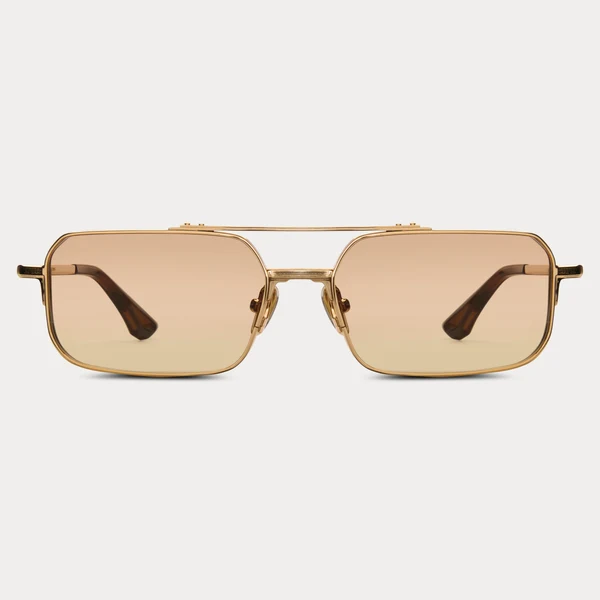
James Oro Reserve Vanguard
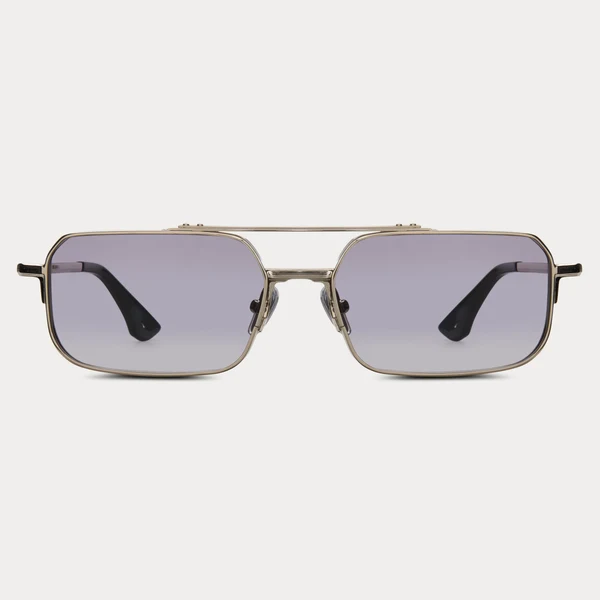
James Oro Black Tint Vanguard
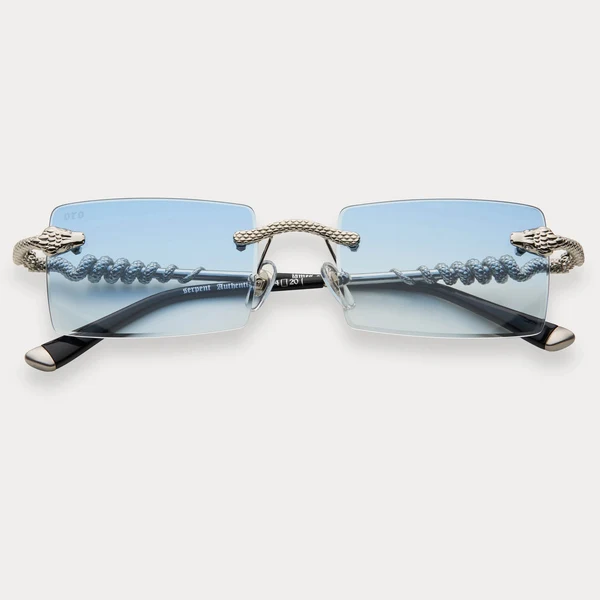
James Oro Blue Tint Silver Serpent Authentic
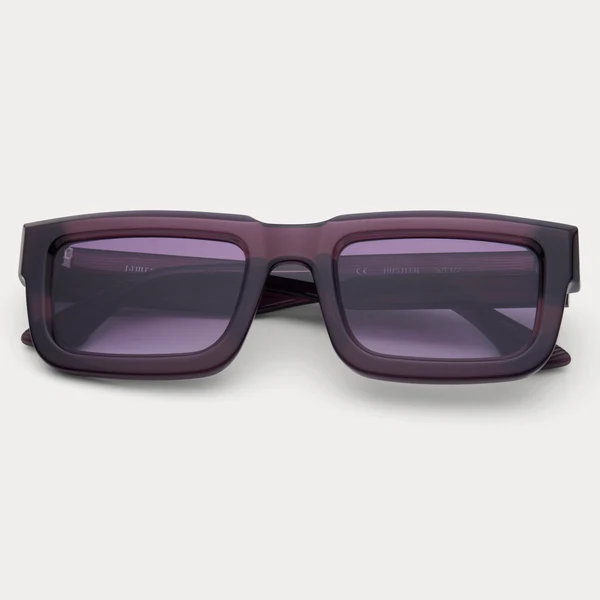
James Oro Amethyst Hustler
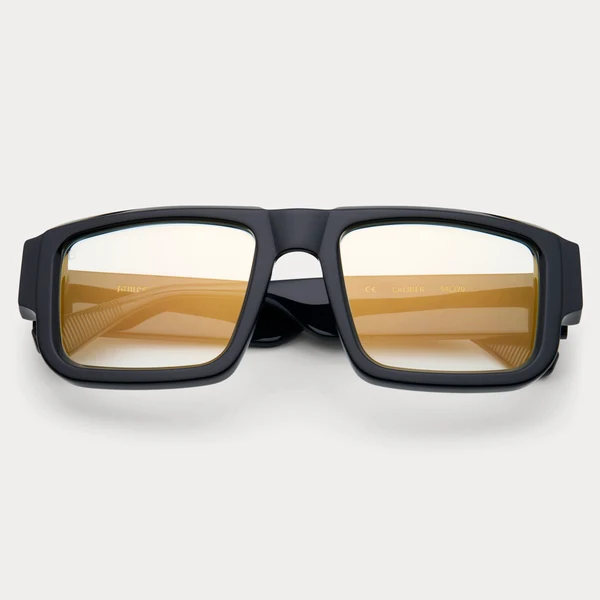
James Oro Vapor Gold Caliber
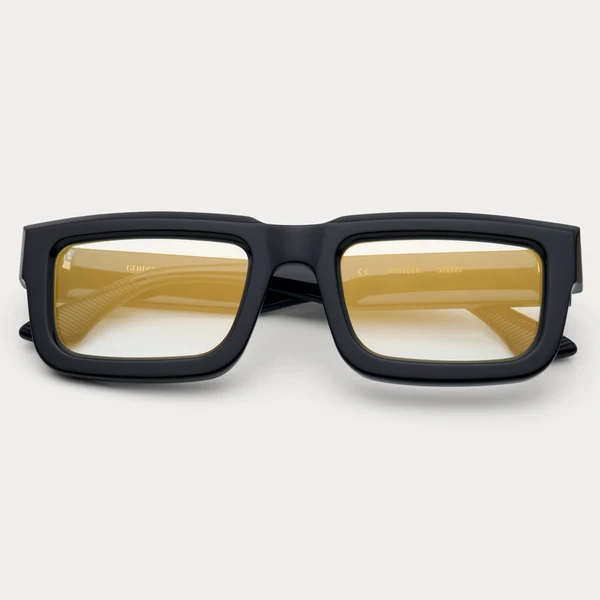
James Oro Vapor Gold Hustler
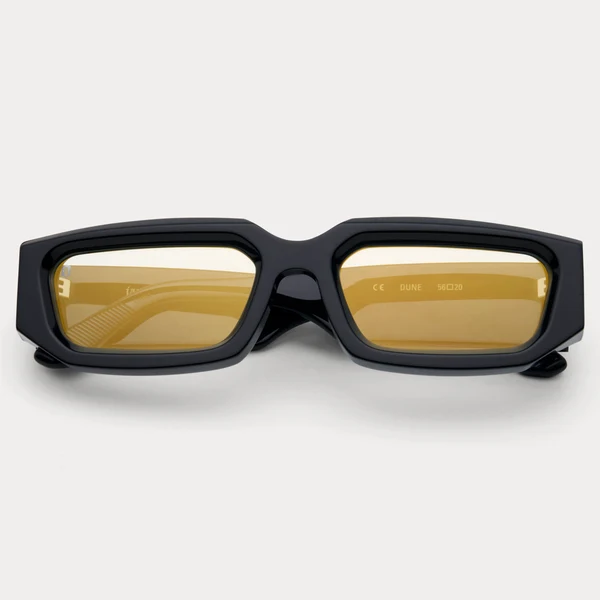
James Oro Vapor Gold Dune
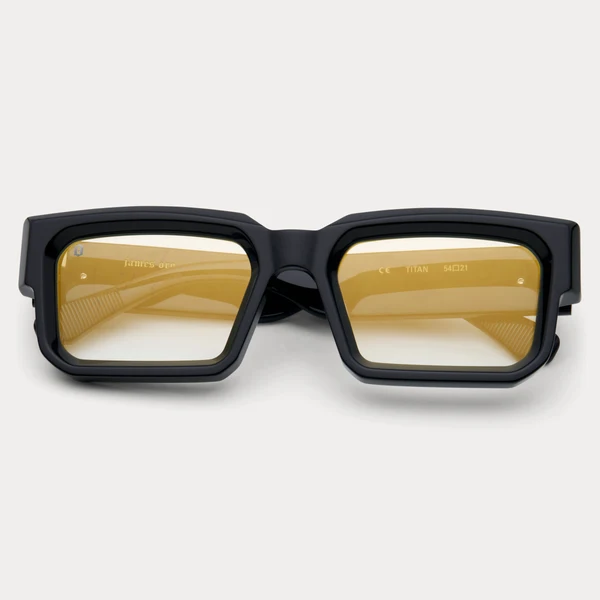
James Oro Vapor Gold Titan
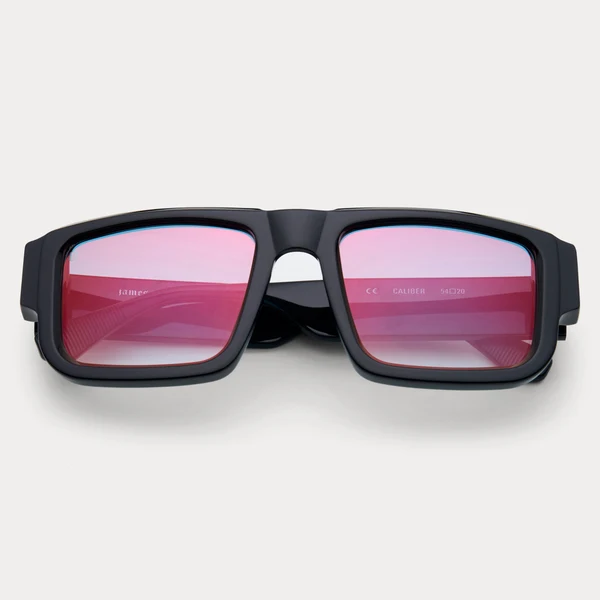
James Oro Dark Blue Flash Caliber
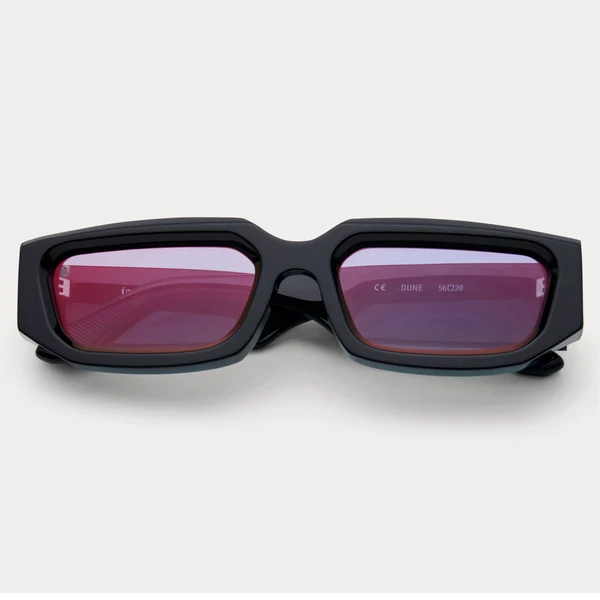
James Oro Dark Blue Flash Dune
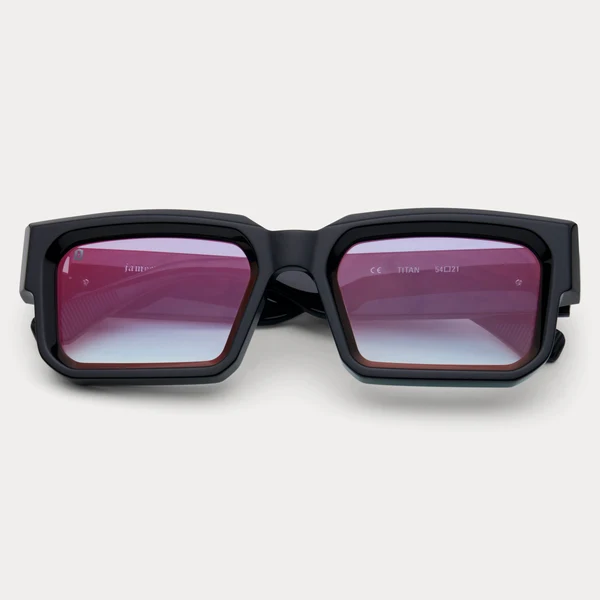
James Oro Dark Blue Flash Titan
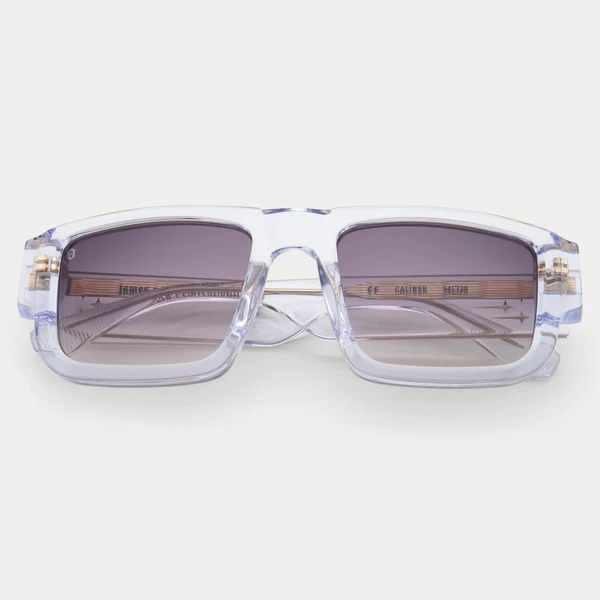
James Oro Clear Caliber
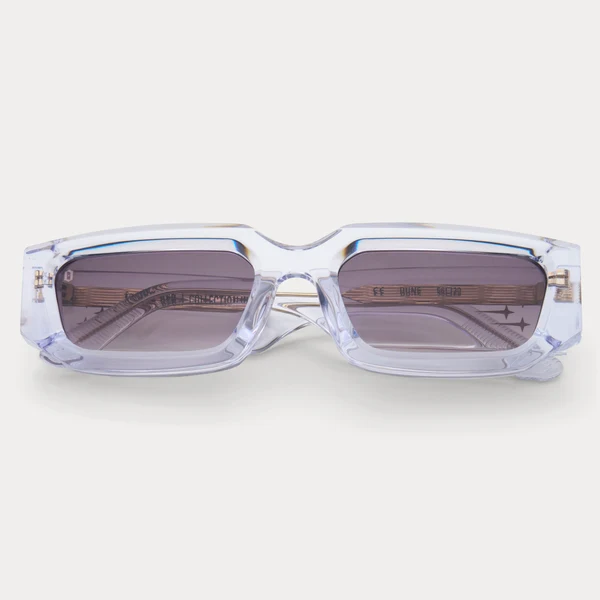
James Oro Clear Dune
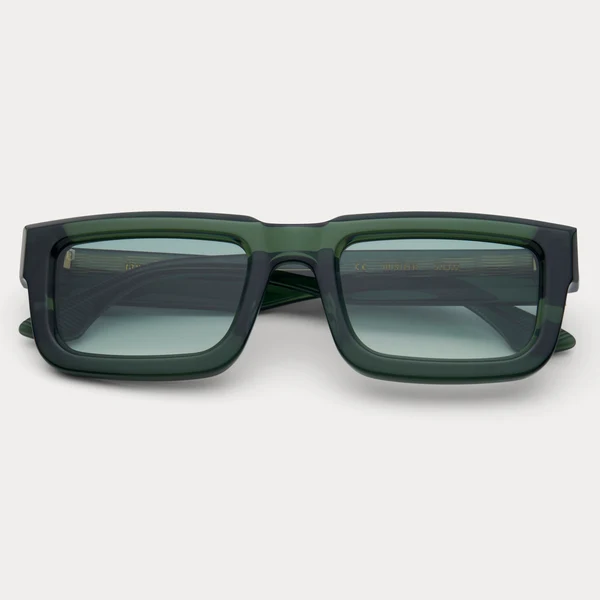
James Oro Absinthe Hustler
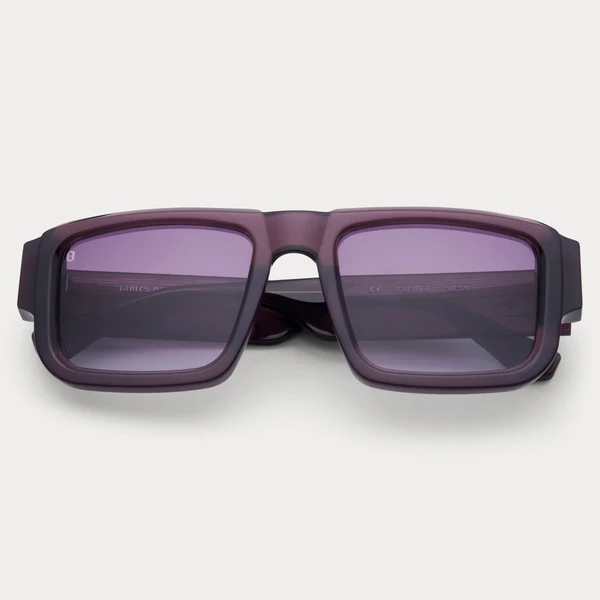
James Oro Amethyst Caliber
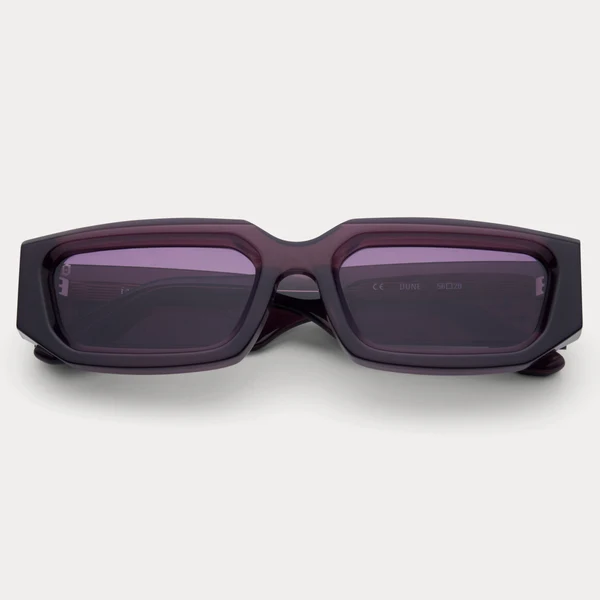
James Oro Amethyst Dune
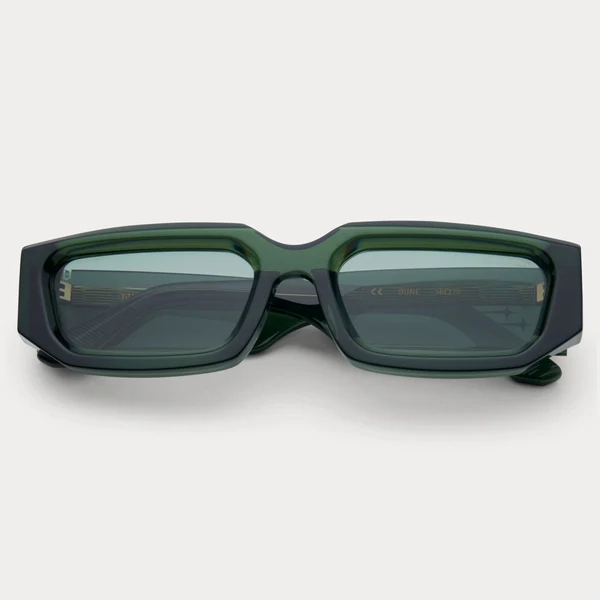
James Oro Absinthe Dune
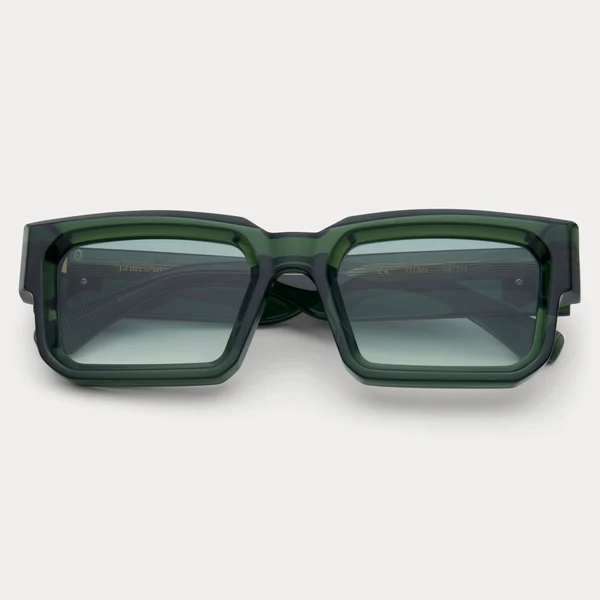
James Oro Absinthe Titan
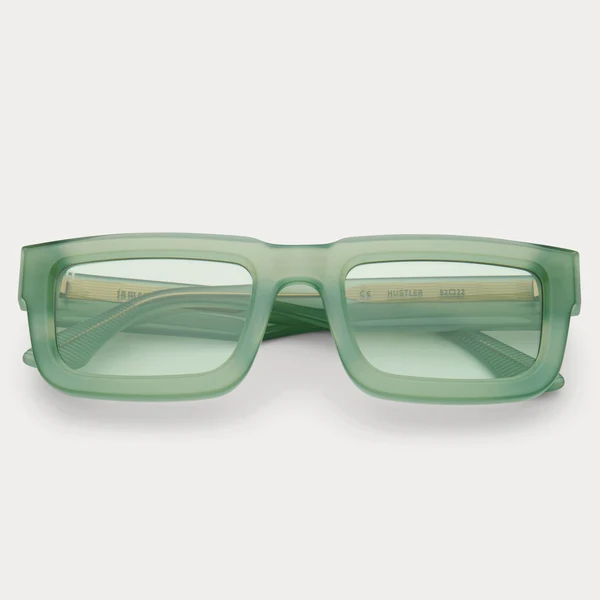
James Oro Jade Hustler
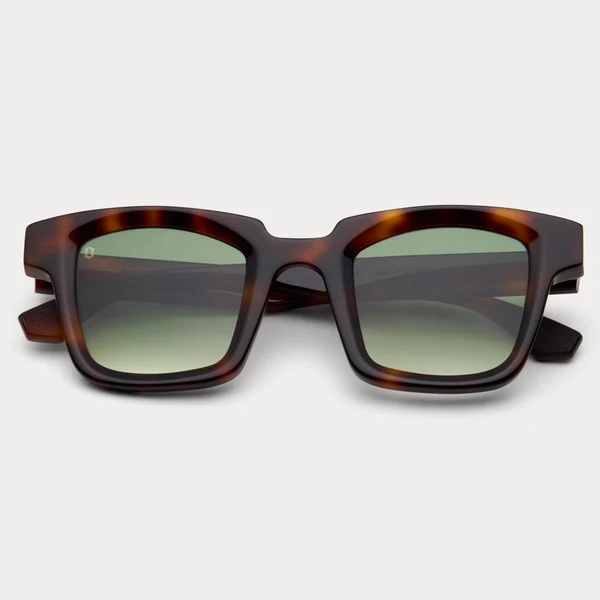
James Oro Old Money Archetype II

James Oro Emerald Archetype II

James Oro Black Archetype II
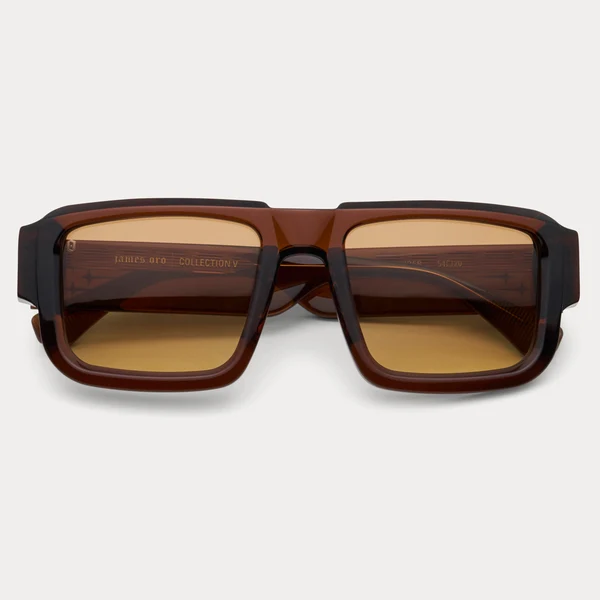
James Oro Reserve Caliber
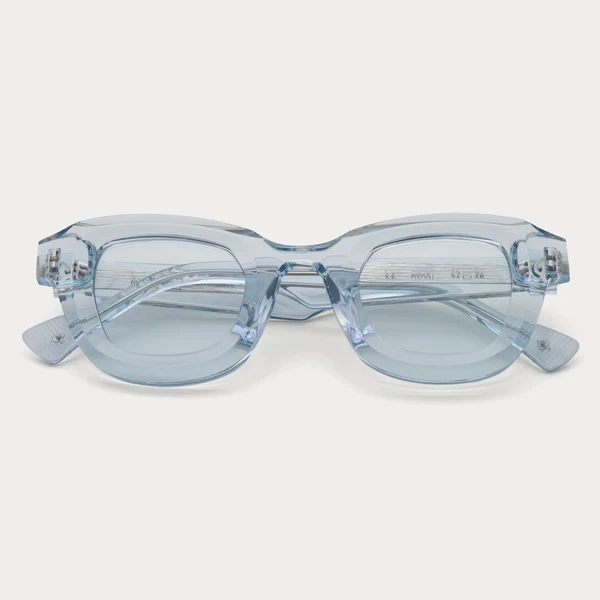
James Oro VVS | Avant
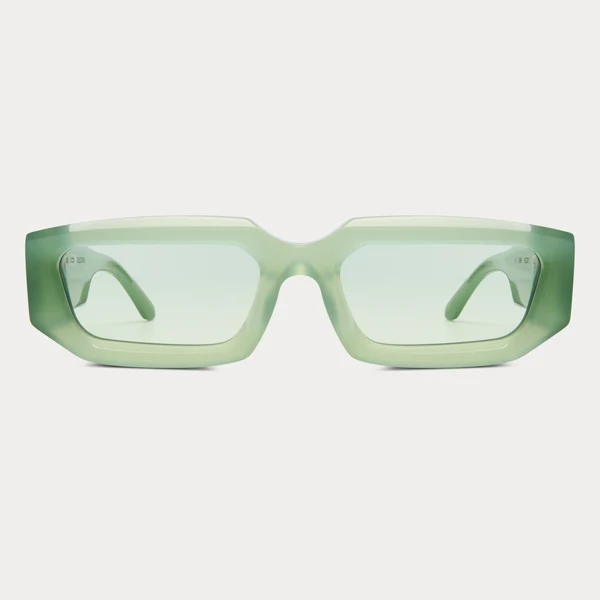
James Oro Jade Dune
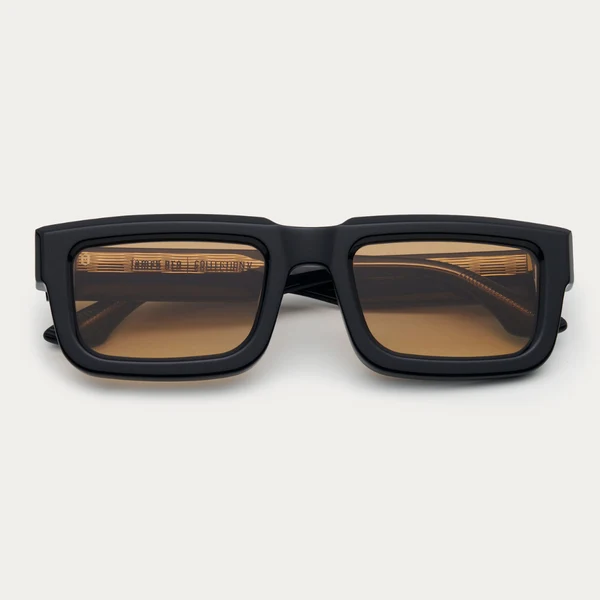
James Oro Amber Hustler
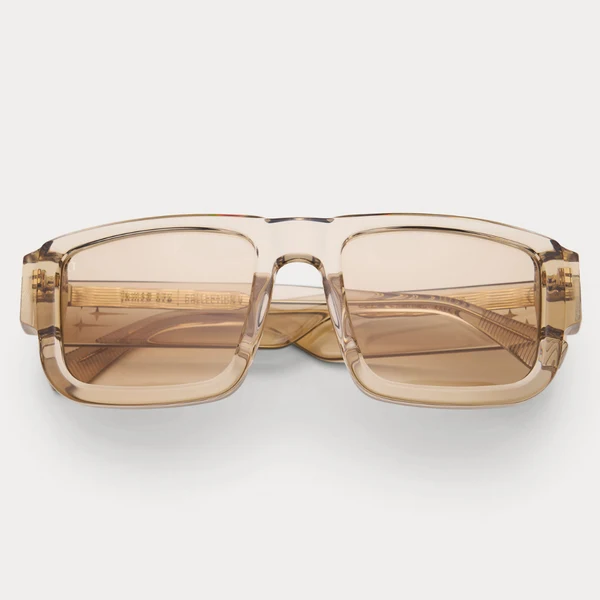
James Oro Champagne Caliber
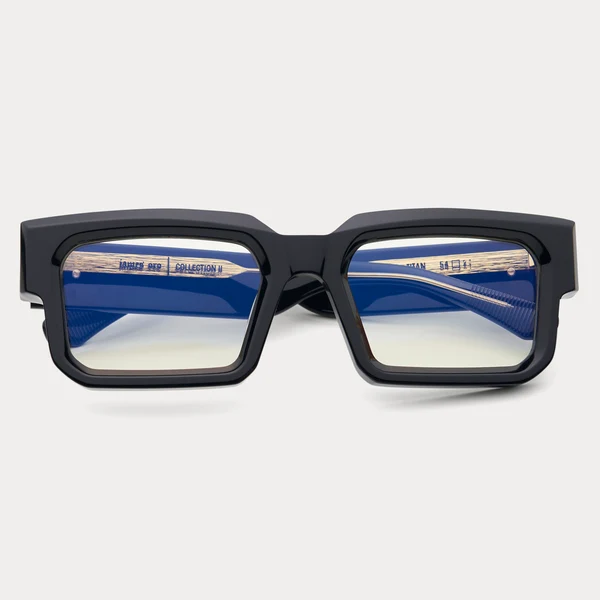
James Oro Blue Light Titan
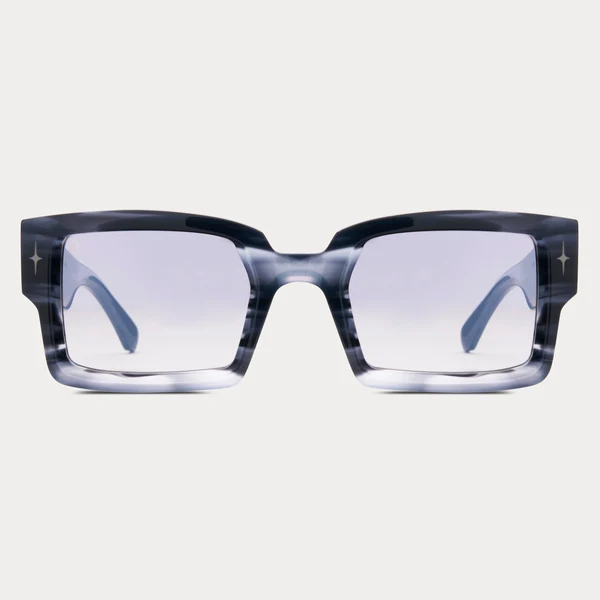
James Oro Smoke & Mirrors Icon
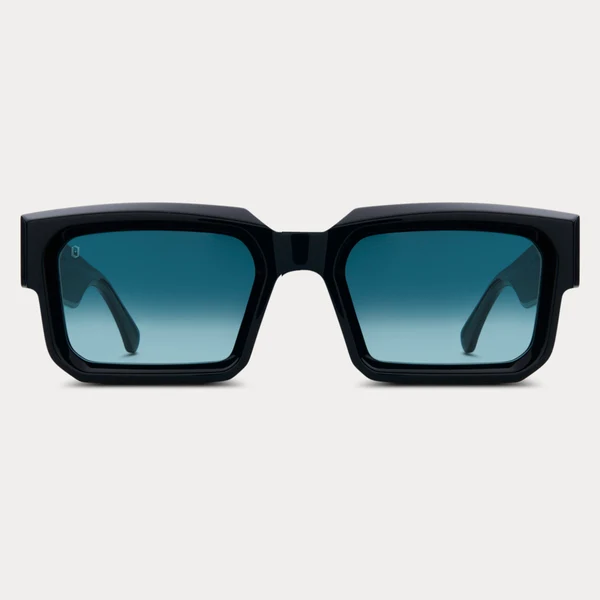
James Oro Emerald Titan
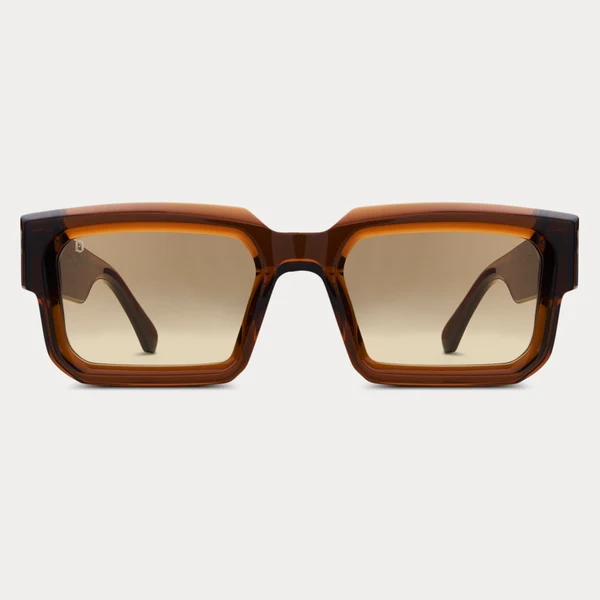
James Oro Reserve Titan
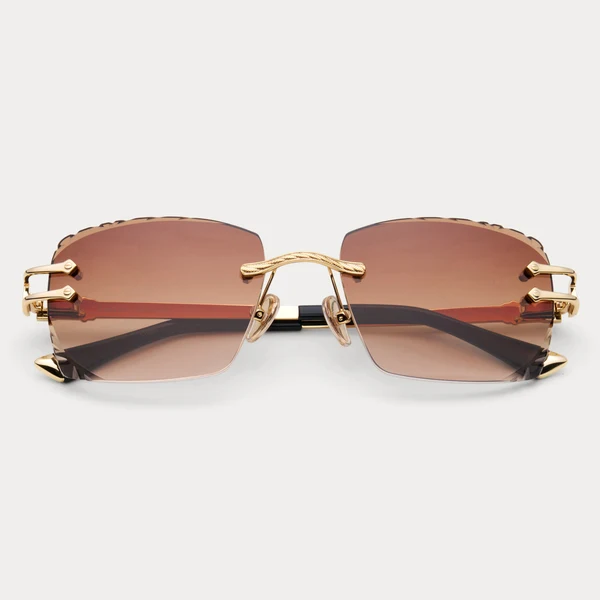
James Oro Brown Tint Grail Gem Cut
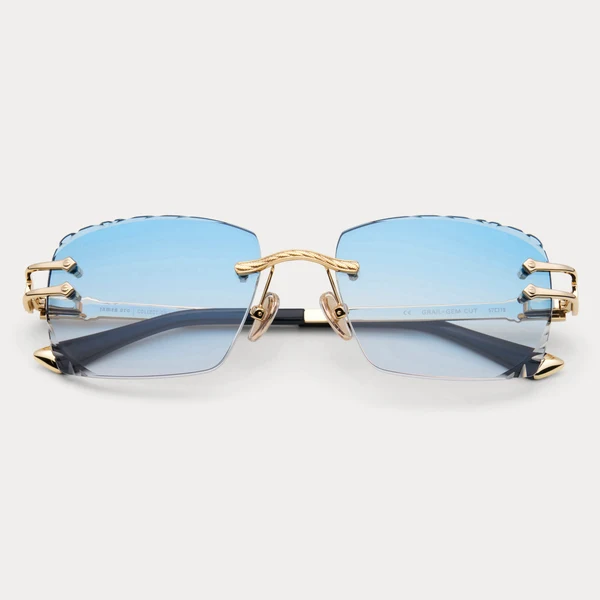
James Oro Blue Tint Grail Gem Cut
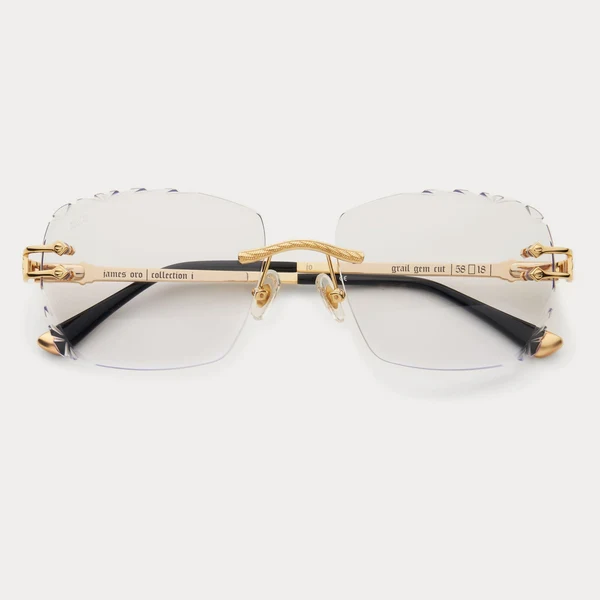
James Oro Clear Grail Gem Cut
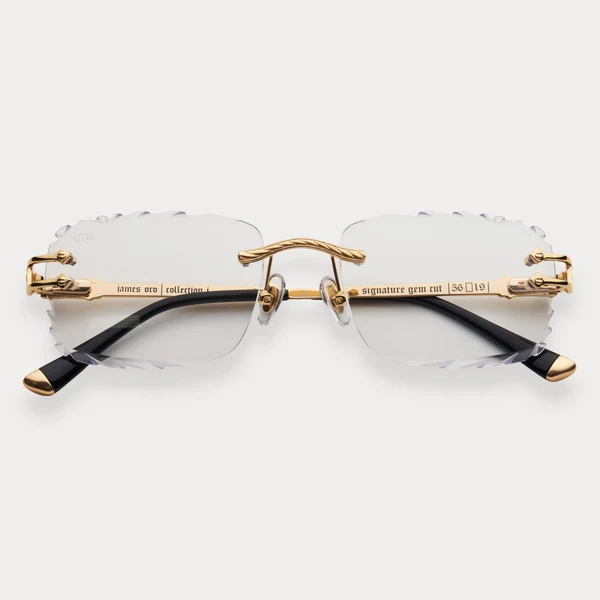
James Oro Clear Signature Gem Cut
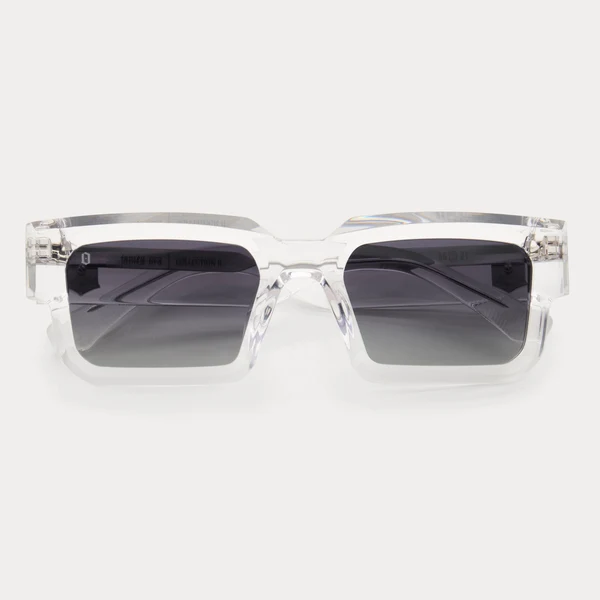
James Oro Clear Titan
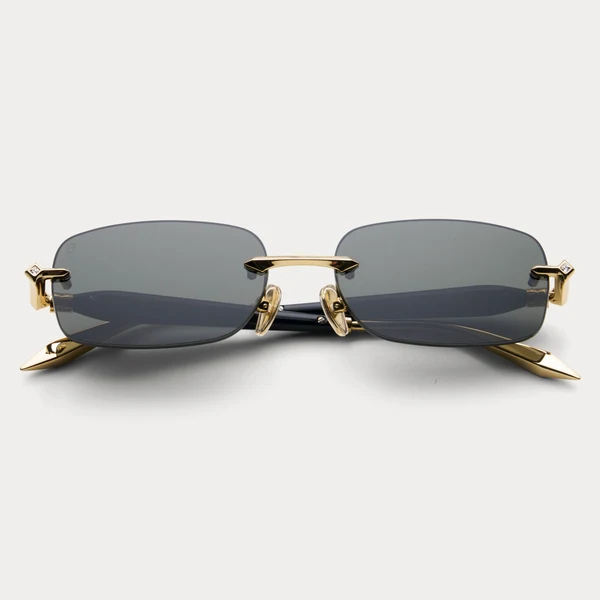
James Oro Black Tint Nova
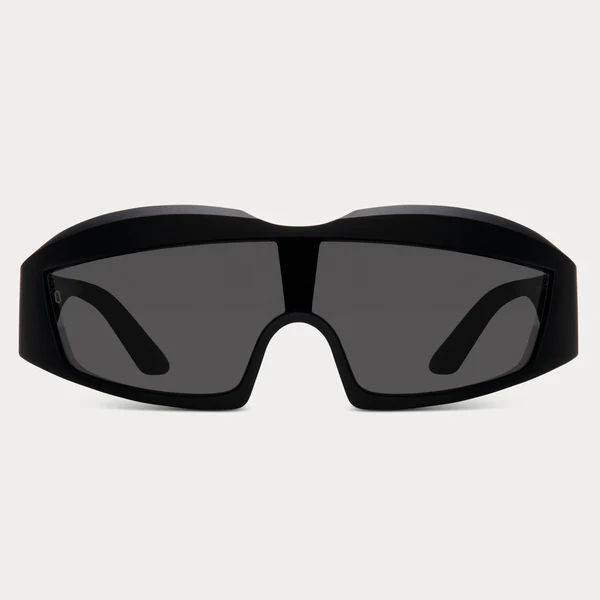
James Oro Black Brinx
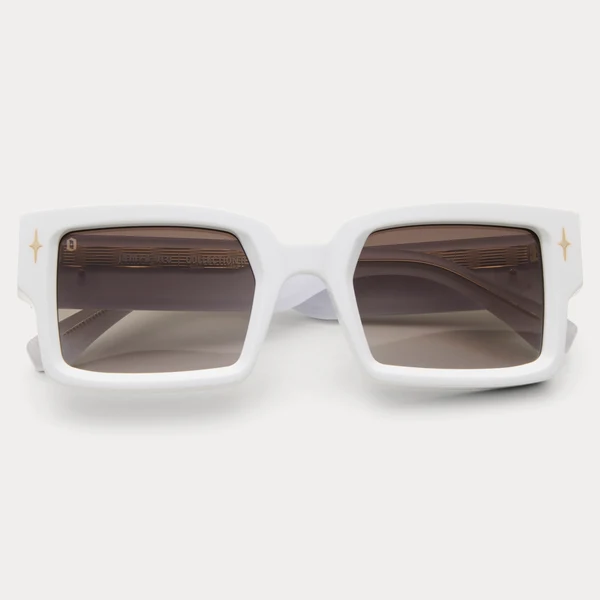
James Oro White Icon
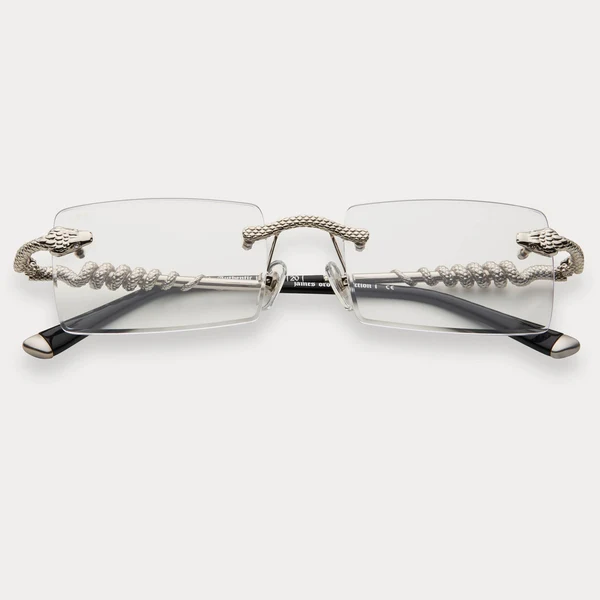
James Oro Clear Silver Serpent Authentic
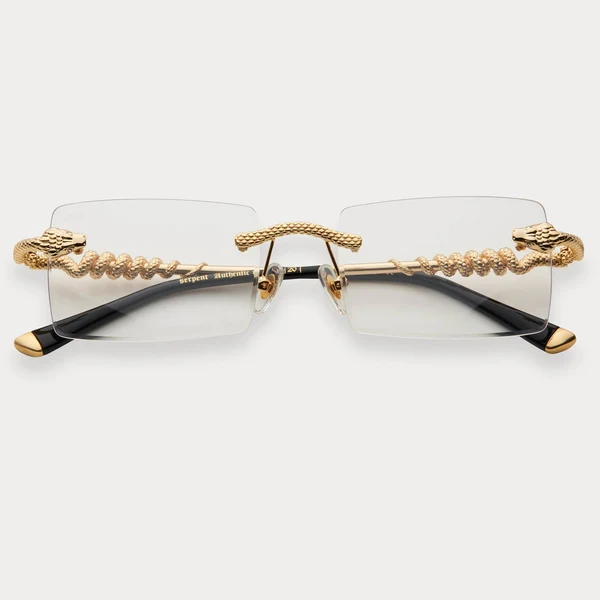
James Oro Clear Serpent Authentic
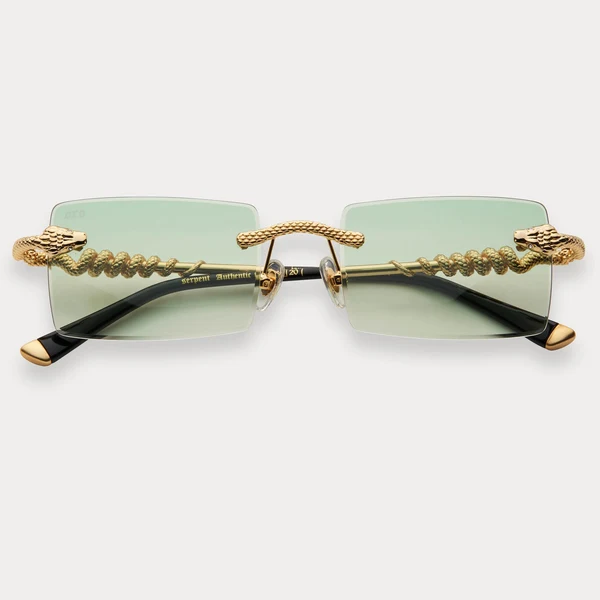
James Oro Green Tint Serpent Authentic
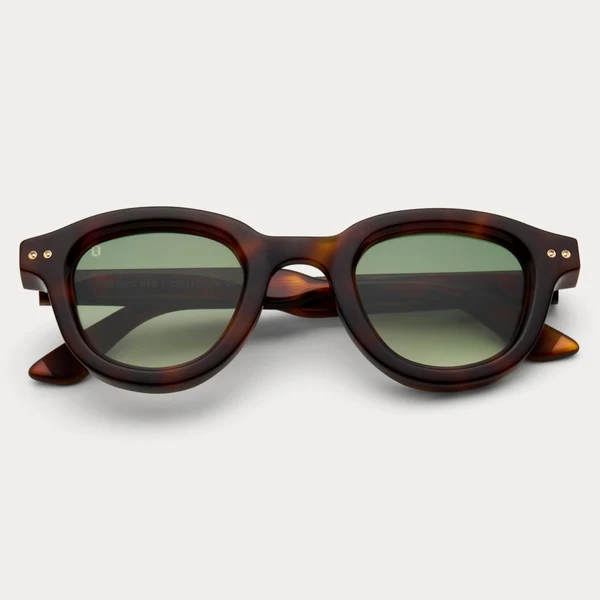
James Oro Old Money Vektor
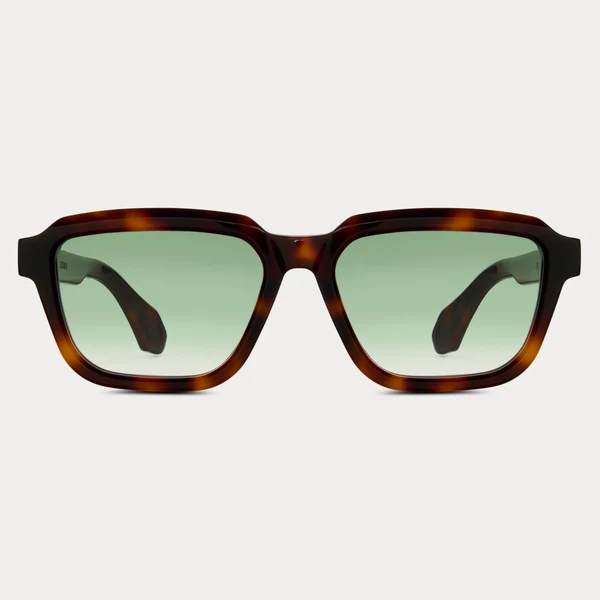
James Oro Old Money Marshall
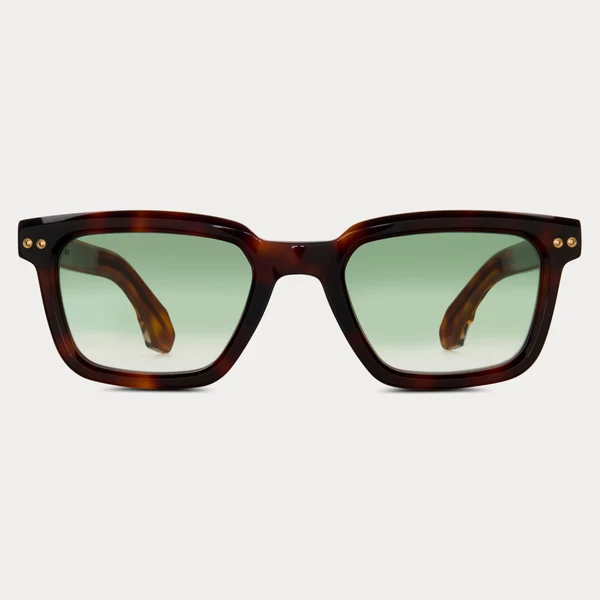
James Oro Old Money Agent
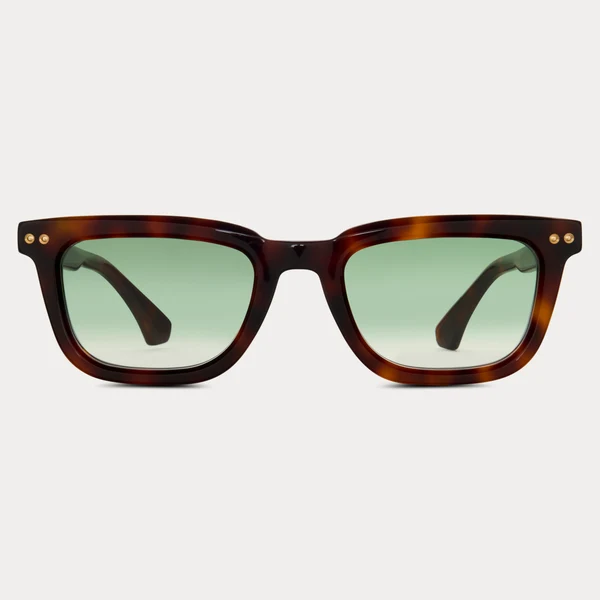
James Oro Old Money Spectre
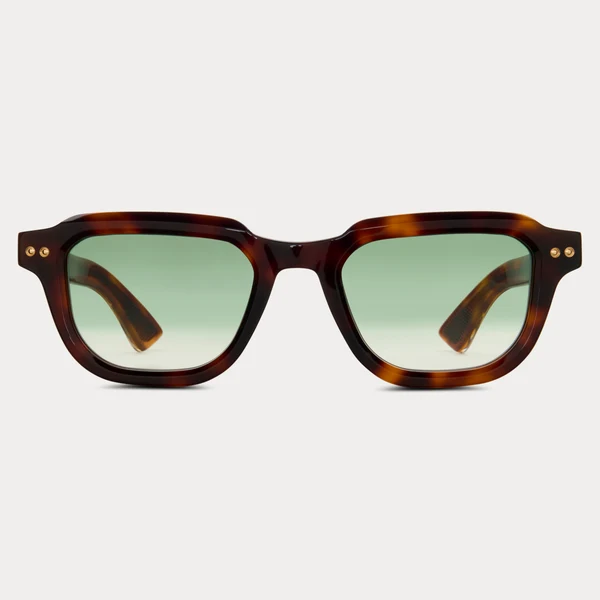
James Oro Old Money Cipher
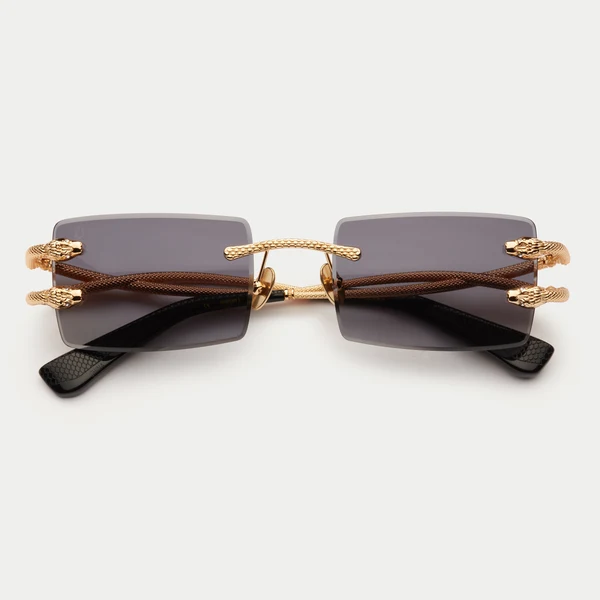
James Oro Black Tint Serpent II
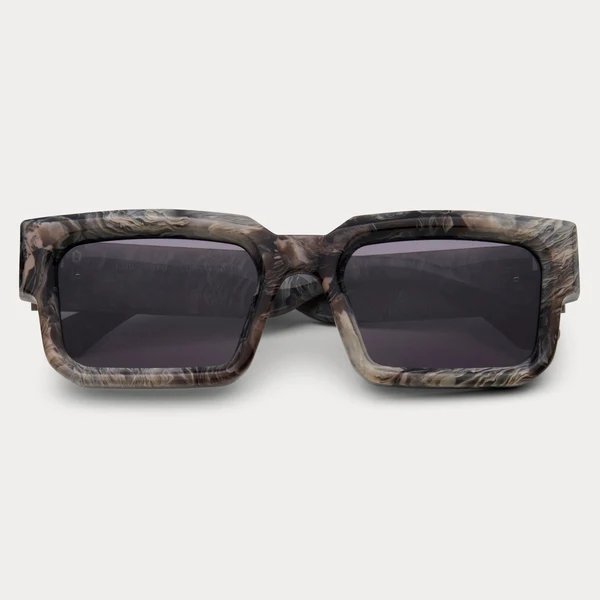
James Oro Granite Titan
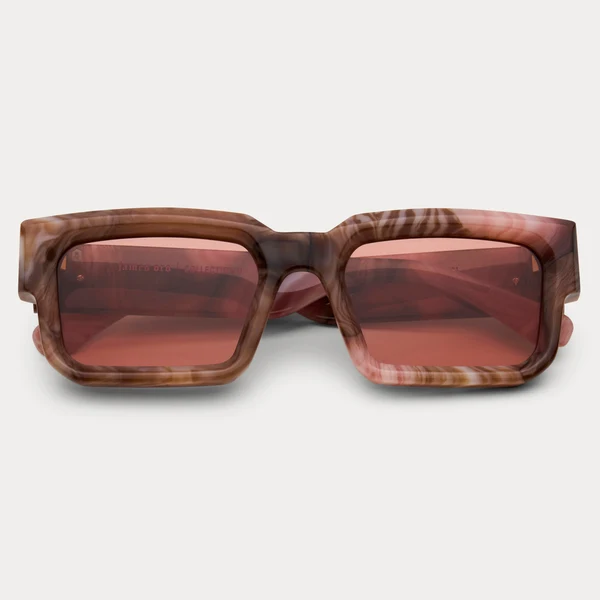
James Oro Rose Quartz Titan
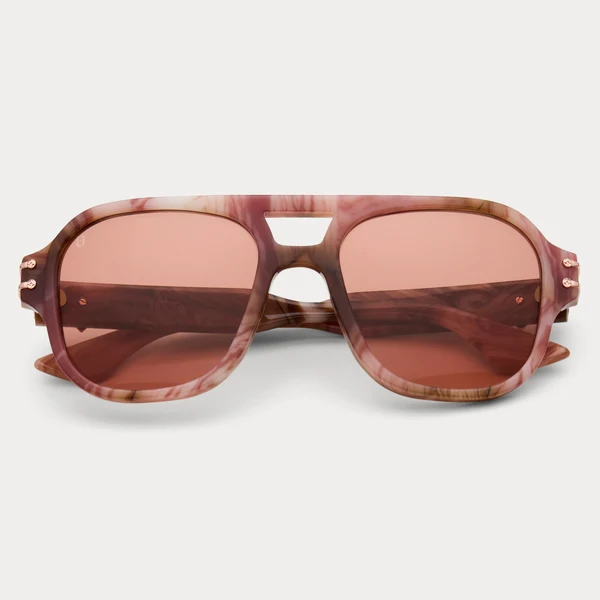
James Oro Rose Quartz Horizon
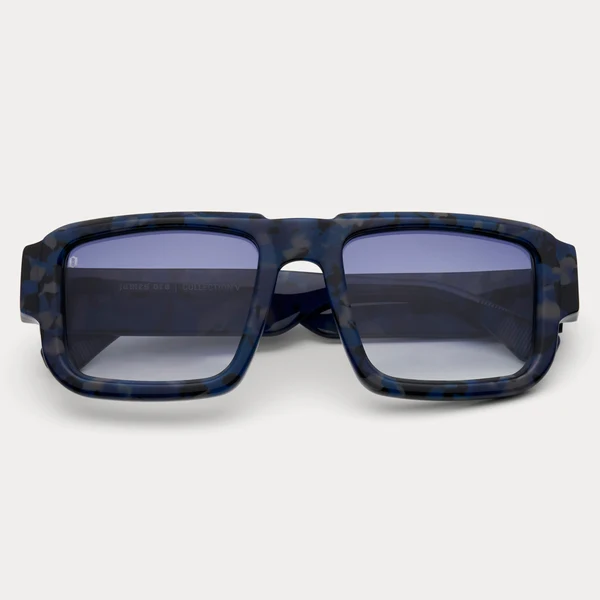
James Oro Mariner Caliber
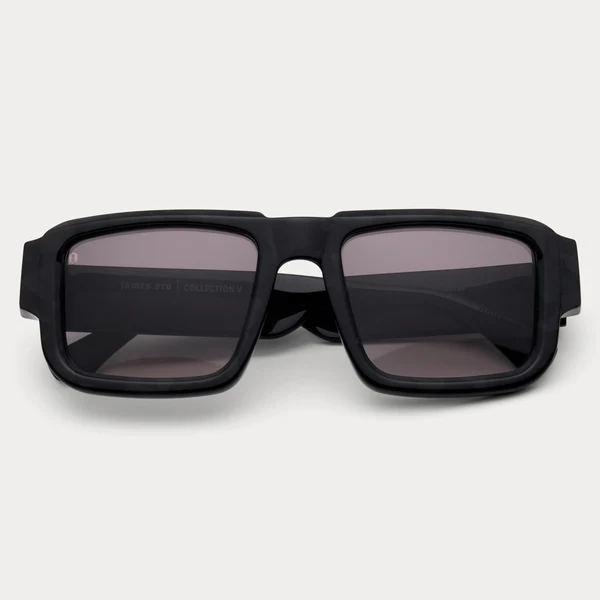
James Oro Recon Caliber
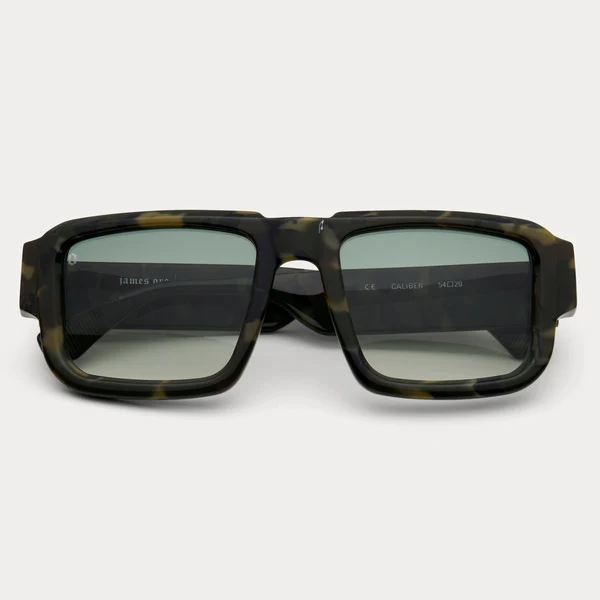
James Oro Ranger Caliber
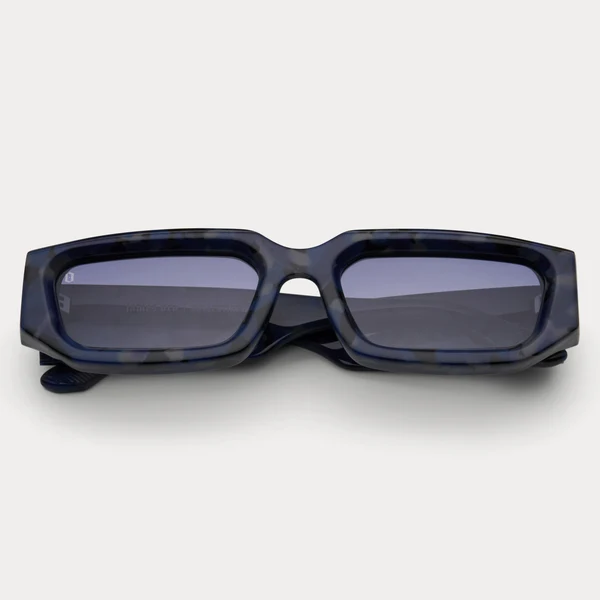
James Oro Mariner Dune
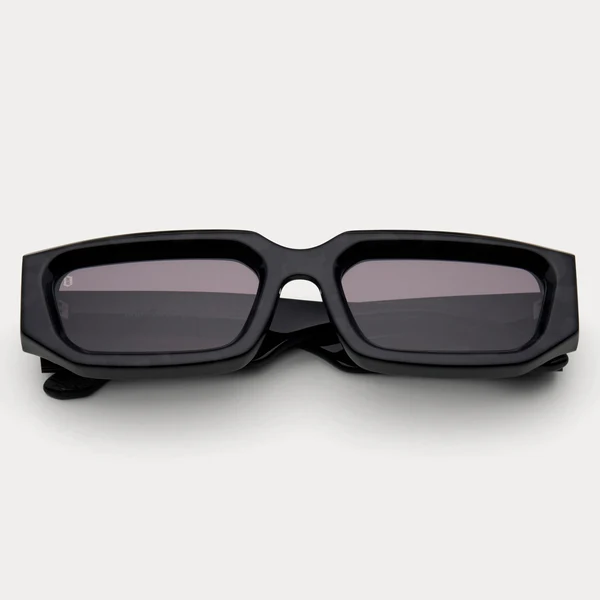
James Oro Recon Dune
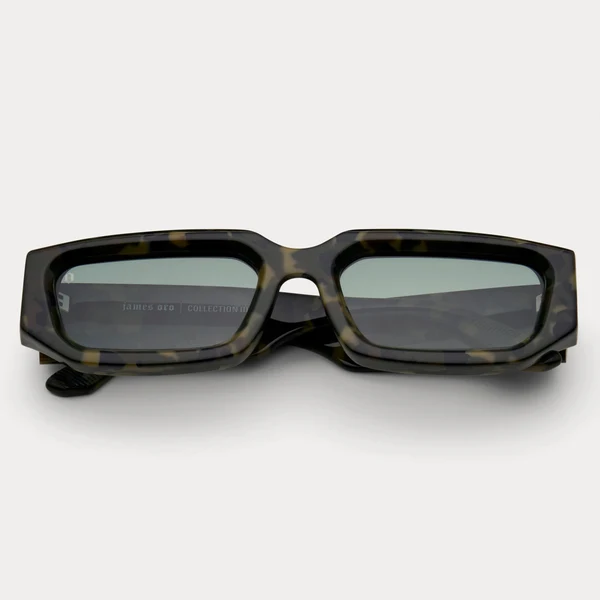
James Oro Ranger Dune
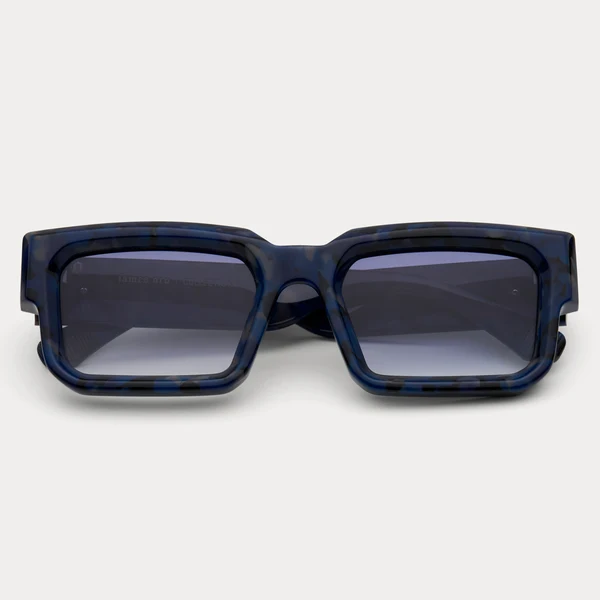
James Oro Mariner Titan
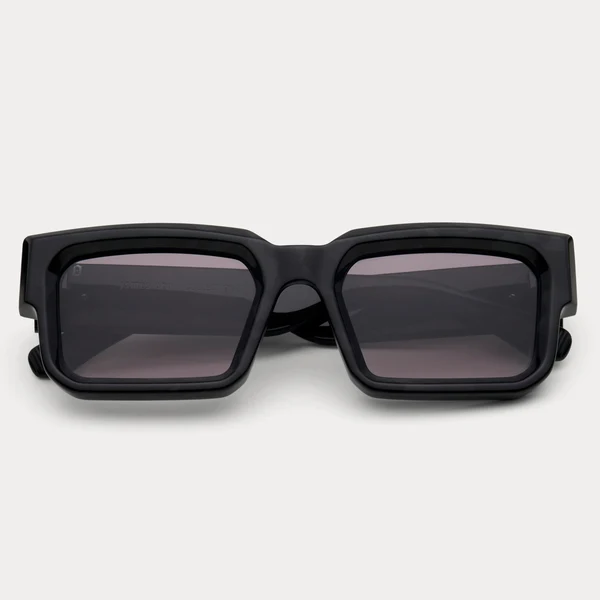
James Oro Recon Titan
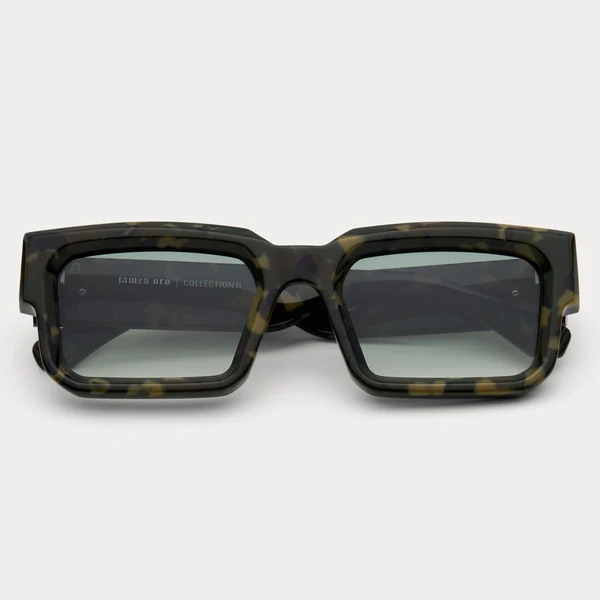
James Oro Ranger Titan
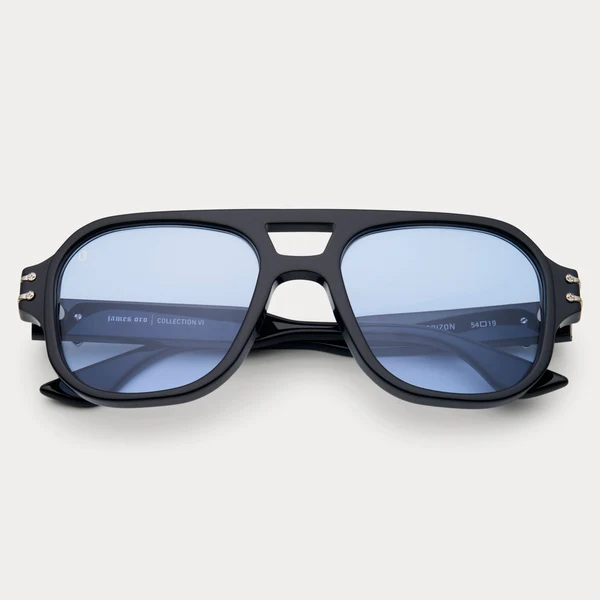
James Oro Blue Tint Black Horizon
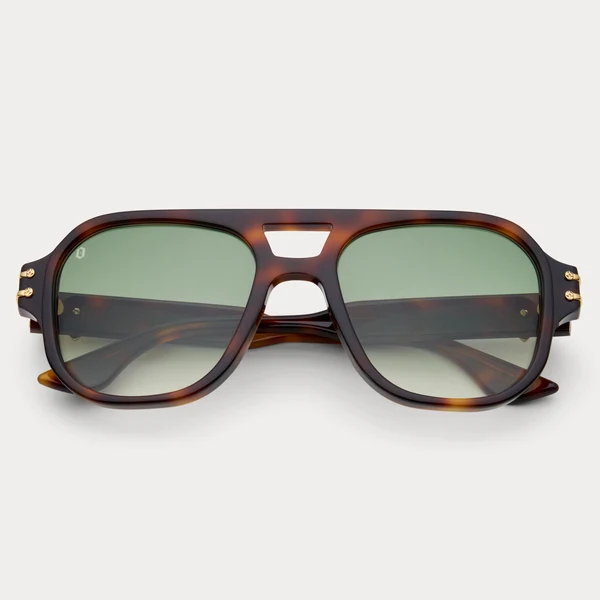
James Oro Old Money Horizon
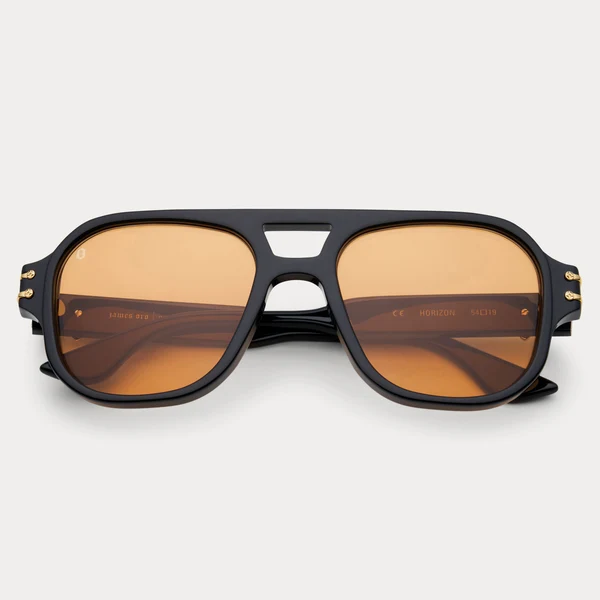
James Oro Sienna Horizon
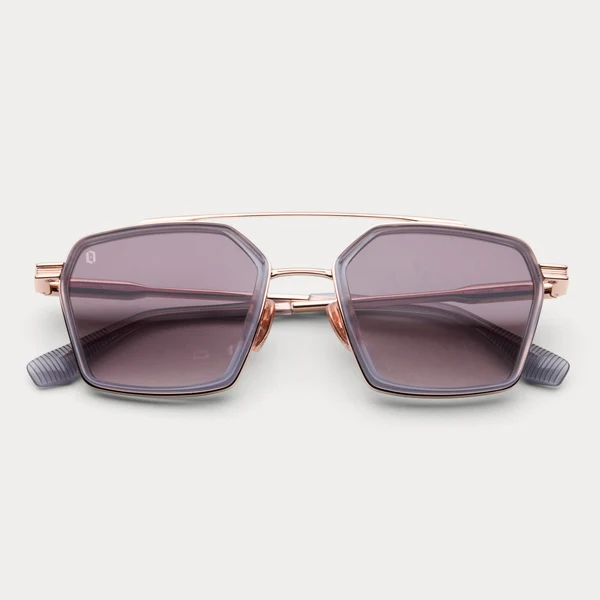
James Oro Rose Gold Cruise
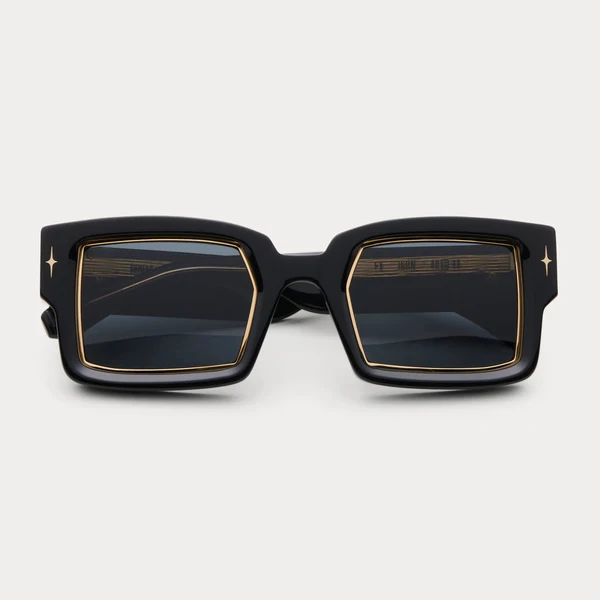
James Oro Black Midas Icon
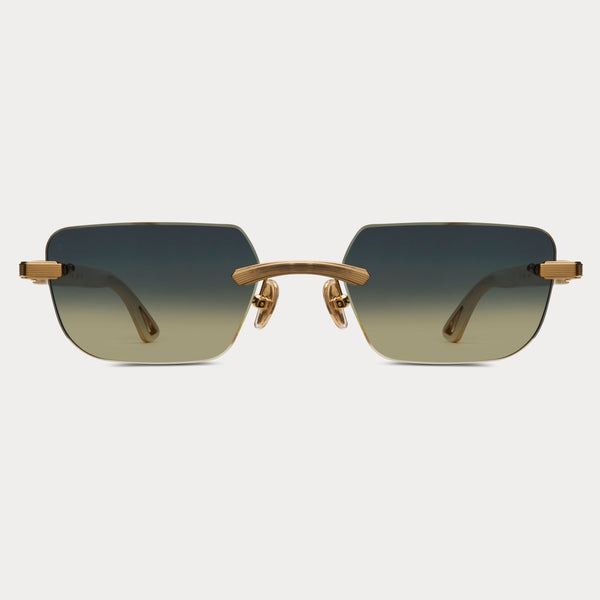
James Oro Chartreuse Rare Blanc Duke
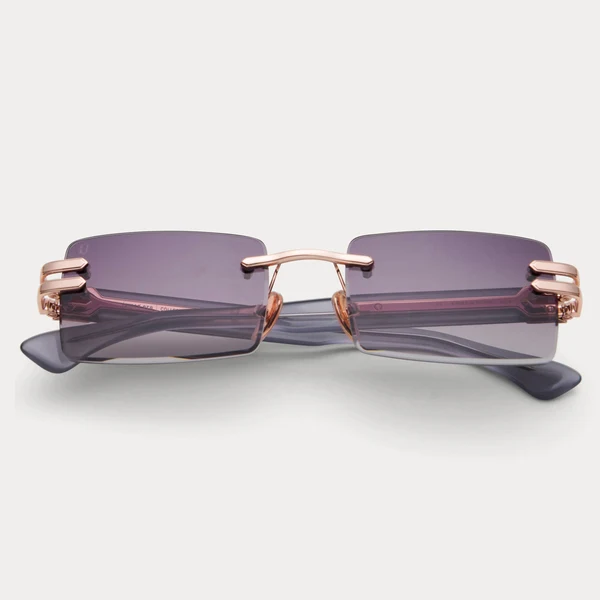
James Oro Rose Smoke Baron
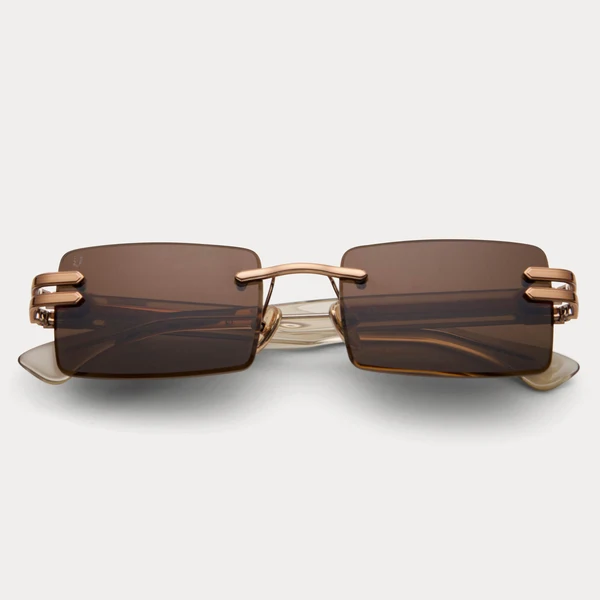
James Oro Espresso Baron
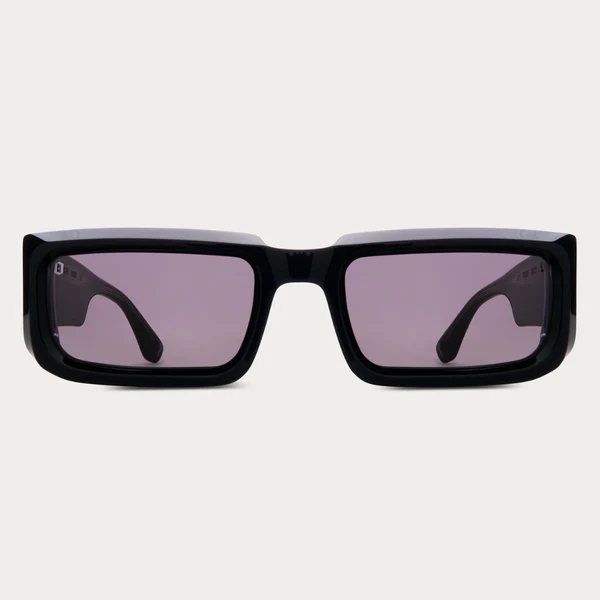
James Oro Black Torque
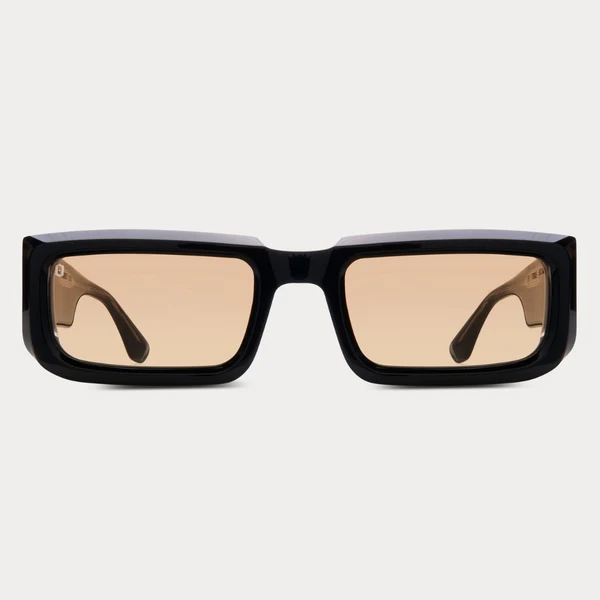
James Oro Amber Torque
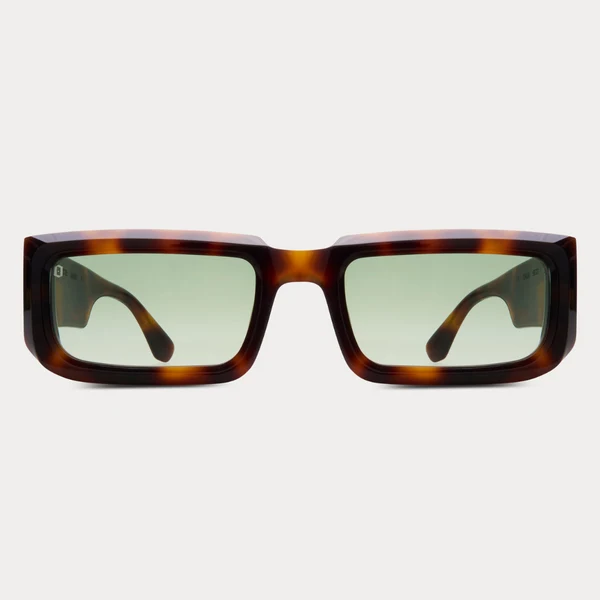
James Oro Old Money Torque
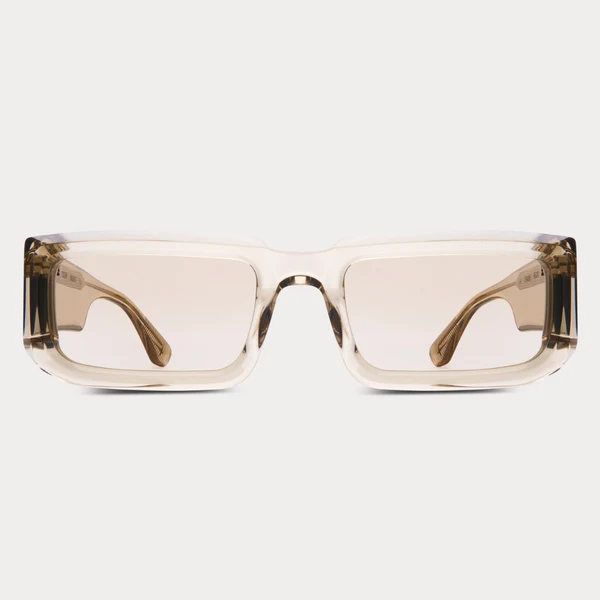
James Oro Champagne Torque
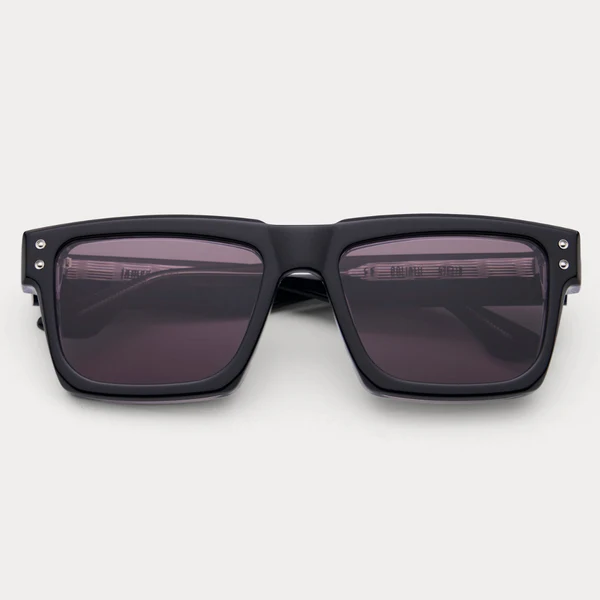
James Oro Black Atlas
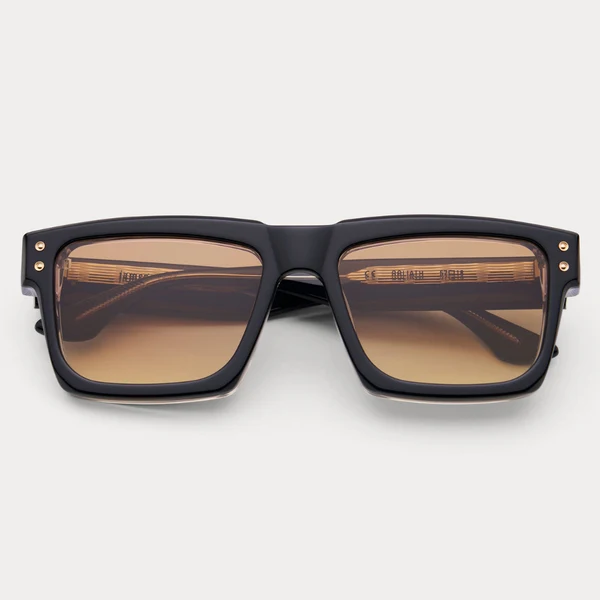
James Oro Amber Atlas
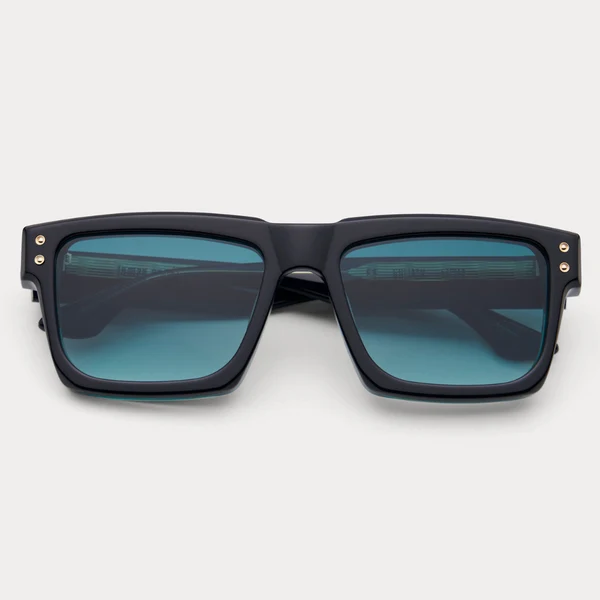
James Oro Emerald Atlas
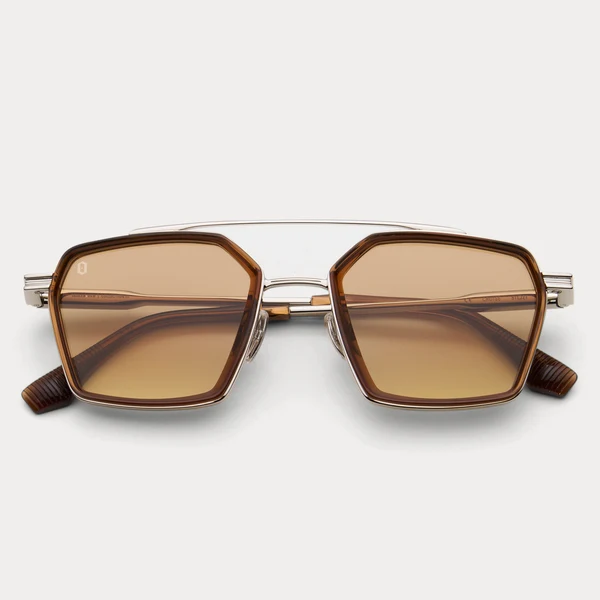
James Oro Cognac Fade Cruise
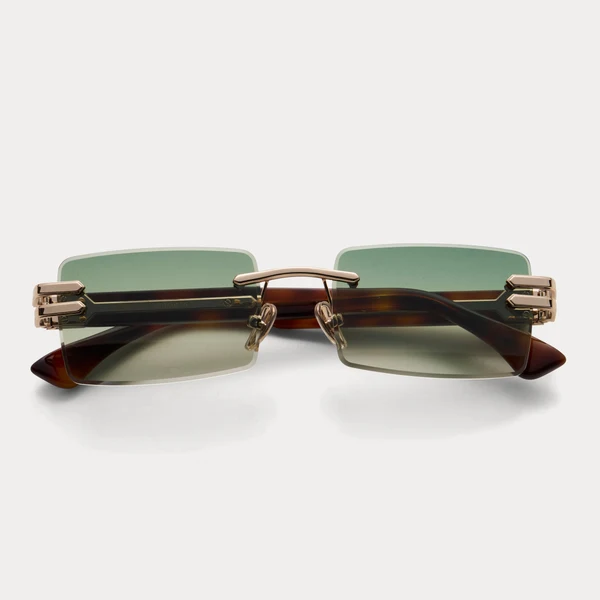
James Oro Old Money Baron
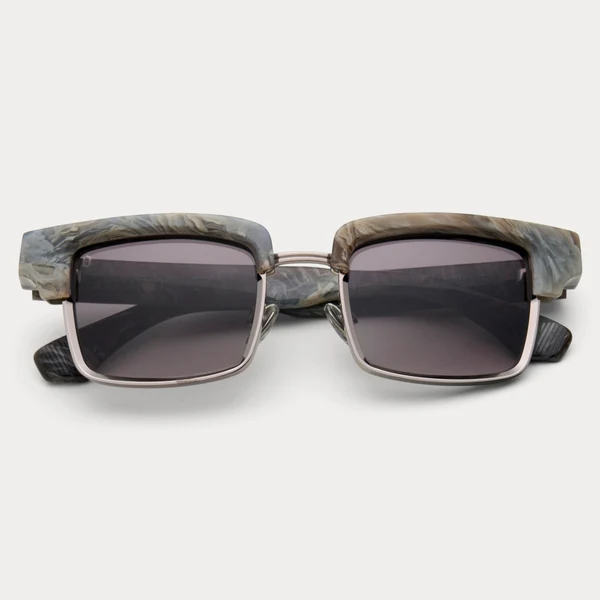
James Oro Granite Navigator
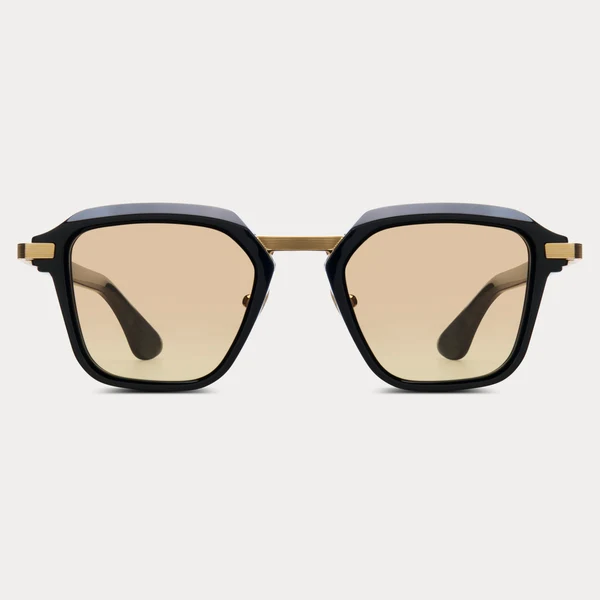
James Oro Amber Savant
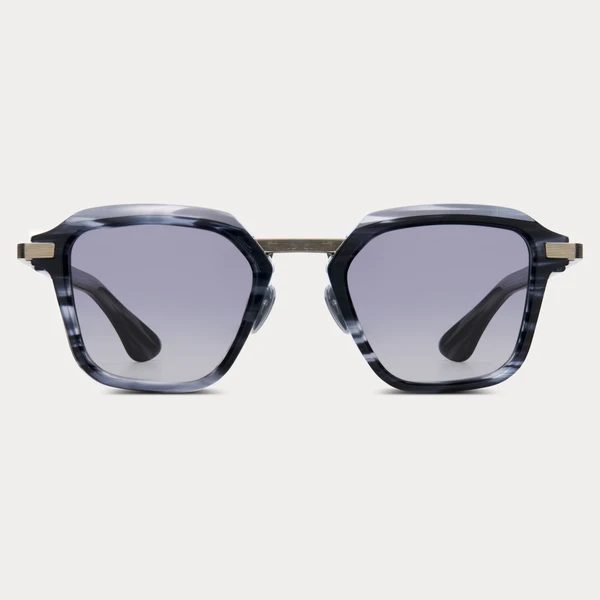
James Oro Haze Savant
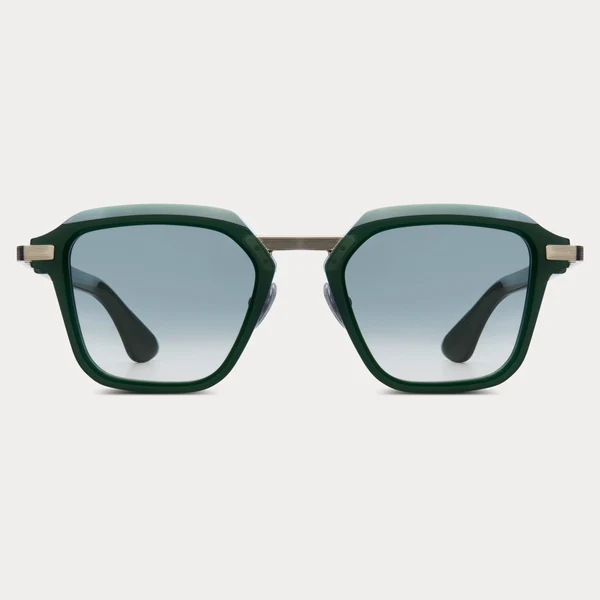
James Oro Forrest Savant
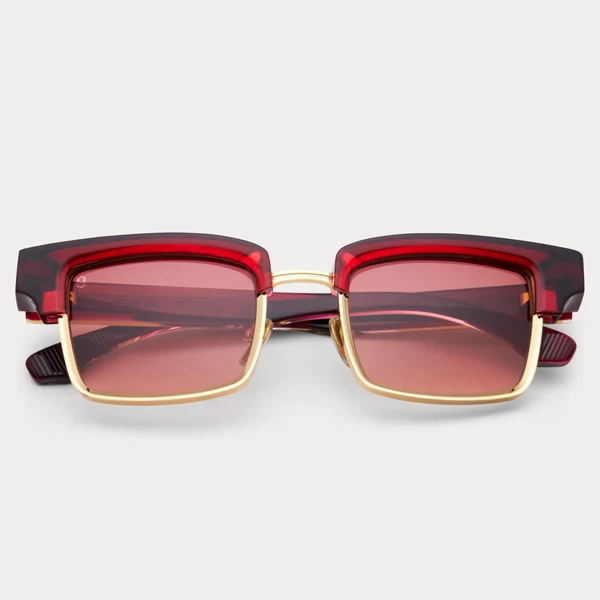
James Oro Reserve Bordeaux Navigator
James Oro Reaper Baron Authentic XL
James Oro Iced Black Tint Authentic XL
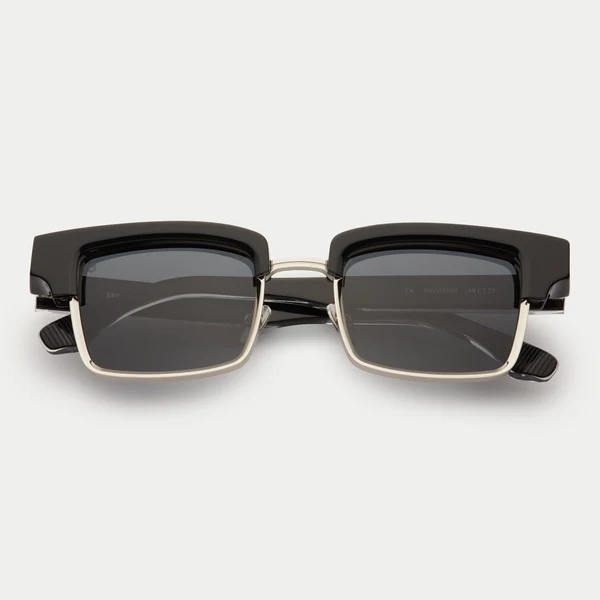
James Oro Black Silver Navigator
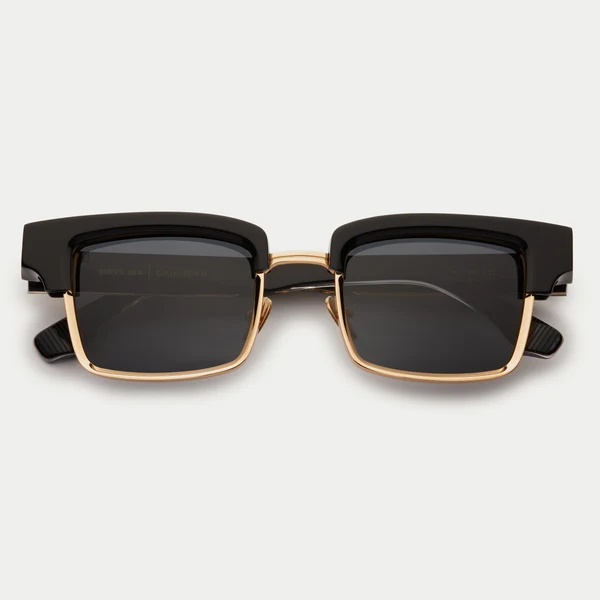
James Oro Black Navigator
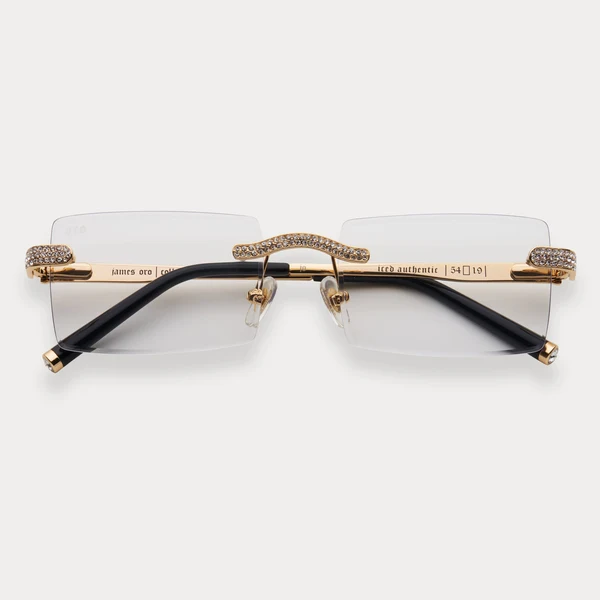
James Oro Iced Clear Authentic
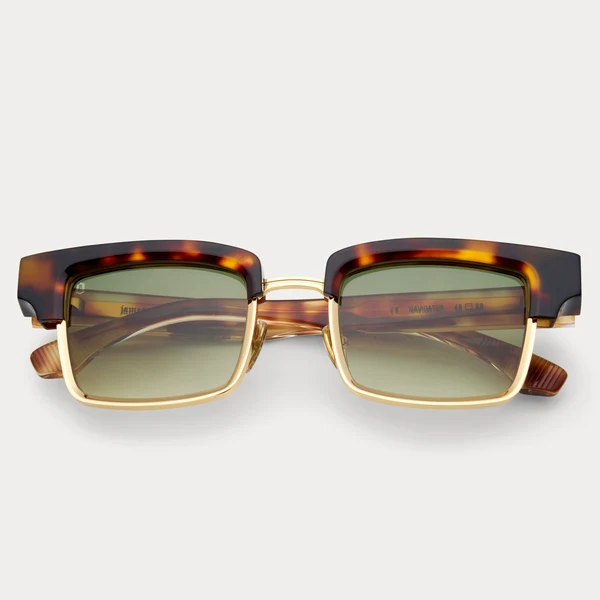
James Oro Old Money Navigator
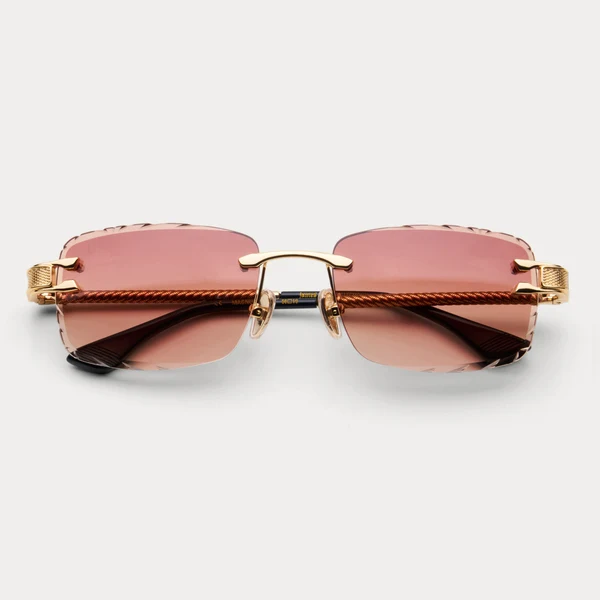
James Oro Magnus Brown Tint Signature Gem Cut
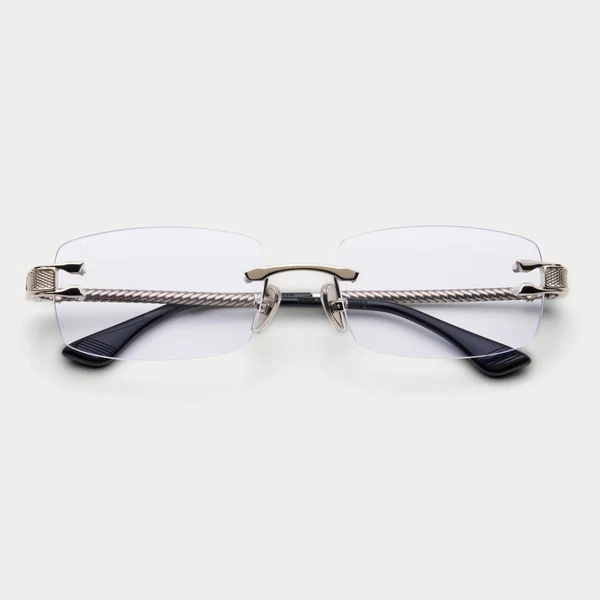
James Oro Clear Silver Magnus
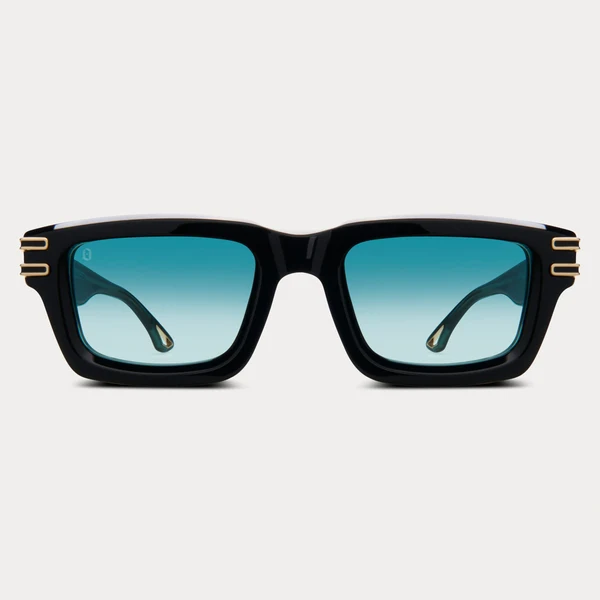
James Oro Emerald Defender
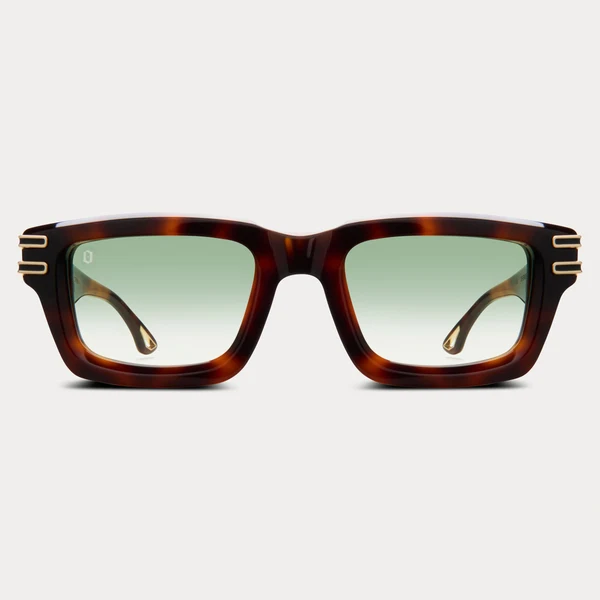
James Oro Old Money Defender
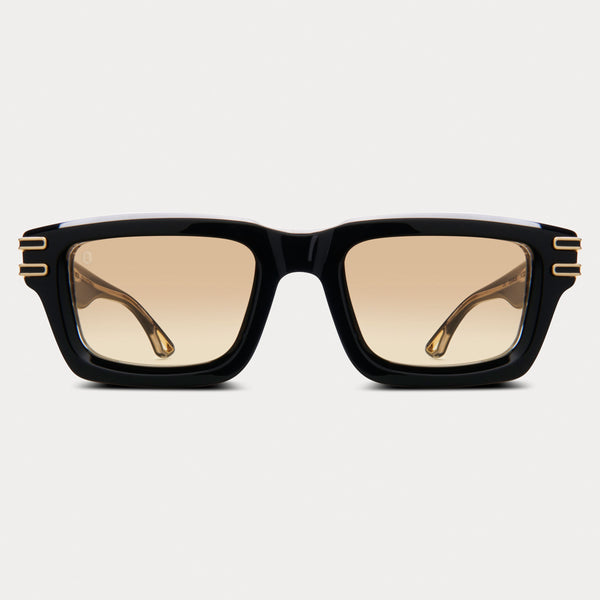
James Oro Amber Defender
James Oro Iced Black Tint Silver Authentic XL
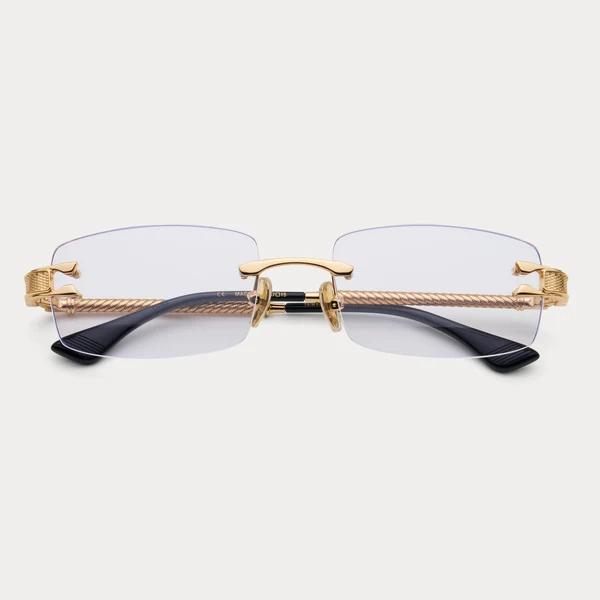
James Oro Clear Magnus
James Oro Iced Clear Authentic XL
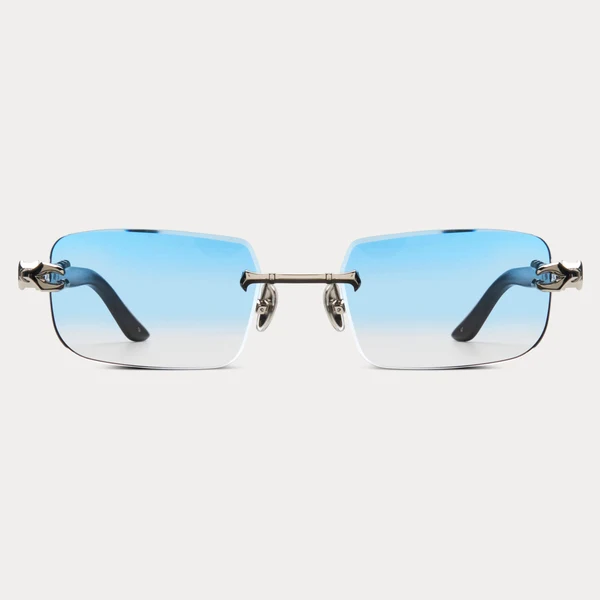
James Oro Blue Tint Silver Hydra
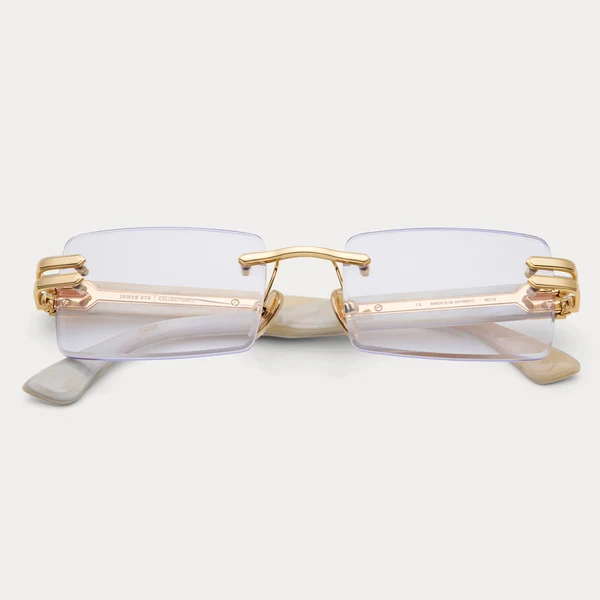
James Oro Clear Rare Blanc Baron
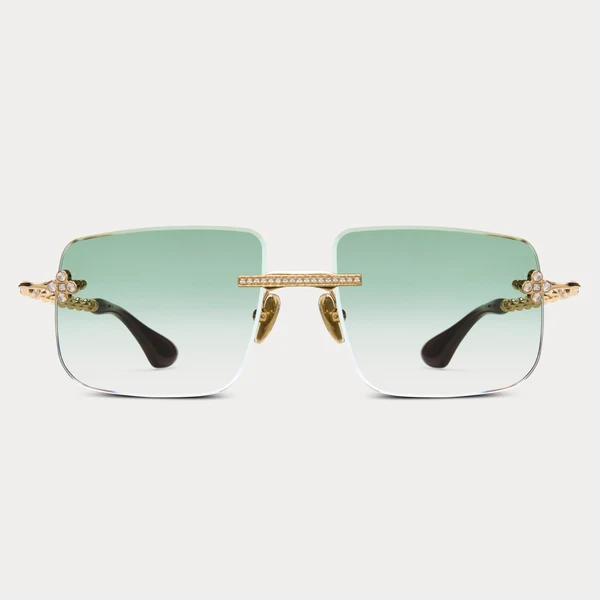
James Oro Old Money Fortune
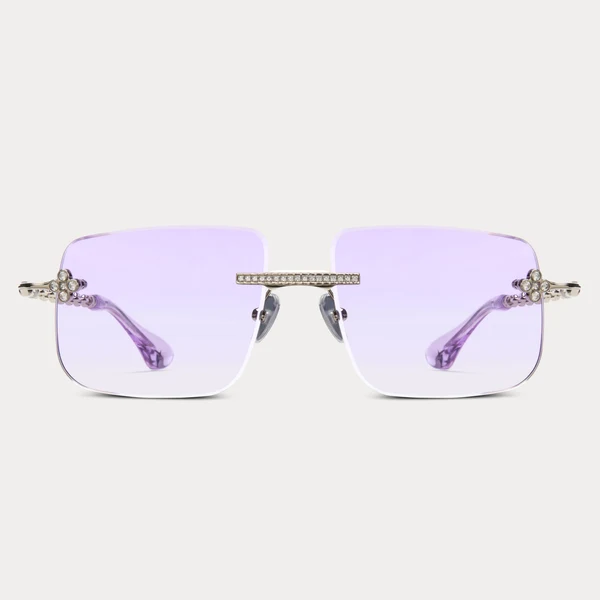
James Oro Lavender Silver Fortune
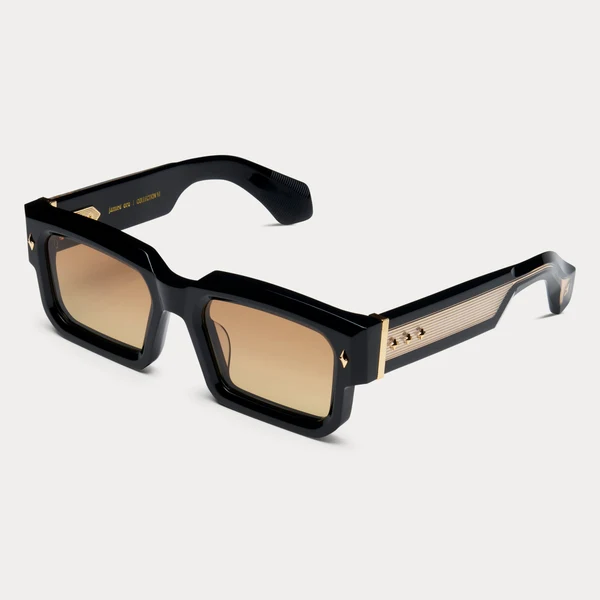
James Oro Amber Legacy Titan
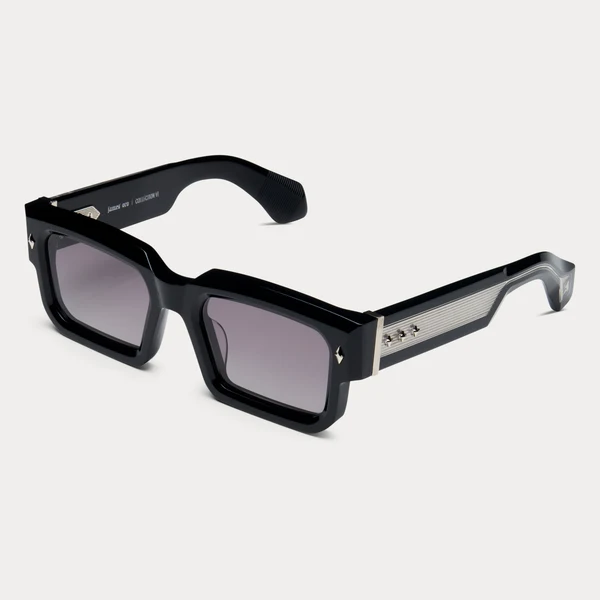
James Oro Silver Standard Legacy Titan
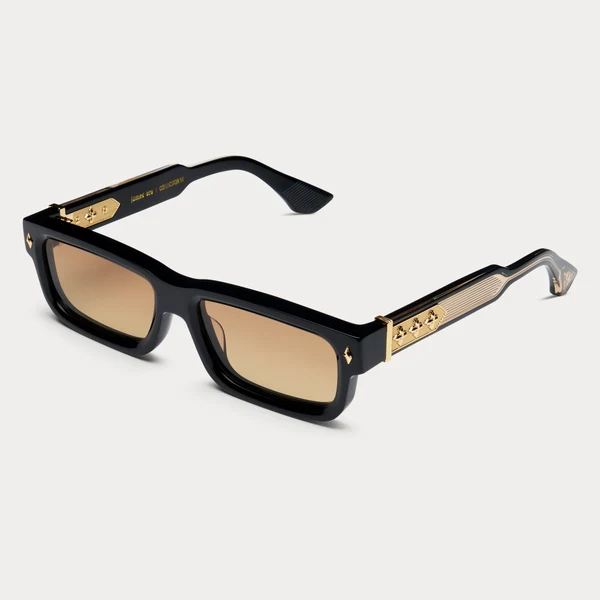
James Oro Amber Cruzer
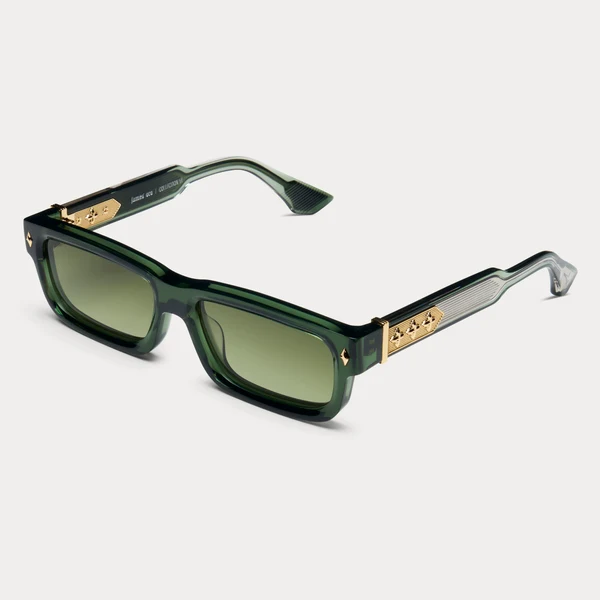
James Oro Absinthe Cruzer
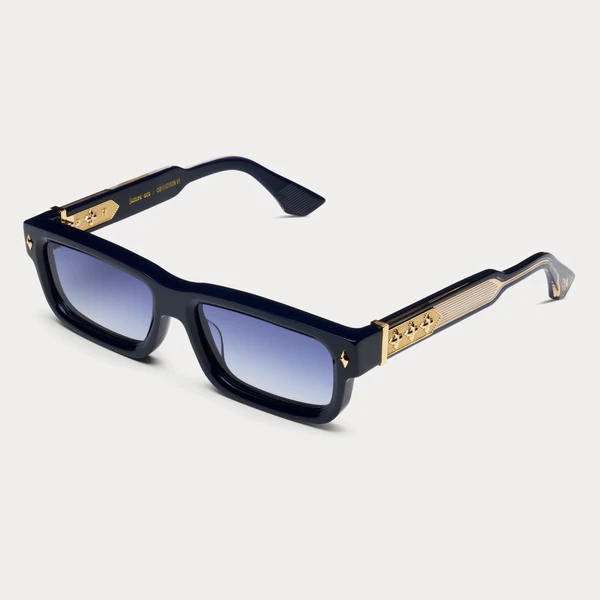
James Oro Deep Marine Cruzer
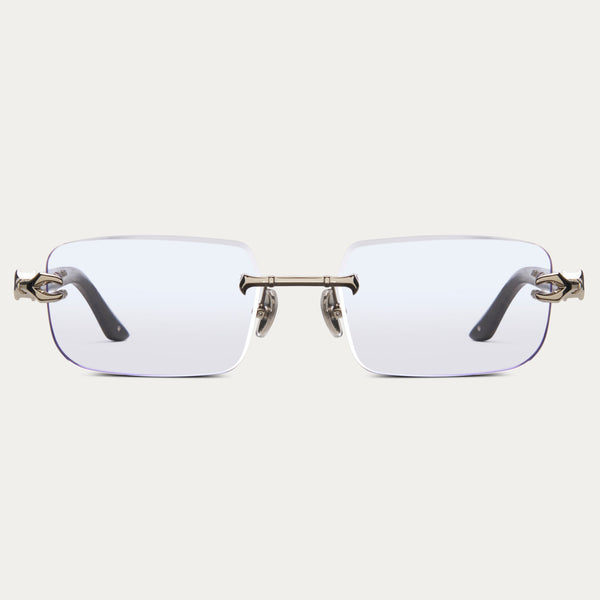
James Oro Clear Silver Hydra
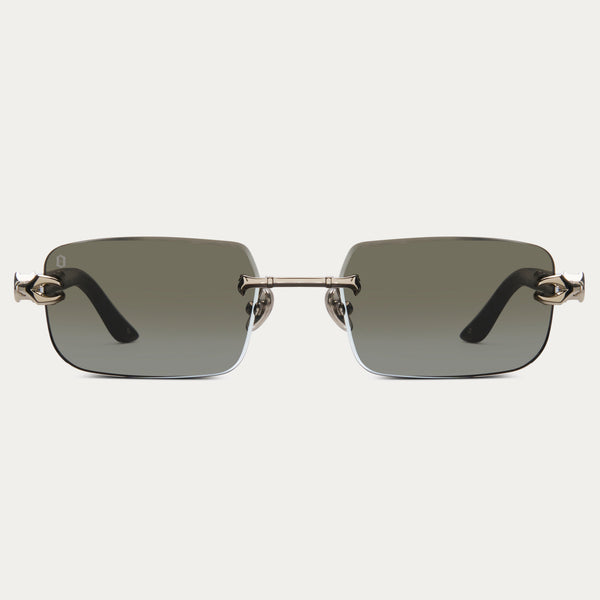
James Oro Black Tint Silver Hydra
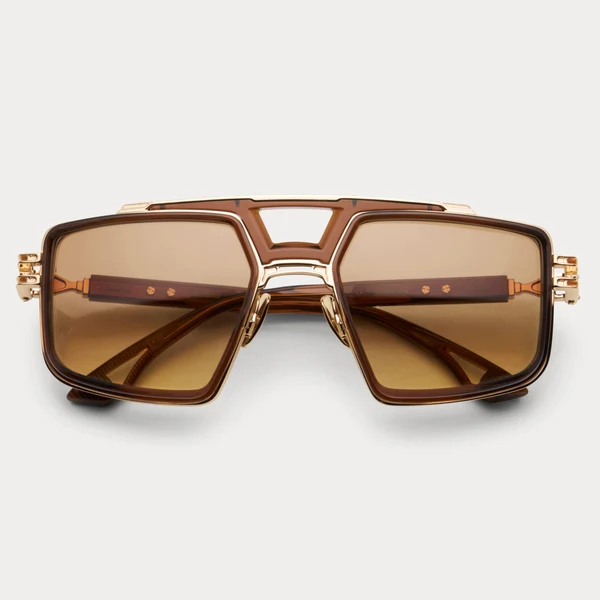
James Oro Reserve Skymaster
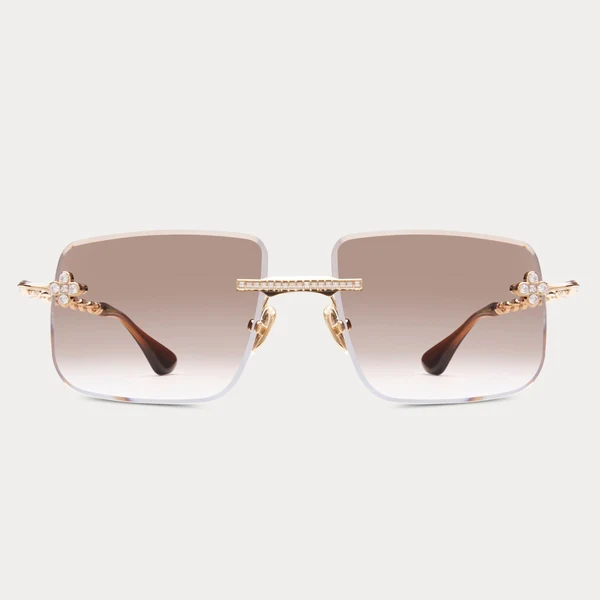
James Oro Brown Tint Fortune
James Oro Black Tint Fortune
James Oro Clear Fortune
James Oro Clear Confidante
James Oro Clear Consigliere
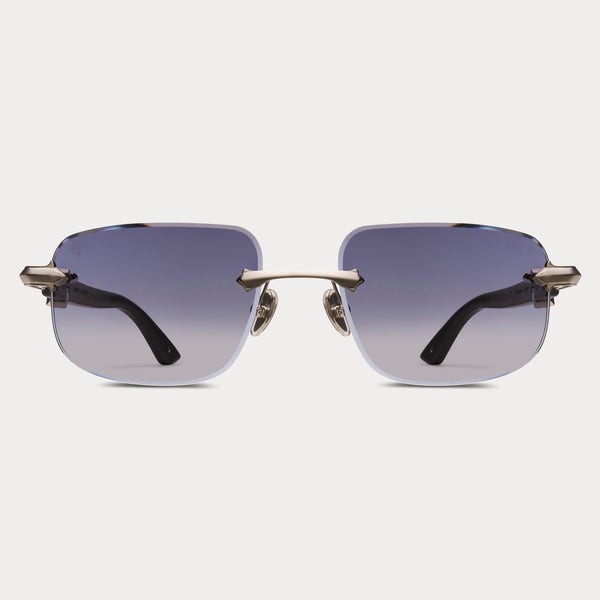
James Oro Black Tint Silver Consigliere
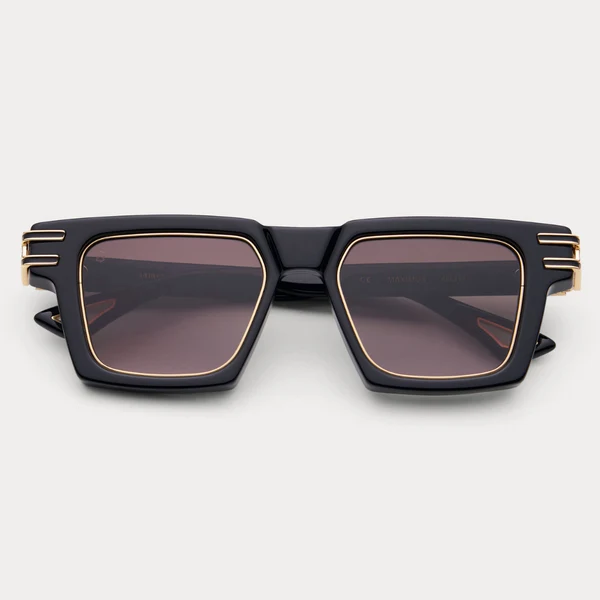
James Oro Black Maximus
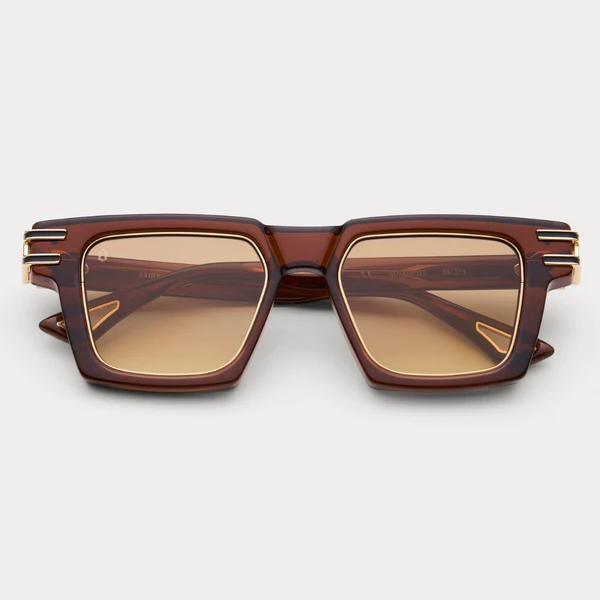
James Oro Reserve Maximus
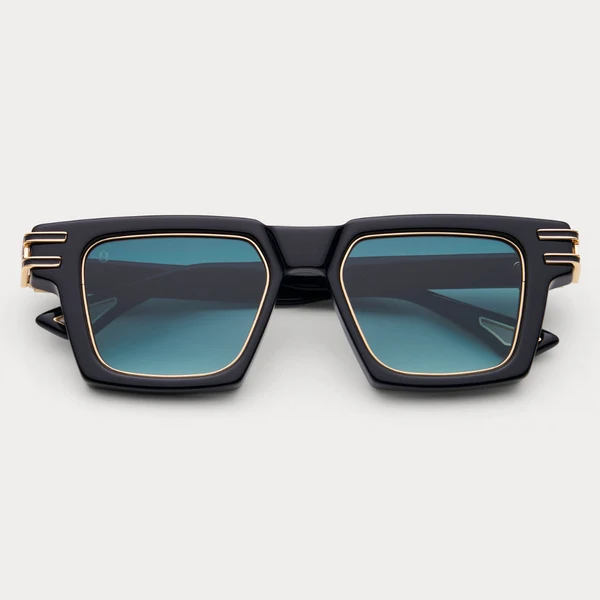
James Oro Emerald Maximus
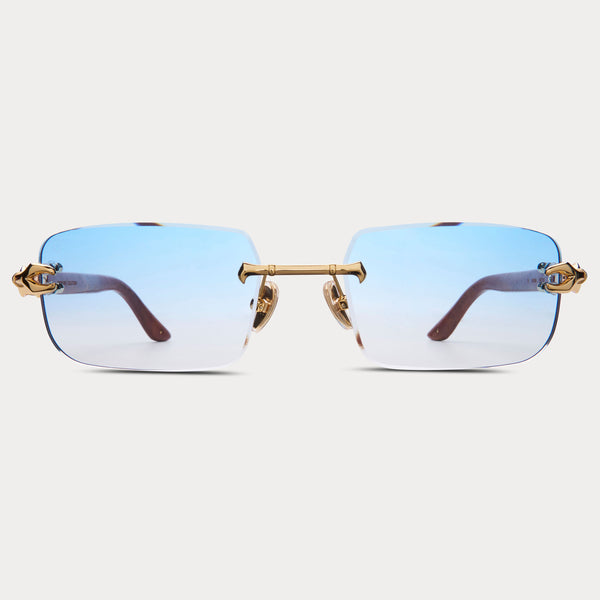
James Oro Blue Tint Hydra
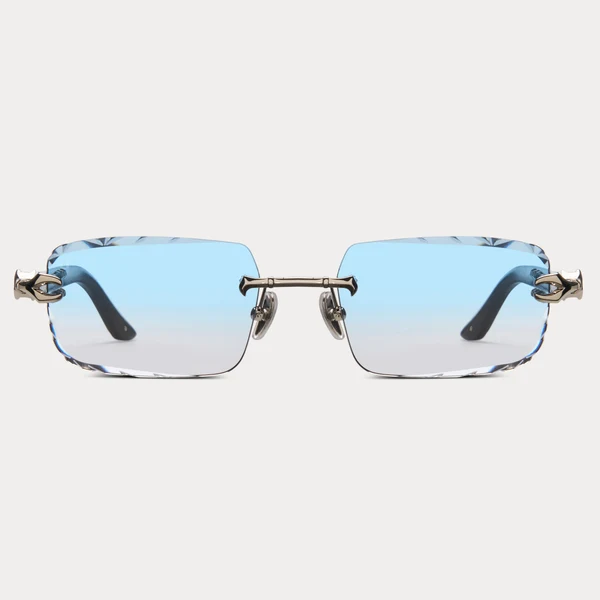
James Oro Blue Tint Silver Hydra Gem Cut
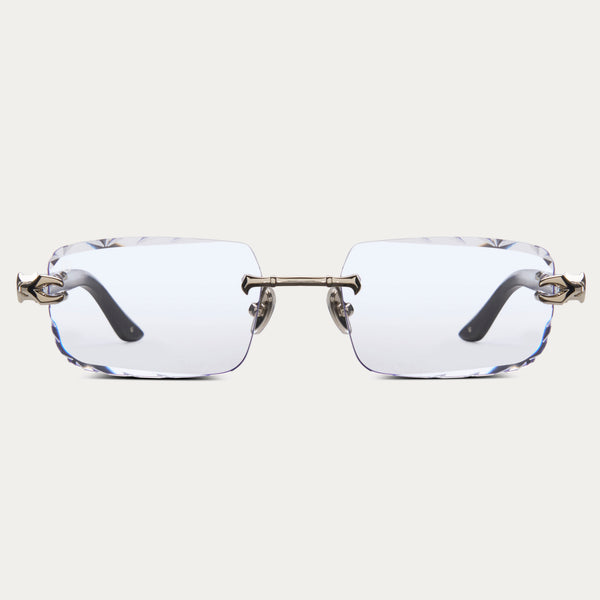
James Oro Clear Silver Hydra Gem Cut
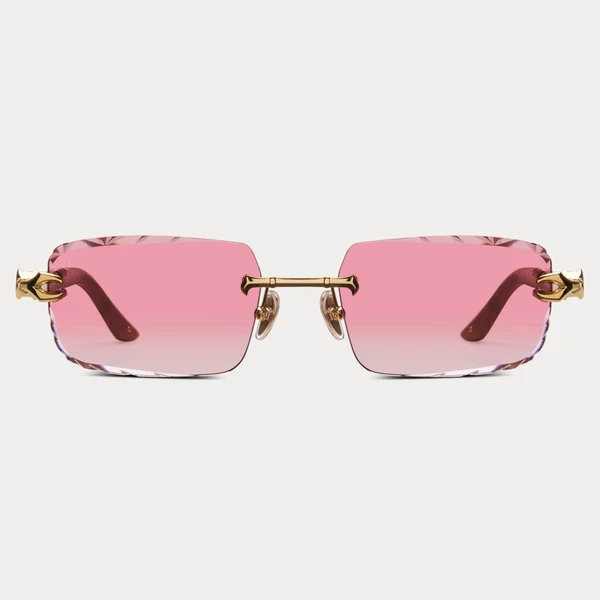
James Oro Red Tint Hydra Gem Cut
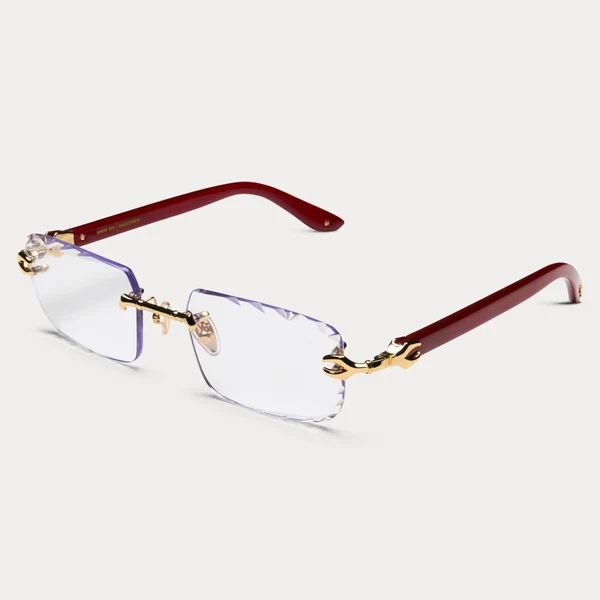
James Oro Clear Red Lacquer Hydra Gem Cut
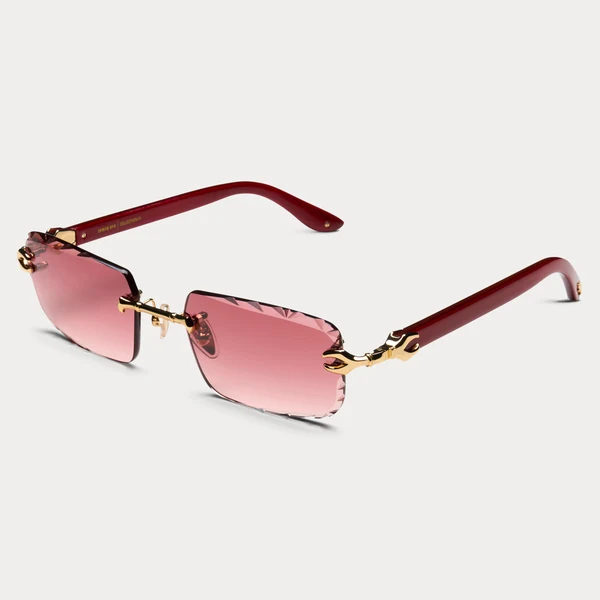
James Oro Red Tint Lacquer Hydra Gem Cut
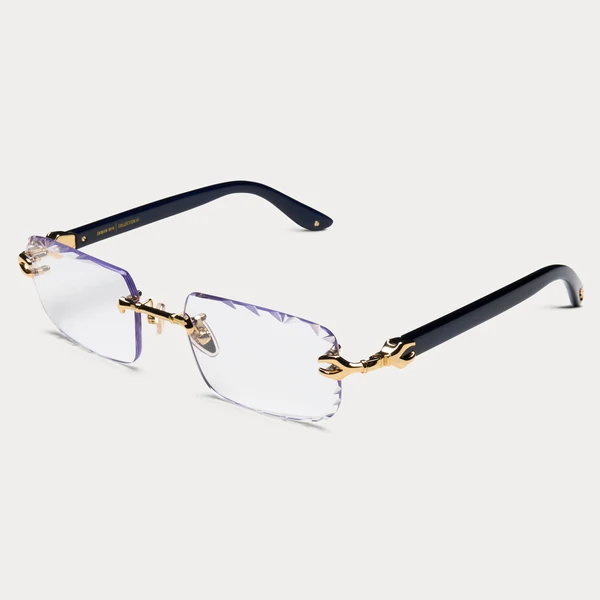
James Oro Clear Blue Lacquer Hydra Gem Cut
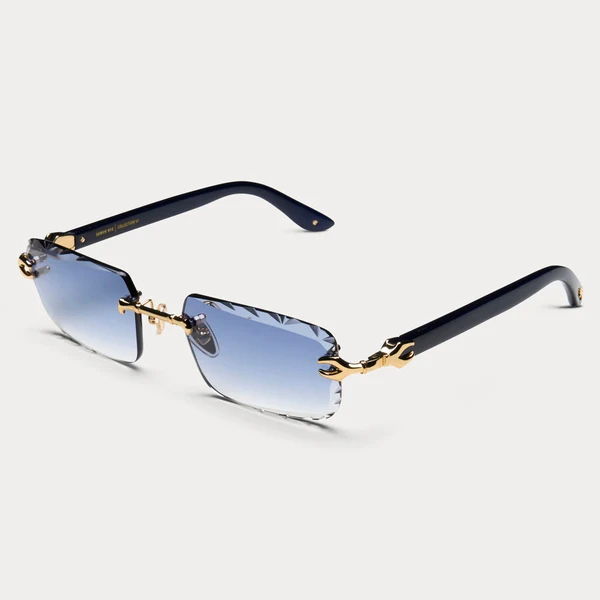
James Oro Blue Tint Lacquer Hydra Gem Cut
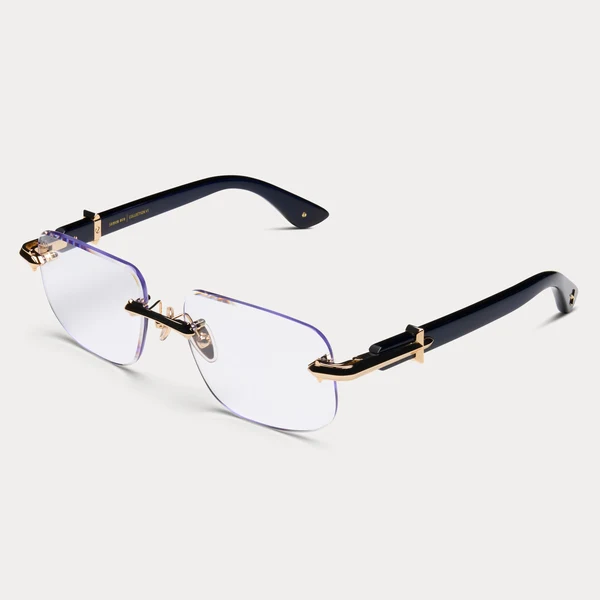
James Oro Clear Blue Lacquer Consigliere
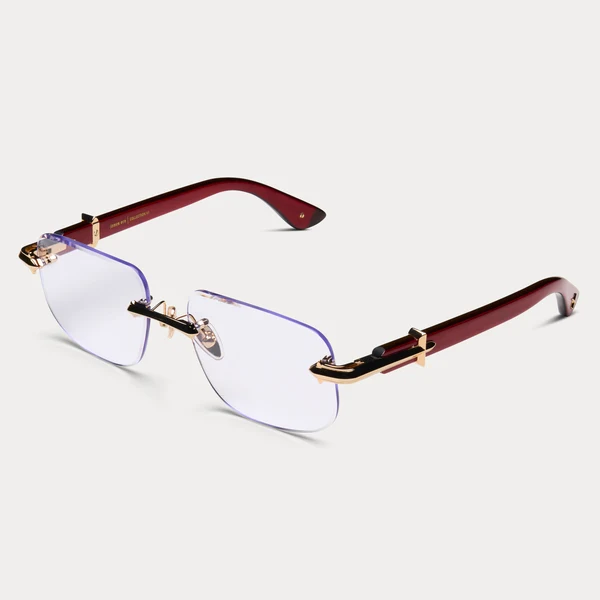
James Oro Clear Red Lacquer Consigliere
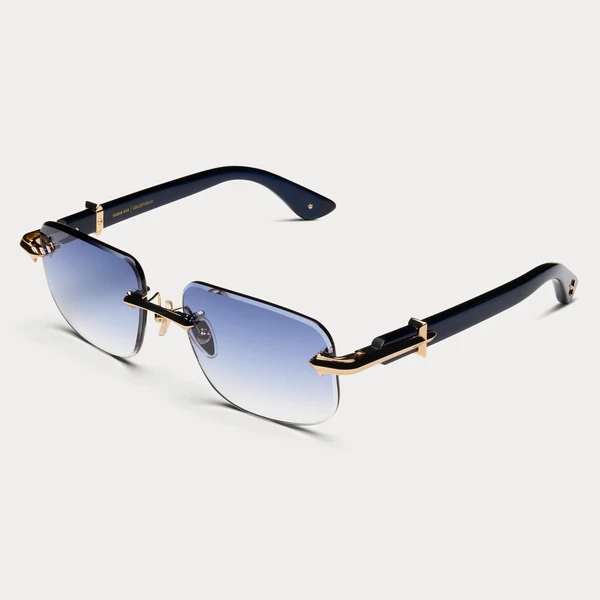
James Oro Blue Tint Lacquer Consigliere
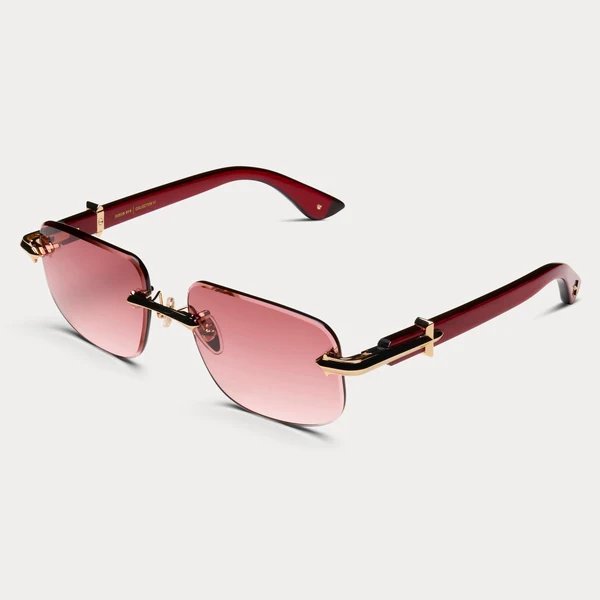
James Oro Red Tint Lacquer Consigliere
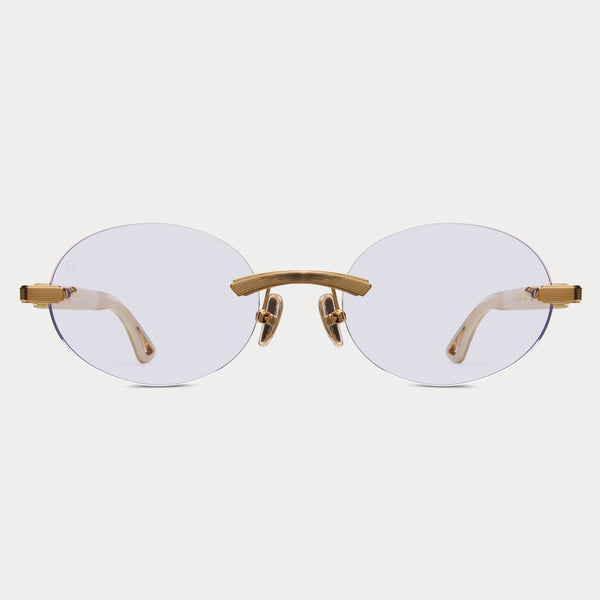
James Oro Clear Rare Blanc Royce
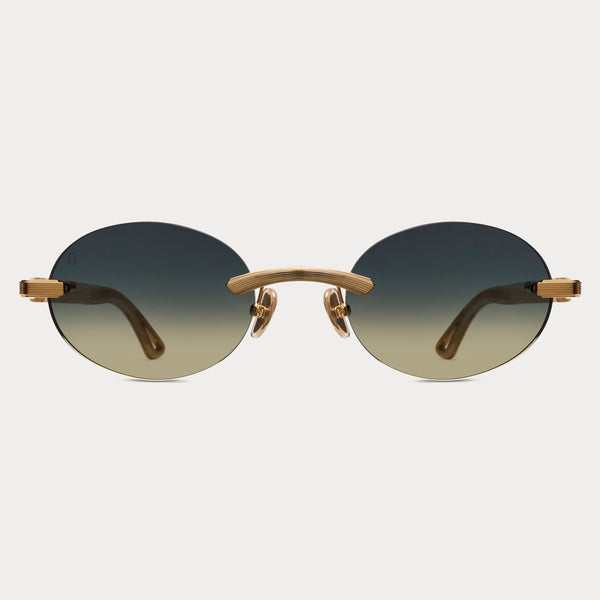
James Oro Chartreuse Rare Blanc Royce
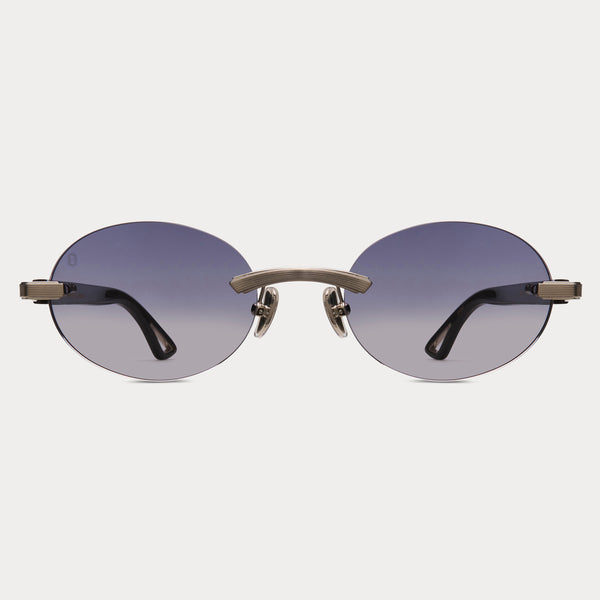
James Oro Black Tint Rare Noir Royce
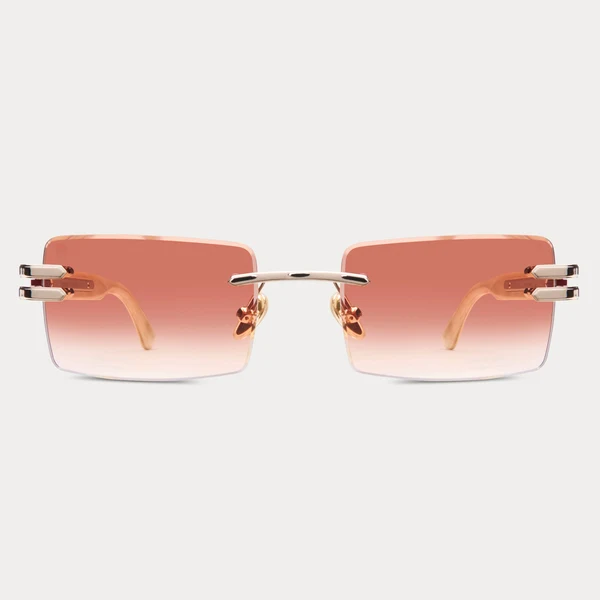
James Oro Sunset Rare Blanc Baron
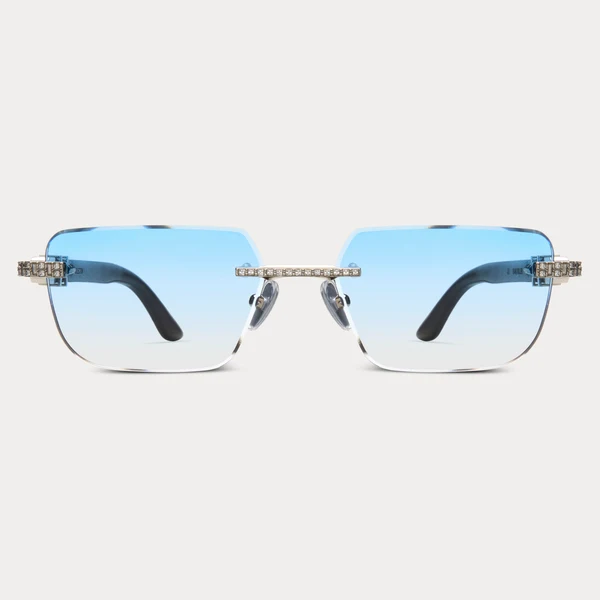
James Oro Blue Tint Silver Bankroller
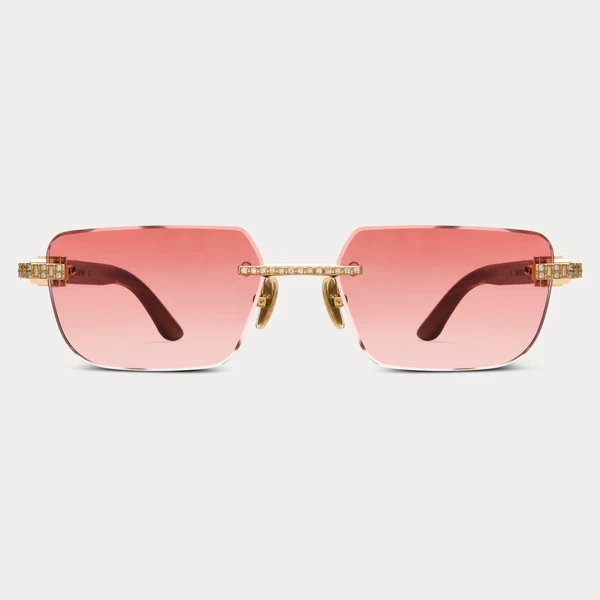
James Oro Red Tint Bankroller
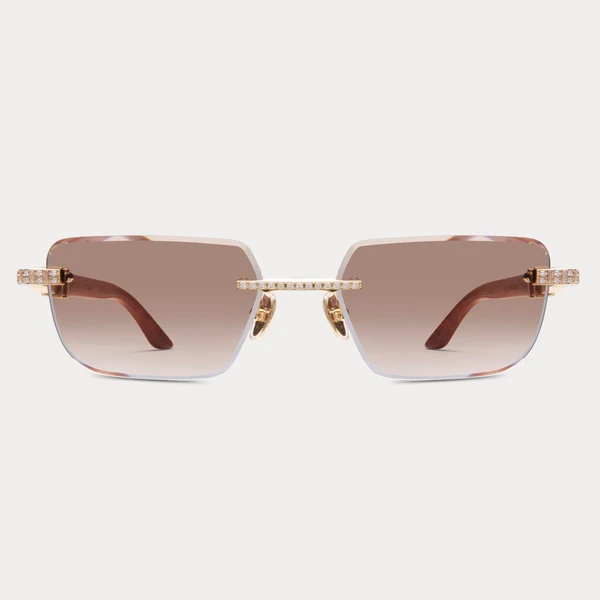
James Oro Brown Tint Bankroller
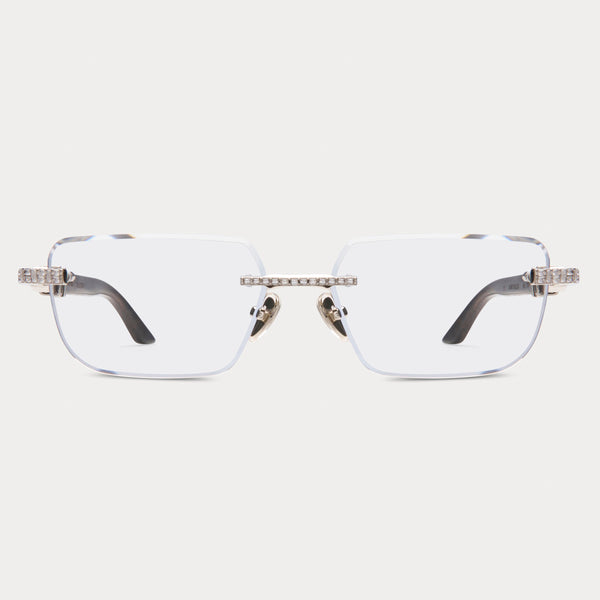
James Oro Clear Silver Bankroller
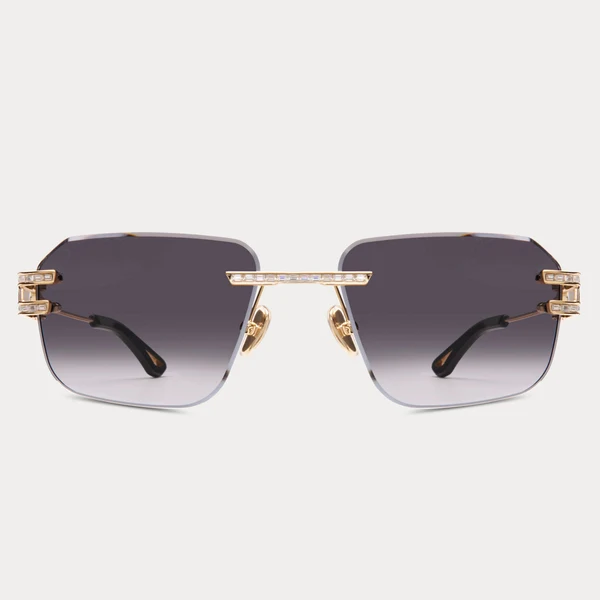
James Oro Black Tint Mercenary
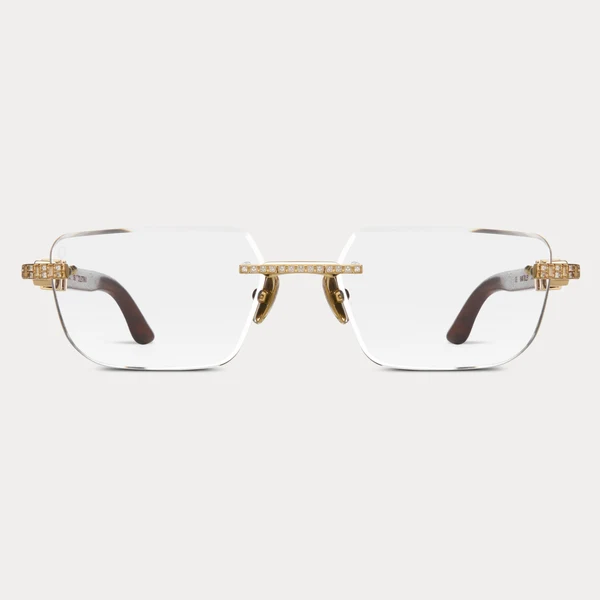
James Oro Clear Bankroller
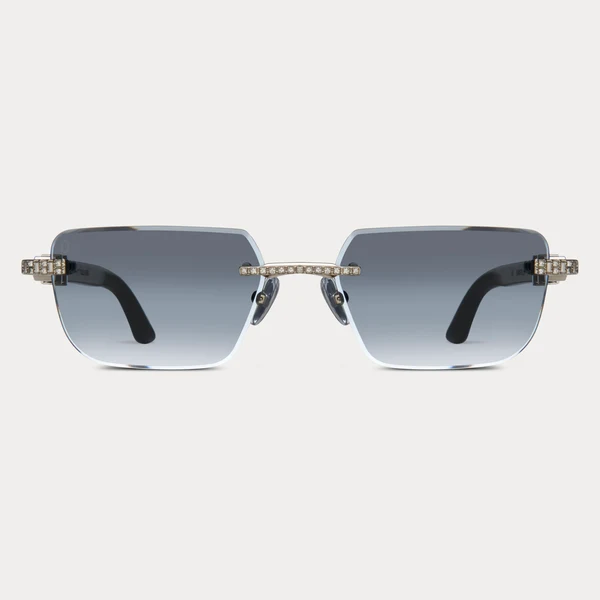
James Oro Black Tint Silver Bankroller
Wide: 150 mm and up
The oversized aviators (Nighthawk at 156.1 mm, Skymaster at 149.5 mm), the sport frames (Windshield 153 mm, Vantage 152 mm), the Godfather at 156 mm and all the XL versions. These are the right choice for faces over 145 mm; on an average face they will overhang at the temples.
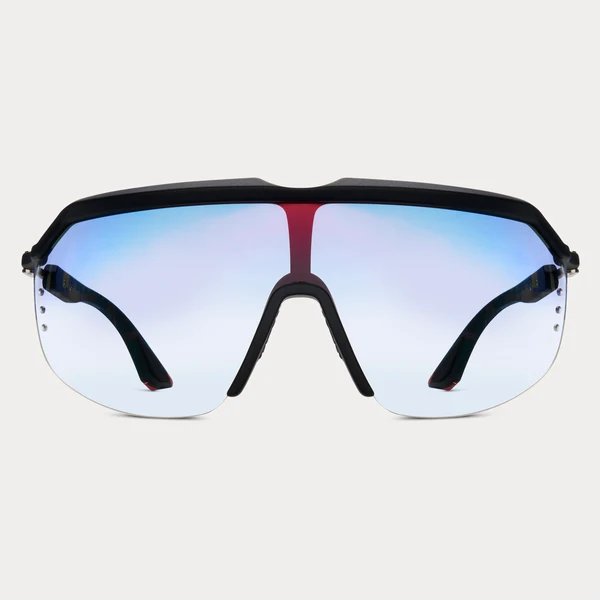
James Oro Dark Blue Flash Windshield
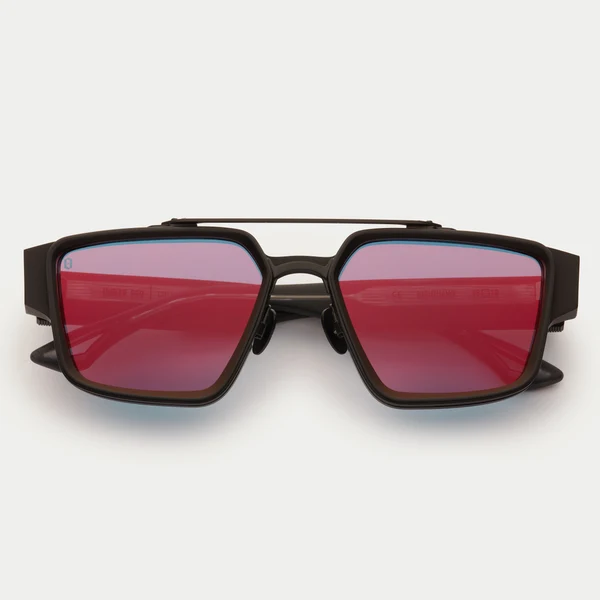
James Oro Reaper Nighthawk
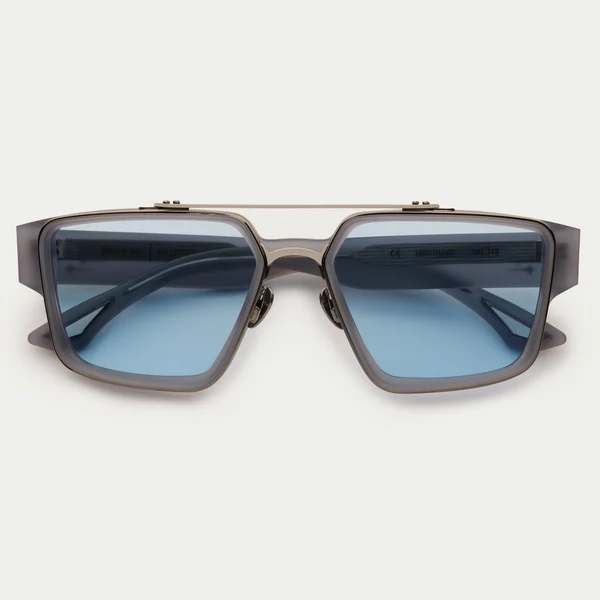
James Oro Skyline Nighthawk
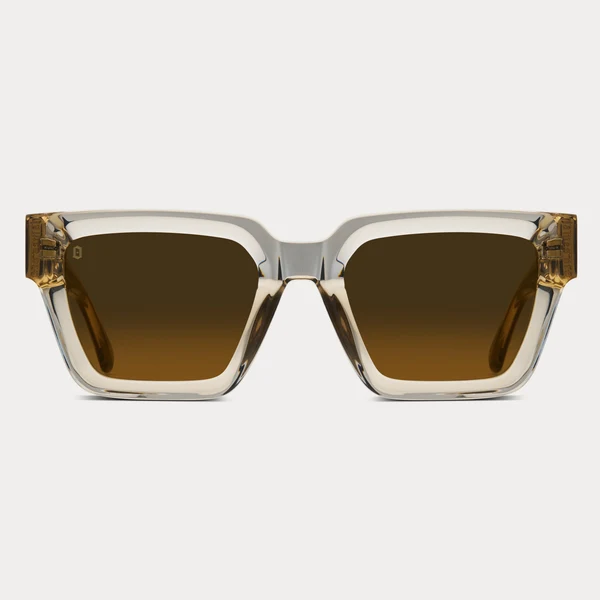
James Oro Champagne Hunnids
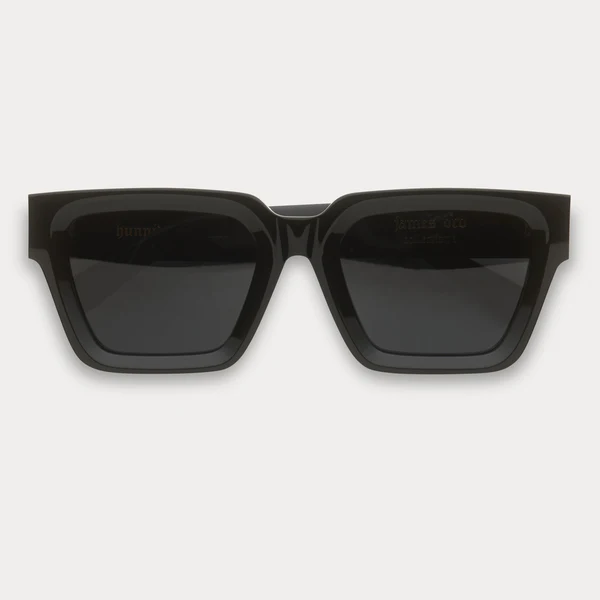
James Oro Black Hunnids
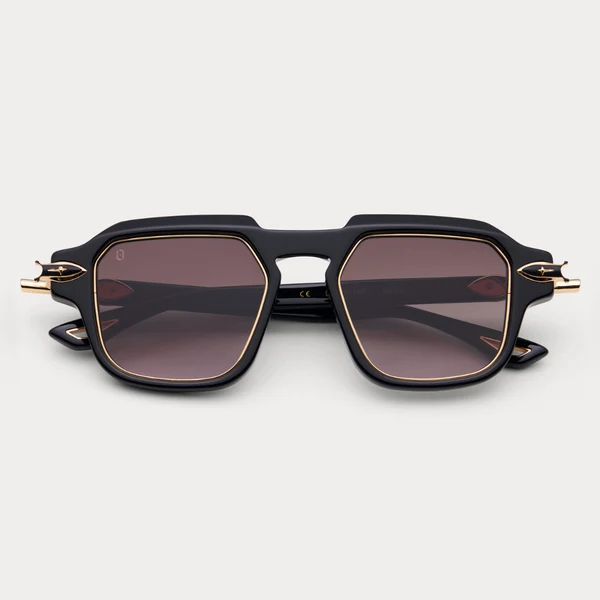
James Oro Black Godfather
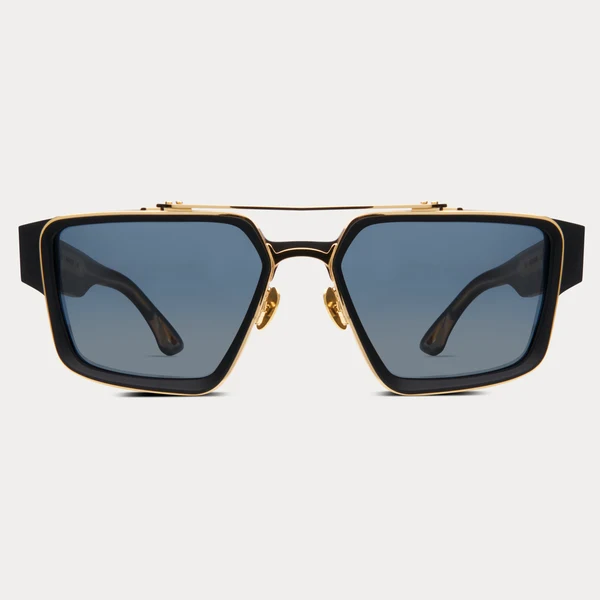
James Oro Matte Black Nighthawk
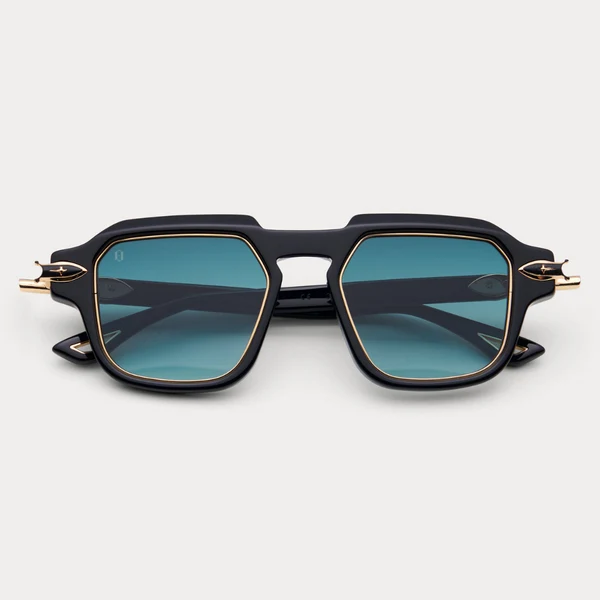
James Oro Emerald Godfather
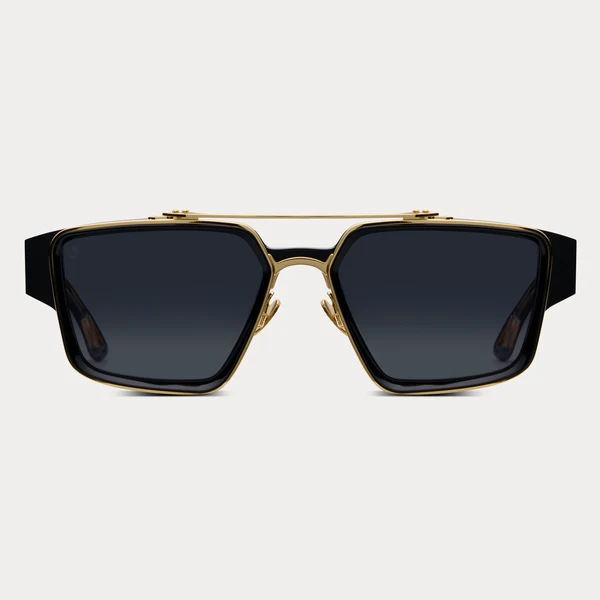
James Oro Black Nighthawk
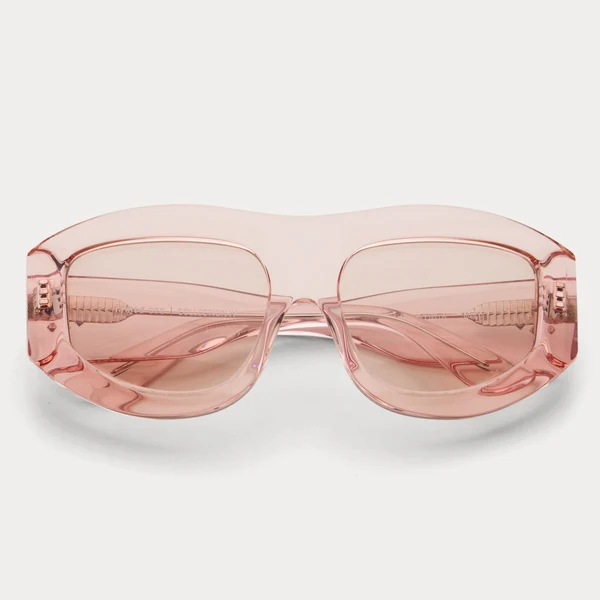
James Oro Candy Pink Zenith
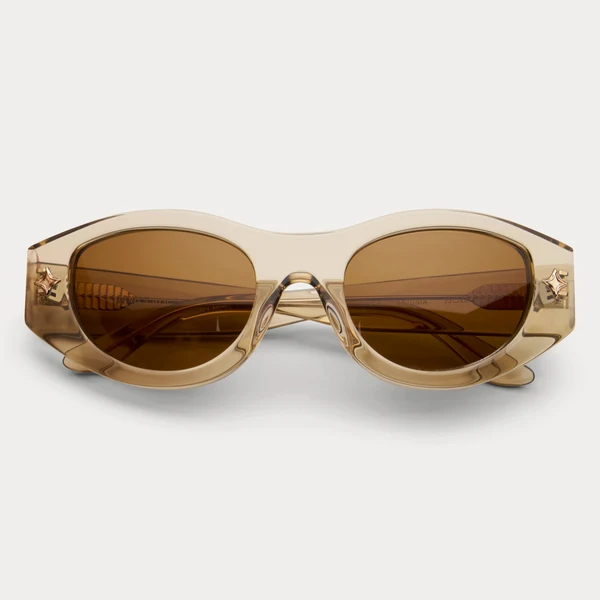
James Oro Champagne Enigma
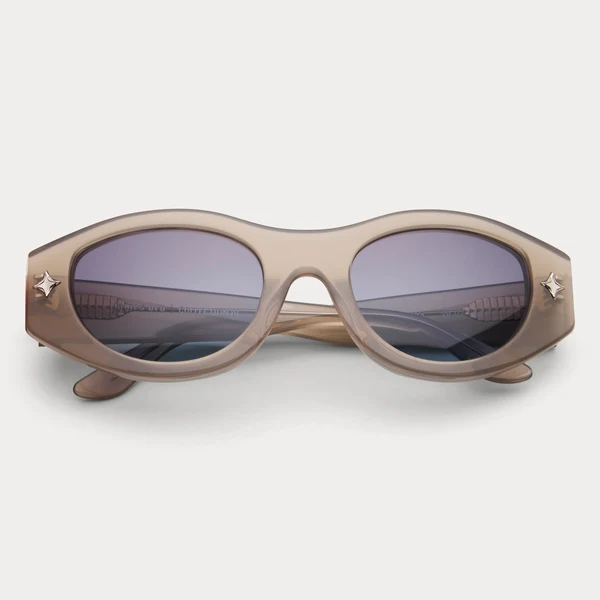
James Oro Thundercloud Enigma
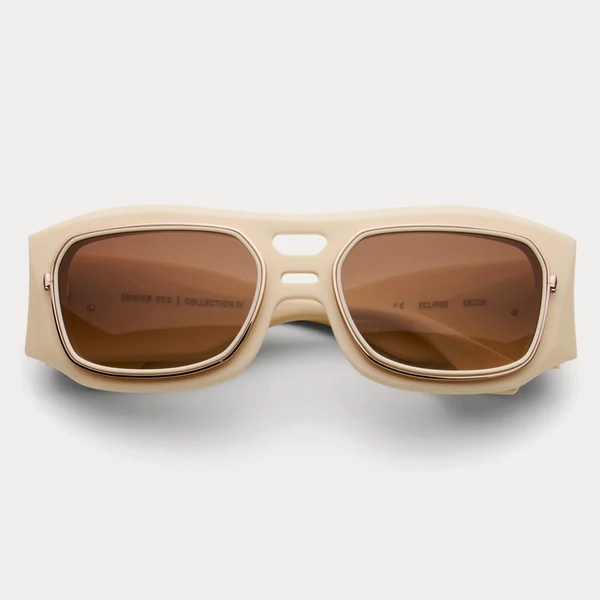
James Oro Bone Eclipse
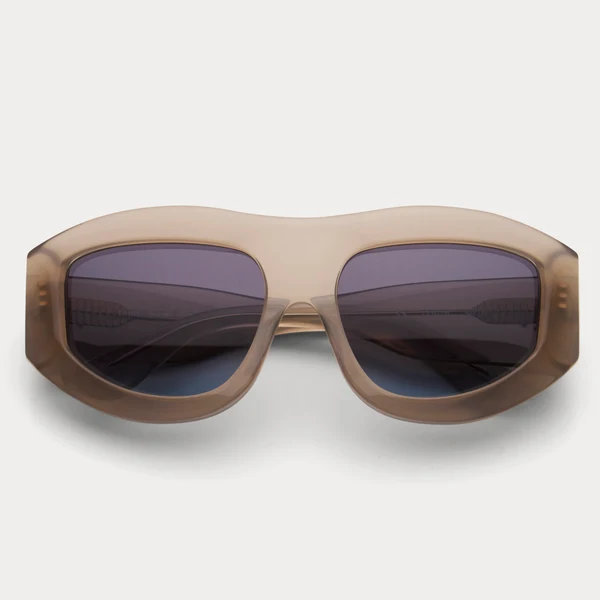
James Oro Thundercloud Zenith
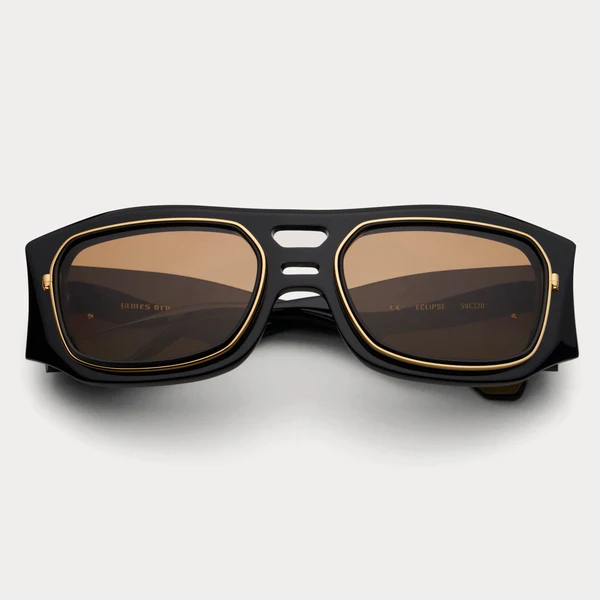
James Oro Amber Eclipse
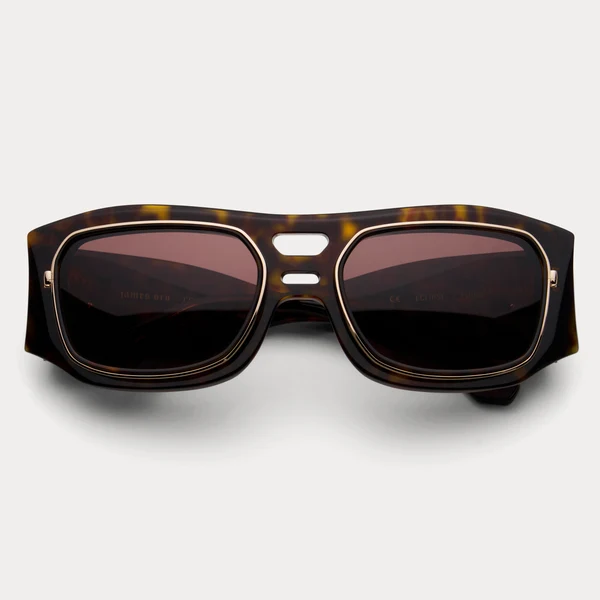
James Oro Tortoise Eclipse
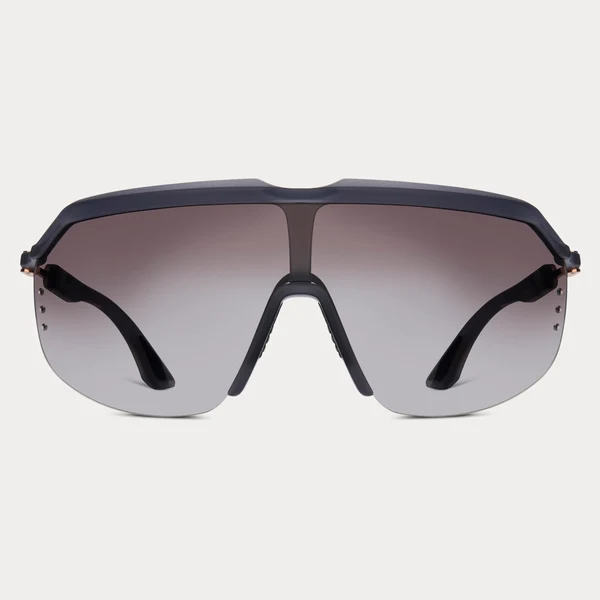
James Oro Rose Smoke Windshield
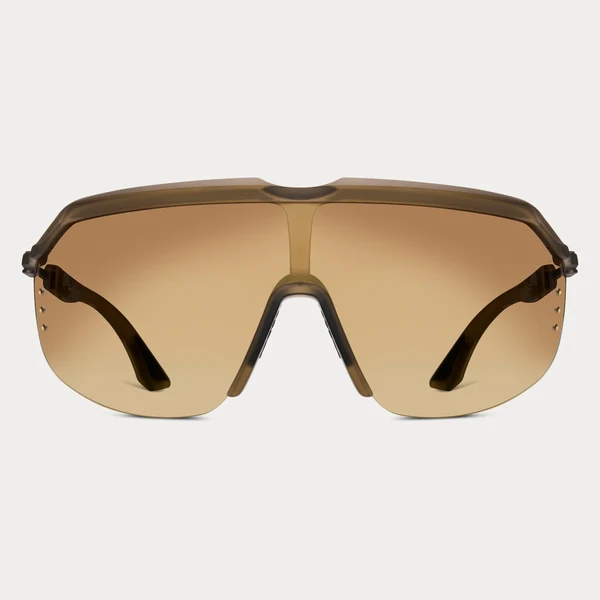
James Oro Dust Amber Windshield
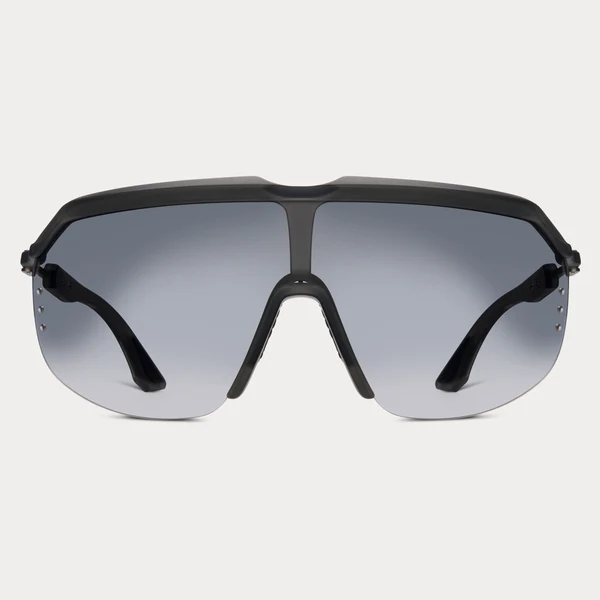
James Oro Matte Clear Grey Windshield
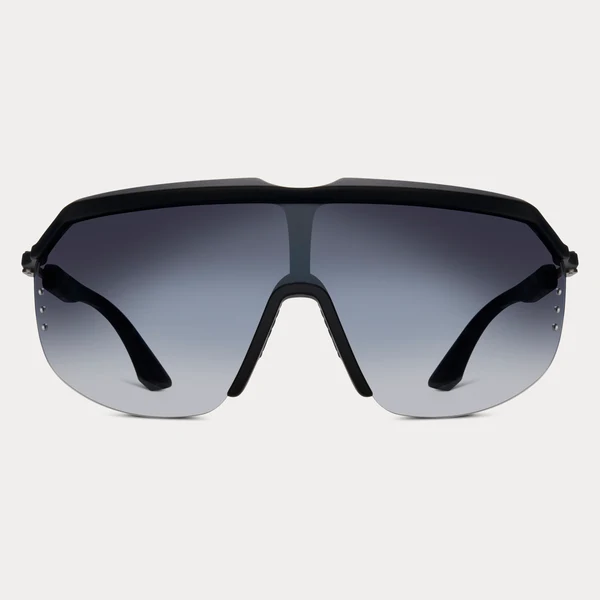
James Oro Black Silver Flash Windshield
James Oro Blue Tint Authentic II XL
James Oro Brown Tint Authentic II XL
James Oro Black Tint Authentic II XL
James Oro Clear Authentic II XL
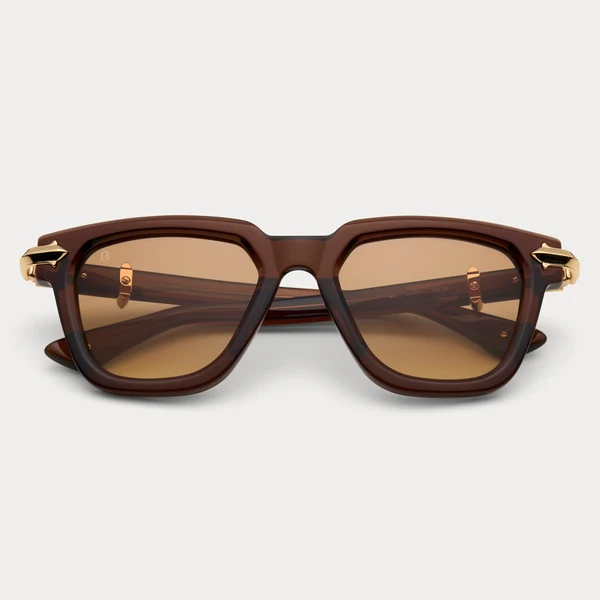
James Oro Reserve Capo
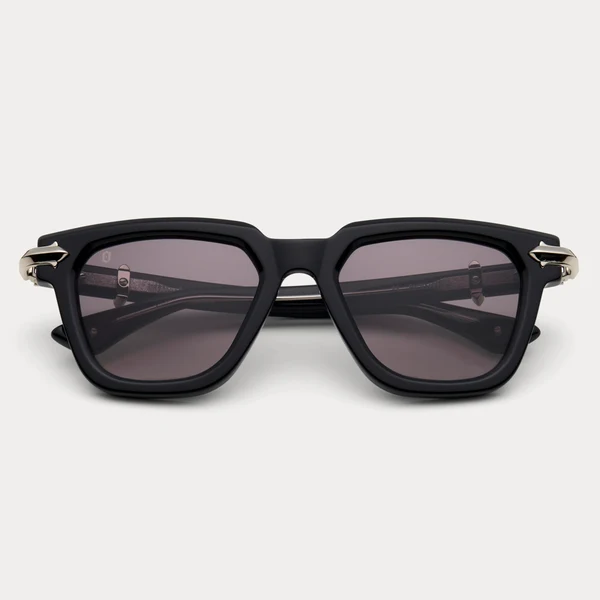
James Oro Black Tint Capo
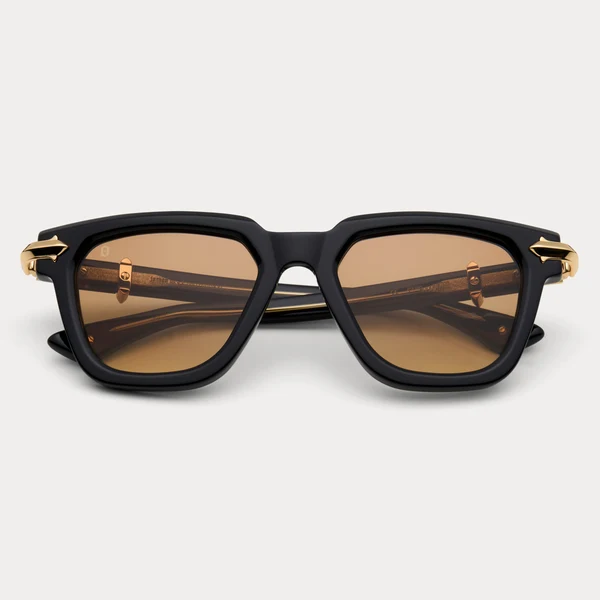
James Oro Amber Capo
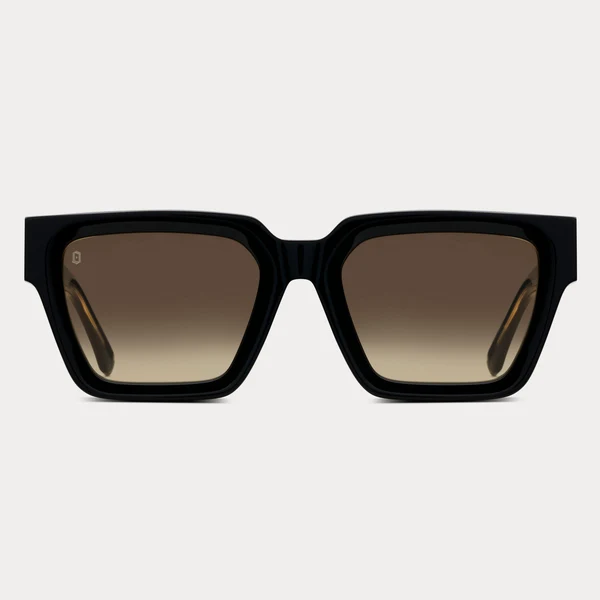
James Oro Amber Hunnids
James Oro Amber Titan XL
James Oro Champagne Titan XL
James Oro Black Titan XL
James Oro Black Dune XL
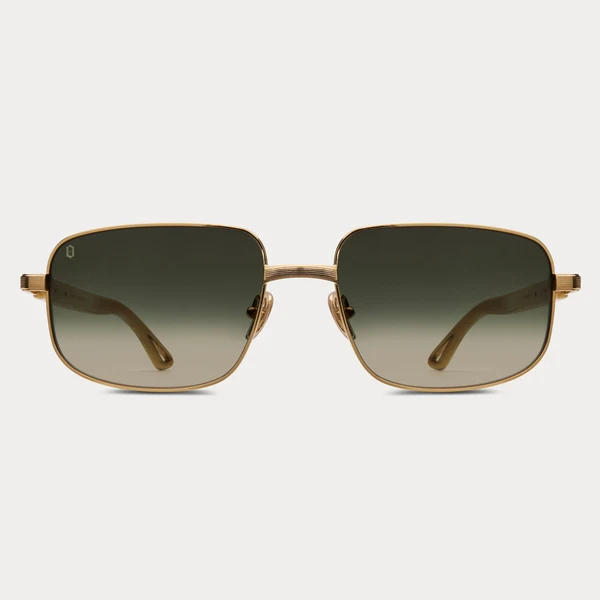
James Oro Chartreuse Rare Blanc Cavalier
James Oro Clear Serpent Authentic XL
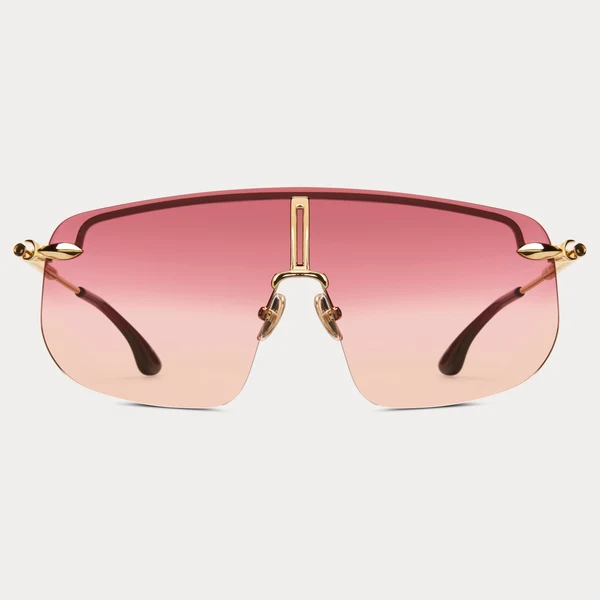
James Oro Reserve Bordeaux Vantage

James Oro Lavender Silver Vantage

James Oro Midnight Tint Gold Vantage

James Oro Dusk Tint Silver Vantage
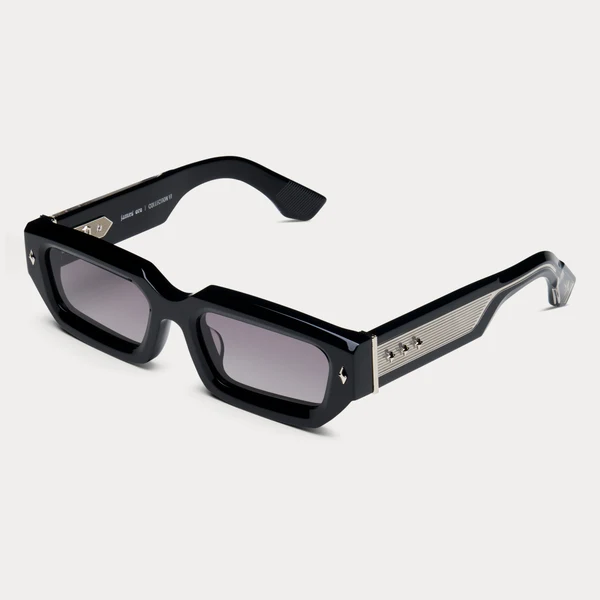
James Oro Silver Standard Legacy Dune
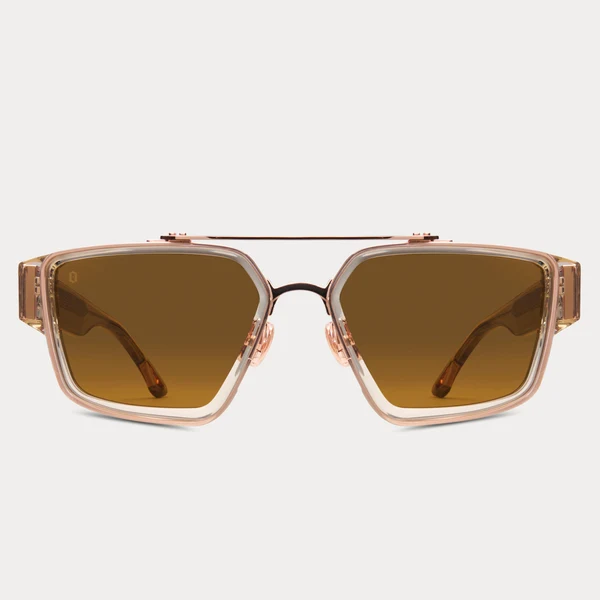
James Oro Champagne Rose Nighthawk
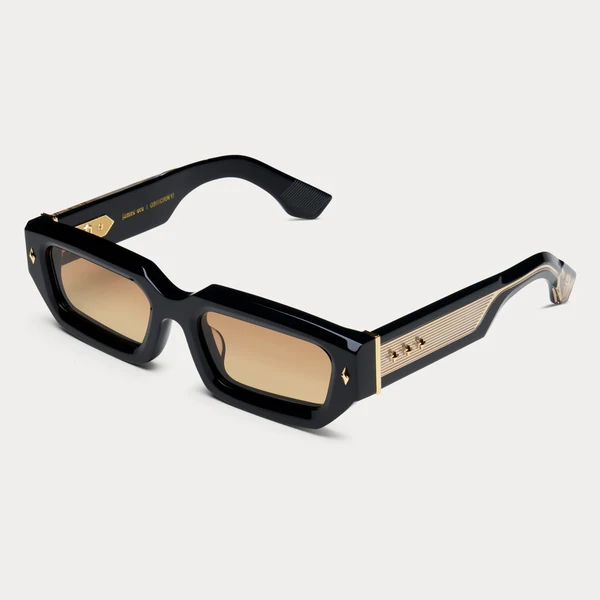
James Oro Amber Legacy Dune
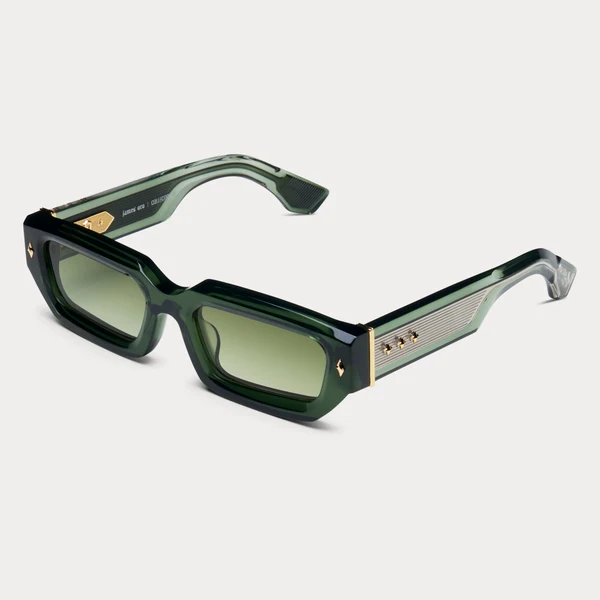
James Oro Absinthe Legacy Dune
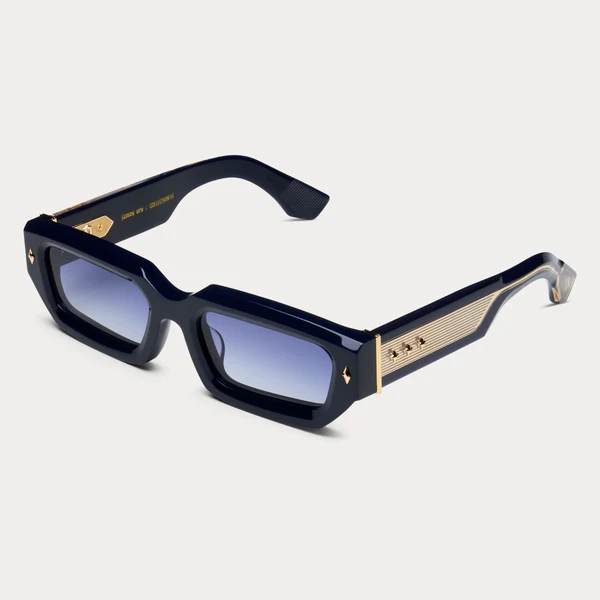
James Oro Deep Marine Legacy Dune
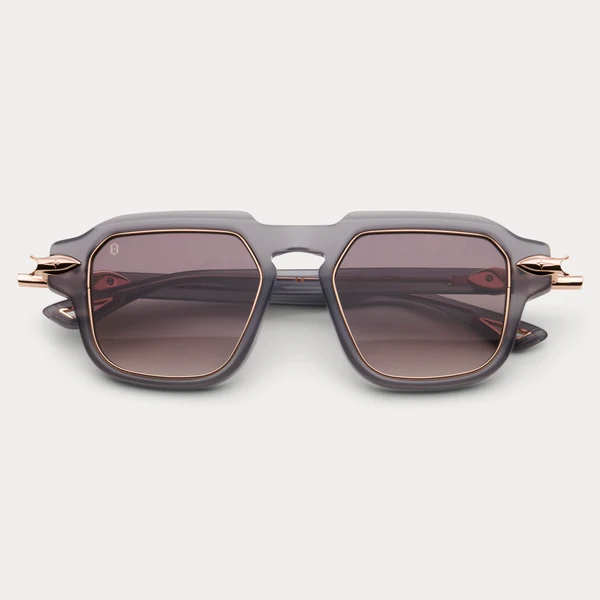
James Oro Rose Smoke Godfather
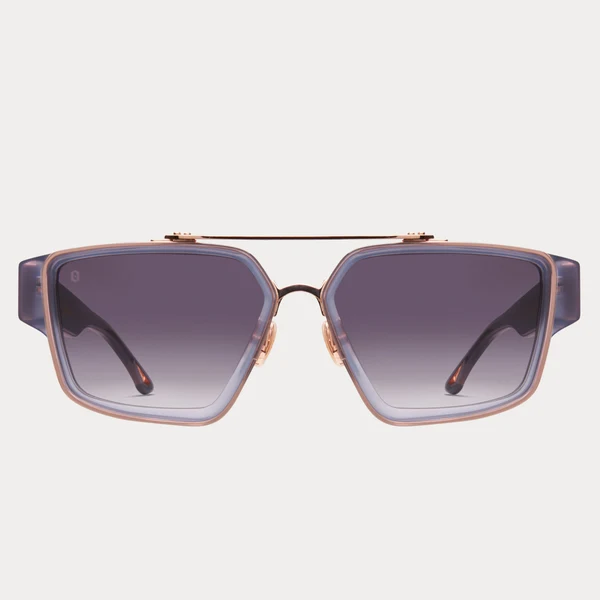
James Oro Rose Smoke Nighthawk
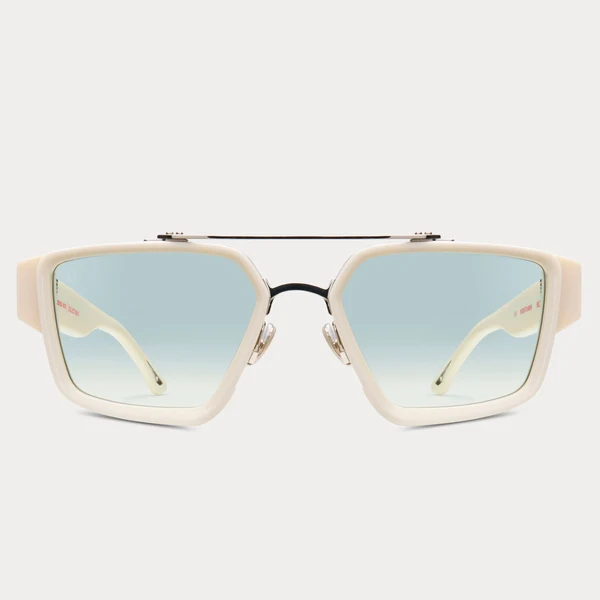
James Oro Crystal Ivory Nighthawk
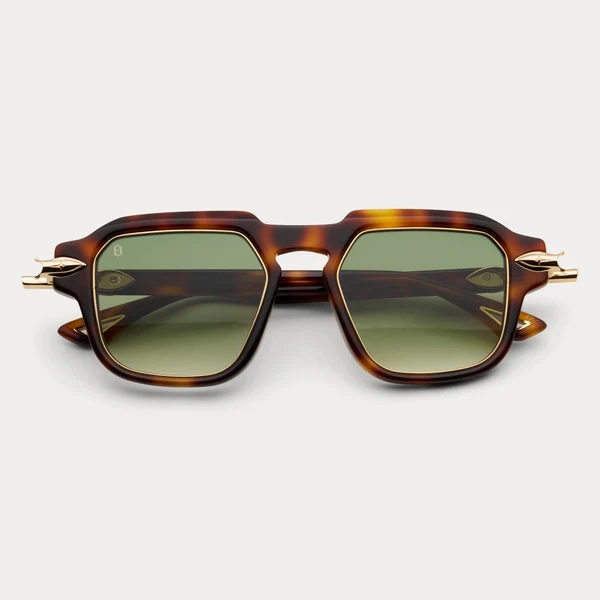
James Oro Old Money Godfather
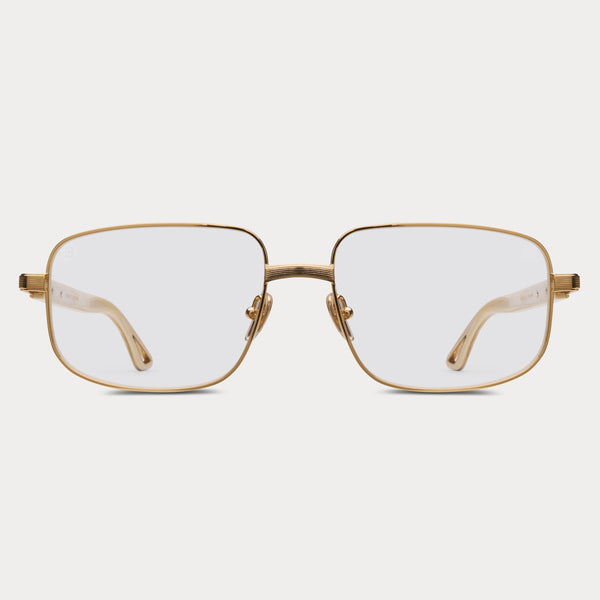
James Oro Clear Rare Blanc Cavalier
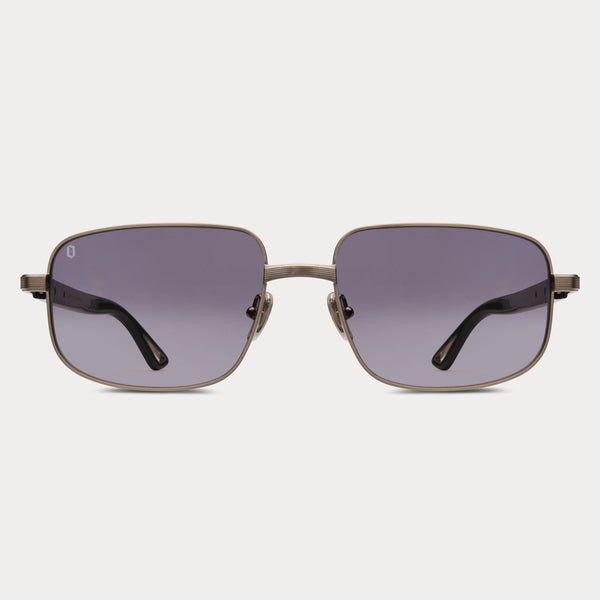
James Oro Black Tint Rare Noir Cavalier
Bottom line
Decide on front width first, then shape, then colorway. If you are between sizes, go narrower on an acetate frame (the thick rim adds visual width) and wider on a rimless one (the lenses look smaller without a rim). Every product page on this site lists all four measurements from the store listing, and the US return window gives you 14 days to check the fit on full-price frames.